
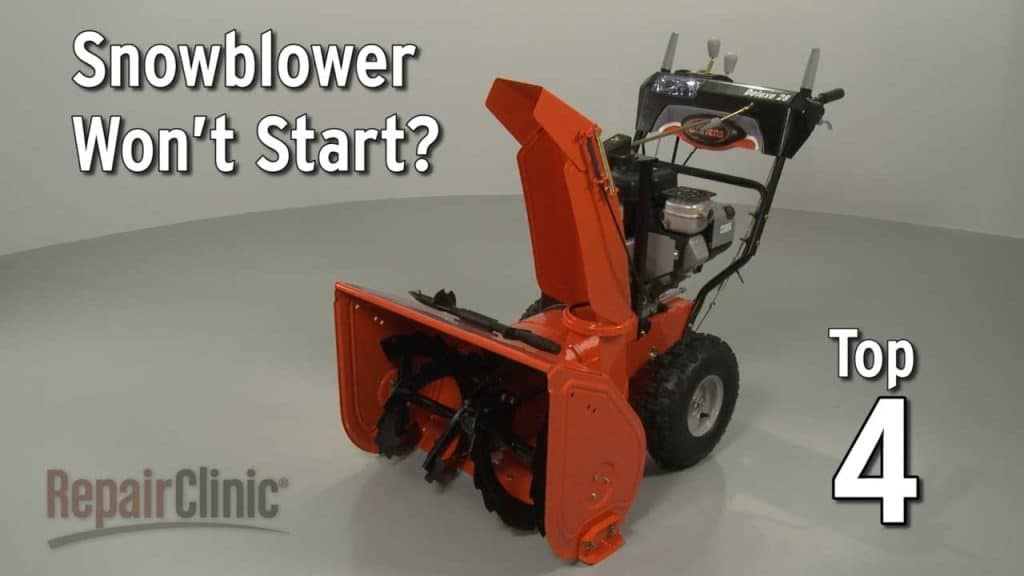
“Why won’t my snow blower start?” Is a common question in winter.
Snow blowers often face issues that can be frustrating. Winter brings snow, and snow blowers are essential tools. When they don’t start, it can be a headache. There are several reasons a snow blower might fail to start. It could be a simple issue or something more complex.
Understanding these reasons helps you fix the problem quickly. In this post, we’ll explore common causes and solutions. This will help you get your snow blower running smoothly. Stay tuned to learn more and keep your winter hassle-free.
Common Reasons For Snow Blower Failure
Struggling with a snow blower that won’t start can be frustrating. Knowing the common reasons for failure can save time and effort. Let’s explore the most typical issues that might be preventing your snow blower from starting.
Fuel Issues
One of the primary reasons for a snow blower’s failure is fuel issues. Check the fuel tank. Make sure it’s not empty. If the fuel is old, drain it and refill it with fresh gasoline. Old fuel can become thick, making it difficult to ignite.
Also, ensure the fuel valve is open. Sometimes, it gets closed accidentally. Finally, check the fuel lines for any blockages. Clean them if necessary.
Spark Plug Problems
The spark plug is crucial for starting your snow blower. If there’s a problem with it, the engine won’t start. First, inspect the spark plug for any damage or wear. Replace it if needed. A dirty spark plug can also cause problems. Clean it with a wire brush.
Ensure the spark plug wire is connected securely. A loose connection can prevent the spark needed for ignition.
Carburetor Troubles
The carburetor mixes air and fuel for the engine. If it’s not working correctly, the engine won’t start. Clean the carburetor with a carb cleaner to remove any debris. Ensure all parts are moving freely.
Sometimes, the carburetor needs an adjustment. Check your manual for instructions on how to adjust it properly. If the carburetor is damaged, it might need to be replaced.
| Problem | Possible Solution |
|---|---|
| Fuel Issues | Refill with fresh fuel, open fuel valve, clean fuel lines |
| Spark Plug Problems | Replace or clean spark plug, secure connection |
| Carburetor Troubles | Clean, adjust or replace carburetor |
Checking The Fuel System
When your snow blower won’t start, the fuel system often holds the key. Ensuring the fuel system is in good condition can resolve many starting issues. Below, we explore some common problems related to the fuel system.
Stale Or Contaminated Fuel
Old or dirty fuel can prevent your snow blower from starting. Fuel can go stale in as little as 30 days. Always use fresh fuel. If the fuel smells sour, it’s best to replace it. Contaminated fuel can clog the carburetor. Drain the fuel tank and refill it with clean, fresh fuel.
Fuel Line Blockages
Blockages in the fuel line can restrict fuel flow. This can make starting the snow blower difficult. Check the fuel line for any kinks or clogs. Use a small brush or compressed air to clear any blockages. Ensure the fuel flows smoothly through the line.
Fuel Cap Vent
The fuel cap vent allows air to enter the fuel tank. If the vent is blocked, a vacuum can form. This can stop fuel from reaching the engine. Check the fuel cap vent for any debris. Clean it if necessary to ensure proper airflow.
Inspecting The Spark Plug
Experiencing trouble starting your snow blower can be frustrating. One common issue is a faulty spark plug. Inspecting the spark plug is essential. This guide will help you check the condition, gap, and replacement of the spark plug.
Spark Plug Condition
First, remove the spark plug using a spark plug wrench. Inspect it for dirt, oil, or carbon deposits. A dirty spark plug can prevent your snow blower from starting. Clean the spark plug with a wire brush if it’s dirty. If the plug is damaged, it’s best to replace it.
Proper Spark Plug Gap
The gap between the spark plug electrodes is crucial. Use a gap tool to measure the gap. Refer to your snow blower’s manual for the correct gap size. Adjust the gap using the gap tool if needed. An incorrect gap can cause starting issues.
Replacing The Spark Plug
If cleaning or adjusting the gap doesn’t help, replace the spark plug. Make sure to use a spark plug recommended for your snow blower model. Install the new spark plug by threading it by hand, then tighten it with the wrench. Ensure it’s snug but not overly tight.
After replacing, check if your snow blower starts. A new spark plug often solves the issue.
Examining The Carburetor
Is your snow blower refusing to start? The problem might lie in the carburetor. This crucial part mixes air and fuel. If it gets clogged or malfunctions, your snow blower won’t start. Let’s dive deeper into examining the carburetor.
Clogged Carburetor
A clogged carburetor is a common issue. Fuel can leave behind residue. This residue clogs the small parts inside. You may notice the engine sputters or won’t start. To check for a clog:
- Remove the carburetor.
- Look for any visible dirt or residue.
- Check the fuel lines for blockages.
Clogged jets and passages need cleaning. This will restore proper fuel flow.
Carburetor Cleaning
Cleaning the carburetor can fix many problems. Here’s a simple step-by-step guide:
- Disconnect the fuel line.
- Remove the carburetor from the engine.
- Use a carburetor cleaner spray. Spray into all small openings.
- Use a brush to clean the surfaces.
- Reassemble the carburetor and reattach it.
This process helps remove all dirt and residue. It ensures smooth operation.
Adjusting The Carburetor
Sometimes, the carburetor needs adjustment. This fine-tunes the air-fuel mixture. Follow these steps:
- Locate the adjustment screws.
- Turn the screws clockwise to tighten.
- Turn counterclockwise to loosen.
- Adjust until the engine runs smoothly.
Refer to your manual for specific settings. Proper adjustment ensures optimal performance.
Battery And Electrical System
A snow blower that won’t start can be frustrating, especially in cold weather. One common issue is the battery and electrical system. These components are critical for starting the machine. Below, we will dive into the key areas to check: Battery Charge, Electrical Connections, and Fuse Inspection.
Battery Charge
The battery must be fully charged to start the snow blower. If the battery is dead or low, it can’t provide the needed power. Use a voltmeter to check the battery’s voltage. A healthy battery should show at least 12.6 volts. If the reading is lower, charge the battery using a compatible charger.
| Voltage (V) | Status |
|---|---|
| 12.6 V or more | Fully Charged |
| 12.4 V | Partially Charged |
| Below 12.4 V | Needs Charging |
Electrical Connections
Loose or corroded electrical connections can prevent the snow blower from starting. Inspect all connections between the battery and the engine. Look for signs of corrosion, rust, or loose wires. Clean any corroded terminals with a wire brush and tighten loose connections.
- Check battery terminals
- Inspect wiring harness
- Clean corroded parts
Fuse Inspection
A blown fuse can disrupt the electrical flow. Locate the fuse box and inspect each fuse. A blown fuse will have a broken metal strip inside. Replace any blown fuses with ones of the same amperage. Refer to the snow blower’s manual for the correct fuse specifications.
- Open fuse box
- Inspect each fuse
- Replace blown fuses

Air Filter Maintenance
Maintaining your snow blower’s air filter is crucial for optimal performance. A clean air filter ensures the engine gets the air it needs to run smoothly. Ignoring air filter maintenance can lead to problems, including starting issues. Let’s explore how you can maintain your snow blower’s air filter effectively.
Dirty Air Filter
A dirty air filter restricts airflow to the engine. This can cause your snow blower to struggle or fail to start. Dirt and debris clog the filter over time, making it harder for the engine to breathe. Regularly checking the air filter can prevent starting issues.
| Signs of a Dirty Air Filter |
|---|
| Poor engine performance |
| Black smoke from the exhaust |
| Difficulty starting the engine |
Cleaning The Air Filter
Cleaning the air filter is a simple process. Follow these steps:
- Turn off the snow blower and remove the spark plug wire.
- Locate the air filter cover and remove it.
- Take out the air filter carefully.
- Tap the filter gently to remove loose dirt and debris.
- If the filter is foam, wash it with soap and water. Let it dry completely before reinstalling.
- If the filter is paper, replace it if it is too dirty.
- Reinstall the filter and cover. Reattach the spark plug wire.
Replacing The Air Filter
Sometimes cleaning isn’t enough. You need to replace the air filter if it is too dirty or damaged. Follow these steps:
- Purchase a new air filter compatible with your snow blower model.
- Turn off the snow blower and remove the spark plug wire.
- Remove the air filter cover and take out the old filter.
- Insert the new filter and secure the cover back in place.
- Reconnect the spark plug wire.
Replacing the air filter ensures your snow blower runs efficiently. It also prolongs the life of the engine.
Engine Oil Check
When your snow blower won’t start, one of the first things to check is the engine oil. Proper engine oil maintenance is crucial for the smooth operation of your snow blower. Let’s explore the importance of checking the engine oil and how to ensure it’s in good condition.
Oil Levels
First, check the oil levels in your snow blower. Low oil levels can prevent the engine from starting. Follow these steps to check the oil levels:
- Place your snow blower on a level surface.
- Remove the oil dipstick and wipe it clean.
- Insert the dipstick back into the oil tank, then remove it again.
- Check the oil level on the dipstick. It should be between the “full” and “add” marks.
Oil Quality
The quality of the oil is just as important as the quantity. Dirty or old oil can affect engine performance. Here are signs your oil needs replacing:
- The oil is dark and thick.
- There is a burnt smell.
- Particles are visible in the oil.
Use a high-quality oil recommended by the manufacturer to ensure optimal performance.
Changing The Oil
If the oil is dirty or old, it’s time to change it. Follow these steps to change the oil in your snow blower:
- Run the engine for a few minutes to warm up the oil.
- Turn off the engine and disconnect the spark plug.
- Place an oil pan under the oil drain plug.
- Remove the drain plug and allow the oil to drain completely.
- Replace the drain plug and refill with fresh oil.
- Check the oil level again and adjust if necessary.
Regular oil changes help maintain engine health and ensure your snow blower starts easily.
:max_bytes(150000):strip_icc()/snow-blower-troubleshooting-4125541-001-475c2d9f1b704d478f0b06f09ca58336.jpg)
Additional Troubleshooting Tips
Struggling to start your snow blower can be frustrating. Sometimes, the issue isn’t obvious. Here are some additional troubleshooting tips to help you get your snow blower running smoothly.
Engine Flooding
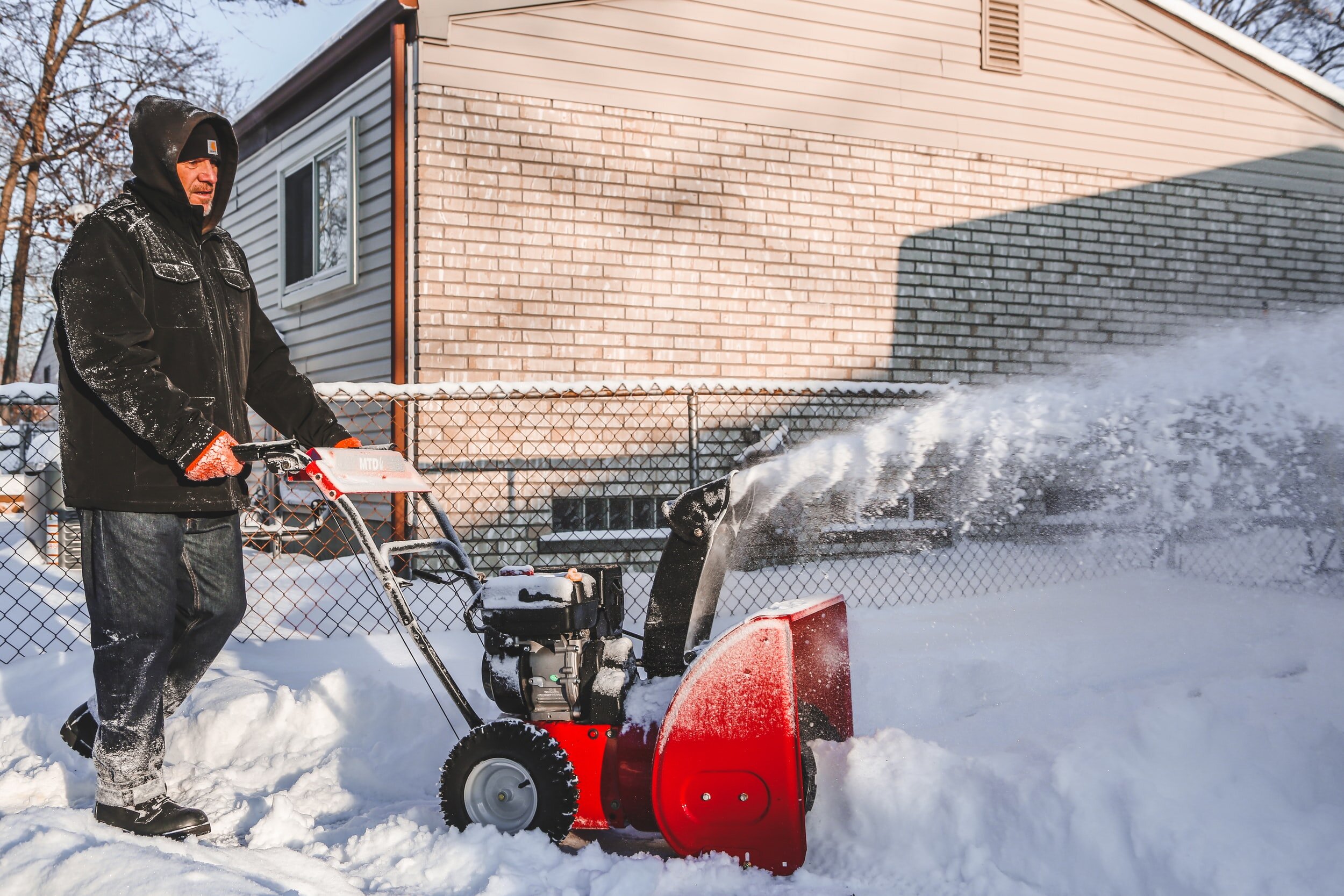
Engine flooding happens when there’s too much fuel in the engine. This can stop your snow blower from starting. If you smell gas, your engine may be flooded. Let the snow blower sit for a while. This allows the excess fuel to evaporate. Then, try starting it again.
Choke Position
The choke controls the air-fuel mix in your engine. It helps start the engine in cold weather. Check the choke position. Make sure it’s fully closed when starting a cold engine. Once the engine starts, slowly move the choke to the open position. This helps the engine run smoothly.
Throttle Settings
The throttle controls the engine’s speed. Check your throttle settings. Make sure it is set to the “fast” or “run” position. A low throttle setting can make starting difficult. Adjusting the throttle can often solve the problem.
Frequently Asked Questions
Why Won’t My Snow Blower Start?
A snow blower may not start due to a clogged carburetor, stale fuel, or a faulty spark plug. Check these components and clean or replace them as necessary.
What Fuel Should I Use In My Snow Blower?
Use fresh, clean, unleaded gasoline with an octane rating of 87 or higher. Avoid using ethanol blends above 10%.
How Do I Know If My Snow Blower’s Spark Plug Is Bad?
Check for a fouled or damaged spark plug. If the spark plug is dirty or corroded, replace it with a new one.
Can Cold Weather Affect My Snow Blower’s Performance?
Yes, extreme cold can thicken oil and make starting difficult. Use a winter-grade oil and keep your snow blower in a warmer area.
Conclusion
Getting your snow blower started can be frustrating. Check the fuel, spark plug, and air filter. These are common issues that prevent starting. Regular maintenance can help avoid problems. Keep your snow blower in good shape, and it will be ready when needed.
If you still face issues, consult a professional. By following these tips, you can ensure your snow blower starts smoothly. Stay prepared, and keep your driveway clear all winter long. Happy snow blowing!

