
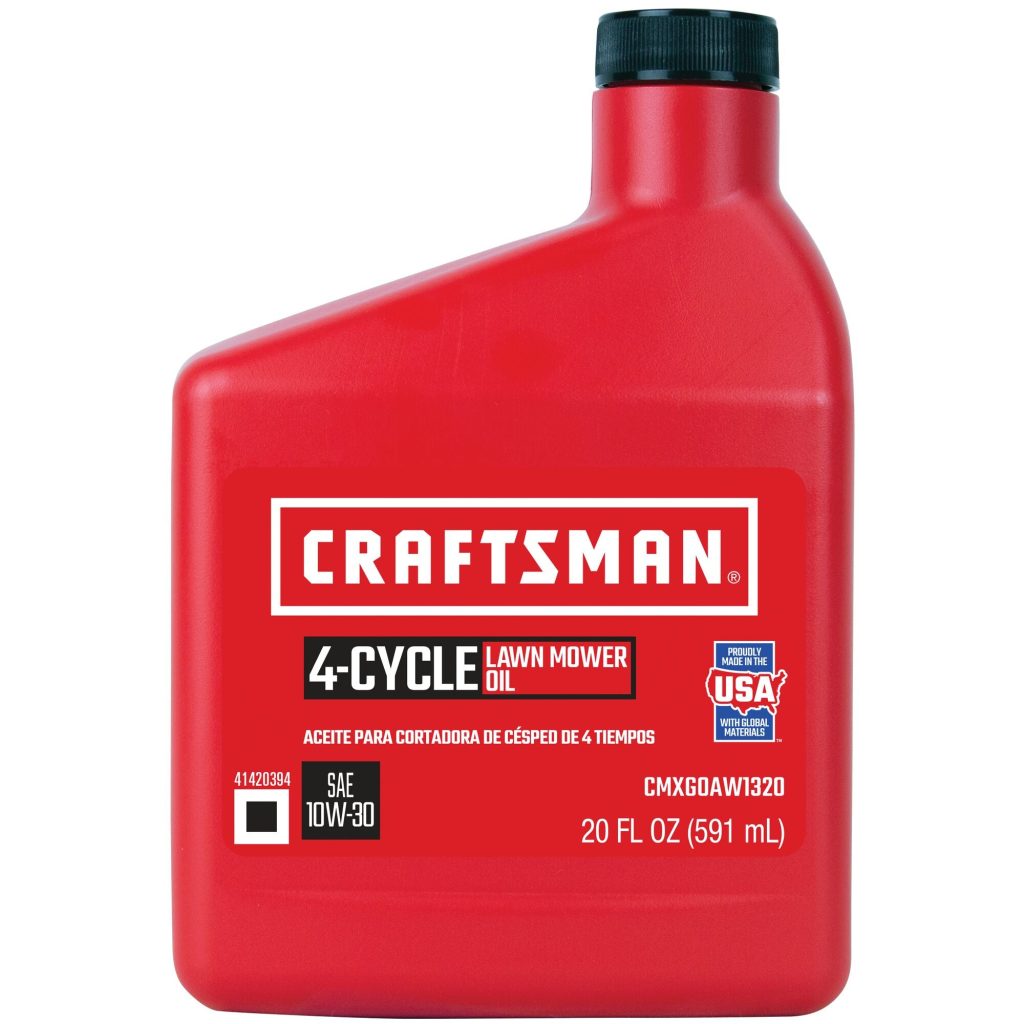
A lawn mower needs the right oil to run smoothly. For most mowers, SAE 30 oil is a common choice.
But, some models might require different oil types. Choosing the correct oil for your lawn mower is vital for its performance and longevity. Using the wrong oil can lead to engine damage and costly repairs. This blog post will guide you through the types of oil suitable for various lawn mower engines.
Whether you have a push mower or a riding mower, understanding oil requirements helps keep your machine in top shape. Let’s dive into the details and ensure your lawn mower runs efficiently for years to come.
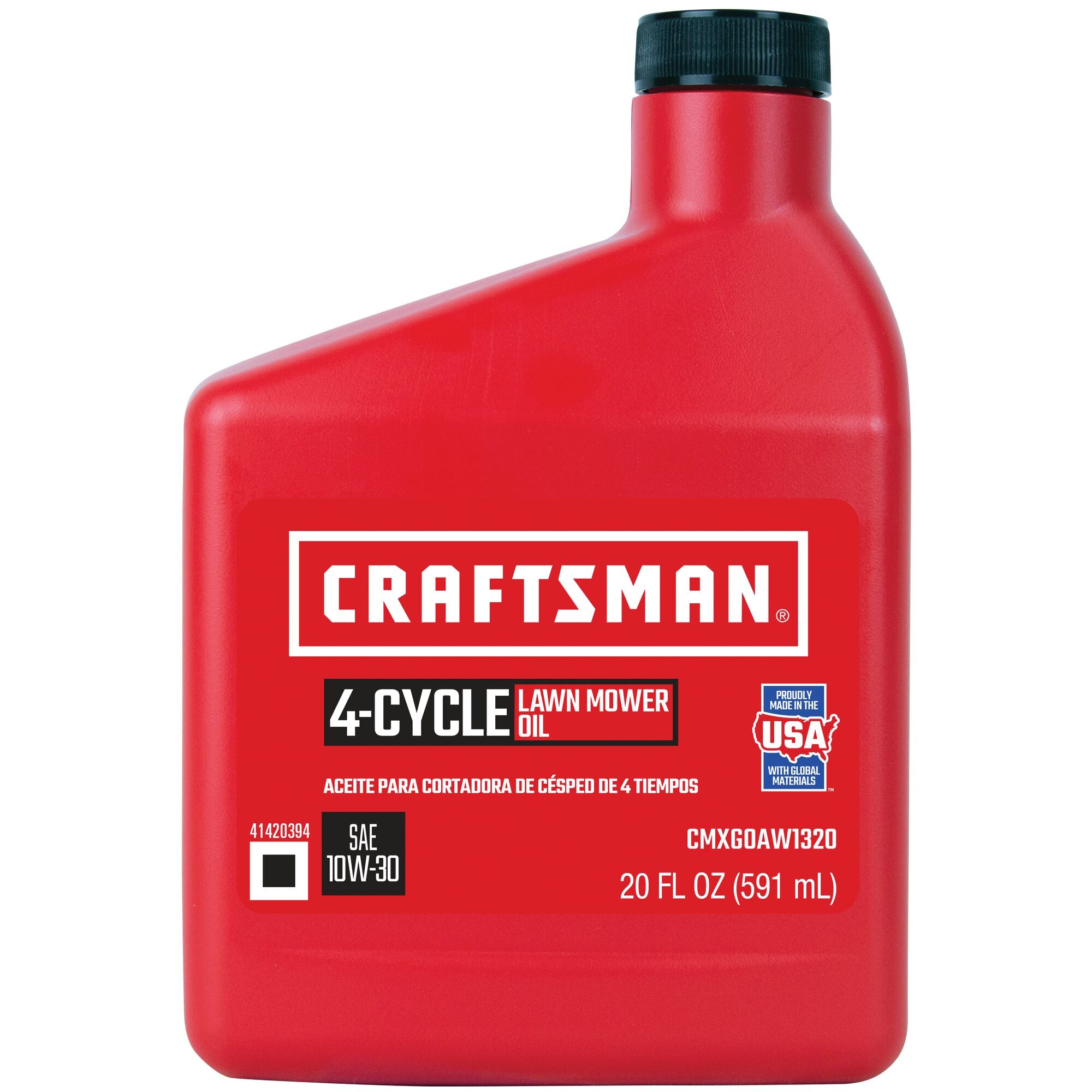
Introduction To Lawn Mower Oil
Lawn mowers are essential for maintaining a neat and tidy yard. To keep them running smoothly, using the right oil is crucial. This blog section will guide you through the importance of lawn mower oil and clear up some common misconceptions.
Importance Of Using The Right Oil
Using the right oil ensures your lawn mower runs efficiently. It reduces engine wear and prolongs the lifespan of your mower. The right oil helps in proper lubrication, preventing overheating and damage.
Different engines may require different types of oil. Always check your mower’s manual for specific recommendations. This ensures optimal performance and prevents costly repairs.
Common Misconceptions
Many people believe all oils are the same. This is not true. Each type of oil has specific properties suited for different engines.
Another misconception is that car oil can be used in lawn mowers. While some car oils may work, they are not always ideal. Lawn mowers often need oil designed for small engines.
Some think changing oil is unnecessary. Regular oil changes are vital for engine health. Old oil can lead to poor performance and engine damage.
Types Of Lawn Mower Engines
Choosing the right oil for your lawn mower starts with knowing its engine type. Lawn mowers usually have either a two-stroke engine or a four-stroke engine. Understanding the differences can help you maintain your mower better.
Two-stroke Engines
Two-stroke engines are simpler and lighter. They complete a power cycle in just two strokes of the piston. This makes them powerful and fast.
These engines typically require a mixture of oil and gasoline. This is because they have no separate oil reservoir. The oil lubricates the engine as it burns with the fuel.
Common Characteristics of Two-Stroke Engines:
- Lightweight and compact
- Higher power-to-weight ratio
- No separate oil reservoir
- Oil mixed with fuel
Four-stroke Engines
Four-stroke engines are more complex but more efficient. They complete a power cycle in four strokes of the piston. This makes them quieter and more fuel-efficient.
These engines have a separate oil reservoir. This means you do not mix the oil with the fuel. You add oil directly into the engine.
Common Characteristics of Four-Stroke Engines:
- More fuel-efficient
- Quieter operation
- Separate oil reservoir
- Longer lifespan
Choosing The Right Oil
Choosing the right oil for your lawn mower is crucial. It ensures smooth operation and extends the life of the engine. Understanding the differences between synthetic and conventional oil, and knowing the correct viscosity grade, will help you make an informed decision.
Synthetic Vs. Conventional Oil
Synthetic oil offers better performance. It protects the engine in extreme temperatures. It also reduces wear and tear. Conventional oil is less expensive. It is suitable for older engines and moderate climates. Here’s a quick comparison:
| Type | Performance | Cost |
|---|---|---|
| Synthetic Oil | High | More Expensive |
| Conventional Oil | Moderate | Less Expensive |
Viscosity Grades Explained
Viscosity refers to the oil’s thickness. It affects how well the oil flows at different temperatures. Lawn mowers typically use SAE 30 for warmer temperatures. For colder climates, use SAE 10W-30 or SAE 5W-30. Here’s what each grade means:
- SAE 30: Best for warm temperatures.
- SAE 10W-30: Good for varying temperatures.
- SAE 5W-30: Ideal for cold temperatures.
Always check your lawn mower’s manual. It will tell you the recommended oil type and grade. Using the right oil helps your lawn mower run smoothly and last longer.

Seasonal Oil Recommendations
Choosing the right oil for your lawn mower depends on the season. Use SAE 30 for warmer months. Switch to SAE 5W-30 or 10W-30 in colder weather.
Choosing the right oil for your lawn mower depends on the season. Oil viscosity changes with temperature. Using the correct oil ensures your mower runs smoothly. The oil you need in summer differs from what you need in winter.Summer Oil Choices
In summer, temperatures are high. Your mower works harder. Use SAE 30 oil. It is suitable for warm weather. It provides good lubrication. It helps your mower last longer. Check the oil level regularly. Refill as needed.Winter Oil Choices
Winter brings cold temperatures. Thicker oils struggle to flow. Use a thinner oil like SAE 5W-30. It works well in cold weather. It ensures easy starts. Your mower will run better. Always check the owner’s manual. It may have specific recommendations. “`How To Check Oil Levels
Maintaining the right oil level in your lawn mower is crucial. It ensures the engine runs smoothly and lasts longer. Checking the oil level regularly can prevent many problems. Let’s walk through the tools needed and steps to check oil levels correctly.
Tools Needed
- Clean rag
- Oil dipstick
- Flat surface
Step-by-step Guide
1. Place the mower on a flat surface. This ensures an accurate reading.
2. Turn off the engine and let it cool. Hot oil can give inaccurate readings.
3. Locate the oil dipstick. It is usually marked with a yellow ring or cap.
4. Pull out the dipstick and wipe it clean with a rag.
5. Insert the dipstick back into the oil tube. Push it all the way in.
6. Pull the dipstick out again. Check the oil level. It should be between the full and add marks.
7. If oil is low, add the recommended oil type. Pour slowly and recheck the level.
8. Wipe the dipstick and replace it in the tube. Make sure it is secure.
Regular checks keep your mower in top shape. It is a simple task that saves you from bigger issues.

Changing Lawn Mower Oil
Changing the oil in your lawn mower keeps it running smoothly. Regular oil changes ensure that the engine stays lubricated and avoids wear and tear. Let’s dive into how to do this easily and safely.
Preparation And Safety Tips
Before you begin, gather all necessary tools. You will need fresh oil, an oil pan, a funnel, and a wrench. Read the mower’s manual to know the correct oil type and quantity.
Ensure the mower is on a flat surface. Disconnect the spark plug for safety. This prevents the engine from starting accidentally. Wear gloves to protect your hands from oil spills and burns.
Oil Change Procedure
Start by warming up the engine for a few minutes. Warm oil drains faster and more completely. Turn off the mower and disconnect the spark plug again.
Place the oil pan under the mower. Locate the oil drain plug. Use the wrench to loosen and remove the plug. Let the old oil drain completely into the pan.
Once the oil has drained, replace the drain plug and tighten it securely. Use the funnel to add the new oil. Check the oil level with the dipstick. Add more oil if needed, but do not overfill.
Reconnect the spark plug. Run the mower for a few minutes to circulate the new oil. Check for any leaks around the drain plug.
Dispose of the old oil responsibly. Many auto parts stores accept used oil for recycling.
Signs Of Oil Problems
Maintaining your lawn mower’s oil is crucial. It ensures a smooth operation and extends its lifespan. Identifying oil problems early can save you from costly repairs. Here are some signs to watch for.
Common Symptoms
- Excessive Smoke: Blue or white smoke can indicate oil burning. It may suggest an overfilled oil tank or a damaged engine part.
- Knocking Noise: Unusual sounds from the engine may point to low oil levels. This can lead to severe engine damage if not addressed.
- Oil Leaks: Puddles of oil under your mower suggest a leak. Check for cracks or loose parts in the engine.
- Overheating: If your lawn mower heats up quickly, it may be due to insufficient oil. This can cause parts to wear out faster.
- Poor Performance: Reduced power or stalling can be a sign of oil issues. This affects the efficiency of your mowing tasks.
Troubleshooting Tips
- Check Oil Level: Always check the oil level before use. Ensure it is within the recommended range.
- Inspect for Leaks: Look for any visible oil leaks. Tighten loose parts and replace damaged components.
- Change Oil Regularly: Follow the manufacturer’s guidelines for oil changes. Fresh oil keeps the engine running smoothly.
- Use Correct Oil Type: Use the recommended oil for your lawn mower. This information is usually found in the user manual.
- Monitor Oil Quality: Check the oil’s color and consistency. Dark, gritty oil needs changing.
Maintaining the right oil level and quality in your lawn mower is essential. It ensures its longevity and performance.
Environmental Considerations
Choosing the right oil for your lawn mower is important. But environmental considerations play a big role too. Using the right oil helps keep our planet clean. Let’s dive into some key points.
Disposing Of Used Oil
Proper disposal of used oil is crucial. Used oil can harm the environment. It should never be poured down the drain or on the ground. Instead, follow these steps to dispose of it responsibly:
- Collect the used oil in a clean container.
- Label the container clearly as “Used Oil”.
- Take it to a recycling center or auto parts store.
Many local facilities accept used oil for recycling. This helps prevent pollution and keeps our water clean.
Eco-friendly Oil Options
Using eco-friendly oil options can make a big difference. There are oils that are better for the environment. Here are a few types:
- Biodegradable Oils: These oils break down naturally. They reduce harm to the environment.
- Synthetic Oils: These oils are often more efficient. They can last longer and reduce waste.
- Re-refined Oils: These are made from recycled oil. They help reduce the need for new oil production.
Choosing these oils can help you maintain your lawn mower and protect the planet.
Expert Tips And Advice
Choosing the right oil for your lawn mower is essential for its longevity and performance. Using the wrong type can lead to engine damage and expensive repairs. In this section, we will provide expert tips and advice on selecting the best oil for your lawn mower. We’ll also cover maintenance best practices and address common questions.
Maintenance Best Practices
Regular maintenance ensures your lawn mower runs smoothly and lasts longer. Follow these practices:
- Check the oil level before each use. Low oil can damage the engine.
- Change the oil after every 50 hours of use or once a season.
- Use a high-quality, detergent oil for your mower.
- Keep the oil clean by using a clean funnel and container.
- Dispose of old oil properly to protect the environment.
Faqs Answered
Here are some common questions about lawn mower oil:
| Question | Answer |
|---|---|
| What type of oil should I use? | Use SAE 30 for warm climates and 10W-30 for varying temperatures. |
| Can I use car oil in my lawn mower? | Yes, but ensure it is high-quality detergent oil. |
| How often should I change the oil? | Every 50 hours of use or once a season. |
| What happens if I use the wrong oil? | It can cause engine damage and reduce performance. |
Keep these tips in mind to extend the life of your lawn mower. Proper oil selection and maintenance are key to efficient operation.
Frequently Asked Questions
What Type Of Oil Does A Lawn Mower Need?
A lawn mower typically needs SAE 30 oil. This type is suitable for small engines, especially in warmer weather.
Can I Use Car Oil In My Lawn Mower?
Yes, you can use car oil in your lawn mower. Just ensure it is SAE 30 or 10W-30.
How Often Should I Change Lawn Mower Oil?
Change your lawn mower oil every 50 hours of use or annually. This ensures optimal performance.
Is Synthetic Oil Good For Lawn Mowers?
Yes, synthetic oil is good for lawn mowers. It provides better protection and improves engine performance.
Conclusion
Choosing the right oil for your lawn mower is essential. It ensures smooth operation and extends the mower’s life. Always check your mower’s manual for specific oil recommendations. Regular maintenance, including oil changes, keeps your mower running efficiently. Synthetic oils often work best in extreme temperatures.
Conventional oils are suitable for moderate climates. Remember, clean oil prevents engine wear and tear. Happy mowing!
