

Starting a lawn mower might seem tricky at first. But with the right steps, it’s easy.
Knowing how to turn on your lawn mower is essential for keeping your yard looking great. Whether you’re a first-time user or just need a refresher, understanding these steps can save you time and frustration. Lawn mowers come in various types, like gas-powered, electric, and manual.
Each type has its own starting method. In this guide, we’ll break down the steps for each type, helping you feel confident when you start your mower. By the end, you’ll know exactly what to do, no more guessing. Let’s get started with turning on that lawn mower!

Preparation
Before you start your lawn mower, make sure you are prepared. Proper preparation ensures safety and helps your mower run smoothly. Follow these simple steps to get started.
Safety Gear
Wearing the right safety gear is crucial. It protects you from potential hazards. Here is what you need:
- Gloves: Protect your hands from debris and sharp objects.
- Safety Glasses: Shield your eyes from flying particles.
- Ear Protection: Mowers can be loud. Protect your hearing.
- Sturdy Shoes: Wear closed-toe shoes to guard your feet.
Always wear these items before starting your mower. Safety first!
Lawn Inspection
Inspecting your lawn is an important step. It ensures a smooth mowing process. Here’s what to check:
- Debris: Remove sticks, rocks, and toys from the lawn. These can damage your mower.
- Wet Grass: Avoid mowing wet grass. It can clog your mower.
- Obstacles: Identify and mark any obstacles like tree roots or sprinkler heads. Avoid them while mowing.
A thorough inspection helps in preventing accidents and mower damage.

Check Fuel Levels
Ensuring your lawn mower has enough fuel is crucial. Before starting, always check the fuel levels. This will prevent unnecessary interruptions. Here’s how you can do it:
Gasoline Tank
The first step is to check the gasoline tank. Follow these steps:
- Locate the gasoline tank. It’s usually on the top or side.
- Remove the cap. Turn it counterclockwise.
- Look inside. Ensure the tank is at least half full.
- If low, refill with fresh gasoline. Use a funnel to avoid spills.
Using fresh gasoline is important. Old gasoline can clog the engine. Always store gasoline in a proper container. Keep it in a cool, dry place.
Oil Levels
Next, check the oil levels. This ensures smooth engine operation. Follow these steps:
- Find the oil fill cap. It’s often near the base of the engine.
- Unscrew the cap. Some caps have a dipstick attached.
- Wipe the dipstick clean. Then reinsert it fully and remove it again.
- Check the oil level. Ensure it’s between the “full” and “add” marks.
- If low, add oil. Use the type recommended by the manufacturer.
Too much or too little oil can damage the engine. Regularly check and change the oil. It keeps your lawn mower in good condition.
Inspect The Mower
Before starting your lawn mower, it’s essential to inspect it thoroughly. This step ensures the mower functions correctly and safely. A few minutes of checking can prevent potential problems and extend the mower’s life.
Blade Condition
First, inspect the blades. Sharp blades cut grass cleanly and reduce strain on the mower. Check for any nicks, dents, or rust. If the blades are damaged, they need sharpening or replacement. Here’s how to check the blade condition:
- Turn off the mower and disconnect the spark plug.
- Tip the mower on its side, ensuring the air filter is up.
- Examine the blade for damage and ensure it is secure.
Tire Pressure
Proper tire pressure ensures even cutting and makes the mower easier to push. Check the tire pressure regularly to maintain optimal performance. Follow these steps to inspect the tire pressure:
- Refer to the mower’s manual for the recommended tire pressure.
- Use a tire pressure gauge to measure the pressure.
- If needed, inflate or deflate the tires to the recommended level.
By maintaining the blade condition and tire pressure, you ensure your mower operates efficiently. These simple checks can save you time and improve your lawn’s appearance.
Set The Controls
Setting the controls properly is crucial for starting your lawn mower smoothly. Each mower may have slight variations, but the basic principles remain the same. Here’s a detailed guide on how to set the controls, focusing on Throttle Position and Choke Setting.
Throttle Position
The throttle controls the engine speed. Before starting, set the throttle to the right position. Follow these steps:
- Locate the throttle lever: It’s usually near the handle or on the engine.
- Set to full throttle: Push the lever to the highest speed setting. This ensures the engine gets enough fuel.
Setting the throttle to the highest speed helps the engine start quickly. It provides maximum power for initial ignition.
Choke Setting
The choke controls the air-fuel mixture. It’s crucial for cold starts. Use the choke properly by following these steps:
- Find the choke lever: Usually near the throttle or on the carburetor.
- Set to full choke: Push the lever to the “choke” position. This restricts airflow and enriches the fuel mixture.
- Start the engine: Pull the starter cord. Once the engine starts, gradually move the choke to the “run” position.
Using the choke helps the engine start in cold conditions. It provides a richer fuel mixture for easier ignition.
Remember to adjust the choke back to the “run” position after the engine warms up. This ensures smooth operation and prevents flooding.
Prime The Engine
Priming the engine is crucial for starting your lawn mower. This step ensures the engine receives the right amount of fuel. Without priming, your mower may not start or run smoothly. Let’s break down the priming process into simple steps.
Primer Bulb
Locate the primer bulb on your lawn mower. It is usually a small rubber button. Press the primer bulb three to five times. This action sends fuel into the engine. Make sure to press it firmly but gently. If your mower is new, check the manual for specific instructions.
Fuel Lines
Inspect the fuel lines connected to your engine. Ensure they are not cracked or leaking. Good fuel lines help maintain proper fuel flow. If you find any damage, replace the fuel lines before starting the mower. Clean fuel lines ensure smooth engine performance.
Starting The Mower
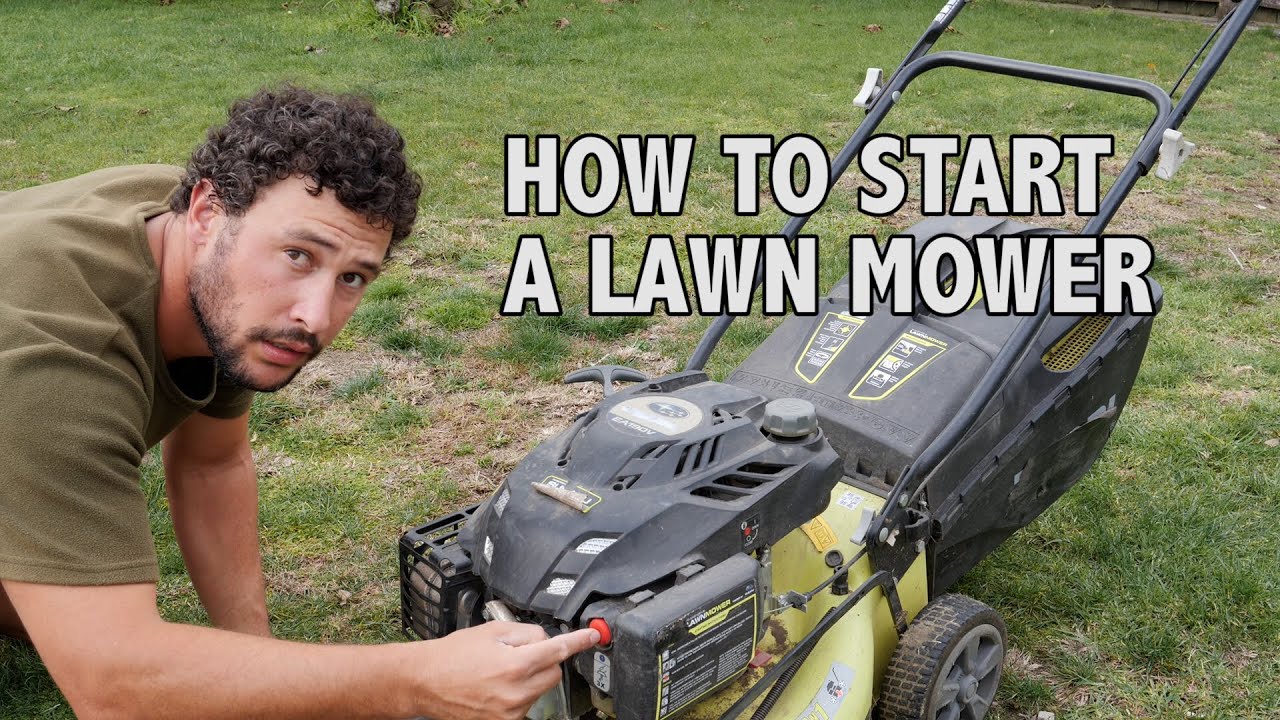
Starting the mower might seem tricky at first. But with the right steps, it becomes easy. Whether you have a pull cord or an electric start button, each method is simple. Let’s dive into how to start your lawn mower.
Pull Cord
First, ensure the mower has enough fuel. Check the oil level as well. Stand behind the mower and find the pull cord. Hold the handle firmly. Place one hand on the mower for balance. Pull the cord sharply and quickly. You may need to pull it a few times. Once the engine starts, release the cord slowly.
Electric Start Button
Ensure the battery is charged. Check the fuel and oil levels. Locate the start button on your mower. Press the button firmly. Hold it for a few seconds until the engine starts. Release the button once the engine is running. Enjoy your mowing!
Warm-up Period
Getting your lawn mower ready for action involves a crucial warm-up period. This step ensures that the engine runs smoothly and extends the life of your equipment. Let’s dive into the essential aspects of the warm-up period.
Engine Idle
Start the mower and let the engine idle for a few minutes. This allows the oil to circulate and lubricate the parts. Listen for any unusual noises. Ensure the engine runs steadily without sputtering.
Throttle Adjustment
Adjust the throttle to a medium setting. This helps the engine warm up properly. Avoid running the engine at full throttle immediately. Gradually increase the throttle as the engine warms up.
Troubleshooting
Even the best lawn mower can have issues starting. Understanding common problems and knowing basic maintenance can save you time. Here are some tips to help you troubleshoot your lawn mower.
Common Issues
One frequent issue is an empty fuel tank. Check the fuel level first. Another common problem is a dirty air filter. A clogged filter can prevent the engine from running. Inspect the spark plug as well. A worn-out spark plug can cause starting problems.
Sometimes, the mower’s carburetor may need cleaning. Dirt and debris can clog it. If the mower still doesn’t start, check the oil level. Low oil can cause the engine to shut down. Ensure all safety features are in place. Many mowers have safety switches that must be engaged.
Maintenance Tips
Regular maintenance keeps your lawn mower in good condition. Change the oil every season. Clean or replace the air filter. Keep the blades sharp and balanced. This improves cutting efficiency and reduces strain on the engine.
Check the spark plug yearly. Replace it if necessary. Clean the mower deck to prevent grass build-up. Store the mower in a dry place. Moisture can cause rust and damage. Use fresh fuel each season. Old fuel can degrade and cause issues.
Frequently Asked Questions
How Do You Start A Lawn Mower?
To start a lawn mower, first check the fuel and oil levels. Prime the engine if necessary. Pull the starter cord firmly while holding the handle.
Why Won’t My Lawn Mower Start?
Your lawn mower might not start due to an empty fuel tank, dirty air filter, or a faulty spark plug. Check these components and replace if necessary.
How Do You Prime A Lawn Mower?
To prime a lawn mower, press the primer bulb three to five times. This injects fuel into the carburetor, making it easier to start.
What Should I Do If The Lawn Mower Stalls?
If your lawn mower stalls, check the fuel levels, clean the air filter, and inspect the spark plug. These are common issues.
Conclusion
Starting a lawn mower doesn’t have to be complicated. Follow these simple steps. Ensure the mower has fuel and oil. Check the spark plug and air filter. Prime the engine if needed. Pull the starter cord firmly. Soon, you’ll be mowing your lawn with ease.
Regular maintenance keeps your mower running smoothly. Enjoy a well-kept lawn, and happy mowing!
