
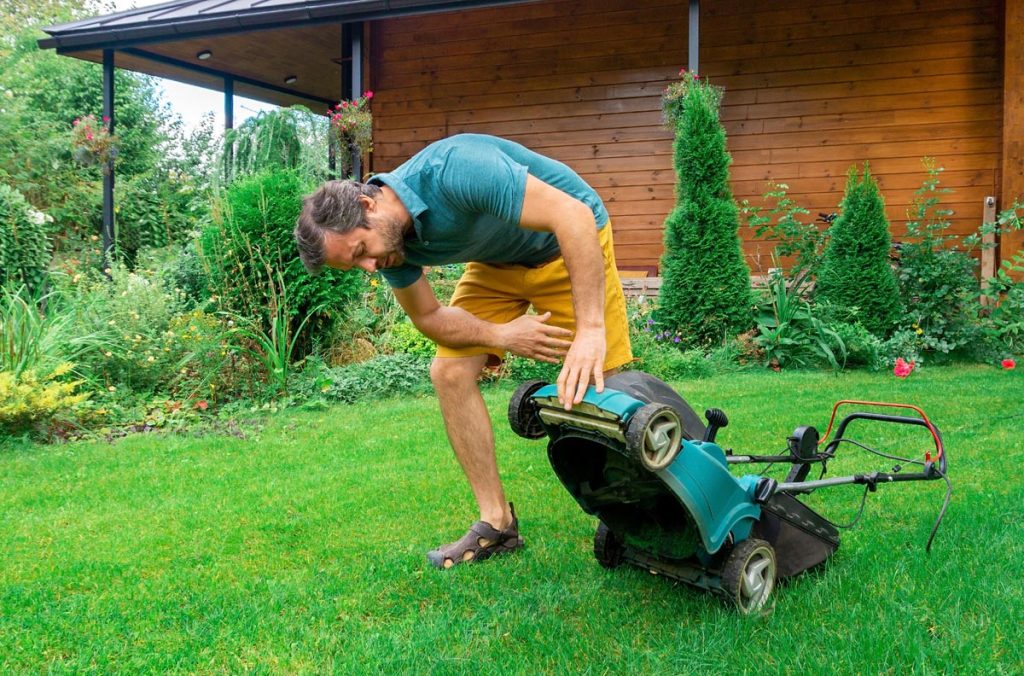
A lawn mower that keeps dying can be frustrating. It disrupts your yard work and wastes time.
Understanding why your lawn mower stops running is important. Many factors can cause this issue, from simple maintenance problems to more complex mechanical failures. Regular use and wear can lead to fuel issues, dirty air filters, or spark plug problems.
Sometimes, it might be as simple as old gas. Other times, it might be a more serious issue like engine trouble. In this blog, we will explore common reasons why lawn mowers keep dying. By identifying the cause, you can fix the problem and keep your lawn mower running smoothly. Let’s dive in and get your mower back on track.

Common Causes Of Lawn Mower Problems
Dealing with a lawn mower that keeps dying can be frustrating. Understanding the common causes can help you troubleshoot and fix the issue. Let’s explore some of the usual problems that might be causing your mower to stall.
Fuel Issues
Fuel problems are a leading cause of lawn mower troubles. Old or bad fuel can clog the carburetor. This stops the engine from running smoothly. Always use fresh fuel and store it properly. Check the fuel filter for blockages as well. A dirty filter can restrict fuel flow. Clean or replace it regularly to ensure smooth operation.
Spark Plug Troubles
Spark plugs are essential for starting the engine. A worn or dirty spark plug can prevent ignition. Inspect the spark plug for signs of wear. If the plug is dirty, clean it with a wire brush. Replace it if it’s damaged or too old. A well-maintained spark plug ensures your mower starts and runs efficiently.
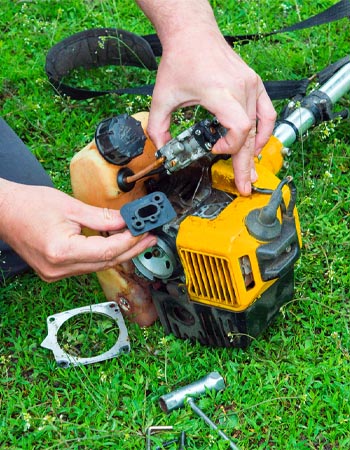
Fuel System Check
A well-functioning fuel system is crucial for your lawn mower’s performance. Issues with fuel can cause your mower to start and then die. Let’s explore two key areas: Old or Bad Fuel and Clogged Fuel Lines.
Old Or Bad Fuel
Using old or bad fuel can lead to engine problems. Fuel left in the tank for a long time degrades and loses its effectiveness. This can make the mower struggle to run. Always use fresh fuel for the best performance.
Here are some tips to avoid issues with old fuel:
- Empty the fuel tank if the mower will sit idle for a while.
- Use a fuel stabilizer to keep the fuel fresh.
- Check the fuel before each use.
Clogged Fuel Lines
Clogged fuel lines block the flow of fuel to the engine. This can cause the mower to die unexpectedly. Dirt and debris are common culprits for clogging. Regularly check and clean the fuel lines to ensure a smooth fuel flow.
Follow these steps to clean clogged fuel lines:
- Turn off the mower and disconnect the spark plug.
- Locate the fuel lines and remove them carefully.
- Use a thin wire or compressed air to clear any blockages.
- Reattach the fuel lines and check for leaks.
Keeping the fuel system clean and using fresh fuel can prevent many common lawn mower issues.
Air Filter Maintenance
One common reason your lawn mower keeps dying is a clogged air filter. Maintaining the air filter is crucial for the engine’s performance. A clean air filter allows the engine to breathe properly, ensuring it runs smoothly. Neglecting this simple task can lead to repeated breakdowns.
Dirty Air Filter
A dirty air filter can choke your lawn mower’s engine. Dirt and debris block the airflow, causing the engine to work harder. This leads to a decrease in power and efficiency. Signs of a dirty air filter include a sluggish engine, black smoke, or difficulty starting.
Here are some symptoms of a dirty air filter:
- Reduced engine power
- Increased fuel consumption
- Unusual engine noises
Regularly inspect the air filter to prevent these issues. Ensure it is clean and free from debris.
Replacing The Filter
If the air filter is too dirty, cleaning it might not be enough. Replacing the filter is often the best solution. Follow these simple steps to replace your lawn mower’s air filter:
- Turn off the lawn mower and disconnect the spark plug.
- Locate the air filter cover, usually on the side of the engine.
- Remove the cover to access the air filter.
- Take out the old filter and check for dirt and damage.
- Insert a new air filter in the same position.
- Secure the cover back in place.
Replacing the air filter regularly ensures optimal performance. It is a quick and easy task that can save you from major repairs.
Spark Plug Inspection
If your lawn mower keeps dying, a faulty spark plug might be the culprit. The spark plug ignites the fuel in the engine. If it fails, your mower won’t start or will die quickly. Inspecting the spark plug can save time and money. Follow the steps below to ensure your spark plug is in good condition.
Checking For Damage
First, locate the spark plug. It’s usually on the front or side of the engine. Remove it using a spark plug socket. Check for damage such as cracks, burns, or heavy deposits. A damaged spark plug will not function properly.
To inspect it, look for:
- Cracks in the porcelain insulator
- Burn marks on the electrode
- Excessive carbon build-up
Cleaning Or Replacing
If the spark plug shows minor carbon build-up, you can clean it. Use a wire brush to remove deposits. If it is heavily damaged, replace the spark plug. When installing a new spark plug, make sure it matches the mower’s specifications.
To clean the spark plug:
- Use a wire brush to scrub away carbon deposits.
- Ensure the electrode is clean and shiny.
- Check the gap and adjust if needed.
To replace the spark plug:
- Find a new spark plug that fits your mower.
- Screw it in by hand to avoid cross-threading.
- Tighten it with a socket wrench.
Battery And Electrical Issues
Is your lawn mower dying frequently? It can be frustrating. One common reason is Battery and Electrical Issues. Let’s dive into this topic and see what might be causing the problem.
Battery Life
The life of your lawn mower’s battery is crucial. A weak or old battery can cause your mower to die. Check the battery’s age. Batteries usually last around 3 to 5 years. If yours is older, it might be time for a replacement. Also, make sure the battery is fully charged before each use.
Loose Connections
Loose connections can also cause your lawn mower to die. Check all the electrical connections. Ensure they are tight and secure. Loose wires can interrupt the electrical flow. This can make your mower stop working. Use a wrench to tighten any loose connections you find.
Here’s a simple table to help you check for these issues:
| Issue | Solution |
|---|---|
| Battery Age | Replace if older than 5 years |
| Battery Charge | Fully charge before use |
| Loose Connections | Tighten all electrical connections |
By addressing these Battery and Electrical Issues, you can keep your lawn mower running smoothly. Always check the battery life and connections. A little maintenance goes a long way.
Carburetor Problems
Your lawn mower keeps dying, and it might be due to carburetor problems. The carburetor mixes air and fuel for the engine. If it gets dirty, the engine can’t run smoothly. Let’s dive into the signs and solutions for a dirty carburetor.
Signs Of A Dirty Carburetor
A dirty carburetor can show several signs. First, your lawn mower may start but then die quickly. This indicates the engine isn’t getting enough fuel. Another sign is black smoke from the exhaust. This happens when the carburetor isn’t mixing air and fuel correctly. You might also notice poor fuel efficiency. Your lawn mower might use more gas than usual. Lastly, a dirty carburetor can cause rough idling. The engine runs unevenly or stalls at low speed.
Cleaning The Carburetor
Cleaning the carburetor can solve these issues. Start by turning off the lawn mower. Remove the air filter cover to access the carburetor. Use a screwdriver to detach the carburetor. Be careful not to damage any parts. Next, use a carburetor cleaner spray. This will remove dirt and debris. Spray all parts of the carburetor thoroughly. Allow it to dry before reassembling. Reattach the carburetor and air filter cover. Finally, start the lawn mower to see if it runs smoothly. Regular cleaning can prevent future problems.
Blade And Deck Issues
Many lawn mowers face problems due to blade and deck issues. These problems often lead to the mower stopping frequently. Understanding the common blade and deck issues can help you fix them easily.
Bent Or Dull Blades
Bent or dull blades can cause your mower to stop. When blades are bent, they cannot cut grass efficiently. This leads to the engine working harder and eventually stopping.
Dull blades do not cut grass properly. Instead, they tear the grass, which puts more strain on the engine. This can cause the mower to die unexpectedly.
To fix these issues, check the blades regularly. Sharpen dull blades and replace bent ones. This ensures smooth operation and prevents the engine from overworking.
Deck Obstructions
Obstructions in the mower deck can also cause the mower to stop. Grass clippings, leaves, and debris can build up under the deck. This build-up blocks the blades from spinning freely.
To prevent deck obstructions, clean the deck after each use. Remove any grass clippings, leaves, or debris that may have accumulated. This keeps the deck clear and allows the blades to spin properly.
If you notice the mower stopping frequently, check for deck obstructions. Clear any blockages to ensure smooth operation.
| Issue | Solution |
|---|---|
| Bent Blades | Replace the blades |
| Dull Blades | Sharpen the blades |
| Deck Obstructions | Clean the deck regularly |
By addressing these blade and deck issues, you can keep your lawn mower running smoothly.

Regular Maintenance Tips
Having a lawn mower that keeps dying can be frustrating. Regular maintenance is key to keeping your lawn mower running smoothly. By following a few simple tips, you can ensure your mower stays in top shape, cutting your lawn efficiently every time.
Scheduled Servicing
Regular servicing is essential for maintaining your lawn mower. It helps identify potential issues before they become serious problems. A well-serviced mower runs more efficiently, saving you time and effort.
- Change the oil every 25-50 hours of use.
- Replace the air filter annually or more often if used heavily.
- Check spark plugs and replace them if they appear dirty or worn.
- Sharpen the blades at least once a season for a clean cut.
Keeping a regular servicing schedule ensures your mower stays in good condition and performs at its best.
Storage Best Practices
Proper storage of your lawn mower can extend its lifespan. After each use, clean the mower to remove grass clippings and debris. Store it in a dry, sheltered place to prevent rust and damage.
- Clean the mower deck to prevent buildup.
- Drain the fuel if storing for more than 30 days.
- Disconnect the battery to avoid drain and corrosion.
- Cover the mower to protect it from dust and moisture.
Following these storage tips can keep your lawn mower in great shape, ready for the next mowing season.
| Maintenance Task | Frequency |
|---|---|
| Change Oil | Every 25-50 hours |
| Replace Air Filter | Annually |
| Check Spark Plugs | Annually |
| Sharpen Blades | Once a season |
Frequently Asked Questions
Why Does My Lawn Mower Keep Shutting Off?
Your lawn mower could be shutting off due to fuel issues, a dirty air filter, or spark plug problems. Regular maintenance and cleaning can help. Check for blockages and ensure fuel is fresh.
How To Fix A Lawn Mower That Keeps Dying?
To fix a lawn mower that keeps dying, clean the air filter, replace the spark plug, and use fresh fuel. Regular maintenance can prevent issues. Check for any blockages in the fuel line or carburetor.
Can A Dirty Air Filter Cause My Lawn Mower To Die?
Yes, a dirty air filter can restrict airflow, causing your lawn mower to die. Clean or replace it regularly. This ensures proper air intake and prevents engine problems.
What Fuel Should I Use In My Lawn Mower?
Use fresh, unleaded gasoline with an octane rating of 87 or higher in your lawn mower. Avoid using ethanol-blended fuels. Regularly check the fuel for any contamination and replace it if necessary.
Conclusion
A well-maintained lawn mower lasts longer. Regular checks prevent unexpected breakdowns. Clean the air filter often. Ensure the spark plug works properly. Check fuel levels and quality. Sharpen the blade regularly. Follow these tips for a reliable lawn mower. No more frustrations with a dying mower.
Enjoy a perfectly trimmed lawn every time. Happy mowing!
