

Taking off a lawn mower blade might seem daunting. But it’s quite simple.
Maintaining your lawn mower’s blade is crucial for a healthy lawn. Over time, blades can dull or get damaged. Removing the blade allows for sharpening or replacement. This process ensures a clean cut every time you mow. A well-maintained blade not only extends the life of your mower but also promotes a lush, green lawn.
In this guide, you’ll learn the steps to safely and efficiently remove your lawn mower blade. With the right tools and a bit of patience, you’ll have your mower ready for action in no time. Let’s dive in and get started!

Tools Needed
Taking off a lawn mower blade requires the right tools. Having the right tools ensures safety and efficiency. This guide covers both essential and optional tools.
Essential Tools
To remove a lawn mower blade, you need several essential tools. First, a socket wrench set is a must-have. It helps in loosening the blade bolt. A pair of work gloves protects your hands. Always wear gloves to avoid cuts and injuries. A sturdy block of wood is also necessary. It helps in securing the blade while you work.
A blade removal tool can make the process easier. It holds the blade in place. You can also use a torque wrench. It ensures the correct tightness when reattaching the blade.
Optional Tools
Some optional tools can make the job smoother. A blade sharpening tool is useful. It helps maintain the blade’s sharpness. A blade balancer ensures the blade is balanced. This prevents vibrations during mowing.
A penetrating oil like WD-40 can help. It loosens rusty or tight bolts. Having a tool organizer keeps everything in place. It helps you work efficiently without searching for tools.
Preparation
Preparation is key to safely and efficiently taking off a lawn mower blade. Ensuring that you have everything in place before beginning the process can save time and prevent accidents. Here are the essential steps to prepare for removing a lawn mower blade.
Disconnecting The Spark Plug
Before you start, always disconnect the spark plug. This step is crucial to avoid accidental starts. Here’s how you can do it:
- Locate the spark plug wire.
- Firmly grip the spark plug boot (the rubber part).
- Pull the boot off the spark plug.
Make sure the spark plug wire is far from the plug to prevent any accidental ignition.
Draining The Fuel
Next, you need to drain the fuel from the mower. This prevents leaks and spills while you work on the blade. Follow these steps:
- Place a fuel-safe container next to the mower.
- Use a siphon pump to transfer the fuel from the tank to the container.
- Alternatively, you can run the mower until the fuel is exhausted.
Ensure all fuel is removed to avoid hazards. After draining, you are ready to proceed with the blade removal.
Positioning The Mower
Before taking off a lawn mower blade, it’s crucial to position the mower correctly. Proper positioning ensures safety and ease of access. Follow these steps to get started.
Tilting The Mower Safely
To tilt the mower safely, follow these steps:
- Turn off the mower and disconnect the spark plug.
- Ensure the fuel tank is empty to avoid spills.
- Use a sturdy support to tilt the mower. A block of wood works well.
Always tilt the mower so the air filter faces up. This prevents oil from leaking into the filter.
Securing The Mower
Once tilted, secure the mower to prevent it from moving:
- Place a block or wedge under the mower deck.
- Check that the mower is stable and won’t tip over.
Securing the mower ensures it stays in place while you work on the blade.
Now, you’re ready to move on to removing the blade.
Removing The Blade
Removing the blade from your lawn mower is a crucial task. It ensures the mower performs efficiently. Follow these steps to safely and effectively remove the blade.
Loosening The Blade Bolt
First, locate the blade bolt. It is usually at the center of the blade. You will need a wrench to loosen this bolt. Ensure the wrench fits snugly.
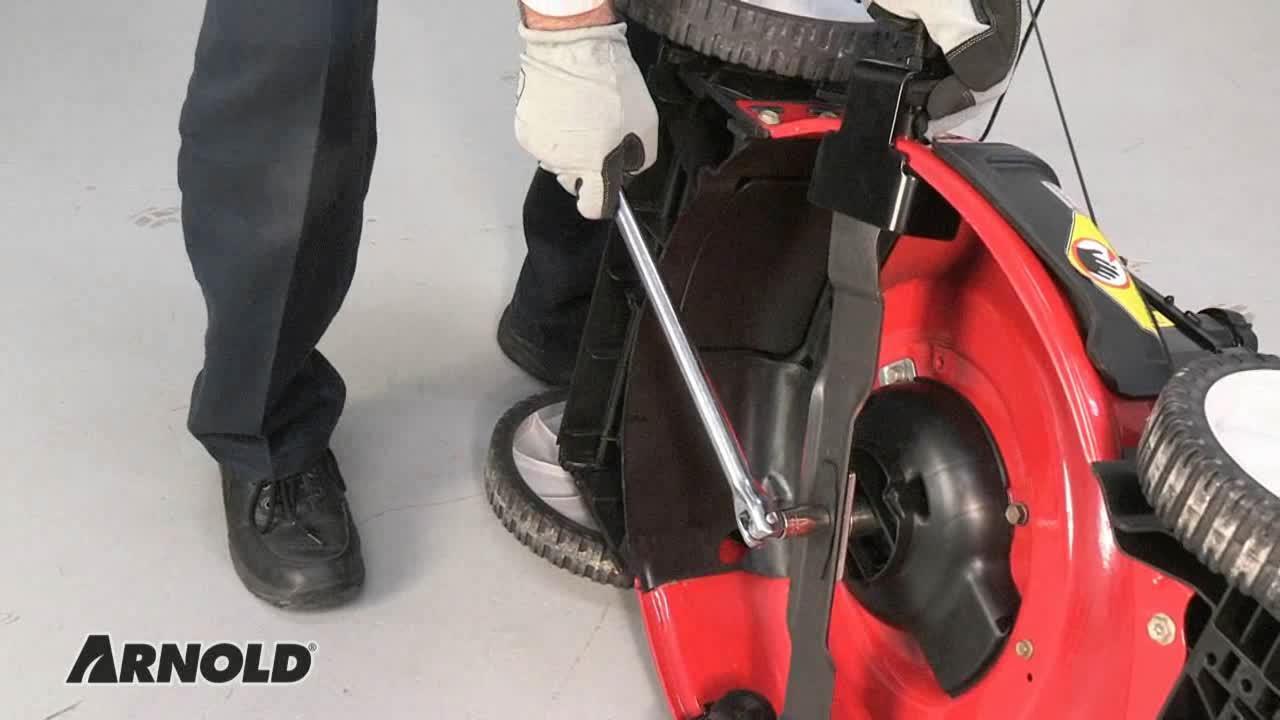
Next, place a wooden block between the blade and the mower deck. This will prevent the blade from moving. Hold the blade firmly with one hand. With the other hand, turn the wrench counterclockwise to loosen the bolt. Apply steady pressure to avoid stripping the bolt.
Sometimes, the bolt may be very tight. If so, use a penetrating oil. Spray it on the bolt and wait a few minutes. This should make it easier to loosen.
Detaching The Blade
Once the bolt is loose, remove it completely. Set it aside safely. Now, you can detach the blade from the mower.
Carefully pull the blade away from the mower deck. Hold it firmly to avoid any accidental drops. Inspect the blade for any damage or wear.
If the blade is difficult to remove, check for any additional securing mechanisms. Some mowers have extra brackets or clips. Remove these before pulling out the blade.
Once detached, clean the blade and the mower deck. This ensures a proper fit when reattaching.
Inspecting The Blade
Inspecting the blade is crucial for lawn mower maintenance. Ensure safety by disconnecting the spark plug first. Secure the mower and use a wrench to remove the blade bolt.
Before removing the lawn mower blade, inspect it carefully. This step ensures that you know the blade’s condition and what action to take next. A thorough inspection helps in deciding whether to sharpen or replace the blade.Checking For Damage
Examine the blade for any cracks, bends, or chips. Damaged blades can cause uneven cutting and harm your lawn. Use a flashlight to check every inch. If the blade has major damage, it may need replacement.Deciding To Sharpen Or Replace
Evaluate the blade’s sharpness. A dull blade tears grass instead of cutting it cleanly. If the blade is only dull but not damaged, sharpening can restore its efficiency. If the blade is severely worn or damaged, replacing it is a better option. “`
Reinstalling The Blade
Once you have successfully removed the lawn mower blade for sharpening or replacement, it’s time to reinstall it. Reinstalling the blade correctly is crucial for your mower’s performance and safety. Follow these steps to ensure the blade is reattached properly.
Aligning The Blade
Start by aligning the blade with the blade adapter on the mower. Ensure the cutting edges are facing the correct direction. The blade should fit snugly into the adapter.
Make sure the blade is positioned flat and even. This will prevent any wobbling or uneven cutting. Double-check the alignment before proceeding to the next step.
Tightening The Blade Bolt
Place the blade bolt through the center hole of the blade. Use a wrench to tighten the bolt securely. Ensure the bolt is not over-tightened, as this can cause damage.
Refer to the mower’s manual for the recommended torque specification. This ensures the blade is tightened correctly and safely. Use a torque wrench if possible for accurate tightening.
After tightening, check the blade’s stability. It should be firm and not move. Reattach any protective covers or guards removed during the process.
By following these steps, you can reinstall your lawn mower blade with confidence. Proper blade installation ensures a smooth and efficient mowing experience.
Final Steps
You’ve successfully removed and sharpened your lawn mower blade. Now, it’s time to put everything back together. These final steps will ensure your mower is ready for action. Follow these carefully to avoid any mishaps and ensure safety.
Reconnecting The Spark Plug
First, locate the spark plug wire that you disconnected earlier. This is usually near the front of the mower.
Grasp the wire’s boot firmly and push it back onto the spark plug. Ensure it is securely attached. A loose connection can prevent the mower from starting.
Check that the spark plug boot is fully seated. It should snap into place. This step is crucial for your mower’s ignition system.
Testing The Mower
With the spark plug reconnected, it’s time to test the mower. Move your mower to a flat, open area.
Ensure there are no obstructions around. This is important for safety.
- Prime the engine if your mower requires it.
- Pull the starter cord or turn the key.
The mower should start smoothly. If it doesn’t, check the spark plug connection again.
Once started, let the mower run for a few minutes. This ensures everything is functioning properly.
Observe the blade’s movement. It should be smooth and even. Any unusual noises or vibrations may indicate an issue.
Finally, turn off the mower and inspect the blade one last time. Make sure it’s tight and secure.
Maintenance Tips
Regular maintenance ensures your lawn mower runs smoothly. Proper care extends its life and saves you money.
Regular Inspection
Inspect your lawn mower blade frequently. Look for signs of wear and tear. A dull or damaged blade can harm your grass.
Check for:
- Nicks and cracks
- Bent or warped areas
- Rust spots
Replace or sharpen the blade if you see any of these issues. A sharp blade cuts grass cleanly, promoting healthy growth.
Proper Storage
Store your lawn mower properly during off-seasons. Clean the blade and dry it completely before storage. This prevents rust and damage.
Follow these steps for proper storage:
- Remove the blade carefully.
- Clean it with a wire brush or cloth.
- Apply a light coat of oil to prevent rust.
- Store in a dry place, away from moisture.
Proper storage keeps your lawn mower blade in good condition, ready for the next mowing season.
| Maintenance Task | Frequency |
|---|---|
| Inspect blade | Before each use |
| Clean blade | After each use |
| Sharpen blade | Every 20-25 hours of mowing |
| Store properly | End of mowing season |
Frequently Asked Questions
How Do I Safely Remove A Lawn Mower Blade?
First, disconnect the spark plug to prevent accidental starts. Then, use a wrench to loosen the blade bolt. Hold the blade steady while unscrewing.
What Tools Are Needed To Remove A Lawn Mower Blade?
You’ll need a wrench or socket set, gloves for safety, and a wooden block to stabilize the blade.
How Often Should I Replace A Lawn Mower Blade?
Replace your lawn mower blade every one to two years, or whenever it becomes dull or damaged.
Can I Sharpen A Lawn Mower Blade Instead Of Replacing It?
Yes, you can sharpen your lawn mower blade with a file or grinder. Ensure it’s balanced after sharpening.
Conclusion
Removing a lawn mower blade can seem challenging, but it’s doable. Follow safety steps closely. Gather the right tools. Refer to your mower’s manual. Loosen the blade bolt carefully. Clean and inspect the blade. Replace it if needed. Make sure the blade is secure when reattaching.
Regular maintenance keeps your lawn mower running smoothly. Keep your hands and feet safe. Enjoy a well-trimmed lawn with confidence.
