
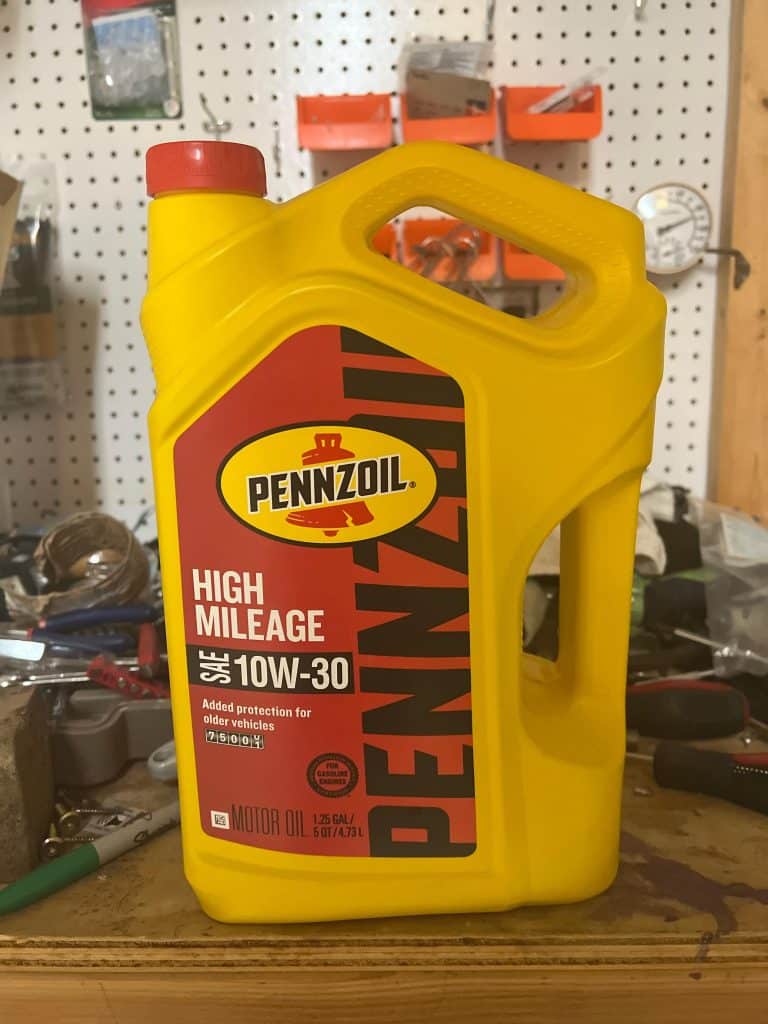
Choosing the right oil for your lawn mower is crucial. The wrong oil can damage your engine.
Lawn mowers need specific oil to run smoothly and last longer. This might seem like a small detail, but it’s very important. The type of oil you use affects your mower’s performance and lifespan. With so many options available, it can get confusing.
Don’t worry, though. We’ll guide you through the process. Understanding which oil to use will make your mowing easier and keep your machine in top shape. Let’s dive into the details and ensure your lawn mower runs perfectly.
Choosing The Right Oil
Selecting the proper oil for your lawn mower is crucial for its performance and longevity. The right oil ensures smooth operation and protects the engine from wear and tear. Let’s explore the factors that influence this decision.
Types Of Lawn Mower Engines
There are two primary types of lawn mower engines: two-stroke and four-stroke. Each type requires a specific oil.
| Engine Type | Oil Type |
|---|---|
| Two-Stroke | Two-Stroke Oil |
| Four-Stroke | SAE 30 or 10W-30 |
Two-stroke engines mix oil with gasoline. Four-stroke engines use oil separately. Always check your mower’s manual for the recommended oil type.
Importance Of Oil Viscosity
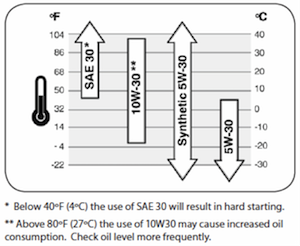
Oil viscosity refers to the thickness of the oil. It is crucial for engine performance. The most common viscosities for lawn mowers are SAE 30 and 10W-30.
- SAE 30: Ideal for warmer climates.
- 10W-30: Suitable for varying temperatures.
Using the correct viscosity ensures the engine runs smoothly in different conditions.
To sum up, choosing the right oil depends on the engine type and oil viscosity. Always refer to your mower’s manual for specific recommendations.
Types Of Lawn Mower Oil
Choosing the right oil for your lawn mower is crucial. The type of oil you use affects your mower’s performance and longevity. Let’s explore the different types of lawn mower oil available.
Conventional Oil
Conventional oil is the most common type. It’s derived from crude oil. This oil is affordable and easy to find. It works well in older mowers and those with simple engines. Change it regularly to keep your mower running smoothly.
Synthetic Oil
Synthetic oil is man-made. It offers superior protection and performance. This oil is ideal for high-performance mowers. Synthetic oil withstands extreme temperatures better than conventional oil. It also lasts longer, reducing the frequency of oil changes.
Synthetic Blend Oil
Synthetic blend oil combines conventional and synthetic oils. It offers a balance of protection and cost. This oil is suitable for a wide range of mowers. It provides better wear protection than conventional oil. Synthetic blend oil is a good choice for those seeking performance and value.
Oil Grades And Their Uses
Choosing the right oil for your lawn mower can make a big difference. Different oil grades work best in different temperatures and conditions. Knowing which oil to use can help your lawn mower run smoothly. Let’s explore some common oil grades.
Sae 30
SAE 30 is a common choice for small engines. It works well in warmer temperatures. This oil is ideal for summer use. It provides good lubrication and helps keep the engine cool. SAE 30 is simple and reliable.
10w-30
10W-30 is versatile. It works in a wide range of temperatures. This oil is good for both warm and cold weather. It provides excellent protection. 10W-30 helps with easy starts and smooth operation. It is a great all-season option.
5w-30
5W-30 is best for cold weather. It flows easily at low temperatures. This oil helps your engine start quickly in winter. It also provides good protection. 5W-30 can be used year-round in colder climates. It is a good choice for winter maintenance.
Factors Influencing Oil Choice
Choosing the right oil for your lawn mower is crucial. It ensures smooth operation and longevity. Several factors play a role in deciding which oil is best suited for your mower. Understanding these factors will help you make an informed decision.
Climate Conditions
The climate where you use your lawn mower affects the oil choice. Different temperatures require different oil viscosities for optimal performance.
For colder climates, consider using SAE 5W-30 oil. It provides excellent cold-start protection. In warmer climates, SAE 30 oil is a good option. It offers better performance in high temperatures.
| Climate | Recommended Oil |
|---|---|
| Cold (Below 32°F) | SAE 5W-30 |
| Moderate (32°F – 77°F) | SAE 10W-30 |
| Hot (Above 77°F) | SAE 30 |
Mower Usage Frequency
The frequency of mower use also influences oil choice. Regular maintenance is essential for frequent use.
- Frequent Users: Use synthetic oil. It offers better protection and longer intervals between oil changes.
- Occasional Users: Conventional oil is suitable. It is cost-effective and provides necessary protection.
Regular oil checks and changes are important. They ensure the mower’s engine stays in good condition.
How To Check Oil Levels
Knowing how to check the oil levels in your lawn mower is essential. It ensures your machine runs smoothly and lasts longer. Proper oil levels prevent engine damage and keep your lawn mower performing at its best.
Tools Needed
- Clean rag or paper towel
- Flat surface
- Oil dipstick
- Flashlight (optional)
Step-by-step Guide
- Park the mower: Ensure your lawn mower is on a flat surface. This helps in getting an accurate oil level reading.
- Turn off the engine: Allow the mower to cool down. Hot engines can give false readings.
- Locate the dipstick: Find the oil dipstick. It is usually near the engine or under the hood.
- Remove the dipstick: Pull out the dipstick and wipe it clean with a rag or paper towel.
- Reinsert the dipstick: Insert it back fully into its tube. Then pull it out again to check the oil level.
- Read the oil level: Look at the dipstick to see where the oil reaches. There are usually markings for ‘Full’ and ‘Add’.
- Add oil if needed: If the oil level is low, add the recommended oil type. Pour it slowly and recheck the level.
Always use the correct type of oil for your lawn mower. Check your owner’s manual for recommendations. Keeping the oil at the right level helps your lawn mower run efficiently and last longer.

Changing Your Lawn Mower Oil
Regularly changing your lawn mower oil is essential for its longevity. Clean oil ensures the engine runs smoothly. It also helps prevent wear and tear. Understanding when and how to change the oil can save you costly repairs.
When To Change Oil
Change your lawn mower oil after 50 hours of use. If you use it less frequently, change the oil once every season. Check the oil level before each use. Replace the oil if it looks dark or dirty. Fresh oil will keep your lawn mower running efficiently.
Detailed Procedure
Start by gathering the tools you need. You will need a wrench, a drain pan, and the correct oil. Warm up the mower for a few minutes. This helps the oil flow out easily.
Turn off the engine and disconnect the spark plug. This ensures safety while you work. Place the drain pan under the oil drain plug. Use the wrench to remove the plug. Let the old oil drain completely into the pan.
Replace the drain plug securely. Remove the dipstick and fill the engine with new oil. Use a funnel to avoid spills. Check the oil level with the dipstick. Add oil until you reach the full mark.
Reconnect the spark plug and start the engine. Let it run for a minute. Turn it off and check for any leaks. Dispose of the old oil properly. Your lawn mower is now ready for use.
Common Oil Problems And Solutions
Keeping your lawn mower in top shape involves using the right oil. However, oil problems can arise, causing issues with your mower’s performance. Understanding these common oil problems and their solutions can help keep your lawn mower running smoothly.
Oil Leaks
Oil leaks are a frequent issue with lawn mowers. Leaks can occur due to loose or damaged seals. Check the oil cap and seals regularly. Tighten them if they are loose. Replace damaged seals promptly to prevent leaks.
Engine Smoking
Engine smoking is a concerning problem. It often indicates oil burning inside the engine. Overfilling the oil or using the wrong type can cause this. Check the oil level and type. Drain excess oil if overfilled. Use the recommended oil type for your mower.
Poor Performance
Poor performance can stem from oil-related issues. Using old or dirty oil can affect the engine’s efficiency. Regularly check and change the oil. Use fresh, clean oil to ensure optimal performance. Follow the manufacturer’s guidelines for oil changes.

Maintenance Tips For Lawn Mower
Maintaining your lawn mower is essential for its longevity and performance. Regular maintenance ensures your mower runs smoothly and cuts grass efficiently. Here are some crucial maintenance tips.
Regular Oil Checks
Regular oil checks are vital. Low or dirty oil can damage the engine. To check the oil:
- Ensure the mower is on a flat surface.
- Remove the dipstick and wipe it clean.
- Reinsert the dipstick fully, then remove it to check the oil level.
Use the recommended oil type, usually SAE 30 for warmer climates or SAE 10W-30 for varying temperatures. Keep the oil level between the full and add marks on the dipstick.
Proper Storage
Proper storage extends the life of your lawn mower. Store the mower in a dry, sheltered area. Follow these steps for proper storage:
- Clean the mower deck to remove grass clippings and debris.
- Drain the fuel tank or add a fuel stabilizer.
- Remove the battery (if applicable) and store it separately.
- Cover the mower to protect it from dust and moisture.
These steps prevent rust and keep the mower in good condition.
Annual Servicing
Annual servicing is crucial for a well-maintained lawn mower. Schedule a professional service or perform it yourself. Here are key tasks:
| Task | Description |
|---|---|
| Change Oil | Replace old oil with fresh, clean oil. |
| Replace Spark Plug | Install a new spark plug for better ignition. |
| Clean Air Filter | Replace or clean the air filter to ensure proper airflow. |
| Sharpen Blades | Sharpen or replace blades for a clean cut. |
These tasks improve the mower’s efficiency and extend its lifespan.
Frequently Asked Questions
What Type Of Oil For A Lawn Mower?
Most lawn mowers use SAE 30 oil. However, check your manual. Some may require 10W-30 or synthetic oil.
Can I Use Car Oil In My Lawn Mower?
Yes, you can use car oil. Ensure it matches the required viscosity, like SAE 30 or 10W-30.
How Often Should I Change Lawn Mower Oil?
Change your lawn mower oil every 25-50 hours of use. Always check your manual for specific recommendations.
What Happens If I Use The Wrong Oil?
Using the wrong oil can cause engine damage. It may lead to poor performance or even engine failure.
Conclusion
Selecting the right oil ensures your lawn mower runs smoothly. Regular checks and maintenance extend its life. Always refer to your mower’s manual for specific oil recommendations. Using the correct oil improves performance and reduces repairs. Keep your mower in top shape by choosing the right oil.
Happy mowing!
