

Replacing a lawn mower blade is essential for maintaining a healthy lawn. Sharp blades cut grass cleanly, promoting better growth.
Replacing a lawn mower blade might seem daunting, but it’s quite straightforward. With the right tools and a bit of patience, you can do it yourself. Regularly changing the blade ensures your mower works efficiently. Plus, it keeps your lawn looking neat and well-maintained.
In this guide, we will walk you through each step of the process. We aim to make it simple and stress-free. So, let’s get started on giving your lawn mower the blade upgrade it needs!

Safety Precautions
Replacing a lawn mower blade is a simple task. But it can be dangerous if you do not follow safety precautions. Ensuring your safety is crucial before you start the task.
Wearing Protective Gear
Always wear protective gear when replacing a lawn mower blade. This includes:
- Gloves: Protects your hands from sharp edges.
- Safety glasses: Shields your eyes from debris.
- Sturdy shoes: Prevents foot injuries.
Wearing the right gear reduces the risk of injury.
Disconnecting The Spark Plug
Before you start, always disconnect the spark plug. This prevents accidental starts. Follow these steps:
- Locate the spark plug wire.
- Pull the wire away from the plug.
- Ensure the wire is not touching the plug.
This simple step ensures your lawn mower will not start while you work.
Tools And Materials
Replacing a lawn mower blade is a simple task if you have the right tools and materials. This section will guide you through the essential tools needed and how to select the right blade for your mower. Ensuring you are prepared will make the process smooth and safe.
Essential Tools
Having the correct tools on hand is crucial. Below is a list of the essential tools you will need:
- Socket Wrench Set: To remove the blade bolt.
- Blade Holder: Keeps the blade from moving while you work.
- Safety Gloves: Protects your hands from sharp edges.
- Goggles: Shields your eyes from debris.
- Work Bench: Provides a stable surface for blade replacement.
Ensure all tools are in good condition. This ensures safety and efficiency.
Selecting The Right Blade
Choosing the right blade is essential for optimal performance. Here are some tips for selecting the right blade:
- Check the Manual: Your mower’s manual will specify the correct blade type.
- Measure the Blade: Measure the length and hole size of the old blade.
- Consider the Grass Type: Different blades are designed for different grass types.
- Brand Compatibility: Use blades that are compatible with your mower brand.
Using the correct blade ensures a clean cut and extends the life of your mower.
Preparing The Mower
Before replacing your lawn mower blade, it’s essential to prepare the mower. Proper preparation ensures safety and efficiency. Follow these steps to get your mower ready.
Cleaning The Mower Deck
First, clean the mower deck. A clean deck prevents debris from getting in the way.
- Disconnect the spark plug for safety.
- Use a hose to remove grass and dirt from the deck.
- Scrape off any stubborn debris with a putty knife.
Make sure the deck is completely dry before proceeding. Wet surfaces can be slippery and dangerous.
Positioning The Mower
Next, position the mower correctly. This step is crucial for easy access to the blade.
- Place the mower on a flat surface to avoid tipping.
- Use a sturdy block to lift one side of the mower.
- Ensure the mower is stable before you start.
For added safety, wear protective gloves to guard against sharp edges.
By cleaning and positioning the mower, you set the stage for a smooth blade replacement process.
Removing The Old Blade
Removing the old blade from your lawn mower is crucial for a smooth replacement process. This task requires careful handling and the right tools. Below, we break down the steps to remove the old blade safely and effectively.
Loosening The Blade Bolt
First, ensure your lawn mower is off and the spark plug is disconnected. This prevents accidental starts. Tilt the mower on its side to access the blade. Use a block of wood to prevent the blade from moving. Securely place a socket wrench on the blade bolt. Turn the wrench counterclockwise to loosen the bolt. If the bolt is tight, apply penetrating oil. Wait a few minutes, then try again. Patience is key here.
Handling The Old Blade
After loosening the bolt, carefully remove it. Hold the blade firmly as you take it off. Blades can be sharp, so wear gloves for safety. Inspect the blade for any signs of damage. This helps identify problems that may have affected your mowing. Dispose of the old blade properly. Now, you’re ready to install the new blade.
Installing The New Blade
Remove the old blade by loosening the bolt with a wrench. Attach the new blade securely, ensuring it’s tightly fastened.
Replacing a lawn mower blade can seem hard, but it’s simple. Once the old blade is off, you need to install the new one. This step is crucial for a smooth and clean cut. Let’s break it down into two easy steps: aligning the blade and securing the blade bolt.Aligning The Blade
First, ensure the mower is stable. Place the new blade on the spindle. Make sure the blade’s center hole fits snugly. Check that the blade’s cutting edges face the right direction. The sharp edges should point away from the mower deck. This positioning is key for effective cutting.Securing The Blade Bolt
Next, grab the blade bolt. Insert it through the blade’s center hole into the spindle. Use a wrench to tighten the bolt. Turn the wrench clockwise to secure it firmly. Do not overtighten, as this can damage the blade. The blade should be tight but able to spin freely. Double-check the bolt to ensure it’s secure. “`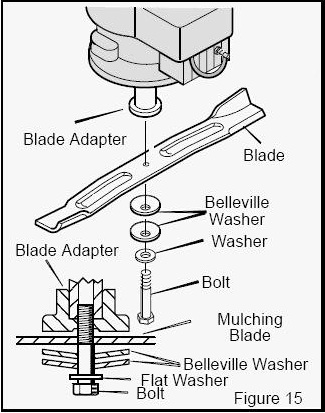
Final Checks
Replacing a lawn mower blade is crucial for maintaining a healthy lawn. After installing the new blade, final checks ensure everything is in order. Completing these checks guarantees safe and effective mower operation.
Testing Blade Balance
Blade balance is important. An unbalanced blade can cause vibrations and damage. To test, place the blade on a balance tool. Ensure it sits evenly. If one side dips, it’s unbalanced. Sharpen the heavier side until balanced.
Reconnecting The Spark Plug
Reconnect the spark plug to restore power. Locate the spark plug wire. Attach it securely to the spark plug. Check for a snug fit to avoid disconnections during use. This step is crucial for safe operation.
Maintenance Tips
Maintaining your lawn mower ensures it runs smoothly and lasts longer. A key part of this is taking care of the blade. Below are some essential tips to keep your mower in good shape.
Regular Blade Sharpening
Sharp blades cut grass evenly, which is better for your lawn. Dull blades tear the grass, causing brown tips and disease. Sharpen your blade after every 20-25 hours of use.
To sharpen the blade:
- Remove the blade carefully.
- Use a file or grinder to sharpen the edge.
- Ensure the blade is balanced before reinstalling.
Always wear safety gloves and goggles during this process.
Storing The Mower
Proper storage is crucial to avoid rust and damage. Clean the mower thoroughly before storing it.
Follow these steps for safe storage:
- Remove any grass clippings from the deck.
- Drain the fuel tank to prevent clogs.
- Store in a dry, sheltered place.
A well-maintained mower is ready to use when needed. These simple steps save you time and money in the long run.

Frequently Asked Questions
How Do I Know If My Lawn Mower Blade Is Dull?
A dull blade leaves your lawn with uneven cuts. If you notice ragged, brown tips on the grass, it’s time to replace the blade.
How Often Should I Replace My Lawn Mower Blade?
Replace your lawn mower blade annually. If you mow more frequently or have a large yard, consider replacing it more often.
What Tools Do I Need To Replace A Lawn Mower Blade?
You will need a wrench, a pair of work gloves, and a replacement blade. Always consult your mower’s manual for specific instructions.
Can I Sharpen My Lawn Mower Blade Instead Of Replacing It?
Yes, you can sharpen your lawn mower blade. However, if it’s damaged or heavily worn, it’s better to replace it for optimal performance.
Conclusion
Replacing a lawn mower blade is straightforward with the right steps. Safety first; always disconnect the spark plug. Use proper tools to remove the old blade. Install the new blade securely, ensuring it is tight. Regularly check and maintain your mower for best performance.
Remember, a sharp blade keeps your lawn healthy. Follow these easy steps, and your lawn mower will work efficiently. Keep your lawn looking its best with a well-maintained mower.
