
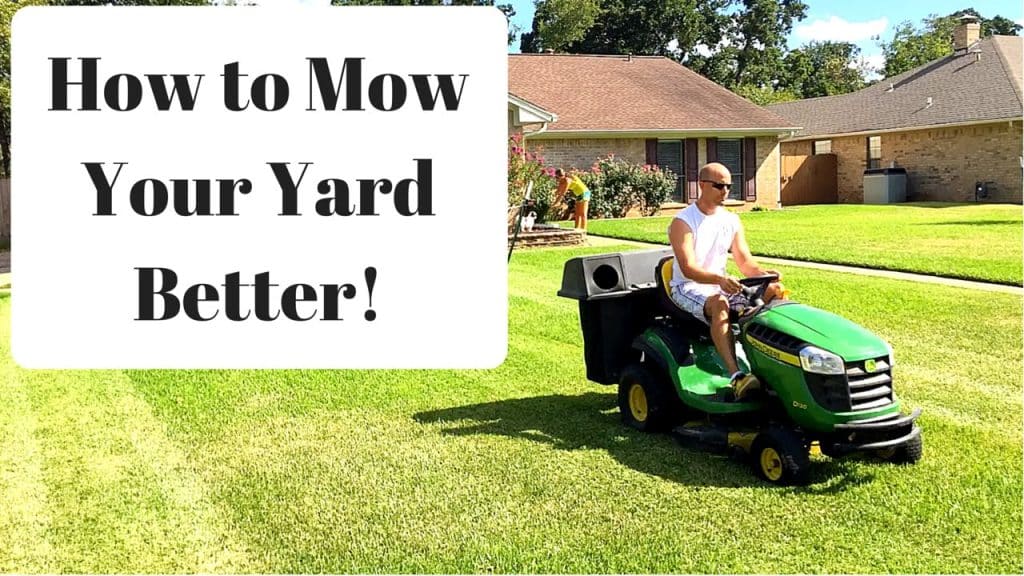
Mowing a lawn with a riding mower saves time and energy. It’s an efficient way to keep your yard looking great.
Maintaining a well-kept lawn can be a challenging task, especially if you have a large area to cover. Riding mowers are a fantastic solution for this. They offer comfort, efficiency, and speed. But how do you use one properly? In this guide, we’ll walk you through the steps to mow your lawn with a riding mower.
Whether you’re a first-time user or looking to improve your technique, these tips will help you achieve a perfectly manicured lawn with ease. Ready to transform your mowing routine? Let’s get started!
Choosing The Right Riding Mower
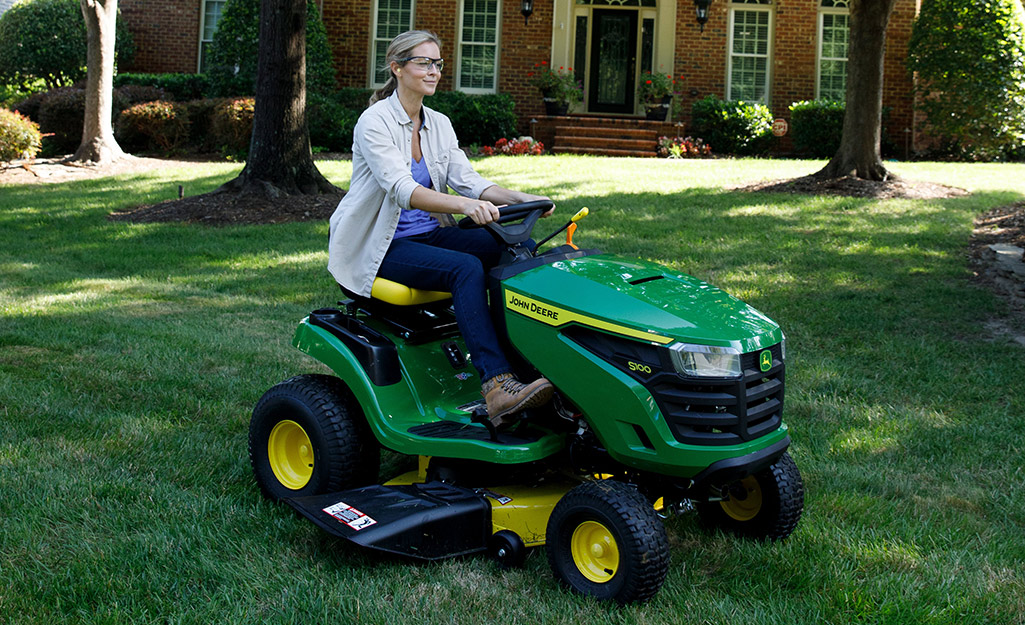
Picking the right riding mower can make lawn care easy. The right choice depends on your yard size and terrain. Let’s explore the types of riding mowers and how to choose the right size.
Types Of Riding Mowers
There are several types of riding mowers, each suited for different needs:
- Rear Engine Riding Mowers: These mowers are compact and easy to maneuver. Ideal for small to medium yards.
- Tractor Mowers: Tractor mowers are powerful and versatile. Best for large yards with various terrains.
- Zero-Turn Mowers: Zero-turn mowers offer excellent speed and agility. Perfect for yards with many obstacles.
Selecting The Right Size
Choosing the correct size is crucial for efficiency and comfort. Here’s a simple guide:
| Yard Size | Recommended Mower Size |
|---|---|
| Up to 1/2 acre | 30-42 inches deck |
| 1/2 to 2 acres | 42-50 inches deck |
| More than 2 acres | 50+ inches deck |
Consider the size of your yard and any obstacles. A larger deck covers more ground but may be hard to navigate in tight spaces.
Preparing Your Lawn
Before you start mowing with your riding mower, it’s crucial to prepare your lawn. This preparation will ensure a smooth and effective mowing process. Taking the time to clear debris and mark obstacles will make your mowing experience safer and more efficient.
Clearing Debris
Clearing debris is the first step in preparing your lawn. Inspect your lawn for any objects that could damage your mower or cause accidents. Remove sticks, rocks, and other items. It’s especially important to check for hidden debris that can be hard to see.
- Walk your entire lawn
- Look for branches and rocks
- Pick up any trash or toys
By ensuring your lawn is free of debris, you protect your mower and yourself from potential harm. You also ensure a smoother and more even cut.
Marking Obstacles
Identifying and marking obstacles in your lawn is the next vital step. This helps you avoid hitting them while mowing, which can damage your mower and disrupt your mowing pattern. Use flags or markers to highlight obstacles.
- Identify large rocks or tree stumps
- Mark sprinkler heads or garden beds
- Use bright flags or stakes
Marking these obstacles allows you to navigate around them safely. It also helps maintain the health and beauty of your lawn. This proactive step saves time and prevents damage to your mower.
Safety Precautions
Using a riding mower can save time and effort. However, safety should always be your top priority. Before you start mowing, it’s important to understand the necessary safety precautions. These measures can help prevent accidents and keep you safe while mowing your lawn.
Wearing Protective Gear
Always wear proper protective gear. Start with sturdy shoes. They protect your feet from flying debris. Avoid loose clothing. It can get caught in the mower’s moving parts. Wear gloves to protect your hands. Safety glasses shield your eyes from dust and debris. Consider ear protection. Riding mowers can be loud and damage your hearing over time.
Checking The Mower
Inspect your mower before each use. Check the oil level. A well-lubricated engine runs smoothly. Examine the tires for proper inflation. Flat tires can affect the mower’s balance. Look at the blades. Sharp blades cut grass efficiently. Dull blades can tear the grass. Ensure all safety features are working. This includes the brake and the blade control system.
Remove any debris from the mower deck. Grass clippings can clog the mower and cause issues. Make sure the fuel tank is full. Running out of fuel in the middle of mowing can be frustrating. By checking your mower, you ensure it operates safely and efficiently.
Starting The Mower
Starting a riding mower can seem daunting. With the right steps, it becomes straightforward. Let’s dive into the essentials of starting your mower.
Fueling Up
First, ensure the mower has enough fuel. Use fresh gasoline. Old fuel can cause issues. Check the fuel tank. Fill it up if it’s low. Always use the right fuel type for your mower.
Starting Procedures
Begin by sitting on the mower seat. Make sure the parking brake is engaged. Insert the key into the ignition slot. Turn the key to start the engine. If the engine doesn’t start, check the choke. Adjust it as needed. Once the engine starts, let it run for a minute. This warms up the engine.
Mowing Techniques
Mowing a lawn with a riding mower can be efficient and enjoyable. Using the right techniques ensures a neat, healthy lawn. Here are some effective mowing techniques to consider.
Mowing Patterns
A good mowing pattern can make a big difference. It helps in even grass cutting and prevents rut formation. Here are some popular mowing patterns:
- Striping: Create parallel lines by mowing in straight paths. Alternate directions with each pass.
- Checkerboard: Mow the lawn in perpendicular lines to create a checkerboard effect.
- Diagonal: Mow diagonally across the lawn. This can help reduce stress on the grass.
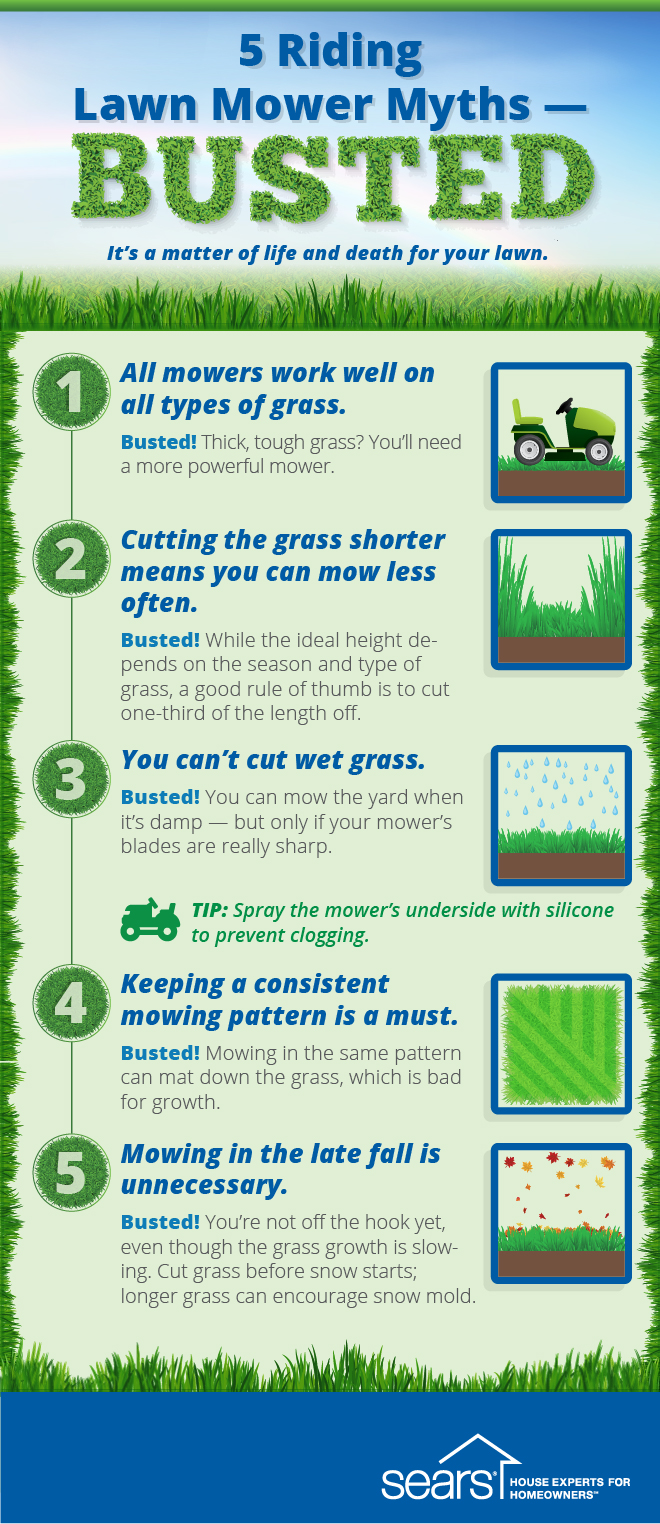
Changing your mowing pattern each time you mow helps avoid soil compaction. It also keeps your lawn looking fresh and appealing.
Handling Slopes
Mowing slopes requires special care. Safety and proper technique are crucial. Follow these tips when mowing slopes:
- Go Up and Down: Always mow up and down the slope, not across it. This reduces the risk of the mower tipping over.
- Slow and Steady: Operate the mower at a slow speed. This gives you better control and stability.
- Check for Obstacles: Remove any debris or obstacles from the slope before mowing.
- Use Brakes: Use the mower’s brakes carefully to control speed and movement on slopes.
These techniques ensure a safe and effective mowing experience, even on challenging terrains. Remember, safety first! Always follow the manufacturer’s guidelines.

Maintaining The Mower
Maintaining your riding mower is essential for its longevity and performance. Regular maintenance ensures your mower runs smoothly and efficiently. Here are some key steps to keep your mower in top shape.
Cleaning The Deck
The deck collects grass clippings, dirt, and debris. This buildup can affect your mower’s performance. Clean the deck after every use. Use a hose to wash away clippings and dirt. For stubborn debris, use a brush or scraper. Keeping the deck clean prevents rust and corrosion.
Sharpening Blades
Sharp blades are crucial for a clean cut. Dull blades tear the grass, causing damage. Sharpen the blades at least twice a season. Remove the blades carefully using a wrench. Use a file or sharpening tool to sharpen the edges evenly. Reattach the blades securely before using the mower again. Always wear gloves for safety.
Troubleshooting Common Issues
Mowing your lawn with a riding mower can be efficient and fun. But, sometimes, you might face common issues. These problems can disrupt your mowing process and lead to frustration. In this section, we will discuss how to troubleshoot these common issues effectively.
Engine Problems
One of the most frequent issues is engine trouble. If your riding mower’s engine won’t start, check the fuel level first. Ensure there is enough gas in the tank. Sometimes, the fuel might be old or contaminated. Drain the old fuel and refill with fresh gasoline.
Check the spark plug for any signs of wear or damage. A dirty or faulty spark plug can prevent the engine from starting. Clean or replace the spark plug if necessary.
Another common issue is a dirty air filter. The air filter can get clogged with dirt and debris, restricting airflow to the engine. Clean or replace the air filter to ensure smooth engine operation.
Battery problems can also cause engine issues. Ensure the battery terminals are clean and secure. Charge or replace the battery if it is dead or weak.
Uneven Cutting
Uneven cutting is another common problem. It can make your lawn look untidy. To fix this, check the mower blades first. Dull or damaged blades can cause uneven cuts. Sharpen or replace the blades if needed.
Next, check the tire pressure. Uneven tire pressure can cause the mower deck to tilt. This will result in an uneven cut. Inflate the tires to the recommended pressure level.
Level the mower deck to ensure an even cut. Use a wrench to adjust the deck height. Make sure both sides are at the same level.
If the grass is too tall or wet, it can cause uneven cutting. Mow your lawn when the grass is dry and not too long. This will help achieve a cleaner, more even cut.
Storing The Mower
Proper storage of your riding mower ensures its longevity and performance. Taking a few extra steps after each use can save you time and money in the long run. Properly storing your mower also keeps it safe from the elements and ready for the next mowing session.
Cleaning After Use
Always clean your mower after each use. Grass clippings and debris can accumulate under the deck and around the blades. Use a hose to wash away dirt and grass. Make sure to dry it thoroughly to prevent rust. Inspect the blades and other parts for damage or wear.
Proper Storage
Store your riding mower in a dry and sheltered place. A garage or shed works best. If you don’t have indoor storage, use a weatherproof cover. Keep the mower on a flat surface to prevent fuel leaks. Disconnect the battery if you plan to store it for an extended period.
Frequently Asked Questions
How Do You Start A Riding Mower?
To start a riding mower, ensure it’s on a flat surface. Insert the key, set the throttle, and turn the key.
How Often Should You Mow Your Lawn?
Mow your lawn once a week during the growing season. Adjust based on grass type and growth rate.
What Height Should I Set My Mower Deck?
Set your mower deck height to around 2. 5 to 3 inches. This promotes healthy grass growth.
How Do You Maintain A Riding Mower?
Regularly check oil, air filter, and tire pressure. Clean the deck after each use. Follow the manual.
Conclusion
Mowing a lawn with a riding mower can be easy and fun. Follow the right steps to get a neat and healthy lawn. Remember to check the mower, plan your path, and go slow. Practice makes perfect. Soon, you will have a beautiful yard without much effort.
Keep your mower in good shape for the best results. Enjoy your well-maintained lawn and the time saved with a riding mower. Happy mowing!
