

Changing a lawn mower blade might seem tough. But it’s quite simple.
A sharp blade keeps your lawn looking neat and healthy. Over time, mower blades get dull and worn out. This affects the mower’s performance and the appearance of your lawn. Knowing how to change a lawn mower blade can save you time and money.
It ensures your mower works efficiently. You don’t need to be a mechanic to do this. With a few tools and some safety tips, you can change the blade yourself. This guide will walk you through the process step-by-step. Ready to get your lawn mower back in shape? Let’s dive in!
Tools And Materials Needed
Changing a lawn mower blade doesn’t require many tools or materials. But having the right items can make the job easier and safer. Here’s what you’ll need.
Essential Tools
- Socket Wrench Set: To remove the blade nut or bolt.
- Gloves: To protect your hands from sharp edges.
- Blade Holder or Clamp: To keep the blade in place while you work.
- Safety Glasses: To shield your eyes from debris.
- Torque Wrench: To ensure the blade is tightened to the correct specification.
Recommended Materials
- Replacement Blade: Make sure it’s the right size for your mower.
- Rust Penetrant: To loosen any rusted bolts.
- Cleaning Brush: To remove grass and debris from the blade area.
- Lubricant: To keep the bolts from rusting in the future.
Preparation Steps
Changing a lawn mower blade is essential for keeping your lawn looking sharp. Before you begin, proper preparation is key. Following these steps ensures safety and efficiency.
Disconnecting The Spark Plug
Safety first. Always disconnect the spark plug before you touch the blade. This prevents accidental starting. Follow these simple steps:
- Locate the spark plug wire. It is usually on the front or side of the engine.
- Firmly grasp the wire cap and pull it off the spark plug.
- Move the wire away to avoid any contact with the plug.
Now, your lawn mower is safe to handle. No power means no accidental starts.
Positioning The Mower
Positioning your mower correctly is crucial. Follow these steps:
- Place your mower on a flat surface. This prevents it from tipping over.
- Use a block of wood or a jack to lift one side of the mower.
- Ensure stability by securing the lifted side.
Tip: Position the mower so the carburetor side is up. This avoids fuel leaks.
You are now ready to access and change the blade. Proper positioning makes the process easier and safer.
Removing The Old Blade
Changing a lawn mower blade is a key maintenance task. It ensures your mower cuts grass efficiently. This section focuses on removing the old blade. Follow these steps for a smooth process.
Securing The Blade
Before removing the blade, ensure safety. Disconnect the spark plug to prevent accidental start. Flip the mower on its side with the air filter facing up. This keeps oil and fuel from spilling.
Use a piece of wood to secure the blade. Wedge it between the blade and the mower deck. This prevents the blade from moving while you work. Make sure the wood is firm and stable.
Loosening The Blade Bolt
Use a wrench or socket to loosen the blade bolt. Turn the bolt counterclockwise to remove it. If the bolt is too tight, apply a penetrating oil. Wait a few minutes, then try again.
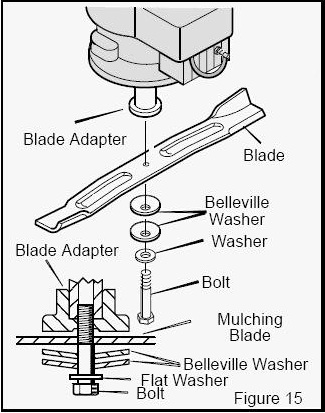
Once the bolt is loose, remove it carefully. Keep the bolt and washers in a safe place. They will be needed for the new blade. Now, you can easily take off the old blade.
Installing The New Blade
After removing the old blade, it’s time to install the new one. This step is crucial for the performance of your lawn mower. Follow these steps to ensure everything fits perfectly and works efficiently.
Aligning The Blade
First, check the new blade for any damage. Look for cracks or bends. Place the blade on the spindle. Ensure the blade’s holes align with the spindle holes. The cutting edges should face the ground. This is essential for proper cutting.
Tightening The Blade Bolt
Once aligned, insert the blade bolt. Use your hand to thread it first. This prevents cross-threading. Next, use a wrench to tighten the bolt. Hold the blade with a thick cloth or wear gloves. This ensures safety and prevents cuts. Tighten the bolt firmly. But don’t overtighten. Overtightening can damage the spindle. Check the blade’s tightness by wiggling it. It should be secure without any movement.
Finishing Up
After installing the new lawn mower blade, the finishing steps are crucial. These steps ensure the mower operates efficiently and safely. Let’s dive into the final tasks to complete the blade change process.
Checking Blade Balance
Before reassembling the mower, check the blade balance. An unbalanced blade can cause vibrations and damage the mower.
- Place the blade on a balancer or a nail driven into the wall.
- If one side dips lower, it’s heavier and needs correction.
- File the heavier side until the blade remains level.
Balanced blades ensure smooth operation and extend the mower’s lifespan.
Reconnecting The Spark Plug
The final step is reconnecting the spark plug. This step is essential for the mower to start.
- Locate the spark plug wire, usually near the engine.
- Firmly push the wire back onto the spark plug.
- Ensure the connection is tight and secure.
With the spark plug reconnected, your mower is ready for action. Always double-check all connections before starting the mower.

Maintenance Tips
Maintaining your lawn mower is crucial for its longevity and efficiency. Proper maintenance ensures your mower runs smoothly and safely. Here are some vital tips to keep your lawn mower in top shape.
Regular Inspection
Regularly check the blade for wear and damage. Look for nicks, bends, or dull edges. A damaged blade can harm your lawn and your mower. Inspect the blade after every use. This helps catch any issues early.
Keep an eye on the bolts. Loose bolts can cause the blade to wobble. This affects the cut quality and can be dangerous. Tighten any loose bolts immediately. Use a wrench to ensure they are secure.
Proper Storage
Store your mower in a dry, clean place. Moisture can cause rust and damage. A shed or garage works well. If you don’t have indoor storage, use a waterproof cover.
Keep the blade dry and clean. Wipe it after each use to remove grass and dirt. This prevents rust and keeps the blade sharp longer. Use a brush for stubborn dirt.
Remove the blade during winter storage. This prevents accidental injuries and keeps the blade in good condition. Store the blade in a safe, dry place. Label it to avoid confusion later.
Troubleshooting Common Issues
Changing a lawn mower blade can be tricky. Ensure safety by disconnecting the spark plug. Use a wrench to remove the old blade and install the new one securely.
Changing a lawn mower blade can sometimes lead to new problems. Understanding these issues helps you fix them quickly. Two common problems are blade vibration and poor cutting performance.
Blade Vibration
Blade vibration is a common issue after changing the blade. This can happen if the blade is not balanced. An unbalanced blade can cause the mower to shake. This not only affects performance but also can damage the mower. To check for balance, remove the blade and use a blade balancer. Adjust if needed by grinding off small amounts from the heavier side.
Cutting Performance
Poor cutting performance often means the blade is dull or damaged. Ensure the blade is sharp and free from nicks. A sharp blade cuts grass cleanly, giving your lawn a neat look. If the grass looks torn or uneven, the blade might need sharpening. Also, check if the blade is installed correctly. An upside-down blade will not cut properly. Always follow the manufacturer’s instructions for blade installation.
“`
Frequently Asked Questions
How To Safely Remove A Lawn Mower Blade?
To safely remove a lawn mower blade, first disconnect the spark plug. Then, tilt the mower and use a wrench to loosen the bolt securing the blade. Always wear gloves for protection.
What Tools Are Needed To Change A Lawn Mower Blade?
To change a lawn mower blade, you will need a wrench, a socket set, and gloves. These tools help safely remove and replace the blade.
How Often Should Lawn Mower Blades Be Changed?
Lawn mower blades should typically be changed every season or after 25 hours of use. Dull blades can damage your lawn.
Can I Sharpen A Lawn Mower Blade Myself?
Yes, you can sharpen a lawn mower blade yourself. Use a file or a bench grinder to sharpen it. Always balance the blade before reattaching.
Conclusion
Changing a lawn mower blade is simple with the right steps. Safety first. Remember to disconnect the spark plug. Gather your tools and follow the instructions. A sharp blade means a healthier lawn. Regular maintenance saves time and effort. Now, you can enjoy a well-manicured yard.
Happy mowing!
