
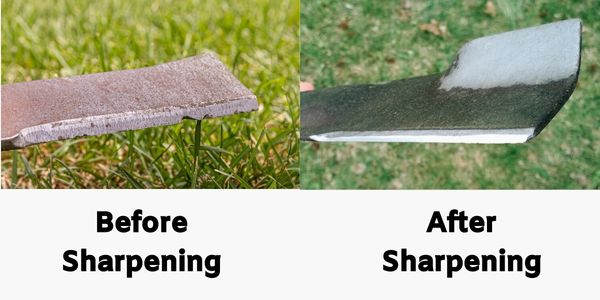
Sharpening lawn mower blades is essential for a healthy lawn. Dull blades tear grass, causing damage and disease.
So, how do you sharpen lawn mower blades? In this guide, you’ll learn the basics of blade sharpening. We will cover the tools you need, the steps to follow, and safety tips. Sharpening your blades can improve your mower’s performance and extend its life.
It’s a simple task that can save you money on professional services. Plus, it ensures your lawn looks its best. Ready to make your mower more effective? Let’s dive into the process of sharpening lawn mower blades.

Introduction To Lawn Mower Blade Maintenance
Maintaining your lawn mower blades is crucial for a healthy lawn. Sharp blades cut grass cleanly, helping your lawn grow better. Dull blades can damage grass, making it prone to disease. Regular maintenance keeps your mower running efficiently, saving you time and effort.
Importance Of Sharp Blades
Sharp blades are essential for a neat and tidy lawn. They ensure a precise cut, promoting grass health. Here are some key reasons why sharp blades matter:
- Cleaner Cuts: Sharp blades cut grass evenly, reducing stress on plants.
- Healthier Lawn: Clean cuts help grass heal faster, reducing disease risk.
- Efficient Mowing: Sharp blades reduce the time and energy needed for mowing.
When To Sharpen Your Blades
It’s vital to know when your blades need sharpening. Here are some signs:
- Uneven Cut: If your lawn looks uneven, it may be time to sharpen.
- Torn Grass: If grass tips appear torn or brown, blades are likely dull.
- Increased Effort: If mowing feels more difficult, check your blade sharpness.
Regular inspection helps maintain blade efficiency. Sharpen your blades after every 20-25 hours of use. Keeping a schedule ensures your mower performs at its best.
Tools And Materials Needed
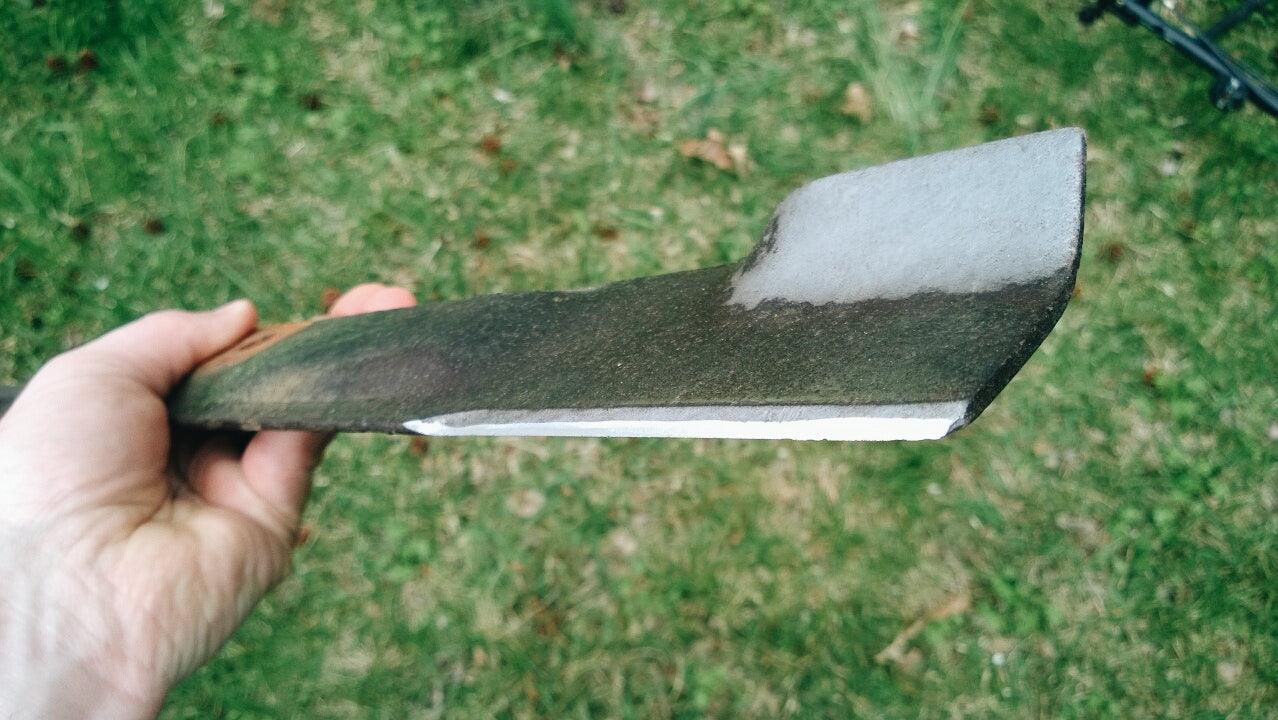
Sharpening your lawn mower blades is essential to maintaining a healthy lawn. To start, you need the right tools and materials. This section outlines everything you need to get the job done effectively.
Essential Tools
- Blade Removal Tool: This can be a wrench or a socket set. It helps you to remove the blade from the mower.
- Blade Sharpener: You can use a bench grinder, hand file, or sharpening stone. These tools are vital for sharpening the blade.
- Clamp or Vice: This holds the blade in place while you sharpen it. It ensures safety and precision.
- Safety Gear: Always wear gloves and safety glasses. These protect you from metal shards and sparks.
Optional Accessories
- Blade Balancer: This tool checks if the blade is balanced. A balanced blade ensures even cutting and reduces wear on the mower.
- Wire Brush: Use this to clean the blade before sharpening. It removes dirt and rust, making the sharpening process easier.
- Marker: A permanent marker helps you mark the blade’s edges. This ensures you sharpen the correct side.
| Tool | Description |
|---|---|
| Blade Removal Tool | Wrench or socket set for removing the blade. |
| Blade Sharpener | Bench grinder, hand file, or sharpening stone. |
| Clamp or Vice | Holds the blade in place during sharpening. |
| Safety Gear | Gloves and safety glasses for protection. |
| Blade Balancer | Checks the balance of the blade. |
| Wire Brush | Cleans dirt and rust from the blade. |
| Marker | Marks the blade’s edges for precise sharpening. |
Safety Precautions
Sharpening lawn mower blades can be dangerous. Following safety precautions is essential. Taking the right steps ensures you avoid injury. Here are some key safety measures to keep in mind.
Protective Gear
Always wear proper protective gear. Use thick gloves to protect your hands. Safety goggles shield your eyes from flying debris. Steel-toed boots protect your feet from falling objects. Long sleeves and pants cover your skin from sharp edges.
Safe Handling
Unplug the mower or remove the spark plug before you start. This prevents accidental starts. Secure the blade with a clamp or vice. Use a wrench to loosen the blade nut. Always hold the blade by its edges. Avoid touching the sharp parts.
Check the blade for cracks or damage. Replace damaged blades instead of sharpening them. Ensure the blade is balanced after sharpening. An unbalanced blade can cause vibrations and damage the mower.
Removing The Lawn Mower Blade
Sharpening your lawn mower blade is an essential task. It ensures a clean cut, promoting healthier grass. The first step in this process is removing the blade. This part can be tricky but is vital for proper maintenance.
Preparing The Mower
Before you begin, ensure safety. Disconnect the spark plug to prevent accidental starts. Use a wrench to remove the spark plug wire. Turn the mower on its side, with the carburetor facing up. This prevents fuel leaks and damage to the engine.
Have a block of wood or a sturdy object ready. Place it between the blade and the mower deck. This will stop the blade from moving while you loosen it.
Detaching The Blade
To remove the blade, you need the right tools. Usually, a socket wrench works best. Position the wrench on the bolt securing the blade. Turn the wrench counterclockwise to loosen the bolt. You might need to apply some force, as these bolts can be tight.
Once the bolt is loose, remove it along with any washers. Carefully slide the blade off the mower. Note the blade’s orientation. This helps you reinstall it correctly later.
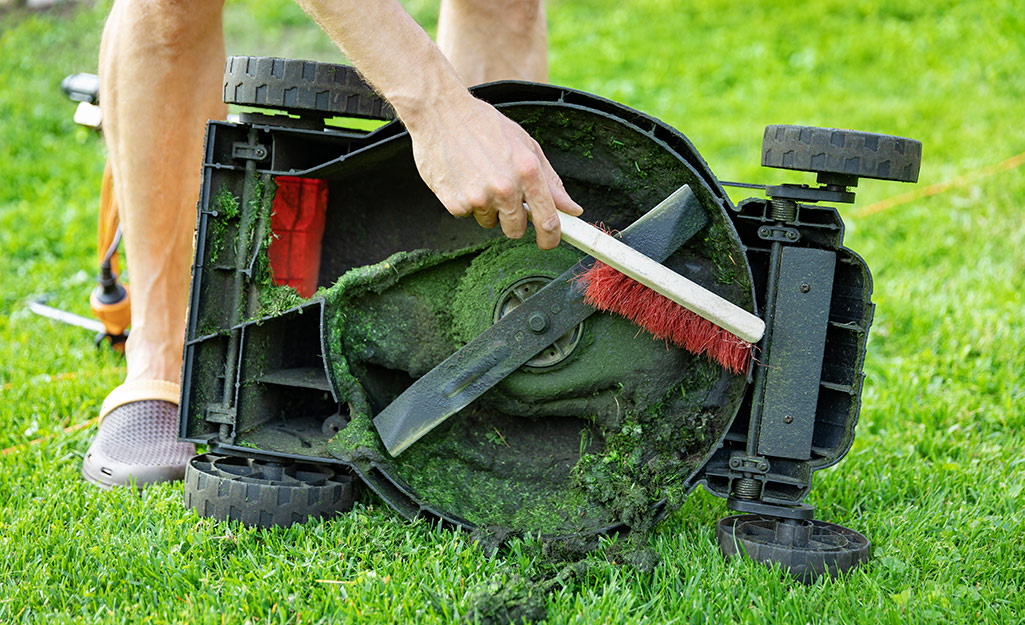
It’s a good idea to clean the blade and the mower deck. Use a brush to remove any grass clippings or dirt. This makes the sharpening process easier and more effective.
Place the removed blade in a safe area. You don’t want it to get damaged or lost. Now, you are ready to sharpen your lawn mower blade.
Cleaning The Blade
Cleaning the blade is a crucial step in sharpening your lawn mower blades. Dirt and debris can accumulate over time. This buildup can cause dullness and reduce the blade’s efficiency. Proper cleaning ensures a sharp edge and a healthy lawn.
Removing Dirt And Debris
First, remove the blade from the mower. This ensures safety and easier access. Use a stiff brush to scrub off dirt and grass clippings. For stubborn residue, soak the blade in soapy water. After soaking, scrub again until all debris is removed. Dry the blade thoroughly to prevent rust.
Inspecting For Damage
After cleaning, inspect the blade closely. Look for cracks, bends, or deep nicks. Damaged blades can cause uneven cuts and harm your lawn. If the blade is severely damaged, consider replacing it. Minor nicks can often be filed down. Ensure the blade is in good condition before sharpening.
Sharpening The Blade
Sharpening the blade of your lawn mower is crucial for a clean cut. A sharp blade helps your lawn look healthy and well-kept. Regular maintenance prevents damage to the grass and makes mowing easier.
Using A File
Using a file is a simple way to sharpen your mower blade. First, remove the blade from the mower. Secure it in a vice for stability. Hold the file at the same angle as the blade’s bevel. Stroke the file along the blade edge from base to tip. Repeat until the edge is sharp. Flip the blade and sharpen the other side.
Using A Bench Grinder
A bench grinder makes sharpening faster. Start by removing the blade from the mower. Wear safety goggles and gloves. Secure the blade firmly. Turn on the grinder and hold the blade at the correct angle. Move the blade steadily across the grinder. Avoid overheating the metal. Sharpen both sides evenly. Check the balance of the blade before reattaching.
Balancing The Blade
Sharpening your lawn mower blades is crucial. But, don’t forget to balance them too. An unbalanced blade can cause damage. It reduces the mower’s efficiency. And it makes the engine work harder. In this section, we will discuss why balance matters and how to balance your lawn mower blades.
Why Balance Matters
Balanced blades ensure a smooth cut. They prevent vibration. This vibration can damage your mower. It can also lead to uneven grass cutting. An unbalanced blade puts stress on the mower’s engine. This can shorten the life of your mower.
Imbalanced blades can cause wear and tear. They make the mower harder to handle. This can be dangerous. It can also increase fuel consumption. Regularly checking and balancing your blades can save you money. It can also extend the life of your mower.
How To Balance
Balancing a blade is simple. Follow these steps:
- Remove the blade from the mower.
- Clean the blade thoroughly.
- Place the blade on a balancing tool.
- Check which side dips lower.
- Grind the heavier side until balanced.
Balancing tools are easy to use. They are available in hardware stores. You can also use a nail in the wall. Hang the blade on the nail. Check which side dips lower. Grind the heavy side until balanced.
Regular maintenance is key. Balance your blades after every sharpening. This ensures a smooth and efficient cut. It also protects your mower from damage.
Reattaching The Blade
After sharpening, it’s time to reattach the lawn mower blade. This step is crucial for safe and effective mowing. Ensure the blade is properly secured to avoid accidents.
Securing The Blade
Place the blade back onto the spindle. Align it with the mounting holes. Insert the bolt through the holes.
Tighten the bolt with a wrench. Make sure the blade is snug. A loose blade can cause serious injury.
It’s best to refer to the mower’s manual. This ensures the correct tightening specifications.
Final Safety Checks
Double-check the blade’s attachment. Spin the blade manually. It should rotate without wobbling.
Inspect for any loose parts. Ensure no debris is around the blade. Clear debris can prevent issues.
Finally, reconnect the spark plug. This is essential for safety. Your mower is now ready to use.
Maintenance Tips
Proper maintenance of lawn mower blades ensures efficient grass cutting. Sharp blades make clean cuts. This keeps your lawn healthy. Regular maintenance can also extend the life of your mower. Below are some essential tips for maintaining your mower blades.
Regular Sharpening Schedule
Set a regular sharpening schedule. Sharpen blades every 20 to 25 hours of use. If your lawn is large, this could mean sharpening every few weeks. Frequent use can dull blades faster. Dull blades tear grass instead of cutting it. This can cause lawn damage and uneven cuts.
Use a sharpening tool or a bench grinder. Ensure the blade is balanced after sharpening. An unbalanced blade can cause mower vibrations. This can damage the mower engine. Always wear protective gear when sharpening blades.
Prolonging Blade Life
Clean the blades after each use. Remove grass clippings and dirt. This prevents rust and corrosion. Inspect the blades for damage or wear. Replace damaged blades immediately. Damaged blades can harm your lawn and mower.
Store your mower in a dry place. Wet conditions can cause rust. Use a blade cover if possible. Keep a spare set of blades. This ensures you always have sharp blades ready.
Following these maintenance tips can keep your lawn mower in top condition. Sharp blades make mowing easier. Your lawn will look neat and healthy.
Frequently Asked Questions
How Often Should You Sharpen Lawn Mower Blades?
Sharpen lawn mower blades every 20-25 hours of use. Dull blades tear grass, causing damage. Sharp blades ensure a clean cut.
What Tools Do You Need To Sharpen Lawn Mower Blades?
You need a grinder or file, a wrench, and safety gloves. These tools help you sharpen the blades effectively.
Can I Sharpen Lawn Mower Blades Without Removing Them?
Yes, you can sharpen blades without removing them. However, removing the blades ensures a more thorough and safe sharpening process.
How Do I Know If My Lawn Mower Blade Is Dull?
Inspect the grass after mowing. If the grass tips are ragged or brown, your blade is dull and needs sharpening.
Conclusion
Sharpening lawn mower blades is essential for a healthy lawn. Dull blades tear grass, causing damage. Sharp blades ensure clean cuts. Follow safety steps for the best results. Always wear gloves and use proper tools. Regular maintenance extends the life of your mower.
Clean blades after each use. Store them in a dry place. Happy mowing!
