

Changing a lawn mower spark plug is essential for smooth operation. Many people find it easier than expected.
A well-maintained lawn mower ensures your yard looks its best. One key part of maintenance is changing the spark plug. This small component can affect the mower’s performance. Ignoring it can lead to starting problems or poor running. Luckily, changing a spark plug is a simple task.
It requires only a few tools and a bit of your time. Whether you’re a beginner or have some experience, this guide will help. By learning how to change a lawn mower spark plug, you can keep your mower in top shape. So, let’s dive into the steps and get your mower running smoothly again.
Tools And Materials Needed
Changing your lawn mower spark plug requires specific tools and materials. Ensuring you have these items can make the process smooth and efficient. Below, you’ll find a detailed list of essential tools and recommended materials needed.
Essential Tools
To change a lawn mower spark plug, you need the following tools:
- Spark Plug Socket: A socket specifically for spark plugs ensures a proper fit.
- Ratchet Wrench: This tool helps you remove and install the spark plug.
- Gap Gauge: Ensures the spark plug gap is correct for your lawn mower.
- Torque Wrench: Helps you tighten the spark plug to the correct torque.
- Wire Brush: Cleans the area around the spark plug hole.
Recommended Materials
Besides tools, having these materials on hand can help:
- New Spark Plug: Make sure it’s compatible with your lawn mower.
- Anti-Seize Compound: Prevents the spark plug from getting stuck.
- Dielectric Grease: Protects the spark plug boot from moisture.
- Cleaning Cloth: Wipes down the area and tools after the job is done.
- Protective Gloves: Keeps your hands clean and safe.
Having these tools and materials ready makes the spark plug change quick and easy. Proper preparation ensures your lawn mower runs smoothly.

Safety Precautions
Changing the spark plug in your lawn mower is a simple task. But, safety should always come first. Taking the right precautions can prevent accidents and injuries. Here are some essential safety tips to follow.
Personal Safety Tips
- Wear protective gloves: This keeps your hands safe from cuts and dirt.
- Use safety glasses: Protect your eyes from debris and sparks.
- Work in a well-ventilated area: Ensure good airflow to avoid inhaling fumes.
- Keep hair and clothing secure: Avoid loose clothing and tie back long hair.
Equipment Safety Tips
- Disconnect the spark plug wire: This prevents the engine from starting accidentally.
- Check the lawn mower manual: Follow the manufacturer’s instructions carefully.
- Use the right tools: Ensure you have the correct wrench or socket.
- Keep the mower on a flat surface: This ensures stability during the process.
Preparing The Lawn Mower
Changing the spark plug in your lawn mower is simple. Proper preparation is key. Before starting, ensure your mower is on a flat surface. Gather all necessary tools. This will save time and effort. A wrench, a new spark plug, and a spark plug socket are essential. Also, wear gloves for safety.
Locate The Spark Plug
The spark plug is usually on the front or side of the engine. Refer to your mower’s manual. It will help you find the exact location. Look for a thick wire connected to a small metal plug. This is the spark plug wire. It leads directly to the spark plug.
Disconnect The Spark Plug Wire
Before touching the spark plug, disconnect the wire. This ensures safety. Firmly grip the spark plug boot. Twist and pull it off the spark plug. Do not pull the wire itself. It may damage the connection. Once removed, place the wire aside. Now you can safely work on replacing the spark plug.
Removing The Old Spark Plug
Changing the spark plug on your lawn mower is a simple task. This guide will help you remove the old spark plug with ease. Follow these steps to ensure your lawn mower runs smoothly.
Use A Spark Plug Wrench
First, locate the spark plug on your lawn mower. It is usually found on the side of the engine. Make sure the engine is off and cool before you begin.
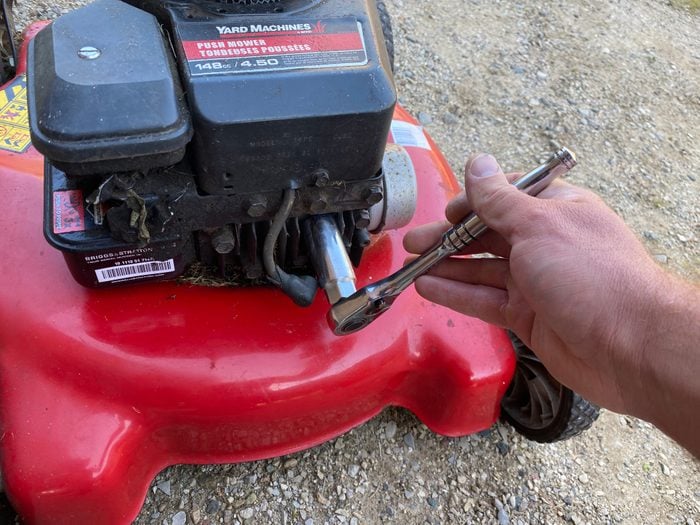
Use a spark plug wrench to remove the old spark plug. A spark plug wrench is designed to fit the spark plug perfectly. Turn the wrench counterclockwise to loosen the spark plug.
If the spark plug is too tight, apply gentle pressure. Be careful not to damage the engine.
Inspect The Old Spark Plug
Once the spark plug is removed, inspect it carefully. Look for signs of wear or damage.
- If the spark plug is black and sooty, it may indicate poor combustion.
- If the spark plug is white, the engine may be running too hot.
- If the spark plug has oil on it, there could be an oil leak.
Compare the old spark plug to a new one. Use the table below to identify common issues:
| Condition | Possible Issue |
|---|---|
| Black and sooty | Poor combustion |
| White | Engine running too hot |
| Oil on spark plug | Oil leak |
Replace the spark plug if it shows any of these signs. A new spark plug will improve the engine’s performance.
Installing The New Spark Plug
Installing the new spark plug is a crucial step in lawn mower maintenance. A properly functioning spark plug ensures your lawn mower runs smoothly. Follow these steps to install the new spark plug correctly.
Choose The Correct Spark Plug
Before installing, make sure you have the right spark plug. Check the owner’s manual for the correct type and size. Using the wrong spark plug can damage the engine. It can also cause poor performance. Always double-check the specifications.
Gap The Spark Plug
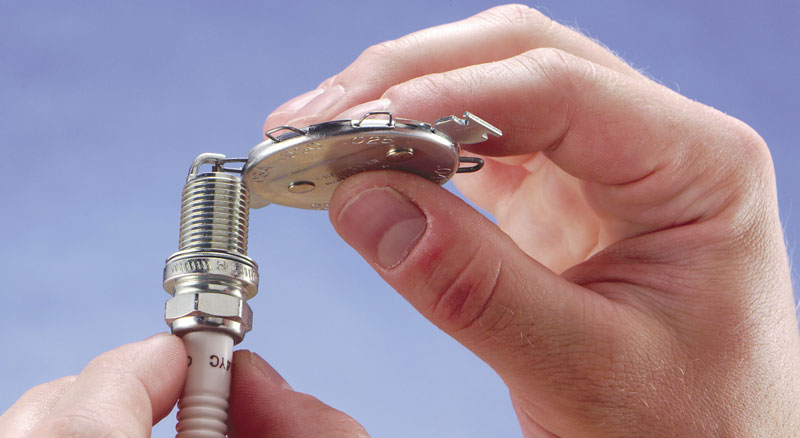
Gapping the spark plug is essential for proper combustion. Use a spark plug gap tool to measure the gap. Refer to the manual for the correct gap size. Slide the tool between the electrodes to check the gap. Adjust if necessary by gently bending the ground electrode.
Once the gap is set, the spark plug is ready to install. Insert the spark plug into the engine by hand. Tighten it clockwise. Use a spark plug socket to ensure it’s snug. Avoid over-tightening to prevent damage. Reconnect the spark plug wire securely.
Now your lawn mower should run more efficiently with the new spark plug installed. Regular maintenance keeps your lawn mower in top condition.
Reconnecting The Spark Plug Wire
After replacing the spark plug, reconnecting the spark plug wire is crucial. This step ensures your lawn mower runs smoothly. An improperly connected wire can lead to engine problems. Follow these steps to reconnect the spark plug wire correctly.
Attach The Wire Securely
First, locate the spark plug wire. It usually has a rubber boot at the end. Hold the wire and press the boot firmly onto the spark plug. You should hear a click or feel a snap. This indicates a secure connection. Ensure the wire is not loose. A loose wire can cause misfiring.
Check For Proper Connection
Next, check the connection. Gently tug the wire to ensure it is secure. The wire should not come off easily. Inspect the wire for any signs of wear or damage. Replace it if necessary. A damaged wire can lead to poor performance. Finally, start the lawn mower to ensure everything works correctly. Listen for any unusual sounds. If the mower runs smoothly, the spark plug wire is properly connected.
Testing The Lawn Mower
After changing the lawn mower spark plug, testing it is crucial. You want to ensure everything is working smoothly. This step helps confirm that your spark plug replacement was successful.
Start The Engine
First, start the engine. Pull the starter cord or turn the key. Listen closely as the engine begins to run. It should start easily if the spark plug is installed correctly. Any unusual noises might indicate an issue.
Observe Performance
Next, observe the performance. Let the engine run for a few minutes. Notice the sound and feel of the mower. It should run smoothly without hiccups. Watch for any smoke or sputtering. These signs might mean the spark plug needs adjustment.
Test the mower on the grass. Push it around your lawn. Ensure it cuts the grass evenly. A properly functioning spark plug ensures efficient cutting. If you notice uneven cutting, recheck the spark plug installation.
Lastly, turn off the engine. Inspect the spark plug area. Ensure everything is secure and there are no loose parts.
Maintenance Tips
Maintaining your lawn mower properly ensures it operates efficiently. Regular maintenance extends its lifespan. Here are some essential tips for maintaining your lawn mower, focusing on regular inspection and proper storage.
Regular Inspection
Check your lawn mower’s spark plug periodically. A clean and functional spark plug ensures smooth engine performance. Inspect the spark plug for signs of wear or damage. Replace it if you see any cracks or build-up. This simple step can prevent many starting problems. Also, ensure the gap between the electrodes is correct. Use a feeler gauge to measure it accurately.
Proper Storage
Store your lawn mower in a clean and dry place. Moisture can damage the spark plug and other parts. Before storing, remove the spark plug and clean it. This prevents corrosion during the off-season. You can also add a few drops of oil to the cylinder. This keeps the internal parts lubricated.
Cover your lawn mower to protect it from dust and debris. A proper cover keeps the spark plug clean. It also prevents unwanted moisture build-up. Following these tips ensures your lawn mower starts easily next season.
Frequently Asked Questions
How Often Should I Change My Lawn Mower Spark Plug?
Changing the spark plug annually or every 100 hours of use is recommended. Regular replacement ensures optimal performance and longevity.
What Tools Do I Need To Change A Spark Plug?
You need a spark plug wrench, socket wrench, and a gap gauge. These tools help in easy and correct replacement.
How Do I Know If My Spark Plug Is Bad?
Signs include difficulty starting, poor engine performance, and increased fuel consumption. Inspect the spark plug for wear and deposits.
Can I Clean And Reuse A Lawn Mower Spark Plug?
Cleaning is possible but not recommended. It’s better to replace it to ensure efficient performance and avoid potential issues.
Conclusion
Changing a lawn mower spark plug is simple and quick. With the right tools, you can do it yourself. This task ensures your mower runs smoothly. It saves money on repairs. Follow the steps carefully to avoid issues. Regular maintenance keeps your lawn mower in top condition.
Enjoy a well-maintained lawn with less hassle. Now, get out there and check your spark plug. Happy mowing!
