
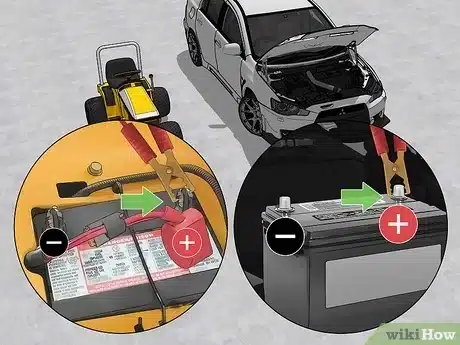
Charging a lawn mower battery can take anywhere from 1 to 24 hours. The exact time depends on the type of battery and charger used.
Keeping your lawn mower battery charged is crucial for smooth operation. You don’t want your mower to die in the middle of a job. Understanding how long it takes to charge can help you plan better and avoid interruptions. Different batteries, like lead-acid or lithium-ion, have different charging times.
The charger type also plays a big role. Fast chargers can reduce waiting time, while standard chargers might take longer. Knowing these details ensures you get the most out of your mower and keeps your lawn looking great. Let’s dive into the factors that affect charging time and tips for efficient charging.

Types Of Lawn Mower Batteries
Understanding the different types of lawn mower batteries helps you choose the right one. The two main types are Lead-Acid Batteries and Lithium-Ion Batteries. Each type has its own advantages and charging times.
Lead-acid Batteries
Lead-acid batteries are the traditional choice for lawn mowers. They have been used for many years due to their reliability and cost-effectiveness.
| Features | Details |
|---|---|
| Charging Time | 8-10 hours |
| Cost | Lower compared to lithium-ion |
| Maintenance | Requires regular water level checks |
Lithium-ion Batteries
Lithium-ion batteries are the more modern option. They offer several benefits over lead-acid batteries, including faster charging times and lighter weight.
- Charging Time: 1-2 hours
- Cost: Higher than lead-acid
- Maintenance: Low maintenance
- Weight: Lighter, making the mower easier to handle
Choosing between these two types depends on your needs. Consider factors like budget, charging time, and maintenance requirements.
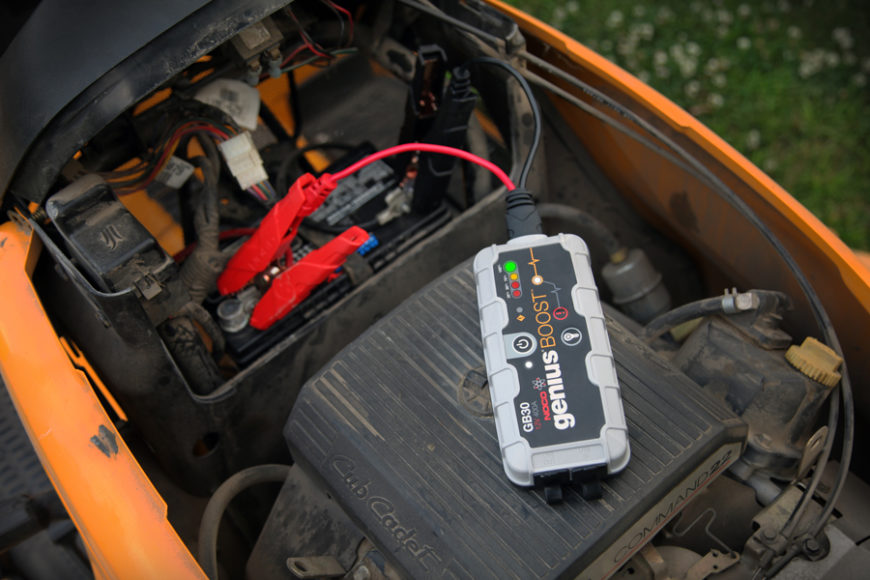
Factors Affecting Charging Time
Understanding the factors affecting charging time is essential. Different elements can influence how long your lawn mower battery takes to charge. Here, we break down the key factors that play a role in this process.
Battery Capacity
Battery capacity is a major factor. It refers to the amount of energy the battery can store. Generally, larger batteries take more time to charge.
Battery capacity is measured in ampere-hours (Ah). The higher the Ah, the longer it will take to charge. For example, a 10 Ah battery will take longer to charge than a 5 Ah battery.
| Battery Capacity (Ah) | Approximate Charging Time |
|---|---|
| 5 Ah | 2-3 hours |
| 10 Ah | 4-6 hours |
| 20 Ah | 8-10 hours |
Charger Output
The charger output also plays a significant role. It is the amount of power the charger can deliver to the battery. Higher output means faster charging times.
Charger output is typically measured in amps (A). A charger with a higher amp rating will charge the battery faster. For instance, a 5A charger will charge a battery quicker than a 2A charger.
- 2A Charger: Slower charging time
- 5A Charger: Moderate charging time
- 10A Charger: Faster charging time
Choosing the right charger can significantly reduce the time it takes to charge your lawn mower battery.
Charging Lead-acid Batteries
Lead-acid batteries are common in many lawn mowers. They are reliable and cost-effective. Yet, charging them properly is crucial. Incorrect charging can shorten their lifespan. It can also affect your lawn mower’s performance.
Understanding the charging time for lead-acid batteries is essential. This will help you maintain your lawn mower better. Below, we delve into the standard charging time and tips for faster charging.
Standard Charging Time
Charging a lead-acid battery usually takes 8 to 12 hours. The time depends on the battery’s capacity and charger type. Most lawn mowers use 12-volt batteries. For these, a standard charger is fine. It delivers a slow, steady charge.
A slow charge is better for battery health. It prevents overheating and extends the battery’s life. Always check the manufacturer’s guidelines. They provide specific details for your battery model.
Tips For Faster Charging
Sometimes, you need a quicker charge. Use a smart charger for this purpose. It adjusts the charge rate automatically. This helps speed up the process without damaging the battery.
Ensure the battery is clean before charging. Dirt and corrosion can slow down the process. Use a wire brush to clean the terminals. This ensures a good connection.
Avoid deep discharges. Charge the battery before it drops too low. This keeps the charging time shorter. It also helps maintain battery health.
Store the battery in a cool, dry place. Extreme temperatures can affect charging efficiency. A stable environment is best for faster charging.
Charging Lithium-ion Batteries
When it comes to charging lithium-ion batteries for your lawn mower, understanding the process can save you time and energy. These batteries are popular due to their efficiency and long lifespan. Let’s dive into the specifics of charging these batteries to keep your lawn mower running smoothly.
Typical Charging Duration
The typical charging duration for a lithium-ion battery varies. On average, it takes about 2 to 3 hours to fully charge. This duration can differ based on the battery capacity and charger type. Here’s a quick reference table for common charging times:
| Battery Capacity | Charging Time |
|---|---|
| 2.0 Ah | 1 to 2 hours |
| 4.0 Ah | 2 to 3 hours |
| 6.0 Ah | 3 to 4 hours |
Always refer to the manufacturer’s instructions for specific charging times.
Maximizing Efficiency
To maximize the efficiency of charging your lithium-ion battery, follow these tips:
- Use the charger provided by the manufacturer.
- Avoid extreme temperatures during charging.
- Charge the battery after each use to keep it ready.
By following these steps, you can ensure that your battery charges quickly and maintains its health.
Using A Fast Charger
A fast charger can charge a lawn mower battery in about one to two hours. Charging times depend on the battery size. Fast charging helps save time and gets you back to work quickly.
Using a fast charger can greatly reduce the time needed to charge your lawn mower battery. Fast chargers are designed to deliver a higher current, which speeds up the charging process. This method is becoming more popular among lawn mower owners who want to save time. Yet, it is important to know the benefits and precautions associated with fast chargers.Advantages
Fast chargers can significantly cut down charging time. Instead of waiting hours, you can charge your battery in a fraction of the time. This means more time mowing and less time waiting. Fast chargers are user-friendly, often requiring simple plug-and-play setups. They are compatible with most modern lawn mower batteries. This makes them a convenient option for busy individuals.Precautions
Using a fast charger requires some caution. Overcharging can damage the battery, reducing its lifespan. Always follow the manufacturer’s instructions. Ensure the charger is compatible with your specific battery type. Incorrect usage can lead to overheating. Regularly check the battery during charging. This helps prevent any potential issues. Also, keep the charging area well-ventilated to avoid overheating risks. “`Maintaining Battery Health
Maintaining battery health is crucial for the longevity and performance of your lawn mower. A well-maintained battery ensures you get the most out of each charge and extends its life. Let’s explore some essential practices for keeping your lawn mower battery in top condition.
Regular Maintenance
Regular maintenance is key to a healthy lawn mower battery. Here are some steps to follow:
- Clean the terminals: Dirt and corrosion can affect the battery’s performance. Use a wire brush to clean the terminals.
- Check the charge level: Use a multimeter to ensure the battery is holding a proper charge. A fully charged battery should read around 12.6 volts.
- Inspect for damage: Look for any cracks or leaks. Replace the battery if you find any.
Proper Storage
Proper storage is essential for maintaining battery health, especially during off-seasons. Follow these guidelines:
- Store in a cool, dry place: Extreme temperatures can harm the battery. Keep it in a stable environment.
- Disconnect the battery: If you’re storing the lawn mower for a long period, disconnect the battery to prevent discharge.
- Use a trickle charger: A trickle charger can keep the battery charged without overcharging it. This is ideal for long-term storage.
Signs Of A Faulty Battery
Are you having trouble with your lawn mower battery? Knowing the signs of a faulty battery can save you time and frustration. Let’s look at two common signs that your battery might need replacing.
Slow Charging
If your lawn mower battery takes longer than usual to charge, it could be a sign of a problem. Normally, a healthy battery charges within a few hours. If charging takes much longer, it might be time to check the battery. Slow charging can indicate that the battery is losing its ability to hold power efficiently.
Inability To Hold Charge
Another sign of a faulty battery is its inability to hold a charge. After charging, your lawn mower should run for a reasonable amount of time. If the battery drains quickly, it may not be holding the charge properly. This can affect the performance of your lawn mower, making it less reliable.
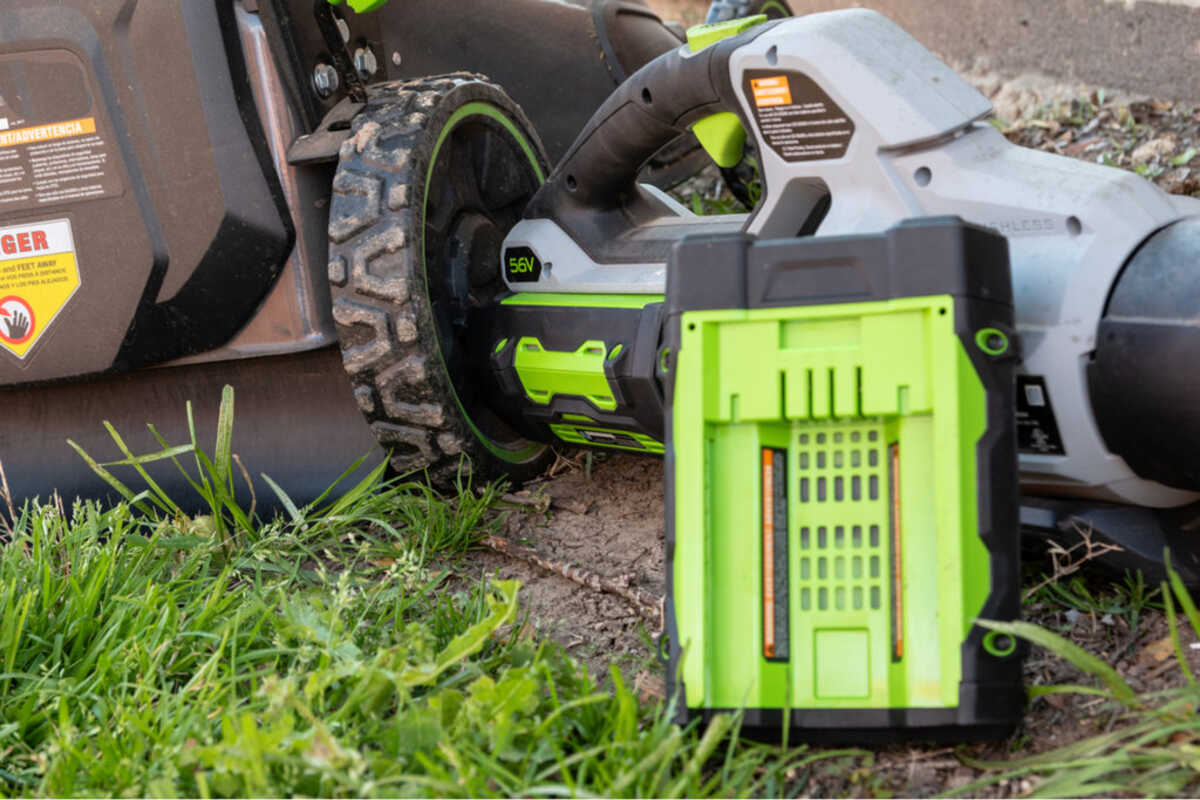
Choosing The Right Charger
Choosing the right charger for your lawn mower battery is crucial. It ensures efficient and safe charging. A good charger can extend the battery’s lifespan. Here are some key factors to consider.
Compatibility
First, make sure the charger is compatible with your lawn mower battery. Check the voltage and type of battery. Most lawn mowers use 12-volt or 24-volt batteries. Read the user manual to confirm. Using the wrong charger can damage the battery. It may also void the warranty.
Features To Look For
Modern chargers come with various features. Here are some important ones:
- Automatic Shut-off: Prevents overcharging by turning off when the battery is full.
- Indicator Lights: Shows charging status. Green means fully charged; red means charging.
- Multiple Charging Modes: Includes fast, slow, and maintenance modes.
- Safety Protections: Guards against short circuits, overheating, and overcharging.
- Portability: Lightweight and easy to carry.
Here is a quick comparison table for easy reference:
| Feature | Importance |
|---|---|
| Automatic Shut-off | High |
| Indicator Lights | Medium |
| Multiple Charging Modes | High |
| Safety Protections | High |
| Portability | Medium |
Choosing a charger with these features ensures a safe and efficient charging process. It also enhances the battery’s performance and lifespan.
Frequently Asked Questions
How Long Does It Take To Charge A Lawn Mower Battery?
The charging time for a lawn mower battery typically ranges from 1 to 12 hours. It depends on the battery type and charger specifications. Always refer to the manufacturer’s instructions for precise charging times.
Can I Overcharge A Lawn Mower Battery?
Yes, overcharging can damage the battery. Modern chargers have features to prevent overcharging. Always use a compatible charger and follow the manufacturer’s guidelines to avoid this issue.
How Do I Know If My Lawn Mower Battery Is Fully Charged?
Most chargers have an indicator light that turns green when the battery is fully charged. Some chargers may also beep or automatically shut off. Always check the charger’s manual for specific details.
What Type Of Charger Do I Need For A Lawn Mower Battery?
You need a charger compatible with your battery type, usually 12V for lead-acid batteries. Refer to your lawn mower’s manual for the recommended charger specifications. Using the correct charger ensures efficient and safe charging.
Conclusion
Charging a lawn mower battery takes time, so plan accordingly. The duration varies by battery type and charger. Always consult your mower’s manual for guidance. Follow the manufacturer’s instructions for best results. Regularly check the battery during charging to avoid overcharging.
Proper maintenance extends battery life. Remember, a well-charged battery ensures your lawn mower runs efficiently. Happy mowing!
