
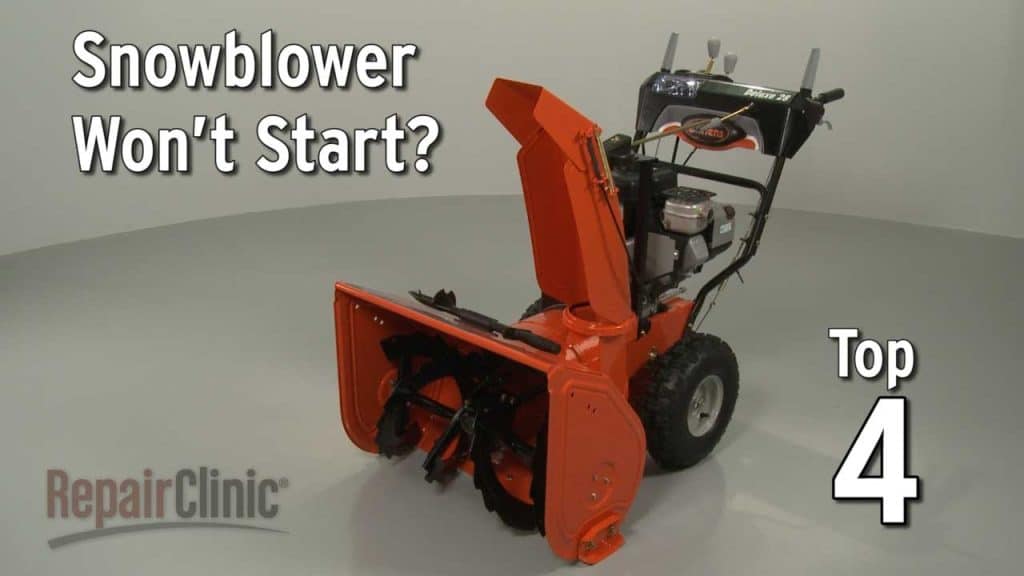
If your snow blower won’t start, it can be frustrating. Various issues can cause this problem.
Cold mornings, heavy snowfalls, and a stubborn snow blower that won’t start can be a headache. You rely on it to clear your driveway and sidewalks, making it essential for winter. Understanding why your snow blower won’t start can save you time and effort.
It can be a quick fix or a sign of a bigger issue. Simple maintenance can often prevent starting problems. In this blog post, we’ll explore common reasons why your snow blower might not start. You’ll learn how to diagnose and fix these issues. Let’s get your snow blower running smoothly again.
Common Causes Of Snow Blower Issues
Snow blowers are essential tools for winter. But they can fail to start. This can be frustrating. Understanding the common causes can help. Here are some frequent issues.
Fuel Problems
One of the most common issues is fuel problems. Old or bad fuel can clog the system. Always use fresh gasoline. Stale fuel can cause starting issues. It’s best to use fuel stabilizers. These additives keep gas fresh for longer.
| Fuel Problem | Solution |
|---|---|
| Old Gasoline | Drain and refill with fresh gas |
| Clogged Fuel Filter | Clean or replace the filter |
| Blocked Fuel Line | Clear the blockage or replace the line |
Spark Plug Issues
Another common cause is spark plug issues. A dirty or faulty spark plug can prevent the engine from starting. Check the spark plug for dirt or wear. Clean it if dirty. Replace it if worn out.
- Remove the spark plug.
- Inspect for damage or deposits.
- Clean the plug with a wire brush.
- Replace if necessary.
Always check the spark plug gap. The gap should match the manufacturer’s specifications. A wrong gap can affect performance. Use a spark plug gauge to measure and adjust the gap.
Checking The Fuel System
Is your snow blower refusing to start? The issue could be in the fuel system. Let’s break down the fuel system check into two key parts: fuel level and fuel quality.
Fuel Level
First, check the fuel level. An empty tank will stop your snow blower from starting. Make sure there is enough fuel in the tank. Always keep the tank at least half full during the snow season. This simple step can save you much frustration.
Fuel Quality
Next, look at the fuel quality. Old or contaminated fuel can cause starting problems. Use fresh gasoline to avoid this issue. Gasoline older than 30 days can become stale. Stale fuel can clog the fuel lines. If the fuel smells sour or looks dark, replace it.
Additionally, consider using a fuel stabilizer. It keeps the gasoline fresh longer. This is especially useful if you store your snow blower for long periods. Adding a stabilizer can improve the chances of a quick start.
Inspecting The Spark Plug
Having trouble starting your snow blower? One common issue could be the spark plug. A faulty spark plug can prevent your snow blower from starting. Inspecting the spark plug is a simple way to identify problems. Let’s dive into how to check the spark plug condition and proper gap.
Spark Plug Condition
First, remove the spark plug from the engine. Look closely at the tip. Is it dirty or blackened? A clean spark plug is essential for starting. If it’s dirty, clean it with a wire brush. A damaged or worn-out spark plug needs replacement. Always use the correct type for your snow blower model.
Proper Gap
Next, check the gap between the electrodes. Use a spark plug gap tool for accuracy. The gap should match the specifications in your owner’s manual. An incorrect gap can affect the spark. Adjust the gap carefully if needed. A properly gapped spark plug ensures a strong spark, making it easier to start your snow blower.
Examining The Carburetor
When your snow blower won’t start, it’s frustrating. One of the main reasons could be the carburetor. The carburetor mixes air and fuel for the engine. If it’s not working right, your snow blower won’t start. Below, we will examine common carburetor issues like clogged jets and carburetor adjustment.
Clogged Jets
The jets in the carburetor can become clogged with debris. This blocks the flow of fuel. Here’s how to check:
- Remove the carburetor from the snow blower.
- Inspect the jets for any blockages.
- Use a thin wire or carburetor cleaner to clear the jets.
If the jets are clean and the snow blower still won’t start, move to the next step.
Carburetor Adjustment
The carburetor may need adjusting. A poorly adjusted carburetor can cause starting issues. Follow these steps:
- Locate the adjustment screws on the carburetor.
- Turn the screws clockwise until they are lightly seated.
- Back them out a turn or two to set the initial adjustment.
- Start the engine and fine-tune the screws for optimal performance.
If adjusting the carburetor doesn’t help, it might need a complete cleaning or replacement.
| Issue | Solution |
|---|---|
| Clogged Jets | Clean with wire or carburetor cleaner |
| Poor Adjustment | Adjust screws for optimal performance |
By following these steps, you can address carburetor issues and get your snow blower running again.
Assessing The Ignition System
If your snow blower refuses to start, the ignition system may be the culprit. This system is vital for starting the engine. It includes components like the ignition coil and electrical connections. Let’s dive into these areas.
Ignition Coil
The ignition coil converts the battery’s voltage into a spark. This spark ignites the fuel-air mixture in the engine. If the coil is faulty, there will be no spark, and the engine won’t start.
Here are steps to check the ignition coil:
- Remove the spark plug.
- Attach a spark plug tester to the wire.
- Crank the engine.
Electrical Connections
Loose or corroded electrical connections can prevent your snow blower from starting. These connections ensure power flows to the ignition system.
Follow these steps to inspect electrical connections:
- Locate all electrical connections and wires.
- Check for loose or disconnected wires.
- Look for signs of corrosion or damage.
- Tighten any loose connections.
- Clean corroded terminals with a wire brush.
Example Table: Maintenance Checklist for Ignition System
| Component | Action |
|---|---|
| Ignition Coil | Test for spark |
| Electrical Connections | Check and clean |
Reviewing The Safety Switches
One common reason your snow blower won’t start is due to the safety switches. These switches are designed to prevent accidents by ensuring certain conditions are met before the snow blower will start. Let’s go through the key safety switches you should review to get your snow blower up and running.
Handlebar Switch
The handlebar switch is a critical component of your snow blower. It ensures the machine operates safely. If this switch is not engaged, the snow blower won’t start.
- Check the connection: Ensure the wires are properly connected.
- Inspect for damage: Look for signs of wear or breaks.
- Test the switch: Use a multimeter to check its functionality.
If the handlebar switch is faulty, replace it immediately. This could be the reason your snow blower is unresponsive.
Auger Switch
The auger switch ensures the blades engage only when it is safe. This switch is crucial for preventing injuries.
- Examine the switch: Look for any visible signs of damage.
- Check connections: Ensure wires are securely connected.
- Test the switch: Use a multimeter to check if it’s working correctly.
A damaged auger switch can prevent the snow blower from starting. Ensure it is in good working condition.
| Switch | Function | Checkpoints |
|---|---|---|
| Handlebar Switch | Ensures safe operation | Connections, Damage, Functionality |
| Auger Switch | Engages blades safely | Damage, Connections, Functionality |
Reviewing these safety switches can help you identify why your snow blower won’t start. Addressing issues with these components can often resolve the problem quickly.
Checking The Starter Mechanism
If your snow blower won’t start, the issue might be with the starter mechanism. Understanding how to check and troubleshoot both the electric starter and the recoil starter can save you time and frustration. Let’s dive into the specifics.
Electric Starter
An electric starter makes starting your snow blower easier. But sometimes, it can fail. Here’s how to check it:
- Check the Power Source: Ensure the snow blower is plugged into a working outlet.
- Inspect the Cord: Look for any signs of wear or damage on the power cord.
- Test the Starter Button: Press the starter button. Listen for any sounds. No sound might mean the starter is faulty.
- Battery Check: If your snow blower uses a battery, make sure it’s fully charged.
If all these steps check out, but the starter still doesn’t work, you may need a professional to look at it.
Recoil Starter
The recoil starter, or pull-start, is a manual way to start your snow blower. Here’s how to troubleshoot it:
- Inspect the Rope: Ensure the pull rope is not frayed or broken.
- Check the Handle: Make sure the handle is intact and easy to grip.
- Test the Recoil Mechanism: Pull the rope gently. It should retract smoothly. If it doesn’t, the recoil mechanism might be stuck.
- Listen for Sounds: Any unusual sounds might indicate internal issues.
Sometimes, a stuck recoil starter can be fixed with a little lubrication. If that doesn’t help, consider getting a professional’s help.

Maintaining Your Snow Blower
Maintaining your snow blower ensures it starts smoothly every winter. Regular maintenance keeps the machine in good condition. It also extends its lifespan. Here, we’ll cover some key maintenance tips.
Regular Servicing
Regular servicing is essential for a snow blower. Check the spark plug frequently. A worn spark plug can prevent the engine from starting. Replace it if necessary.
Inspect the fuel system. Old or contaminated fuel can clog the system. Drain the tank and refill it with fresh fuel. Clean the carburetor if it looks dirty.
Lubricate moving parts. Proper lubrication reduces friction and wear. Use the recommended lubricants for your machine.
Off-season Storage
Store your snow blower properly during the off-season. Clean the machine thoroughly before storage. Remove any snow or debris from the auger and chute.
Drain the fuel tank. Fuel left in the tank can become stale and cause issues. Use a fuel stabilizer if you plan to leave fuel in the tank.
Cover the machine. Protect it from dust and moisture. Store it in a dry, cool place to prevent rust and corrosion.
Remove the battery if your snow blower has one. Store the battery in a cool, dry place. This helps maintain its charge and extends its life.
Following these steps will help ensure your snow blower starts without trouble next winter.
:max_bytes(150000):strip_icc()/snow-blower-troubleshooting-4125541-001-475c2d9f1b704d478f0b06f09ca58336.jpg)
Frequently Asked Questions
Why Won’t My Snow Blower Start In Cold Weather?
Cold weather can affect the battery and fuel. Ensure you use fresh fuel and fully charge the battery.
How Do I Troubleshoot My Snow Blower?
Check the spark plug, fuel supply, and carburetor. Ensure the choke and throttle are in the correct positions.
Can Bad Fuel Cause My Snow Blower Not To Start?
Yes, old or bad fuel can clog the carburetor. Always use fresh, stabilized fuel for optimal performance.
What Should I Do If My Snow Blower Won’t Turn Over?
Check the spark plug and fuel supply. Ensure the starter and battery are functioning correctly.
Conclusion
Understanding why your snow blower won’t start can save time. Check basic components first, like fuel and spark plug. Ensure the fuel is fresh and the spark plug is clean. Inspect the carburetor for clogs. Regular maintenance prevents most issues.
A well-maintained snow blower runs smoothly. If problems persist, consult a professional. Taking these steps helps keep your snow blower reliable. Stay prepared for winter snowfalls. Happy snow blowing!

