
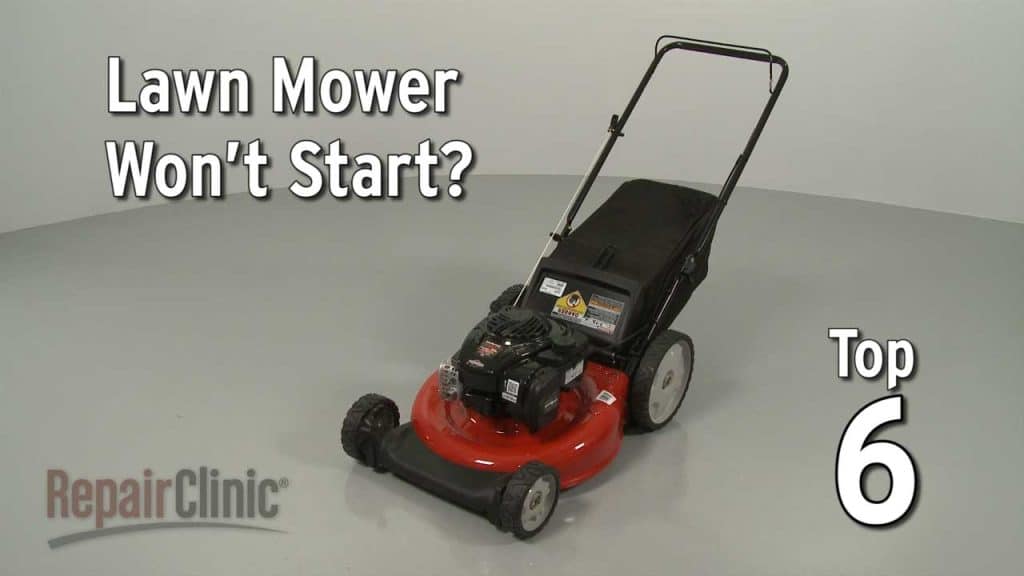
Your lawn mower won’t start, and it’s frustrating. You’ve tried everything but still no luck.
Why isn’t your lawn mower starting? Let’s dive into the common reasons behind this problem. Understanding why a lawn mower won’t start can save you time and effort. It could be something simple like an empty gas tank or a clogged air filter.
Other issues may include spark plug problems or a dirty carburetor. In this blog post, we’ll explore various reasons your lawn mower might not start. You’ll learn how to identify and fix these issues, getting your mower up and running in no time. Whether you’re a seasoned gardener or a first-time mower owner, this guide will help you troubleshoot and solve the problem. Ready to get started? Let’s go!
Common Reasons For A Non-starting Lawn Mower
Struggling with a lawn mower that won’t start? It can be frustrating, especially when your grass is growing fast. There are several common reasons why your lawn mower might not start. Let’s explore these issues, starting with the fuel system.
Empty Fuel Tank
An empty fuel tank is one of the simplest reasons for a non-starting lawn mower. Sometimes, we overlook the obvious. Before diving into more complex solutions, check the fuel level in your tank.
- Locate the fuel tank cap.
- Unscrew the cap and peek inside.
- If the tank is empty, fill it with fresh gasoline.
Make sure you use the right type of gasoline recommended by the manufacturer. An empty tank is easy to fix, but it’s important to always check this first.
Old Or Bad Gasoline
Using old or bad gasoline can prevent your lawn mower from starting. Gasoline can go stale if it sits for too long. This happens because gasoline degrades over time.
Here are some signs of bad gasoline:
- Strange odor
- Dark color
- Gummy residue
If you suspect the gasoline is old, follow these steps:
- Drain the old gasoline from the tank.
- Dispose of it properly.
- Refill the tank with fresh gasoline.
Using fresh fuel can make a big difference. Always store gasoline in a cool, dry place to keep it fresh longer.
Check The Spark Plug
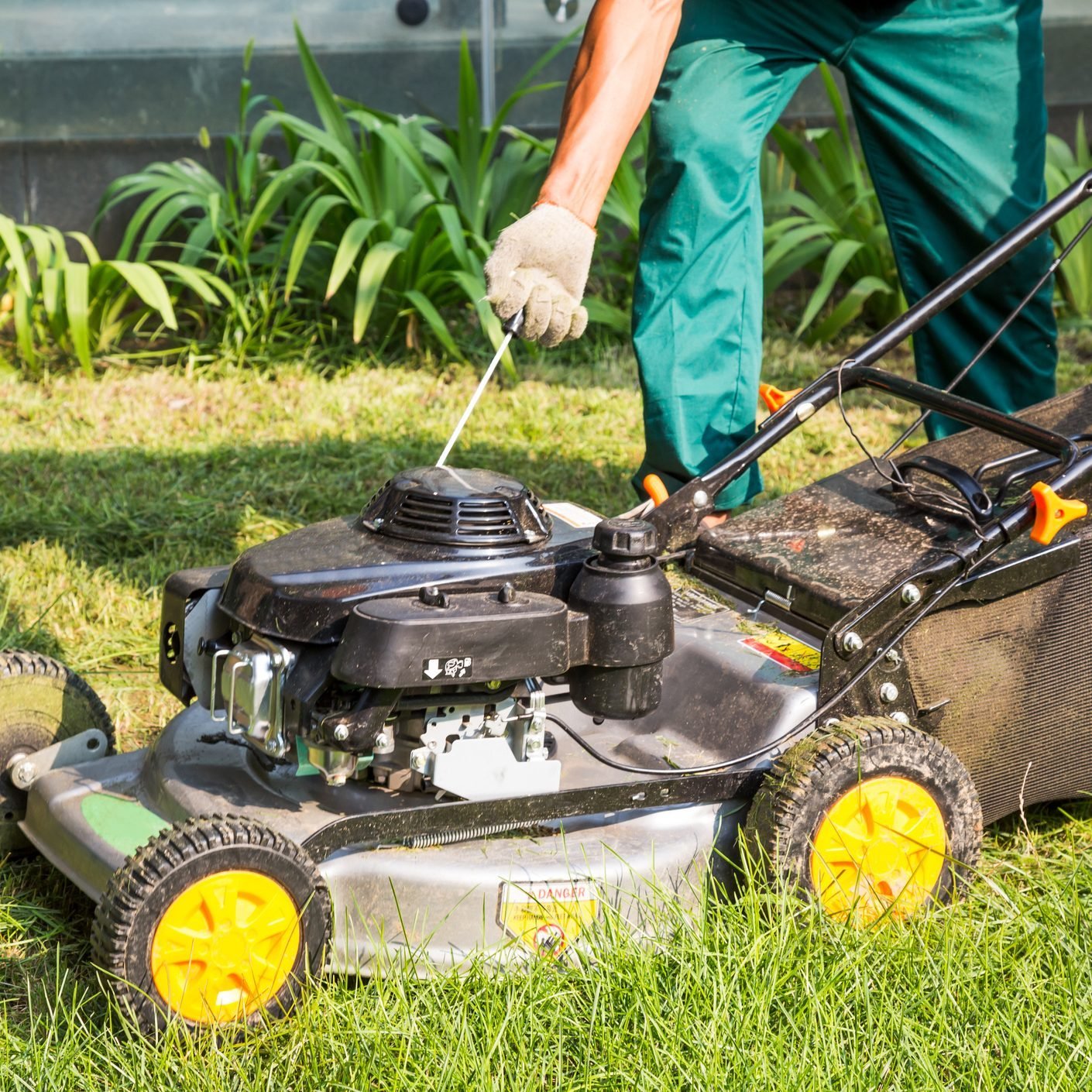
If your lawn mower isn’t starting, the spark plug could be the problem. This small part plays a big role. It ignites the fuel in the engine. A faulty spark plug can prevent your mower from starting.
Inspect For Damage
First, remove the spark plug from the mower. Look closely. Check for any cracks or wear. If the plug is damaged, it won’t work properly. Also, check the gap between the electrodes. It should match the manufacturer’s specifications.
Cleaning Or Replacing The Spark Plug
Sometimes, a dirty spark plug is the issue. Clean it with a wire brush. Remove any carbon build-up. If cleaning doesn’t help, consider replacing the plug. New spark plugs are not expensive. They can make your mower run like new.
Examine The Air Filter
Is your lawn mower not starting? The air filter could be the problem. A clean air filter ensures the engine gets enough air. Without it, your mower may struggle to start. Let’s explore the key points below.
Clogged Air Filter
A clogged air filter is a common issue. Dirt and debris block the airflow. This can choke the engine, making it hard to start. Check your air filter regularly.
Here’s how to identify a clogged air filter:
- The filter looks dirty or oily.
- The engine runs rough or stalls.
- There’s black smoke from the exhaust.
Cleaning the air filter may solve the problem. If it’s too dirty, you might need to replace it.
Replacing The Air Filter
Replacing the air filter is simple. Follow these steps:
- Turn off the mower and let it cool.
- Locate the air filter cover. It’s usually on the side.
- Remove the cover and take out the old filter.
- Insert the new filter.
- Replace the cover and secure it.
Here’s a quick comparison:
| Old Filter | New Filter |
|---|---|
| Clogged with dirt | Clean and clear |
| Engine struggles | Engine runs smoothly |
Keep your air filter clean for a well-running mower.
Inspect The Fuel System
Is your lawn mower refusing to start? One common issue lies within the fuel system. Ensuring the fuel system is in good shape is vital for the mower’s performance. Let’s dive into some areas to inspect.
Fuel Line Blockages
Fuel line blockages can prevent fuel from reaching the engine. Check the fuel lines for any visible clogs or dirt. Sometimes, dirt or debris can get stuck, blocking the flow. Use a clean cloth to wipe the fuel lines. If the blockage persists, consider replacing the fuel line. This simple step often resolves the issue.
Carburetor Issues
The carburetor mixes fuel and air for the engine. If it’s dirty or clogged, the engine won’t start. Remove the carburetor and clean it thoroughly. Use a carburetor cleaner spray for best results. Make sure all parts are clean and reassemble it carefully. If cleaning doesn’t work, the carburetor might need a rebuild or replacement.
Battery And Electrical Connections
Is your lawn mower refusing to start? Battery and electrical connections might be the culprits. These elements are crucial for the mower’s smooth functioning. Checking these parts can often solve the problem. Let’s explore the common issues.
Dead Battery
A dead battery is a frequent issue. Lawn mowers with electric start require a fully charged battery. If the battery is dead, the mower won’t start. Here are a few steps to diagnose and fix this issue:
- Check the battery voltage using a multimeter. The reading should be around 12.6 volts for a fully charged battery.
- If the voltage is low, try charging the battery with a suitable charger.
- If the battery doesn’t hold a charge, it may need replacement.
Loose Or Corroded Connections
Loose or corroded connections can also prevent your mower from starting. Electrical connections need to be secure and clean. Corrosion can disrupt the flow of electricity. Here’s what you can do:
- Inspect all battery terminals and connections.
- Tighten any loose connections using a wrench.
- Clean corroded terminals with a wire brush and a baking soda solution.
- Apply a protective spray to prevent future corrosion.
Taking care of these electrical components can often get your lawn mower up and running again. Don’t overlook these simple checks.
Check The Oil Level
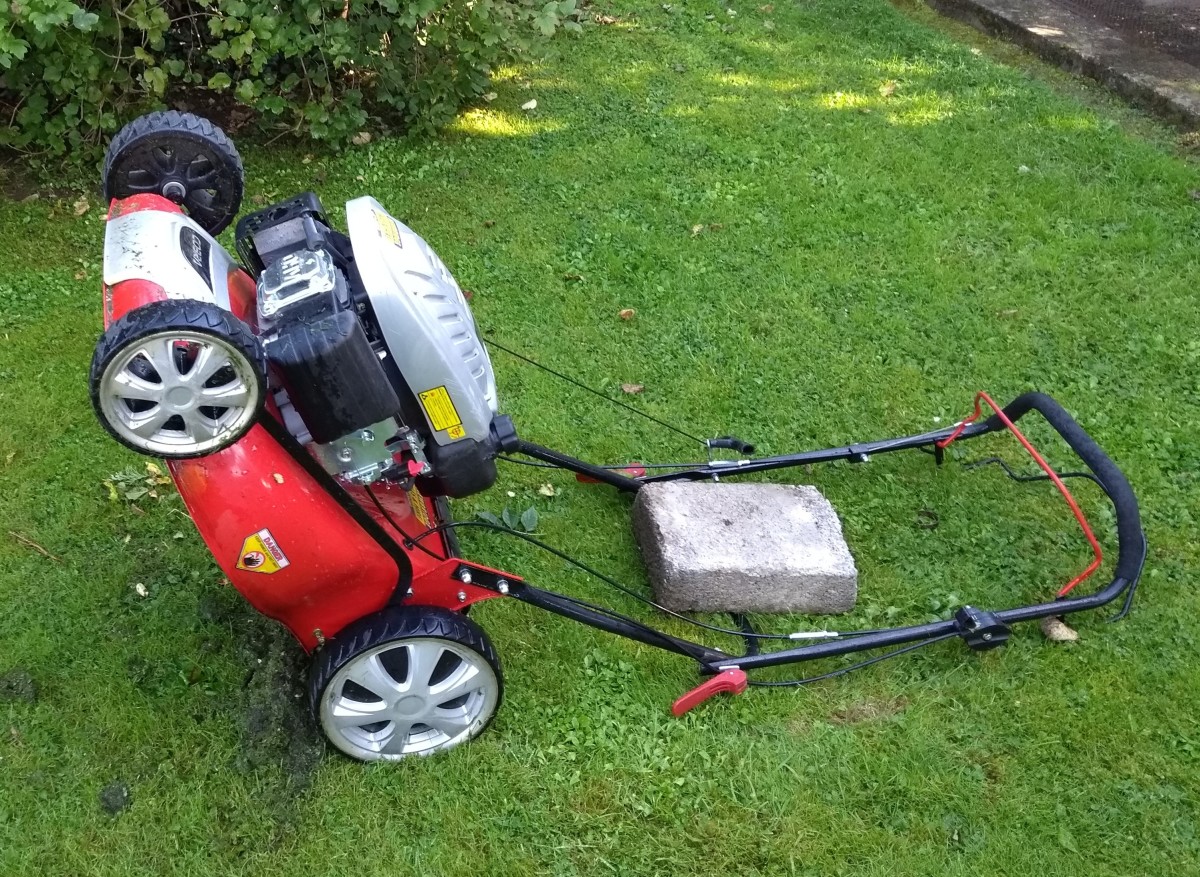
Your lawn mower may not start due to low or poor-quality oil. Regular oil checks are crucial for engine health. Below are key points to consider when checking your oil.
Low Oil
Low oil levels can prevent your lawn mower from starting. Always ensure the oil level is between the “full” and “add” marks on the dipstick.
- Turn off the engine and let it cool.
- Remove the dipstick and wipe it clean.
- Reinsert the dipstick and pull it out to check the level.
If the oil level is too low, add oil until it reaches the proper mark. Always use the oil type recommended by the manufacturer.
Oil Quality And Consistency
Old or dirty oil affects engine performance. Poor oil quality can also prevent your mower from starting.
Check oil consistency by following these steps:
- Place a drop of oil on a white paper towel.
- Observe the color and texture.
If the oil is dark or gritty, it’s time for an oil change. Fresh oil should be clear and smooth. Regular oil changes help maintain engine health and efficiency.
Examine The Starter Mechanism
If your lawn mower isn’t starting, the starter mechanism could be the issue. This part is crucial for the engine to begin running. You can check the starter cord or the starter motor. Both parts are essential for the proper functioning of your mower.
Broken Starter Cord
A broken starter cord can prevent your lawn mower from starting. The cord might snap or become frayed. Inspect the cord closely. If you see any damage, it needs replacement. Replacing the cord is often simple. You can do it yourself with basic tools.
Faulty Starter Motor
The starter motor is another vital part. If the motor is faulty, the engine won’t start. Listen for any strange noises. If the motor clicks or whirs, it might be damaged. In this case, you should replace the starter motor. This task might require professional help.

Consult The User Manual
Struggling with a lawn mower that won’t start? Before you panic, take a moment to consult the user manual. This often-overlooked resource can provide essential insights and solutions.
Manufacturer’s Troubleshooting Guide
The user manual typically includes a manufacturer’s troubleshooting guide. This section helps identify common problems and their fixes. Check the guide for specific troubleshooting steps:
- Is there enough fuel in the tank?
- Is the spark plug in good condition?
- Is the air filter clean?
- Are all safety switches engaged?
These basic checks can often resolve the issue. Follow the manual’s instructions carefully to avoid further damage.
Warranty And Professional Help
If the troubleshooting steps don’t work, the user manual usually provides information about the warranty. Check if your mower is still under warranty:
| Warranty Period | Details |
|---|---|
| 1 Year | Basic coverage for parts and labor. |
| 2-3 Years | Extended coverage for major components. |
If your mower is under warranty, contact the manufacturer for professional help. They can guide you on the next steps or arrange for repairs.
Consulting the user manual can save time and money. It provides a wealth of information that can help get your lawn mower running again.
Frequently Asked Questions
Why Won’t My Lawn Mower Start?
Your lawn mower might not start due to fuel issues, spark plug problems, or a dirty air filter.
What Should I Do If My Lawn Mower Won’t Start?
Check the fuel level, inspect the spark plug for damage, and clean or replace the air filter.
How Do I Fix A Flooded Lawn Mower Engine?
Remove the spark plug, dry it, and let the engine sit for 15-20 minutes before trying again.
Why Is My Lawn Mower Engine Not Getting Fuel?
There could be a blockage in the fuel line or a problem with the carburetor.
Conclusion
Troubleshooting a lawn mower can be frustrating. Start with the basics. Check the fuel, spark plug, and air filter. Simple fixes often solve the issue. Regular maintenance helps avoid future problems. Keep your mower clean and well-serviced. Always follow the user manual for guidance.
If problems persist, consult a professional. This ensures your lawn mower operates smoothly. Happy mowing!
