

Cleaning a lawn mower is crucial for its longevity. It ensures efficient performance and a neat lawn.
Every lawn owner knows the importance of a well-maintained mower. Over time, grass clippings, dirt, and debris build up. This can affect the mower’s efficiency. A clean mower cuts grass evenly and prevents rust. Regular cleaning also extends the mower’s life.
In this guide, we will walk you through simple steps to clean your lawn mower. You don’t need special tools or skills. Just some basic supplies and a bit of time. Keep reading to learn how to keep your mower in top shape.
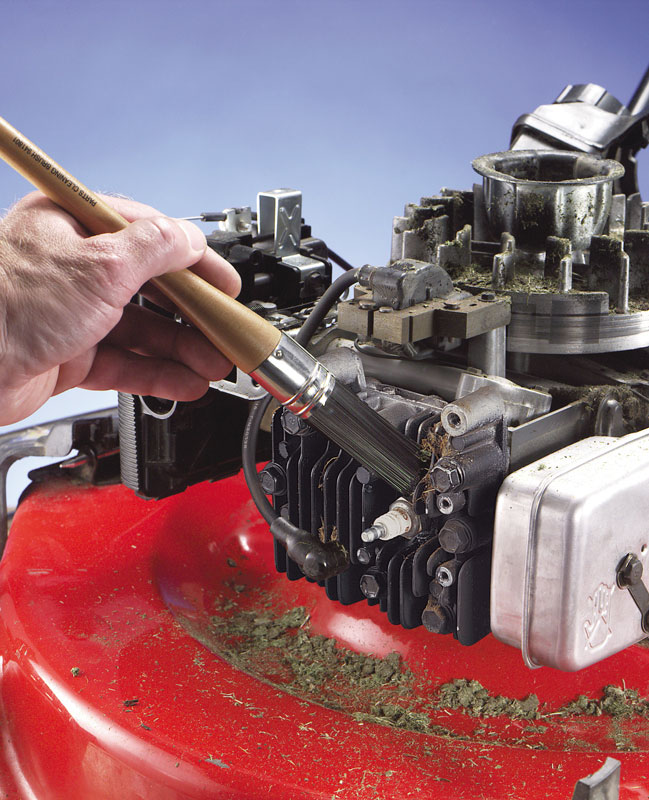
Preparation
Before you start cleaning your lawn mower, it’s important to prepare properly. This ensures safety and efficiency. Follow these steps to get ready.
Gathering Tools
First, gather all necessary tools. You’ll need a few basic items:
- Gloves: Protect your hands from sharp blades and dirt.
- Brush or Scraper: Remove grass and debris.
- Bucket of Soapy Water: Clean surfaces effectively.
- Hose or Pressure Washer: Rinse off the mower.
- Wrench or Screwdriver: Remove parts if needed.
Having these tools ready will make the process smoother.
Safety Precautions
Always prioritize safety when working with lawn mowers. Follow these precautions:
- Disconnect the Spark Plug: Prevent accidental starting.
- Wear Protective Gear: Use gloves and safety glasses.
- Work in a Well-Ventilated Area: Avoid fumes in closed spaces.
- Ensure the Mower is Cool: Avoid burns from hot parts.
- Use a Stable Surface: Prevent the mower from tipping over.
By taking these steps, you can clean your lawn mower safely and efficiently.
Initial Inspection
Before you start cleaning your lawn mower, an initial inspection is crucial. This step helps you identify any damage and understand the cleaning needs. A thorough check ensures safety and efficiency during the cleaning process.
Checking For Damage
Begin by examining the mower for visible damage. Pay close attention to the blades, wheels, and body. Look for cracks, rust, or any broken parts. This helps in identifying areas that may need repair or replacement.
Use a flashlight to inspect hard-to-see areas. Ensure that bolts and screws are tight. Loose parts can cause accidents. If you find any significant damage, consider consulting a professional.
Assessing Cleaning Needs
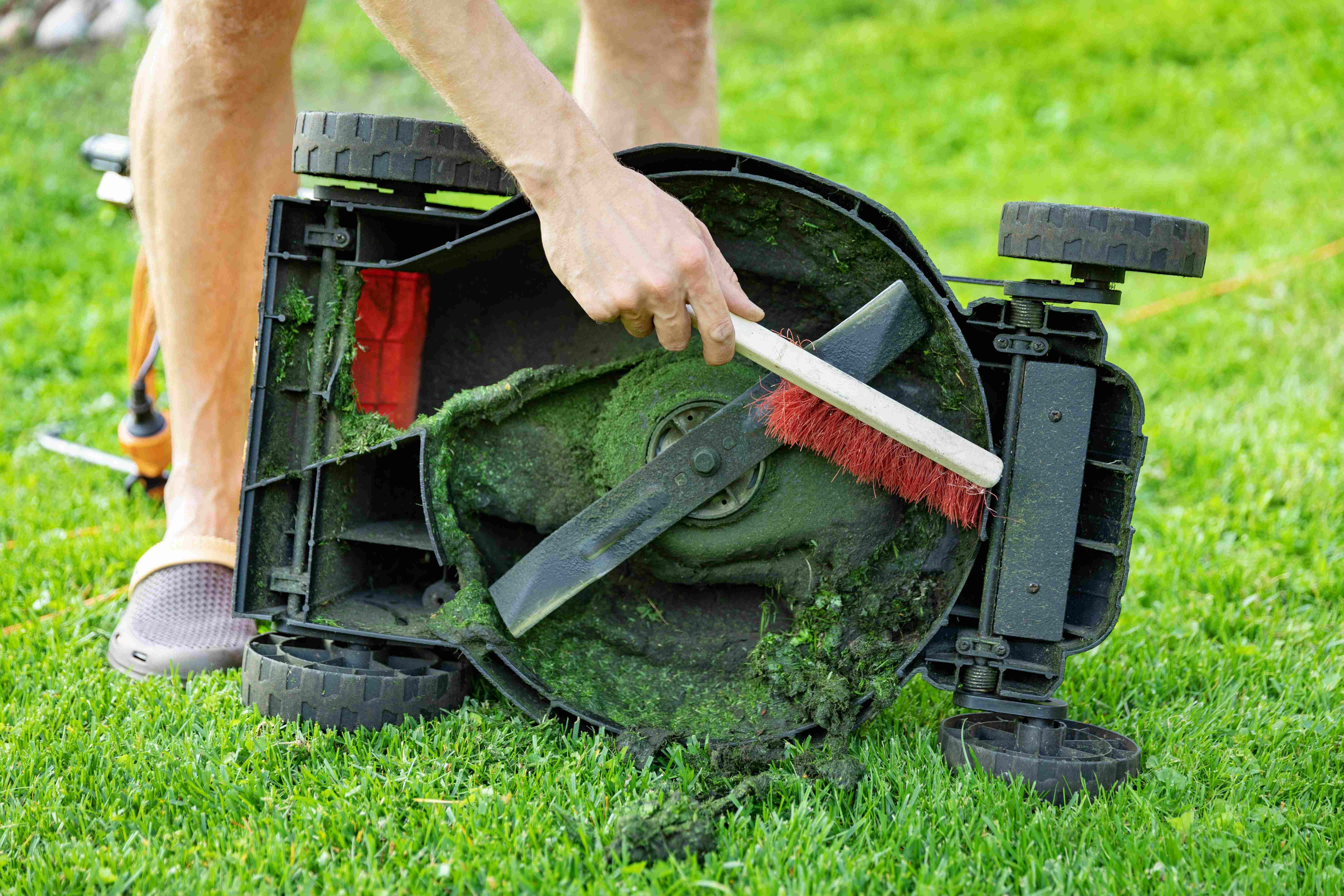
Next, determine the cleaning requirements of your lawn mower. Check the undercarriage for grass clippings and debris. These can affect the mower’s performance. A build-up of grass can also lead to rust.
Inspect the air filter. A clogged air filter reduces efficiency. If it is dirty, clean or replace it. Check the spark plug as well. A clean spark plug ensures smooth operation.
Create a checklist for your cleaning tasks:
- Remove grass clippings from the undercarriage.
- Clean or replace the air filter.
- Check and clean the spark plug.
- Inspect and clean the blades.
By performing an initial inspection, you can ensure your lawn mower remains in top shape. This step sets the foundation for effective cleaning and maintenance.
Removing The Spark Plug
Removing the spark plug is a crucial step in cleaning your lawn mower. It ensures safety and prevents accidental starts. This task is simple but vital for proper maintenance. Let’s dive into why it’s important and how to do it safely.
Why It’s Important
Disconnecting the spark plug keeps the mower from starting unexpectedly. This prevents injuries while cleaning or performing maintenance. It also allows you to inspect the spark plug for wear and tear. A clean spark plug ensures efficient mower operation. Always prioritize safety when working on your lawn mower.
How To Remove Safely
First, locate the spark plug wire on your mower. It’s usually near the engine. Pull the wire off the spark plug gently. Use a spark plug wrench to loosen and remove the plug. Turn the wrench counterclockwise. Once removed, set the spark plug aside in a safe place. Now, you can clean your mower without any risks.

Cleaning The Deck
Cleaning the deck of your lawn mower is crucial. It helps maintain its efficiency and longevity. A clean deck ensures a smooth cut and prevents rust. Let’s walk through the steps to clean the deck effectively.
Scraping Off Grass
First, remove the spark plug to ensure safety. Turn the mower on its side, with the air filter facing up. Use a plastic scraper or putty knife to remove grass clippings. Be thorough, as grass buildup can affect performance. Scrape all the nooks and crannies.
Washing With Water
Once you have scraped off the grass, rinse the deck with water. A garden hose works well for this. Ensure you wash away all the remaining debris. Avoid using a pressure washer as it might damage the mower.
After washing, dry the deck with a clean cloth. This prevents rust. Allow the mower to air dry for a few minutes before reassembling. Regular cleaning keeps your mower in top shape.
Cleaning The Blades
Keeping your lawn mower blades clean is crucial for a well-manicured lawn. Dirty blades can damage your grass and reduce the mower’s efficiency. This section will guide you through the steps to clean and maintain your lawn mower blades.
Removing The Blades
First, ensure the mower is off and disconnected from any power source. Safety is key.
- Wear gloves to protect your hands from sharp edges.
- Use a wrench to remove the bolt holding the blade.
- Keep the bolt and washers in a safe place.
- Gently remove the blade from the mower.
Sharpening And Cleaning
With the blades removed, you can now clean and sharpen them.
- Cleaning: Use a wire brush to remove grass and debris.
- Soak the blade in warm soapy water for stubborn dirt.
- Rinse and dry the blade thoroughly.
Now, it’s time to sharpen the blade.
- Secure the blade in a vice for stability.
- Use a metal file or grinder to sharpen the edge.
- Follow the original angle of the blade while sharpening.
- Check the blade balance by placing it on a nail. An unbalanced blade can damage the mower.
Reattach the blade to the mower, ensuring it is securely fastened. Regular maintenance of your lawn mower blades will keep your lawn looking its best.
Cleaning The Air Filter
The air filter in your lawn mower plays a crucial role. It keeps dirt and debris from entering the engine. A clean air filter helps the mower run efficiently. Regular cleaning can extend the life of your machine. Let’s dive into the process of cleaning the air filter properly.
Types Of Filters
There are two main types of air filters for lawn mowers. Foam filters are washable and reusable. Paper filters are disposable and must be replaced when dirty. Knowing your filter type is essential for proper cleaning.
Cleaning Techniques
Foam filters are easy to clean. Start by removing the filter from the mower. Wash it in warm, soapy water. Squeeze out excess water without wringing it. Let it air dry completely before reinstalling.
Paper filters cannot be washed. Gently tap them to remove loose dirt. If the filter looks clogged, replace it with a new one. Never use water on paper filters, as it can damage them.
Cleaning The Carburetor
Cleaning the carburetor is crucial for a lawn mower’s performance. A dirty carburetor can cause the engine to sputter or not start. Regular maintenance helps keep the carburetor in top shape. Follow these easy steps to clean the carburetor and ensure your lawn mower runs smoothly.
Identifying The Carburetor
First, locate the carburetor on your lawn mower. Usually, it’s near the air filter and fuel line. Look for a small, metal part with a bowl shape. It’s often attached to the side of the engine. Check your mower’s manual if you’re unsure.
Steps For Cleaning
Start by turning off the lawn mower and disconnecting the spark plug. This prevents accidental starts. Next, remove the air filter cover and the air filter. Unscrew the bolts holding the carburetor in place. Carefully take out the carburetor.
Use a carburetor cleaner spray to remove dirt and grime. Spray the cleaner into all openings and jets. Let the cleaner sit for a few minutes. Use a brush or cloth to scrub away any residue. Reassemble the carburetor and reattach it to the mower. Reinstall the air filter and cover.
Reconnect the spark plug and start the mower. Your lawn mower should run smoothly with a clean carburetor. Regular cleaning ensures long-lasting performance.
Reassembling And Final Checks
Reassemble the lawn mower by attaching all parts securely. Conduct final checks to ensure everything is fitted properly and functions smoothly.
After cleaning your lawn mower, reassembling it is the next step. Proper reassembly ensures the mower works efficiently. Follow these steps to get your mower back together and running smoothly.Reattaching Components
First, gather all the cleaned parts. Begin reattaching the blade. Ensure it’s secure to avoid accidents. Use a wrench to tighten the bolt. Next, reattach the spark plug wire. This will allow the mower to start. Finally, place the air filter back in its slot.Conducting A Test Run
Once reassembled, perform a test run. This checks if everything is in place. Start the mower and let it run for a few minutes. Listen for unusual sounds. Watch for any vibrations. If all seems well, your mower is ready for use. If not, recheck the components. “`Frequently Asked Questions
How Often Should I Clean My Lawn Mower?
You should clean your lawn mower after every use. Regular cleaning ensures optimal performance. It also extends the mower’s lifespan and prevents rust.
What Tools Do I Need To Clean A Lawn Mower?
You’ll need a brush, scraper, and garden hose. A screwdriver and a wrench may also be useful for disassembly.
Can I Use Water To Clean My Lawn Mower?
Yes, you can use water. However, avoid using a high-pressure washer. Use a garden hose instead to prevent damage.
How Do I Clean The Lawn Mower Blades?
Disconnect the spark plug first. Then, use a brush and scraper to remove grass and debris. Ensure the blades are dry before reassembling.
Conclusion
Cleaning a lawn mower keeps it running smoothly. Regular maintenance prevents damage. Always follow safety steps. Use the right tools. Clean the blades and undercarriage. Check the air filter and spark plug. Store it properly after cleaning. These simple steps extend your mower’s life.
Keep your lawn looking great with a well-maintained mower. Happy mowing!
