

The first lawn mower was invented in 1830. Edwin Beard Budding, an English engineer, created this groundbreaking device.
This invention transformed the way we care for our lawns. Imagine a time when lawns were cut by hand with scythes. It was hard work. Then came Budding’s invention, changing everything. The lawn mower made it easier to maintain gardens and parks.
Budding’s design was inspired by machines used in textile mills. He saw a chance to adapt this technology for cutting grass. The early lawn mower had a cylindrical blade and was pushed by hand. It was a huge improvement over manual cutting tools. Today, lawn mowers are common, but it all started with Budding’s clever idea in 1830.
Early Lawn Maintenance
Early Lawn Maintenance was a laborious task before the invention of the lawn mower. People had to use various tools and techniques to keep their lawns tidy. These methods were time-consuming and physically demanding. Let’s delve into the early methods of lawn maintenance and the tools that were used.
Before The Lawn Mower
Before the invention of the lawn mower, maintaining a lawn was a significant challenge. Lawns were often large and required constant attention. People used scythes, sickles, and grazing animals to control grass growth. These methods were not only slow but also required significant physical effort.
Tools And Techniques
Several tools were used for lawn maintenance in the early days:
- Scythes: Long-handled tools with curved blades, used for cutting grass manually.
- Sickles: Smaller tools with short handles and curved blades, ideal for cutting smaller patches of grass.
- Grazing animals: Sheep and other livestock were used to graze on lawns, keeping the grass at a manageable height.
Each of these tools and techniques had its drawbacks. Scythes and sickles required skill and strength. Grazing animals could be unpredictable and difficult to control. Despite these challenges, people managed to maintain their lawns using these early methods.
Birth Of The Lawn Mower
The invention of the lawn mower marked a significant milestone in gardening. Before its creation, maintaining lawns was labor-intensive. Let’s explore the birth of the lawn mower, its inventor, and the inspiration behind its design.
Inventor And Invention
The first lawn mower was invented by Edwin Beard Budding in 1830. Budding, an engineer from England, sought to create a more efficient tool for cutting grass. His invention changed the way people maintained their lawns.
Inspiration And Design
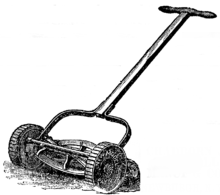
Budding drew inspiration from a machine used to trim the nap of cloth. He adapted this design to cut grass smoothly and evenly. The original mower had a cylindrical blade and was pushed from behind. This design laid the foundation for modern lawn mowers.
First Lawn Mower Patent
The invention of the first lawn mower marks a significant milestone in gardening history. This revolutionary device transformed the way people maintained their lawns, making the task much easier and more efficient. Let’s delve into the details of the first lawn mower patent and understand its impact.
Patent Details
In 1830, Edwin Budding, an engineer from England, invented the first lawn mower. He designed it to cut the grass on sports grounds and gardens. The patent for this device was granted on August 31, 1830. Budding’s mower had a cylindrical blade that spun around a horizontal axis. This design ensured a clean and even cut.
Here are some key features of the first lawn mower:
- Design: Cylindrical blade
- Material: Iron frame
- Operation: Hand-pushed
This ingenious invention laid the foundation for modern lawn mowers. It was a significant leap from traditional scything methods.
Initial Reception
The first lawn mower received mixed reactions. Some people were amazed by its efficiency. Gardeners found it much easier to maintain lawns with the new tool. However, others were skeptical about its practicality. They were accustomed to traditional methods and hesitant to adopt new technology.
Despite the initial skepticism, the lawn mower slowly gained popularity. Its benefits became evident, and soon, it became an essential tool for lawn maintenance. Over time, improvements were made to Budding’s original design, leading to the advanced lawn mowers we use today.
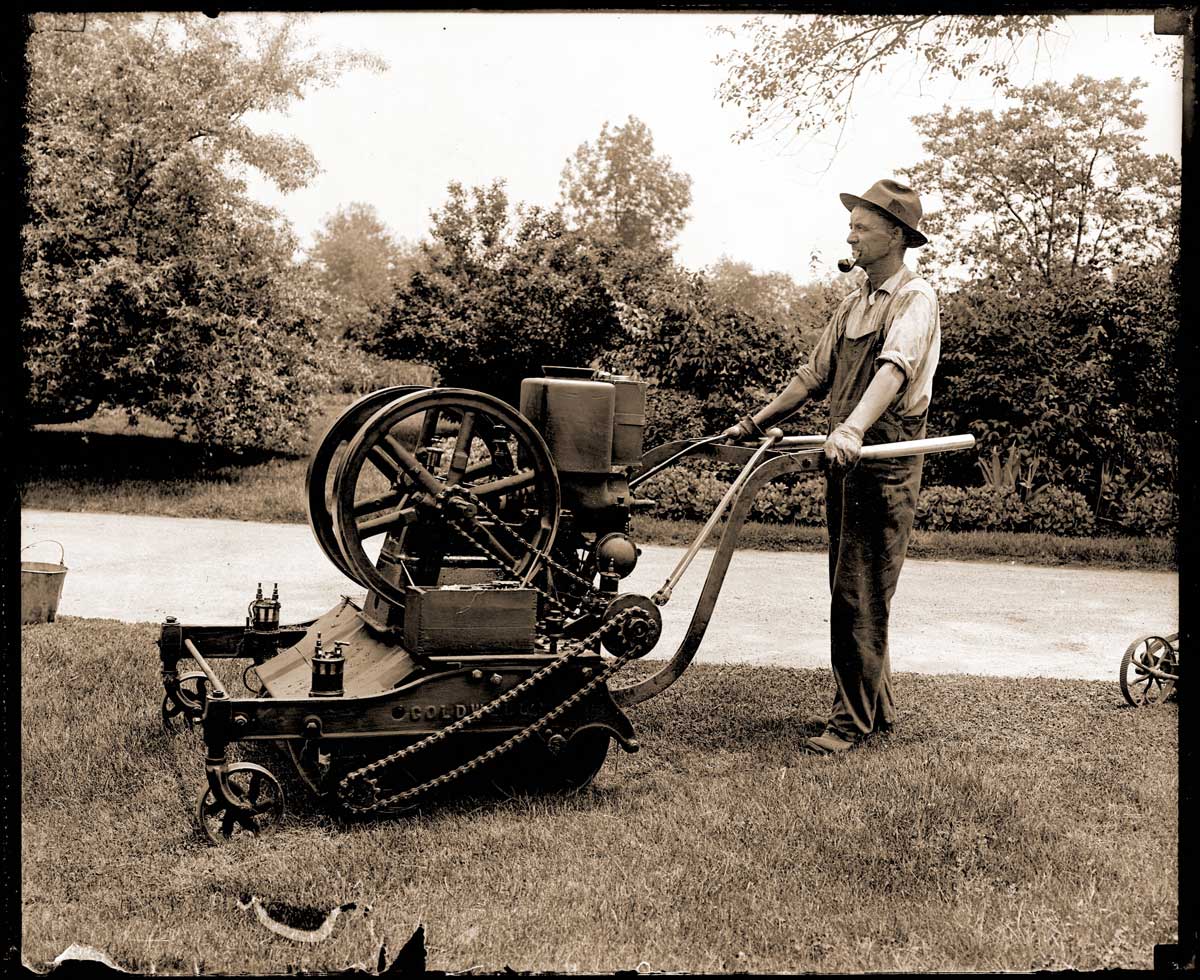
Early Models And Improvements
The first lawn mower was invented in 1830 by Edwin Budding. Early models were pushed by hand and improved over time. These improvements made lawn care easier and more efficient.
The invention of the first lawn mower marked a significant milestone in history. It transformed lawn maintenance into a more manageable task. Early models laid the groundwork for the efficient machines we use today. Let’s delve into the evolution of these early lawn mowers.First Commercial Models
The first commercial lawn mowers appeared in the 1830s. Edwin Budding, an engineer from England, invented the first one in 1830. His design was simple but effective. It featured a cylindrical blade attached to a frame. This mower was pushed manually across the lawn. It made cutting grass more uniform and less labor-intensive.Technological Advances
Over the years, lawn mowers saw many improvements. The 1850s brought the invention of steam-powered mowers. These were larger and used in public parks and estates. By the late 19th century, gasoline-powered mowers emerged. They offered more power and efficiency. The 20th century saw the introduction of electric mowers. These were quieter and more environmentally friendly. Each advancement made lawn care easier and more accessible. “`Impact On Society
The invention of the lawn mower had a profound impact on society. It changed the way people managed their lawns and gardens. Before its invention, maintaining a neat lawn was labor-intensive. The lawn mower simplified this task, making it accessible to more people.
Changing Landscapes
With the lawn mower, private lawns became more common. People could easily keep their grass short and tidy. This led to the rise of the suburban lawn, a hallmark of many neighborhoods today. Parks and public spaces also benefited. They could maintain large grassy areas with less effort. This made green spaces more enjoyable for the public.
Cultural Shifts
The lawn mower influenced cultural norms. A well-kept lawn became a symbol of pride and status. Homeowners took more interest in their outdoor spaces. Lawn care became a popular hobby. This shift also led to the development of lawn care products and services. Businesses sprang up to meet the growing demand.
Overall, the lawn mower’s invention played a key role in shaping modern society. It changed landscapes and influenced cultural practices. The simple machine brought significant changes to everyday life.
Global Spread
The invention of the lawn mower changed the way we care for our lawns. Its impact spread quickly across the globe. From its humble beginnings in England, the lawn mower found its way to various parts of the world. This section explores how the lawn mower became a global phenomenon.
International Adoption
The lawn mower was first invented in 1830 by Edwin Beard Budding in England. Word of this new device spread fast. Other countries saw its potential. The United States was one of the first to adopt the lawn mower. By the late 19th century, American companies began producing their own models. Soon, the lawn mower became common in American homes.
Europe also embraced the lawn mower. France, Germany, and other nations saw the benefits. Their gardens and parks became easier to maintain. The lawn mower’s popularity continued to grow. It became a standard tool in gardening worldwide.
Regional Variations
As the lawn mower spread globally, different regions made their own improvements. In the United States, manufacturers focused on efficiency. They created gasoline-powered mowers. These machines could cover larger areas quickly.
In Europe, there was a focus on precision. European mowers were often designed for smaller, well-kept gardens. They were lighter and easier to maneuver. Japan also developed its own versions. Japanese mowers were known for their innovation. They often included advanced technology and design.
Each region’s unique needs shaped their lawn mowers. This led to a variety of models. The lawn mower continued to evolve. Its global journey is a testament to its importance in gardening.
Modern Lawn Mowers
The modern lawn mower has come a long way since its invention. Today’s models are efficient, user-friendly, and environmentally conscious. They incorporate advanced technology to make lawn care easier and more effective. Let’s explore the innovations and environmental considerations of modern lawn mowers.
Technological Innovations
Modern lawn mowers boast several technological advancements. Many models now include self-propulsion, which reduces physical effort. Some mowers feature adjustable cutting heights for a perfect lawn. Battery-powered mowers are becoming more popular due to their convenience. Robotic mowers can even mow lawns autonomously, saving time and effort.
Environmental Considerations
Environmental impact is a key factor in modern lawn mower design. Electric mowers produce no emissions, making them eco-friendly. Battery-powered mowers are quieter, reducing noise pollution. Manufacturers are also using more sustainable materials to build mowers. These choices help reduce the overall carbon footprint.

Future Of Lawn Maintenance
The future of lawn maintenance is evolving rapidly with technological advancements. Innovations in lawn care tools and techniques are changing how we maintain our green spaces. These changes aim to make lawn care more efficient, eco-friendly, and enjoyable. Let’s explore some key trends and predictions shaping the future of lawn maintenance.
Trends And Predictions
Robotic lawn mowers are becoming more popular. These devices can mow the lawn without human intervention. They save time and reduce manual labor. Smart irrigation systems are also gaining traction. These systems use sensors to water the lawn only when needed. This reduces water waste and ensures healthier lawns.
Another trend is the use of drones for lawn care. Drones can monitor lawn health from above. They can detect issues like pests and diseases early. This allows for timely intervention and better lawn management.
Sustainable Practices
Sustainability is a major focus in lawn maintenance. Using electric lawn mowers reduces carbon emissions. These mowers are quieter and more environmentally friendly. Organic fertilizers are also becoming more common. They promote healthy soil without harmful chemicals.
Rainwater harvesting systems are being used for irrigation. These systems collect and store rainwater. The stored water is then used for watering lawns. This practice conserves water and reduces reliance on municipal water supplies. Sustainable practices ensure that lawn maintenance is eco-friendly and efficient.
Frequently Asked Questions
When Was The First Lawn Mower Invented?
The first lawn mower was invented in 1830 by Edwin Beard Budding. He was an engineer from England.
Who Invented The First Lawn Mower?
Edwin Beard Budding, an English engineer, invented the first lawn mower in 1830. His invention revolutionized lawn care.
Why Was The First Lawn Mower Invented?
The first lawn mower was invented to cut grass on sports grounds and gardens more efficiently. It made lawn care easier.
How Did The First Lawn Mower Work?
The first lawn mower used a reel mechanism with blades. It was pushed manually to cut grass at a uniform height.
Conclusion
The invention of the first lawn mower marked a significant step in gardening. It simplified lawn maintenance, making it more accessible. This invention paved the way for modern lawn care. Today, lawn mowers come in various styles and technologies. They cater to different needs and preferences.
The simple beginnings of the lawn mower show how innovation evolves over time. Understanding its history helps appreciate the convenience we now enjoy. Lawn care has come a long way, thanks to this essential tool. So next time you mow, think of its humble start.
Happy mowing!
