
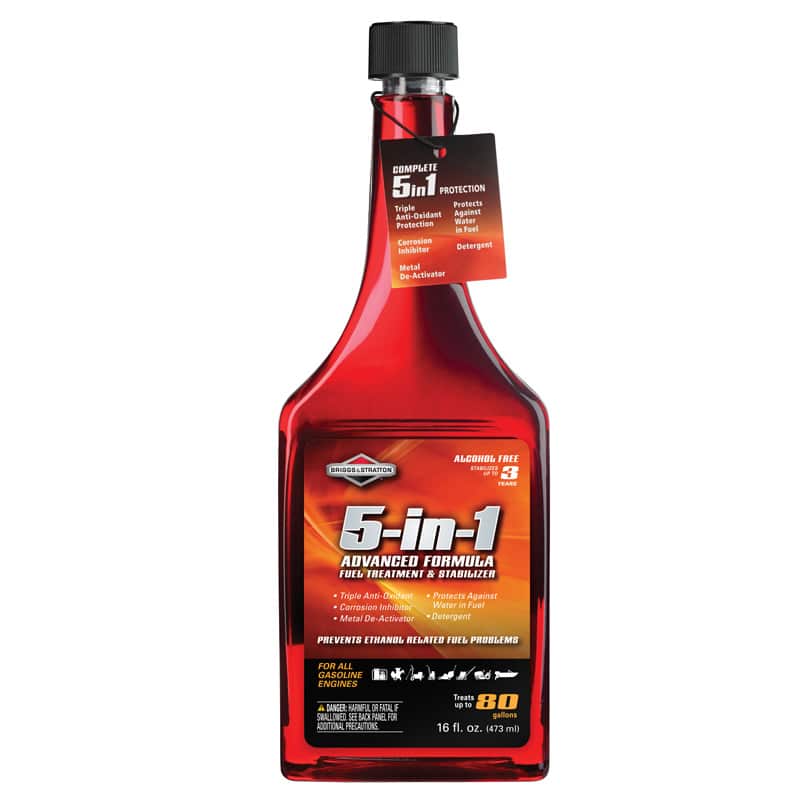
To put gas in a lawn mower, use fresh unleaded gasoline. It should have an octane rating of 87 or higher.
Mowing your lawn keeps it neat and healthy. But, what gas should you use in your lawn mower? Using the right fuel ensures your mower runs smoothly and efficiently. This guide helps you understand which gas is best for your mower.
It covers the importance of fresh fuel, the right octane level, and ethanol content. Following these tips will prolong your mower’s life and performance. Keep reading to learn more about fueling your lawn mower correctly.
Types Of Gasoline
Choosing the right type of gasoline for your lawn mower is important. It ensures optimal performance and longevity of your machine. There are two main types of gasoline you can use: regular unleaded gasoline and premium unleaded gasoline.
Regular Unleaded Gasoline
Most lawn mowers run well on regular unleaded gasoline. It is the standard fuel available at gas stations. This type of gasoline has an octane rating of 87. It is cost-effective and widely accessible. Regular unleaded gasoline is suitable for small engines found in most lawn mowers. It burns cleanly and provides the necessary power for your mower to function effectively.
Premium Unleaded Gasoline
Premium unleaded gasoline has a higher octane rating. Usually, it ranges from 91 to 93. It offers enhanced performance and efficiency. This type of gasoline is often used in high-performance engines. It is less likely to cause knocking or pinging. While it is more expensive, it can benefit some lawn mowers. Especially those with more powerful engines. Always check your mower’s manual before using premium gasoline.

Ethanol Content
When deciding what gas to put in your lawn mower, understanding the ethanol content is crucial. Ethanol is a type of alcohol found in gasoline. It can affect your lawn mower’s performance and longevity. Let’s explore the impact of ethanol and the benefits of choosing ethanol-free gas.
Impact Of Ethanol
Ethanol in gasoline can be harmful to small engines. It tends to absorb moisture from the air, which can lead to water contamination. This can cause corrosion and damage to the engine components.
Another issue is that ethanol can break down plastic and rubber parts. This includes seals, gaskets, and hoses in the fuel system. Over time, these parts may become brittle and fail, leading to costly repairs.
Gas with high ethanol content can also reduce the efficiency of your lawn mower. It does not burn as cleanly as pure gasoline. This can result in poor engine performance and increased fuel consumption.
Choosing Ethanol-free Gas
To avoid these issues, many experts recommend using ethanol-free gas for lawn mowers. This type of gas does not contain any ethanol. It helps maintain the engine’s health and performance.
Here are some benefits of using ethanol-free gas:
- Improved Engine Performance: Without ethanol, the engine runs smoother and more efficiently.
- Reduced Risk of Damage: Ethanol-free gas prevents corrosion and damage to engine parts.
- Longer Shelf Life: Ethanol-free gas has a longer shelf life, making it ideal for seasonal equipment.
To find ethanol-free gas, check your local gas stations or hardware stores. Some brands may label it as “recreational fuel” or “marine fuel.” Always read the labels and choose the right fuel for your lawn mower.
Octane Rating
Understanding the octane rating of the gas you put in your lawn mower is crucial. The octane rating measures a fuel’s ability to resist “knocking” during combustion. Knocking can damage your engine and lower performance. Using the right octane level ensures your lawn mower runs smoothly and efficiently.
Recommended Octane Levels
Most lawn mowers work best with regular unleaded gasoline. This typically has an octane rating of 87. This level is sufficient for small engines. It prevents knocking and ensures smooth operation. Always check your lawn mower’s manual. It will specify the recommended octane rating for your model.
Effects Of High Octane Gas
High octane gas has a rating of 91 or higher. It is designed for high-performance engines. Using high octane gas in a lawn mower does not improve performance. It does not provide extra power or efficiency. In fact, it can be a waste of money. It is best to stick with the recommended 87 octane fuel.
Additives And Stabilizers
Maintaining your lawn mower in top condition extends its lifespan and efficiency. Using the right gas is essential, but don’t overlook additives and stabilizers. These products enhance fuel performance and protect your mower. Let’s explore the benefits of fuel additives and the importance of fuel stabilizers.
Benefits Of Fuel Additives
Fuel additives can significantly improve the performance of your lawn mower. Here are some key benefits:
- Cleaner Engine: Additives help remove carbon deposits.
- Improved Efficiency: They enhance fuel combustion.
- Reduced Emissions: Cleaner burning fuel lowers emissions.
- Extended Engine Life: By keeping the engine clean, additives extend its life.
Using Fuel Stabilizers
Fuel stabilizers are crucial for maintaining fuel quality, especially during storage. They prevent fuel degradation, ensuring your mower runs smoothly when you need it.
Here are the main advantages of using fuel stabilizers:
| Advantage | Description |
|---|---|
| Prevents Fuel Breakdown | Stabilizers keep fuel fresh for up to 24 months. |
| Prevents Ethanol Damage | They reduce damage caused by ethanol in gasoline. |
| Ease of Use | Simply add it to the fuel tank. |
| Cost-Effective | Fuel stabilizers are affordable and prevent costly repairs. |
Using both additives and stabilizers ensures your lawn mower remains in excellent condition. Keep your mower running efficiently with the right fuel care.
Storing Gasoline
Storing gasoline correctly is crucial for maintaining your lawn mower. Improper storage can lead to fuel degradation and engine problems. Follow these guidelines to ensure your gasoline stays fresh and effective.
Proper Storage Containers
Always use an approved container for storing gasoline. These containers are specifically designed to prevent leaks and minimize evaporation. Choose a red container marked “gasoline” to avoid confusion. Store the container in a cool, dry place, away from direct sunlight and heat sources.
Shelf Life Of Gasoline
Gasoline has a limited shelf life. Over time, it can degrade and lose its effectiveness. Typically, gasoline remains usable for about three to six months. After this period, it may not combust properly, causing engine issues. Using a fuel stabilizer can extend the shelf life up to a year. Always check the expiration date and replace old gasoline to keep your lawn mower running smoothly.

Refueling Tips
Refueling your lawn mower correctly ensures it runs smoothly. It also prevents damage. Proper refueling involves several steps. They include safety precautions and preventing spills. Below are some refueling tips to help you.
Safety Precautions
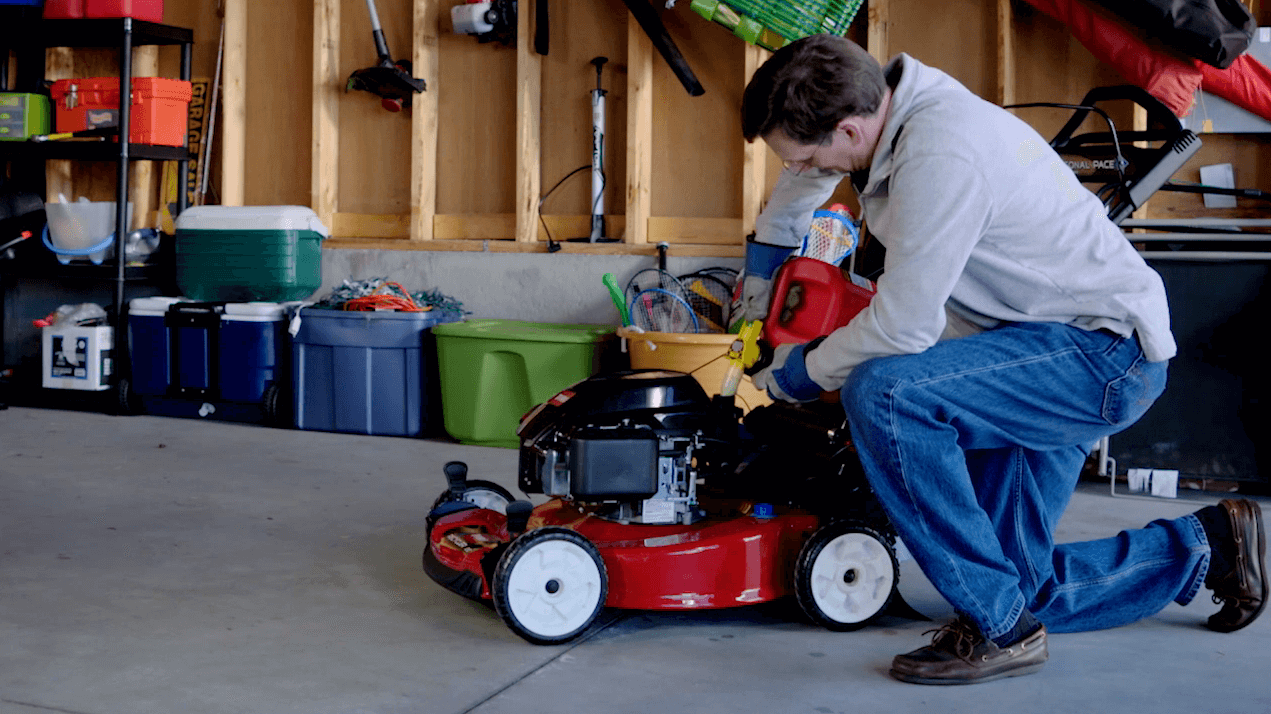
Always refuel your lawn mower in a well-ventilated area. Gasoline fumes can be harmful. Turn off the engine before refueling. Allow it to cool down. Hot engines can ignite gasoline fumes.
Keep a fire extinguisher nearby. It’s better to be prepared. Store gasoline in an approved container. Avoid smoking or using open flames near gasoline. Wear protective gloves to avoid skin contact. Gasoline can cause irritation.
Preventing Spills
Use a funnel when refueling. It helps direct the gasoline into the tank. Check the fuel level regularly to avoid overfilling. Wipe up any spills immediately. Gasoline can damage the mower’s parts.
Store your gasoline container properly. Keep it tightly sealed. Place it in a cool, dry place. Label the container clearly. This prevents confusion and accidents.
By following these tips, you can ensure safe and efficient refueling. Your lawn mower will thank you with better performance.
Signs Of Bad Gas
Bad gas can cause serious problems for your lawn mower. It can lead to poor performance or complete failure. Knowing the signs of bad gas can save you time and money.
Symptoms In Lawn Mower
Recognizing the symptoms of bad gas in your lawn mower is crucial. Here are some common signs:
- Difficulty starting the engine
- Rough idling or stalling
- Reduced power during mowing
- Unusual noises from the engine
- Excessive smoke from the exhaust
How To Fix Contaminated Fuel
Fixing contaminated fuel is essential to keep your lawn mower running smoothly. Follow these steps:
- Drain the old fuel from the tank.
- Clean the fuel tank to remove any debris.
- Replace the fuel filter if necessary.
- Add fresh gasoline to the tank.
- Run the engine for a few minutes to ensure it works properly.
Using fresh, high-quality gasoline is key to maintaining your lawn mower’s performance. Regular maintenance can help avoid problems caused by bad gas.
Maintenance Tips
Keeping your lawn mower in top condition ensures a great-looking lawn. Regular maintenance is key. Here are some essential maintenance tips to keep your mower running smoothly and efficiently.
Regular Fuel System Checks
Regularly checking the fuel system is crucial. Inspect the fuel lines for any signs of wear or damage. Look for cracks or leaks. Replace any damaged parts immediately. This prevents fuel from leaking and ensures the engine runs smoothly.
Also, check the fuel filter. A clogged filter can restrict fuel flow. This leads to poor engine performance. Replace the filter if it looks dirty or clogged. Keeping the fuel system clean extends the life of your lawn mower.
Cleaning The Fuel Tank
Cleaning the fuel tank is another important step. Remove any old fuel before storing the mower for the winter. Old fuel can degrade and cause issues. Use a siphon pump to remove the fuel.
Next, clean the inside of the tank. Use a fuel system cleaner and follow the instructions on the product. This helps remove any built-up deposits. Rinse the tank with fresh fuel and drain it completely. This ensures the tank is clean and ready for fresh fuel.
Consider using a fuel stabilizer. This keeps the fuel fresh for longer. Add the stabilizer to the fuel tank according to the instructions. This is especially useful if you store the mower for extended periods.
| Maintenance Task | Recommended Frequency |
|---|---|
| Check Fuel Lines | Monthly |
| Replace Fuel Filter | Annually or as needed |
| Clean Fuel Tank | Before storage |
| Add Fuel Stabilizer | Before storage |
By following these tips, you can keep your lawn mower in excellent condition. Regular maintenance ensures your mower runs efficiently and lasts longer.
Frequently Asked Questions
What Type Of Gas Should I Use In My Lawn Mower?
Use unleaded gasoline with an octane rating of 87 or higher. Avoid gas with more than 10% ethanol.
Can I Use Regular Gas In My Lawn Mower?
Yes, regular unleaded gasoline with an octane rating of 87 or higher is suitable. Ensure it contains no more than 10% ethanol.
Is Premium Gas Better For Lawn Mowers?
Premium gas is not necessary for lawn mowers. Use unleaded gasoline with an octane rating of 87 or higher.
Can I Use Gas With Ethanol In My Lawn Mower?
Gas with up to 10% ethanol is acceptable. Avoid gas with more than 10% ethanol to prevent engine damage.
Conclusion
Selecting the right gas for your lawn mower is crucial. It ensures efficient operation. Always check the mower’s manual for fuel recommendations. Use fresh, unleaded gasoline with the proper octane rating. Avoid ethanol blends above 10%. Regular maintenance and using the right fuel can extend your mower’s life.
Simple steps make a big difference. Keep your lawn looking great. Your mower will thank you. Happy mowing!
