
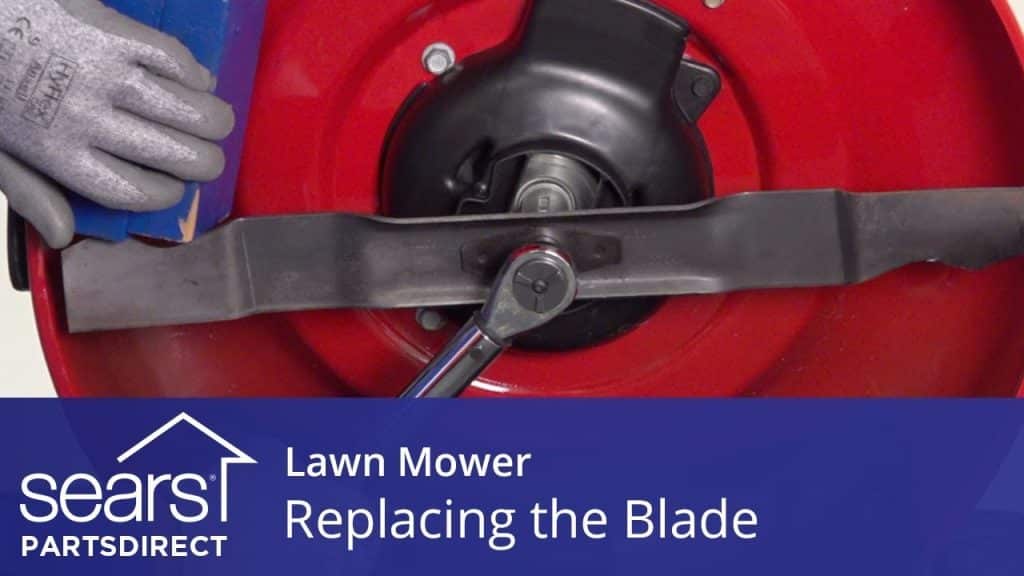
Keeping your lawn mower in top shape ensures a beautiful yard. One crucial part to monitor is the blade.
A sharp, well-maintained blade cuts grass cleanly and promotes healthy growth. Over time, though, blades wear down, becoming dull and less effective. This can lead to uneven cuts, torn grass, and more stress on your mower’s engine. So, knowing when to replace the lawn mower blade is essential.
In this post, we’ll explore the signs indicating it’s time for a new blade. We’ll also discuss the benefits of replacing it and provide tips for proper blade maintenance. Let’s dive in and keep your lawn looking its best!
Signs Of A Dull Blade
Maintaining a healthy lawn requires regular care, including keeping your lawn mower blade sharp. Recognizing the signs of a dull blade can help you decide when it’s time to replace it. A sharp blade ensures a clean cut, which keeps your grass healthy and looking great.
Uneven Grass Cut
If your lawn looks patchy or uneven after mowing, it could be a sign of a dull blade. A sharp blade cuts grass evenly, leaving your lawn smooth. A dull blade, on the other hand, often results in an uneven cut, making your lawn appear ragged and untidy. Look for areas where the grass is longer or shorter than others. This is a clear indicator that your blade might need replacing.
Tearing Instead Of Cutting
A dull blade tends to tear the grass rather than cut it cleanly. You may notice torn grass blades, which can lead to brown tips and make your lawn vulnerable to diseases. Inspect the grass tips after mowing. If they appear shredded or torn, it’s time to replace your blade. A clean cut is crucial for the health of your lawn, and a sharp blade is the key.
Visible Damage
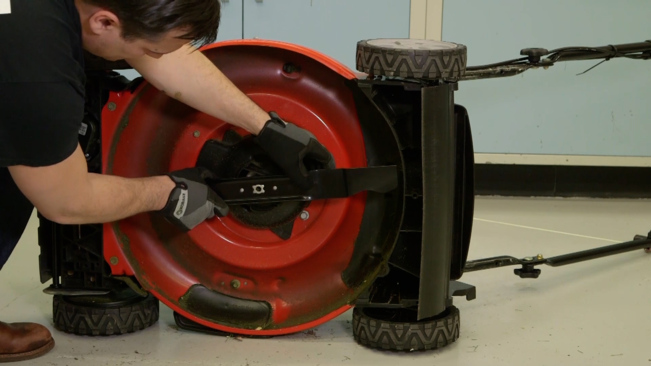
Visible damage to your lawn mower blade can lead to uneven cuts. This can affect the health of your grass. It’s important to check your blade often. Small issues can turn into big problems if ignored. Here are some common signs of visible damage.
Nicks And Chips
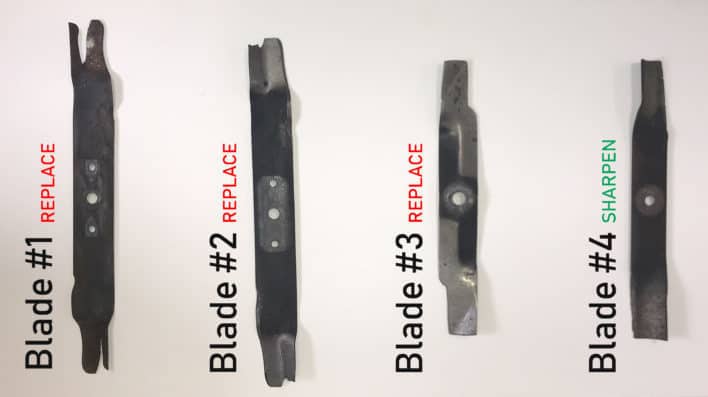
Nicks and chips are common signs of blade damage. They can occur from hitting rocks or other debris. Even small nicks can affect the cutting ability. Inspect the blade for any visible chips. Replace the blade if you find multiple nicks.
Bent Blade
A bent blade is a serious issue. It can cause vibrations and uneven cuts. This can harm your lawn. A bent blade usually results from hitting a hard object. Check for any bends in the blade. If the blade is bent, replace it immediately. This ensures the safety and efficiency of your mower.
Reduced Mower Performance
Reduced mower performance can significantly impact your lawn maintenance routine. A dull or damaged blade affects the efficiency of your mower. You might notice uneven grass cuts, which is a clear sign of reduced performance.
Increased Engine Strain
A dull mower blade can lead to increased engine strain. The engine works harder to cut the grass. This extra effort can cause wear and tear on the motor. You may also experience higher fuel consumption.
Frequent Stalling
Frequent stalling is another indicator of a worn-out blade. A dull blade struggles to cut through the grass. This can cause the mower to stall often. Replacing the blade can prevent this issue. It ensures smoother operation and less frustration.
Age Of The Blade
The age of your lawn mower blade is a crucial factor in lawn care. An old blade can damage grass, leaving it looking unhealthy and uneven. Knowing when to replace the blade helps maintain a beautiful lawn.
Typical Lifespan
A lawn mower blade typically lasts about one to two years. This lifespan can vary based on usage and maintenance. Regular sharpening can extend the blade’s life, but it won’t last forever. Observing the blade’s condition will help determine its age and effectiveness.
Factors Affecting Longevity
Several factors can affect the longevity of a lawn mower blade. The frequency of use plays a significant role. Mowing large lawns frequently can wear out the blade faster. The type of grass and lawn conditions also matter. Tough, thick grass and rocky terrains can dull the blade quickly.
Proper maintenance is essential for extending blade life. Cleaning the blade after each use and sharpening it regularly can help. Storing the mower in a dry place prevents rust, which can shorten the blade’s lifespan.
Maintenance Frequency
Maintaining your lawn mower blade is crucial for a healthy lawn. The frequency of maintenance depends on usage and conditions. Regular maintenance ensures a clean cut and a beautiful yard.
Regular Sharpening Schedule
Sharpening the blade regularly is essential. A dull blade tears grass instead of cutting it. This can lead to disease and an unhealthy lawn.
Follow this sharpening schedule:
- Weekly use: Sharpen every 20-25 hours of mowing.
- Bi-weekly use: Sharpen every 25-30 hours of mowing.
Ensure the blade is balanced after sharpening. An unbalanced blade can cause vibration and damage the mower.
Inspections And Cleaning
Inspecting the blade is important. Look for nicks, bends, or cracks. Replace the blade if you see any of these signs.
Cleaning the blade after each use is also important. Grass buildup can cause rust and reduce cutting efficiency. Follow these steps for cleaning:
- Disconnect the spark plug.
- Use a brush to remove grass and debris.
- Wipe the blade with a damp cloth.
For a longer blade life, store the mower in a dry place. Moisture can cause the blade to rust.
| Frequency | Action |
|---|---|
| Weekly Use | Sharpen every 20-25 hours |
| Bi-weekly Use | Sharpen every 25-30 hours |
| After Each Use | Clean and inspect the blade |
Regular maintenance extends the life of your blade. It ensures a clean and healthy lawn. Follow these simple steps for the best results.
Grass Type And Conditions
Understanding the grass type and conditions in your yard is essential for maintaining your lawn mower blade. Different grass types and yard conditions can affect the lifespan of your blade. Regular inspection and timely replacement can keep your lawn looking its best.
Tougher Grasses
Some grass types are tougher and more demanding on your lawn mower blade. For example, Bermuda grass and zoysia grass have thicker blades and can dull your mower blade faster. If you have these types of grass, you may need to replace your blade more frequently.
Consider the following tips to help manage tougher grasses:
- Sharpen blades every 8-10 mows.
- Inspect for damage or wear after each mow.
- Keep an extra blade for quick replacement.
Debris And Rocks
Yard conditions also play a significant role in blade wear. Debris and rocks can cause nicks and damage to the blade. Regularly clear your yard of any debris before mowing. This can prolong the life of your blade.
Here’s a quick checklist for maintaining your blade:
- Walk the yard and remove visible rocks.
- Check for hidden debris in high grass areas.
- Inspect blade for damage after mowing.
| Condition | Action |
|---|---|
| Tougher Grasses | Sharpen more frequently, inspect regularly |
| Debris and Rocks | Clear yard before mowing, inspect for damage |
By understanding your grass type and yard conditions, you can ensure your lawn mower blade stays in top shape. This leads to a healthier and more beautiful lawn.
Safety Considerations
Replacing a lawn mower blade is essential for maintaining your lawn. But ensuring safety during the process is equally important. Here’s what you need to know about staying safe while replacing your lawn mower blade.
Preventing Accidents
Preventing accidents is crucial when working with lawn mower blades. Always disconnect the spark plug before starting. This prevents the mower from accidentally starting. Wear gloves to protect your hands from sharp edges. Use eye protection to shield your eyes from debris.
Follow these steps to prevent accidents:
- Disconnect the spark plug.
- Wear protective gloves and eyewear.
- Ensure the mower is on a flat, stable surface.
- Use proper tools for removing and installing blades.
Using Proper Tools
Using the right tools makes the job safer and easier. A socket wrench is ideal for loosening the blade bolt. Make sure to use a blade holder to keep the blade steady. This prevents injuries and ensures a proper fit.
Here’s a list of tools you should have:
- Socket wrench
- Blade holder or block of wood
- Gloves
- Eye protection
Using a torque wrench is also recommended. This ensures the blade is tightened to the manufacturer’s specifications. Over-tightening or under-tightening can cause accidents.
Remember, safety first. Always use the proper tools for the job.
Replacement Process
Replacing your lawn mower blade is crucial for a well-maintained lawn. A sharp blade ensures clean cuts, promoting healthier grass. Follow this guide to choose and replace your blade effectively.
Choosing The Right Blade
Selecting the correct blade is vital. The wrong blade can damage your mower or your lawn.
- Check your mower’s manual: The manual lists compatible blades.
- Know your lawn type: Different grasses need different blades.
- Measure the blade: Ensure the new blade matches the old one’s size.
- Consider the blade material: High-quality steel blades last longer.
Step-by-step Guide
Follow these steps for a smooth blade replacement:
- Safety first: Disconnect the spark plug to prevent accidents.
- Flip the mower: Tilt it to access the blade. Use a block to keep it steady.
- Remove the old blade: Use a wrench to loosen the blade bolt. Keep track of the washers and bolts.
- Install the new blade: Align it correctly. Tighten the bolt securely.
- Reconnect the spark plug: Ensure everything is secure before starting the mower.
By following these steps, you ensure your lawn mower performs at its best. Regular blade maintenance keeps your lawn healthy and attractive.
Frequently Asked Questions
How Often Should I Replace My Lawn Mower Blade?
Typically, lawn mower blades should be replaced every 1-2 years. However, this depends on usage frequency and lawn size. Regular inspection is key.
What Signs Indicate A Dull Lawn Mower Blade?
Look for uneven grass, torn blades, or brown tips on your lawn. These signs suggest your blade is dull and needs replacement.
Can I Sharpen A Lawn Mower Blade Instead Of Replacing It?
Yes, you can sharpen a dull blade. However, after several sharpenings, it may become too thin and require replacement.
How Do I Know My Lawn Mower Blade Is Damaged?
Check for nicks, cracks, or bends in the blade. If any are present, it’s time to replace the blade.
Conclusion
Replacing your lawn mower blade keeps your yard looking great. Regular checks prevent uneven cuts and damage. Dull blades stress your lawn and mower. Inspect blades after every 20 hours of use. Look for nicks, bends, and dullness. Sharpen or replace if needed.
A sharp blade ensures a healthy, beautiful lawn. Safety first: always disconnect the mower before blade maintenance. A well-maintained blade saves time and effort. Keep your lawn mower in top shape. Enjoy a well-manicured lawn with minimal hassle.
