
Using the right gas for your lawn mower is crucial. It ensures your mower runs smoothly and lasts longer.
Many people are confused about which fuel to use. Should you opt for regular unleaded, or is premium gas better? Understanding the type of gas your lawn mower needs can prevent engine issues and improve performance. In this guide, we’ll clear up the confusion.
We will explain the best gas options for your mower and why choosing the right one matters. Get ready to make your lawn mower run efficiently with the correct fuel. Let’s dive in!
Types Of Gasoline
Choosing the right gasoline for your lawn mower is crucial for its performance. Different types of gasoline can affect how well your mower runs. Let’s look at the different types of gasoline you can use in your lawn mower.
Regular Unleaded
Regular unleaded gasoline is the most common type. It has an octane rating of 87. This type is usually the least expensive option. Regular unleaded is suitable for most lawn mowers. It helps the engine run smoothly without any issues. Always check your mower’s manual to ensure compatibility.
Premium Unleaded
Premium unleaded gasoline has a higher octane rating, usually 91 or 93. This type of gas is more refined and can improve engine performance. Premium unleaded may be beneficial for high-performance lawn mowers. It can reduce engine knocking and increase fuel efficiency. But, it is more expensive than regular unleaded. Again, check your mower’s manual before deciding.
Ethanol Content
Understanding the ethanol content in gasoline is crucial for maintaining your lawn mower. Ethanol is a type of alcohol made from plants, commonly corn. It’s used to increase octane and reduce carbon emissions in fuel. Different gasolines have different ethanol contents. Let’s dive into the common types.
E10 Gasoline
E10 gasoline contains up to 10% ethanol. This type is widely available at most gas stations. It’s often recommended for small engines, including lawn mowers. E10 burns cleaner than pure gasoline. It also helps reduce air pollution. However, ethanol can attract moisture, which might cause issues if the fuel sits for too long.
E15 And E85 Gasoline
E15 gasoline contains up to 15% ethanol. E85 gasoline can contain up to 85% ethanol. These fuels are generally not recommended for lawn mowers. They are designed for flex-fuel vehicles. Using E15 or E85 in a lawn mower can cause damage. The higher ethanol content can lead to corrosion and other problems. Always check your mower’s manual before choosing a fuel.
Octane Rating
Choosing the right gas for your lawn mower is important. One key factor to consider is the octane rating. The octane rating indicates the fuel’s ability to resist knocking. Knocking is a rattling noise that reduces engine performance.
Recommended Octane Level
Most lawn mowers require gas with a minimum octane rating of 87. This is often labeled as “regular” unleaded gasoline. Using the recommended octane level ensures your lawn mower runs smoothly.
Using gas with a higher octane rating than recommended does not improve performance. It may even be a waste of money. Stick to the manufacturer’s guidelines for the best results.
Impact Of Low Octane
Using gas with a lower octane rating than recommended can cause problems. Low octane gas can lead to engine knocking. Knocking damages the engine over time. This reduces the mower’s lifespan.
In addition to knocking, low octane gas can cause poor fuel efficiency. Your lawn mower may use more gas than needed. This increases your fuel costs.
Always check the octane rating before filling up your lawn mower. Using the correct fuel will help keep your engine in good condition.
Gasoline Additives
Gasoline additives can help improve your lawn mower’s performance. They ensure the fuel system stays clean and runs efficiently. There are different types of additives you can use. Two common types are stabilizers and fuel system cleaners. Let’s explore these in detail.
Stabilizers
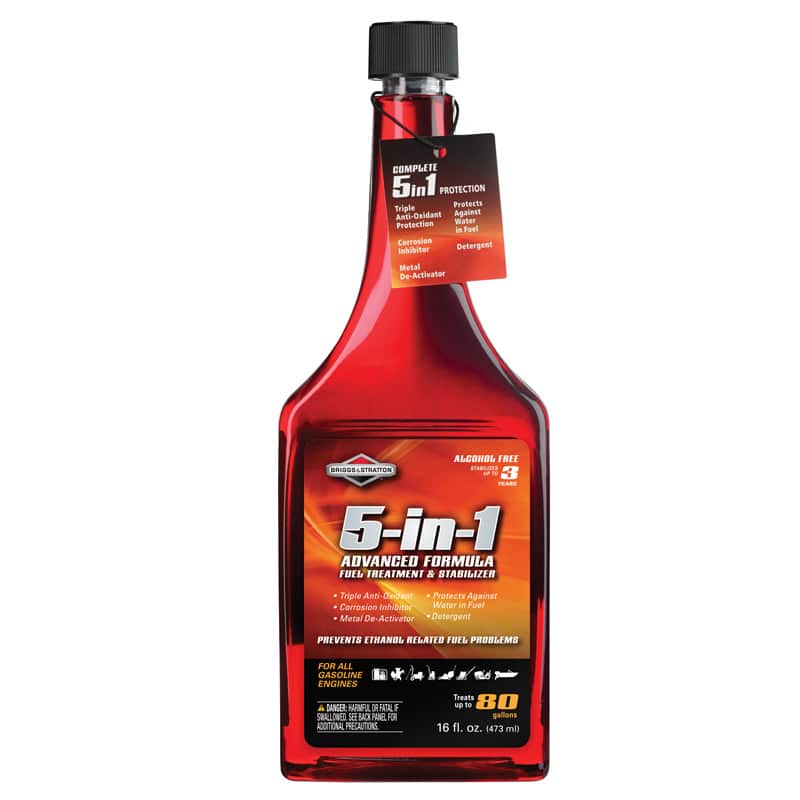
Stabilizers prevent the gasoline from breaking down over time. They are especially useful if you store your lawn mower for long periods. Without stabilizers, gasoline can form gum and varnish. This can clog the fuel system and cause engine problems. Adding a stabilizer extends the life of the gasoline. It keeps your lawn mower ready for use at any time.
| Benefits of Stabilizers |
|---|
| Prevents fuel degradation |
| Reduces engine deposits |
| Keeps fuel system clean |
Fuel System Cleaners
Fuel system cleaners are another type of additive. They help remove deposits from the fuel system. Over time, deposits can build up in the fuel injectors and carburetor. These deposits can reduce engine performance. Using a fuel system cleaner ensures these components stay clean. It improves fuel efficiency and power output.
- Clears fuel injectors for better performance
- Removes carbon deposits from the carburetor
- Improves fuel efficiency and engine power
Adding the right gasoline additives can make a big difference. Your lawn mower will run smoothly and last longer.
Seasonal Considerations
Choosing the right gasoline for your lawn mower can be tricky. Seasonal changes can affect gasoline performance and your mower’s efficiency. Here’s what you need to know about gasoline for different seasons.
Summer Vs. Winter Gasoline
Summer gasoline differs from winter gasoline in its composition. Summer gas has lower volatility, meaning it evaporates less easily. This helps your lawn mower run smoothly in hot weather. Winter gasoline, on the other hand, has higher volatility. This makes it easier to start your mower in cold temperatures.
Using the right type of gasoline for the season ensures optimal performance. Always check your local gas stations for seasonal blends. They typically switch blends in spring and fall.
Storage Tips
Proper storage of gasoline is crucial. Use a clean, airtight container to store your fuel. Keep it in a cool, dry place away from direct sunlight. Avoid storing gasoline for long periods. Over time, gasoline can degrade and harm your lawn mower.
Consider adding a fuel stabilizer if you need to store gasoline for more than 30 days. This additive helps maintain the fuel’s quality and extends its shelf life. Always label your containers with the purchase date to keep track of your fuel’s age.
Two-stroke Engines
Understanding the type of gas required for your lawn mower is crucial. Especially if it has a two-stroke engine. Two-stroke engines are common in smaller, lighter lawn mowers. They need a specific fuel mix for optimal performance and longevity. Below, we will delve into the details of what gas goes into two-stroke engines.
Gasoline And Oil Mix
Two-stroke engines require a mix of gasoline and oil. This mix lubricates the engine as it runs. Regular gasoline alone won’t suffice. The oil in the mix ensures the engine parts stay lubricated and function smoothly.
Use fresh, unleaded gasoline with an octane rating of 87 or higher. Choose high-quality two-stroke engine oil. Avoid using oils meant for outboard motors or other non-lawn mower engines.
Mixing Ratios
Getting the mixing ratio right is essential. Most two-stroke engines require a ratio of 50:1. This means 50 parts gasoline to 1 part oil.
| Gasoline (in gallons) | Oil (in ounces) |
|---|---|
| 1 | 2.6 |
| 2 | 5.2 |
| 5 | 13 |
Follow these steps to mix the fuel:
- Measure the gasoline accurately.
- Pour the gasoline into a clean gas can.
- Measure the oil precisely.
- Add the oil to the gasoline in the gas can.
- Seal the gas can and shake it to mix.
Always mix the fuel in a well-ventilated area. Store the mixed fuel in a clean, approved container.
Four-stroke Engines
Four-stroke engines are common in lawn mowers. They are reliable and efficient. These engines require specific types of fuel to run properly. Understanding the right fuel is crucial for your lawn mower’s performance.
Pure Gasoline
Four-stroke engines typically use pure gasoline. This means gas without any ethanol. Ethanol can cause damage to the engine over time. Pure gasoline keeps the engine running smoothly. It also helps in reducing the wear and tear.
Maintenance Tips
Regular maintenance is key to a healthy lawn mower. Check the oil regularly and change it when needed. Clean the air filter to ensure optimal airflow. Inspect the spark plug and replace it if necessary. Use fresh gasoline to avoid any engine problems. Store your lawn mower in a dry place to prevent rust.
Environmental Impact
Choosing the right type of gas for your lawn mower is not just about performance. It also has significant environmental impact. The type of fuel you use can affect the air quality and your carbon footprint. Understanding the emissions and considering eco-friendly alternatives can help you make a more informed choice. Let’s dive into the details.
Emissions
Gasoline-powered lawn mowers contribute to air pollution. They emit harmful gases like carbon monoxide, nitrogen oxides, and hydrocarbons. These gases can harm the environment and human health. According to the Environmental Protection Agency (EPA), one hour of mowing with a gas mower can produce as much pollution as driving a car for 300 miles.
Older lawn mowers typically release more emissions compared to newer models. Regular maintenance can reduce these emissions. But the best way to cut down on pollution is to consider alternative fuels or more eco-friendly options.
Eco-friendly Alternatives
There are several eco-friendly alternatives to traditional gasoline. Here are some options:
- Electric Mowers: These mowers produce zero emissions. They are quiet and require less maintenance.
- Battery-Powered Mowers: Similar to electric mowers, but they run on rechargeable batteries.
- Propane-Powered Mowers: Propane burns cleaner than gasoline, reducing harmful emissions.
- Biofuels: Biofuels are made from organic materials. They can be a cleaner alternative to gasoline.
Switching to one of these alternatives can significantly reduce your lawn mower’s environmental impact. It’s a simple change that can make a big difference.
Frequently Asked Questions
What Type Of Gas Does A Lawn Mower Use?
Most lawn mowers use regular unleaded gasoline. Avoid ethanol blends higher than 10%.
Can I Use Premium Gas In My Lawn Mower?
Yes, you can use premium gas. However, it is not necessary for most lawn mowers.
Is Ethanol-free Gas Better For Lawn Mowers?
Ethanol-free gas is better. It prevents damage to the engine and ensures smoother operation.
How Often Should I Refuel My Lawn Mower?
Refuel your lawn mower when the gas tank is below half full. This ensures consistent performance.
Conclusion
Choosing the right gas for your lawn mower is crucial. It ensures optimal performance and longevity. Always use clean, fresh gas with the correct octane rating. Most lawn mowers work best with regular unleaded gasoline. Avoid using gas with more than 10% ethanol.
Ethanol can harm small engines over time. Check your mower’s manual for specific fuel recommendations. Proper fuel choices keep your mower running smoothly. Happy mowing!
