
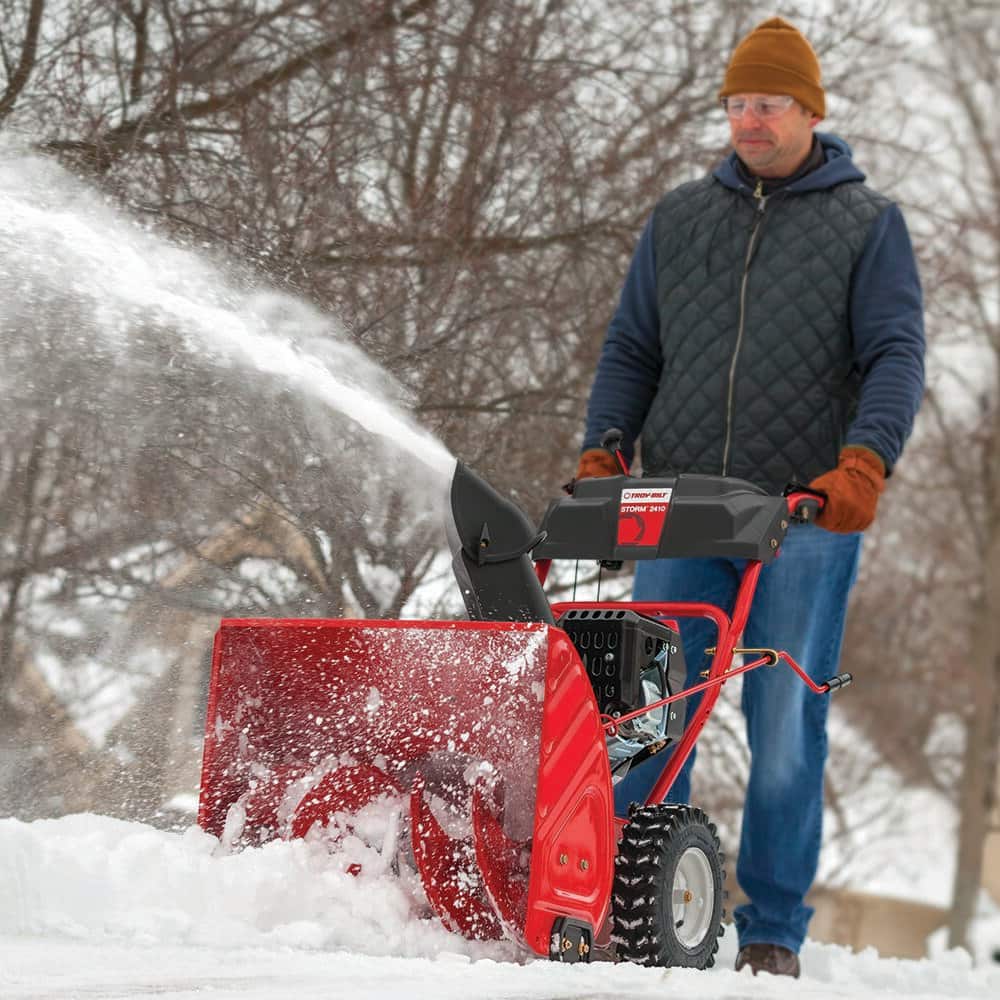
Using a snow blower can make winter chores easier. It clears snow quickly and efficiently.
Winter brings beautiful snow but also heavy snowfall. Clearing your driveway or sidewalk can be a tough job. A snow blower can save you time and effort. It is a powerful tool that can handle deep snow and ice. This guide will help you understand how to use a snow blower safely and effectively.
Whether you are new to snow blowers or looking to improve your skills, this blog will provide you with clear and simple steps. Stay tuned to learn the best practices for using a snow blower and keeping your pathways clear this winter.

Choosing The Right Snow Blower
Snow blowers make winter easier. But choosing the right one is crucial. Different models suit different needs. Let’s explore which snow blower fits your requirements best.
Types Of Snow Blowers
There are three main types of snow blowers. Single-stage snow blowers are lightweight and easy to use. They are ideal for small driveways and sidewalks. Two-stage snow blowers handle deeper, heavier snow. They work well for larger areas. Three-stage snow blowers are powerful and efficient. They are perfect for heavy snowfall and large spaces.
Factors To Consider
Consider your area’s average snowfall. Light snow needs a single-stage blower. Heavy snow requires a two-stage or three-stage blower. Think about the size of the area you need to clear. Small areas need smaller, more manageable blowers. Large areas need more powerful machines.
Check the type of surface. Single-stage blowers work best on paved surfaces. Two-stage and three-stage blowers can handle gravel and uneven terrain. Also, consider your storage space. Larger blowers need more room.
Think about your budget. Single-stage blowers are usually cheaper. Two-stage and three-stage blowers cost more but offer more power. Finally, consider the features. Some blowers have heated handles or headlights. Others have electric start options. Choose features that make your snow clearing easier.
Preparing Your Snow Blower
Before tackling snow-covered pathways, prepare your snow blower properly. Proper preparation ensures smooth operation and extends its lifespan. Follow these steps to get your snow blower ready for action.
Checking Fuel And Oil Levels
First, check the fuel level. Ensure the tank is full with fresh gasoline. Old fuel can cause engine trouble. Next, inspect the oil level. Use the dipstick to check if the oil is at the correct level. Low oil can damage the engine. Top up the oil if needed.
Inspecting For Wear And Tear
Examine the snow blower for any visible wear and tear. Check the belts and auger for cracks or damage. Replace any worn-out parts to prevent breakdowns. Also, inspect the tires for proper inflation. Properly inflated tires ensure better traction and maneuverability. Lastly, make sure all bolts and screws are tight.
Safety Precautions
Using a snow blower can make clearing snow a breeze. But, it’s crucial to follow safety precautions. This ensures you and those around you stay safe. Below are key safety measures to keep in mind.
Wearing Proper Gear
Always wear appropriate clothing. Use gloves to protect your hands from the cold. Wear boots with good traction to avoid slipping. Eye protection is also important. Flying debris can cause serious injury. Consider ear protection too. Snow blowers can be very loud.
Clearing The Area
Before starting, clear the area of obstacles. Remove sticks, rocks, and other debris. These can damage the snow blower or cause injuries. Make sure pets and children are indoors. They should be far from the machine while in use. Inspect the snow blower for any damage. Ensure it is in good working condition.
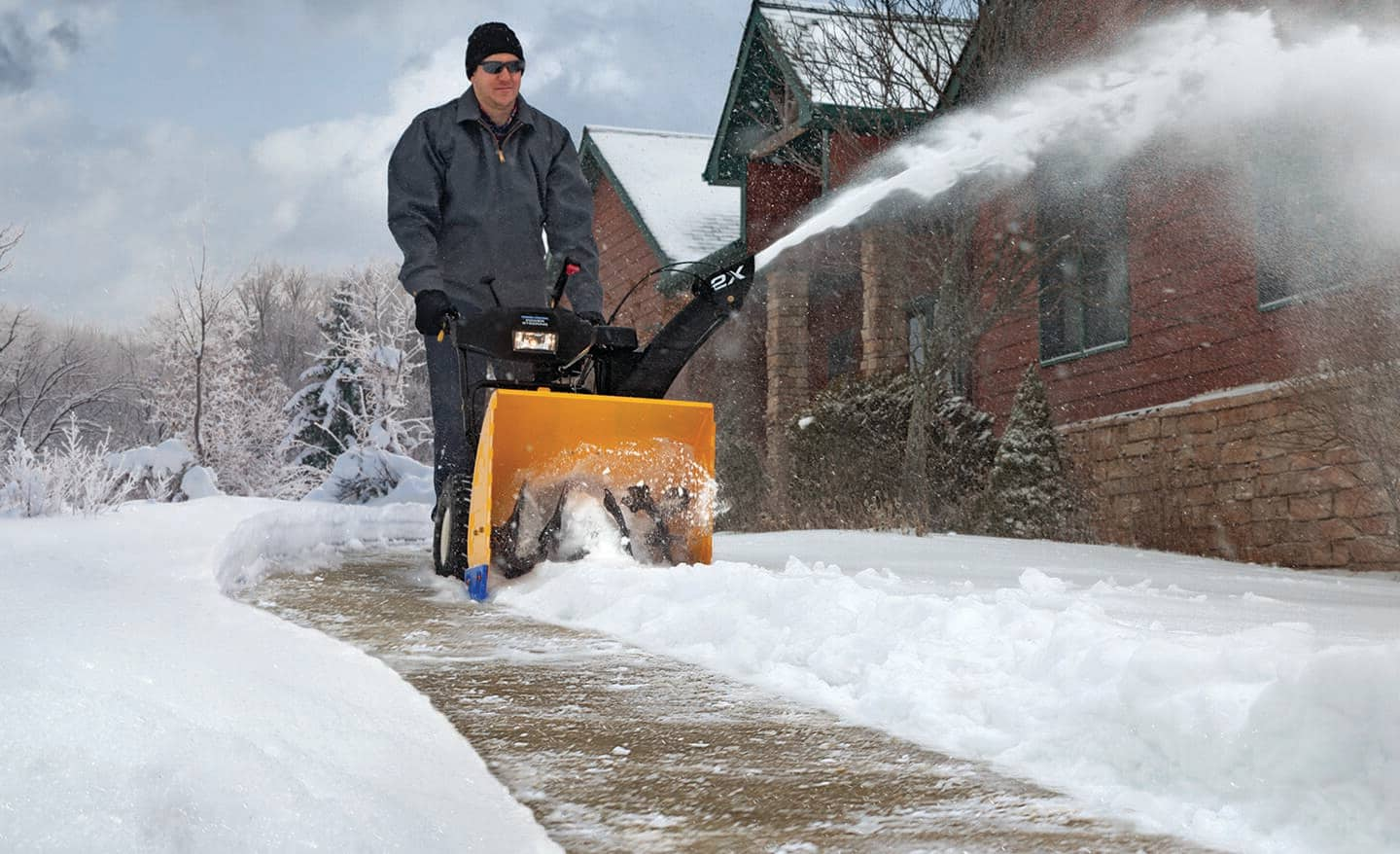
Starting Your Snow Blower
Starting your snow blower for the first time can seem tricky. But with the right steps, you can get it running smoothly. This guide will help you start your snow blower, whether it’s a cold start or a warm start.
Cold Start Tips
Cold weather can make starting your snow blower harder. Follow these steps for a successful cold start:
First, make sure you have enough fuel in the tank. Check the oil level to ensure it’s sufficient. Next, turn the choke to the “full” position. This helps the engine start in cold weather. Then, prime the engine by pressing the primer bulb three times. Finally, pull the starter cord firmly. The engine should start after a few pulls.
Warm Start Tips
Starting a warm snow blower is easier than a cold start. Here’s what you need to do:
First, check the fuel and oil levels. Since the engine is warm, you don’t need to use the choke. Simply turn the key to the “on” position. Then, press the primer bulb once or twice. Finally, pull the starter cord. The engine should start quickly.
Efficient Snow Blowing Techniques
Efficient snow blowing can save you time and effort. Knowing the right techniques ensures a clear path and less strain. Here, we will discuss two important aspects: Optimal Path Strategy and Handling Heavy Snow.
Optimal Path Strategy
An optimal path strategy helps you clear snow quickly. Start by planning your route. Work in straight lines whenever possible. This reduces overlap and saves fuel.
Step-by-Step Path Strategy:
- Begin at the center of your driveway.
- Blow snow to the right side.
- Make another pass, throwing snow to the left.
- Continue in a zig-zag pattern.
Tips:
- Clear small areas first to avoid large snow piles.
- Adjust the chute to throw snow far.
- Maintain a steady walking speed.
Handling Heavy Snow
Heavy snow requires a different approach. It can be dense and harder to move. Use these tips to handle it efficiently.
Methods for Heavy Snow:
- Take smaller bites of snow.
- Slow down your pace.
- Make multiple passes over the same area.
Additional Tips:
- Use a higher gear for better torque.
- Clear snow before it gets too deep.
- Keep the blower blades clean.
Following these techniques will help you manage snow more effectively. Efficient snow blowing is all about strategy and patience.
Maintenance After Use
Proper maintenance after using your snow blower ensures longevity and optimal performance. Regular upkeep keeps your machine in top shape for the next snowfall. Below, we will discuss essential steps for cleaning and storing your snow blower.
Cleaning The Blower
Remove all snow and ice from the blower. Use a brush or cloth to wipe down the exterior. Make sure to clear any debris from the auger and impeller. Check the chute for blockages and clean it thoroughly. Inspect the blades for any damage or wear. Regular cleaning prevents rust and keeps the blower running smoothly.
Storage Tips
Store your snow blower in a dry, sheltered area. Avoid placing it in damp environments. Consider using a cover to protect it from dust and moisture. Drain the fuel tank to prevent gum deposits. Check the oil level and top it up if necessary. Disconnect the spark plug to prevent accidental starts. Proper storage extends the life of your snow blower.
Troubleshooting Common Issues
Using a snow blower can make clearing snow more manageable. But like any machine, it can face issues. This section will help you troubleshoot common problems. Knowing these solutions can save time and effort. Let’s get started with some common issues.
Engine Problems
Snow blower engines can sometimes fail to start or run poorly. Here are common engine issues and their solutions:
- Engine won’t start: Check if there is fuel in the tank. Verify the spark plug is clean and properly connected. Make sure the choke is set correctly.
- Engine runs rough: Ensure the air filter is clean. Adjust the choke if needed. Inspect the fuel for contamination or old age.
- Engine stalls: Examine the fuel line for blockages. Check for any loose or damaged wires. Clean or replace the spark plug as necessary.
Clogged Chute
A clogged chute can stop the snow blower from discharging snow. Here’s how to fix it:
- Turn off the snow blower: Always turn off the machine before unclogging the chute for safety.
- Use a clearing tool: Never use hands to clear the chute. Use a specialized clearing tool or a long stick.
- Clear the blockage: Remove any snow or ice from the chute. Ensure there are no obstructions in the auger.
- Restart the snow blower: Once cleared, restart the machine and resume work.
Regular maintenance can prevent many of these issues. Always check your snow blower before use. This helps ensure a smooth operation.

Eco-friendly Snow Removal
Snow removal can have a huge environmental impact. Using a snow blower in an eco-friendly way helps protect the planet. Here are some tips for reducing your carbon footprint while keeping your driveway clear.
Reducing Fuel Consumption
One of the best ways to make snow removal eco-friendly is by reducing fuel consumption. Here are a few tips:
- Maintain your snow blower: Regular maintenance ensures it runs efficiently.
- Use the right fuel: Opt for fuels that produce fewer emissions.
- Clear snow promptly: Wet, heavy snow requires more power to remove.
Additionally, consider using an electric snow blower. They produce zero emissions and are quieter.
Eco-friendly Practices
Adopting eco-friendly practices can further reduce your environmental impact. Here are some suggestions:
- Shovel smaller areas by hand. Use the snow blower for larger areas.
- Avoid using chemical de-icers. Try sand or cat litter instead.
- Reuse snow. Create snow banks or use it for insulation.
These practices help you keep your snow removal routine green.
Frequently Asked Questions
How Do You Start A Snow Blower?
To start a snow blower, ensure it’s on a flat surface. Check fuel levels, set the choke, and pull the starter cord.
What Maintenance Does A Snow Blower Need?
Regular maintenance includes checking oil levels, inspecting spark plugs, and cleaning the auger and chute after each use.
How To Store A Snow Blower?
Store your snow blower in a dry place. Drain the fuel, clean it thoroughly, and cover it to protect from dust.
How To Clear A Clogged Snow Blower Chute?
Turn off the snow blower. Use a cleaning tool to remove the clog. Never use your hands.
Conclusion
Using a snow blower can make winter chores easier. Follow the steps for safe use. Clear snow efficiently and avoid injuries. Regular maintenance keeps your snow blower in good shape. Always read the manual before starting. Practice in a small area first.
Dress warmly and stay alert. Soon, you’ll handle snow like a pro. Enjoy a clear driveway all winter long.

