
A lawn mower tune-up keeps your machine running smoothly. It saves time and money.
Tuning up a lawn mower is essential for maintaining its efficiency and extending its lifespan. Regular maintenance ensures that your mower performs at its best, making yard work easier and more efficient. A well-tuned mower cuts grass evenly, prevents engine issues, and reduces the risk of breakdowns.
Whether you’re a seasoned gardener or a newbie, knowing how to tune up your lawn mower can make a big difference. This guide will walk you through the steps needed to keep your mower in top shape, ensuring a beautiful lawn all season long. Ready to get started? Let’s dive in!
Gather Necessary Tools
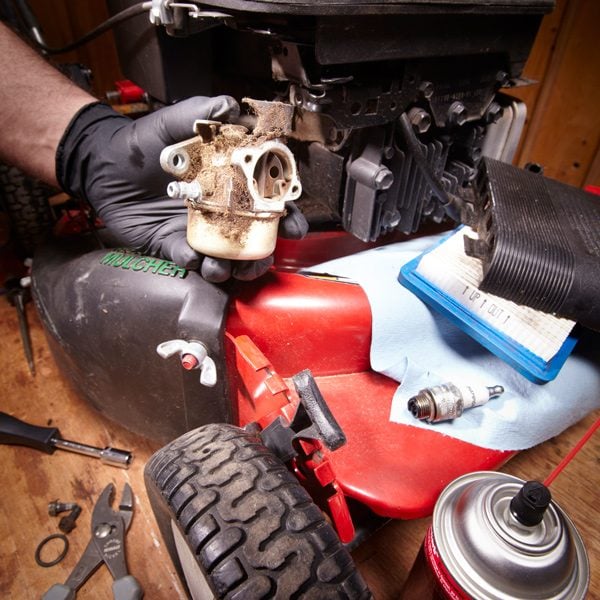
Before starting to tune up your lawn mower, gather the necessary tools. Having the right tools on hand will make the process smoother and more efficient. This section will guide you through the essential and additional tools you will need.
Basic Tools Needed
To get started, you need a few basic tools. These are the essentials:
- Wrench set – for loosening and tightening bolts.
- Screwdrivers – both flathead and Phillips head.
- Socket set – useful for various nuts and bolts.
- Oil drain pan – to catch the old oil.
- Rags – for cleaning and wiping down parts.
- Fuel stabilizer – helps in maintaining fuel quality.
Additional Recommended Tools
For a thorough tune-up, consider these additional tools:
- Torque wrench – ensures bolts are tightened to the correct specifications.
- Blade balancer – keeps the blade balanced after sharpening.
- Blade sharpener – for keeping the cutting blade sharp.
- Carburetor cleaner – helps clean the carburetor.
- Fuel siphon pump – for easy removal of old fuel.
- Air filter – replace the old one with a new one.
Having these tools ready can save you time and effort. Make sure to gather them before starting the tune-up process. This will ensure a smoother and more efficient lawn mower maintenance.
Safety Precautions
Before tuning up a lawn mower, it’s crucial to follow safety precautions. This helps prevent accidents and ensures a smooth process. Paying attention to safety is paramount. Let’s delve into the necessary steps.
Protective Gear
Wearing the right protective gear is the first step. It shields you from potential hazards. Here’s what you need:
- Gloves: Protects your hands from sharp edges and dirt.
- Safety glasses: Shields your eyes from debris and dust.
- Ear protection: Reduces noise impact, especially when the engine is running.
- Sturdy shoes: Prevents foot injuries from falling objects or sharp tools.
Proper Workspace Setup
A well-organized workspace is essential. It helps avoid accidents and keeps tools within reach. Consider these tips:
- Clear the area: Remove any clutter or obstacles from your working space.
- Ensure good lighting: Proper lighting is necessary to see what you’re doing clearly.
- Ventilation: If working indoors, ensure the area is well-ventilated to avoid inhaling fumes.
- Stable surface: Use a flat, stable surface to work on the mower.
Following these safety precautions ensures a smooth and safe lawn mower tune-up process. Always prioritize safety to prevent accidents and injuries.
Clean The Mower
Regular cleaning of your lawn mower keeps it running efficiently. It prevents build-up of dirt and grass clippings. This section will guide you through the process of cleaning your mower thoroughly.
Removing Debris
First, turn off and unplug your mower. Safety first! Carefully remove any visible debris from the mower.
- Use a brush or gloved hands to clear grass clippings.
- Check the wheels and axles for any tangled debris.
- Inspect the blade area and remove any stuck grass.
Removing debris ensures your mower runs smoothly. It also prevents rust and damage.
Cleaning The Undercarriage
The undercarriage can accumulate a lot of dirt and grass. Cleaning this part is crucial for the mower’s performance.
- Tip the mower on its side. Ensure the fuel tank is empty to avoid spills.
- Use a hose to spray the undercarriage. Loosen any stuck debris with a brush.
- For stubborn dirt, use a putty knife or scraper. Be gentle to avoid damaging the surface.
- After cleaning, let the mower dry completely before using it again.
Keeping the undercarriage clean prevents clogging and helps the mower cut more efficiently.
Check And Replace Spark Plug
Ensuring your lawn mower’s spark plug is in good condition is crucial. A faulty spark plug can cause poor engine performance. Regular checks and replacements can keep your mower running smoothly.
Identifying Spark Plug Condition
First, locate the spark plug. It’s usually on the side of the mower’s engine. Use a socket wrench to remove it. Examine the spark plug’s tip. A clean, light brown tip indicates good condition. If it’s dirty, black, or damaged, it needs replacing.
Steps To Replace The Spark Plug
To start, gather a new spark plug, socket wrench, and spark plug gap tool. Ensure the new spark plug matches your mower’s specifications.
Remove the old spark plug using the socket wrench. Insert the new spark plug into the socket wrench. Carefully screw it into the engine by hand. This prevents cross-threading. Once it’s hand-tight, use the wrench to give it a snug fit. Avoid over-tightening.
Check the spark plug gap before installation. Use the gap tool to adjust if necessary. A proper gap ensures efficient engine performance. Finally, reconnect the spark plug wire.
Your lawn mower is now ready with a new spark plug. This simple task helps maintain optimal performance.
Change The Air Filter
Changing the air filter in your lawn mower is essential for its performance. A clean air filter ensures your mower’s engine runs smoothly. It also prevents dust and debris from entering the engine. This simple task can extend the life of your mower.
Types Of Air Filters
There are mainly two types of air filters for lawn mowers. They are:
| Type | Description |
|---|---|
| Foam Air Filters | These filters are washable and reusable. They need oiling before use. |
| Paper Air Filters | These filters are disposable. They are more effective at trapping dirt. |
Replacing The Air Filter
Follow these steps to replace the air filter:
- Turn off the lawn mower and disconnect the spark plug wire. This ensures safety.
- Locate the air filter cover. It is usually on the side of the engine.
- Remove the cover by unscrewing or unclipping it.
- Take out the old air filter. Be careful not to let dirt enter the engine.
- If you have a foam filter, wash it with soapy water. Let it dry completely and then oil it lightly.
- Insert the new or cleaned air filter into the compartment.
- Secure the air filter cover back in place. Make sure it is tight.
- Reconnect the spark plug wire.
Regularly check the air filter and replace it when dirty. This keeps your lawn mower running efficiently. It can also prevent costly repairs in the future.
Sharpen The Blade
Keeping your lawn mower blade sharp is crucial for a healthy lawn. A dull blade tears grass, which makes it susceptible to diseases. A sharp blade cuts grass cleanly, promoting a lush, green lawn. This section will guide you through removing the blade and sharpening techniques.
Removing The Blade
First, disconnect the spark plug for safety. Tip the mower on its side, with the air filter facing up. Use a wrench to remove the bolt holding the blade. Mark the blade’s bottom side with chalk or a marker. This ensures you reinstall it correctly. Carefully remove the blade and set it aside.
Sharpening Techniques
You can use a bench grinder, file, or sharpening stone. Secure the blade in a vise for stability. If using a file, push it along the blade edge in one direction. Maintain the original angle of the blade. For a bench grinder, move the blade evenly against the wheel. Rotate the blade to sharpen the other side. Keep the blade balanced to avoid vibration.
After sharpening, check the balance. Hang the blade on a nail through its center hole. If it tilts, file the heavier side until it balances. Reinstall the blade with the marked side down. Tighten the bolt securely. Reconnect the spark plug and you’re ready to mow.
Change The Oil
Keeping your lawn mower in top shape ensures a clean, even cut. One of the most important steps in maintaining your lawn mower is changing the oil. Regular oil changes can help your mower run smoothly and extend its life.
Oil Types And Quantities
Choosing the right oil for your lawn mower is essential. Different mowers require different types of oil. Check your owner’s manual for the recommended oil type. Common options include SAE 30, 10W-30, and synthetic oils.
Most lawn mowers need between 16 and 24 ounces of oil. Always refer to your manual to confirm the exact quantity. Overfilling can cause problems, so measure carefully.
Steps To Drain And Refill Oil
- Prepare your mower: Turn off the engine and let it cool. Place the mower on a flat surface.
- Gather tools: You will need a wrench, oil pan, and funnel. Also, have a rag on hand to clean up any spills.
- Locate the oil drain plug: This is usually found under the mower deck. Refer to your manual if you are unsure.
- Drain the old oil: Place the oil pan under the drain plug. Use the wrench to remove the plug and let the oil drain completely.
- Replace the drain plug: Once all the oil has drained, reattach the drain plug securely.
- Refill with new oil: Use a funnel to pour the new oil into the oil fill hole. Check the oil level with the dipstick to ensure you have added the correct amount.
- Dispose of old oil: Take the used oil to a recycling center. Do not pour it down the drain or onto the ground.
:max_bytes(150000):strip_icc()/mower-tuneup-filter-big-59473a825f9b58d58ab7ef80.jpg)
Inspect The Fuel System
Check the fuel system for any leaks or clogs. Make sure the fuel filter is clean and functional. Replace old or dirty fuel for better performance.
Maintaining your lawn mower’s fuel system is crucial for optimal performance. A well-maintained fuel system ensures the engine runs smoothly and efficiently. Let’s break down the steps to inspect the fuel system, focusing on checking the fuel lines and cleaning the fuel filter.Checking The Fuel Lines
Start by examining the fuel lines for any cracks or leaks. Damaged fuel lines can cause fuel leaks, leading to engine problems. Use a flashlight to get a better view of the lines. If you find any damage, replace the fuel lines immediately. Ensure all connections are secure and tight.Cleaning The Fuel Filter
A clean fuel filter is essential for proper fuel flow. Locate the fuel filter, usually near the fuel tank or along the fuel line. Remove the filter carefully, following the manufacturer’s instructions. Use a brush to clean off any debris or dirt. If the filter is too dirty, consider replacing it with a new one. Reattach the filter securely before moving on. By regularly inspecting and maintaining the fuel system, you can keep your lawn mower running smoothly and efficiently. “`Test And Adjust
A well-tuned lawn mower makes yard work easier and more efficient. Testing and adjusting your mower ensures it runs smoothly. This step is crucial for a mower’s long-term performance. Let’s dive into the process of testing and adjusting your lawn mower.
Starting The Mower
Begin by starting your mower in a safe area. Ensure the fuel tank is full. Check the oil level to avoid damage. Pull the starter cord or turn the key to start the engine. Listen for any unusual sounds. These could indicate a problem that needs fixing.
Let the engine run for a few minutes. This warms it up and helps you better detect issues. Watch for any smoke or fluid leaks. If the mower starts and runs smoothly, you can proceed to adjustments.
Fine-tuning Adjustments
With the mower running, check the throttle and choke settings. Adjust them if the engine stalls or sputters. Locate the carburetor and inspect it for dirt or clogs. Clean it if necessary to ensure smooth fuel flow.
Next, check the air filter. A dirty filter can cause the engine to run poorly. Replace it if it’s clogged or damaged. Finally, inspect the spark plug. Ensure it’s clean and properly gapped. Replace it if it’s worn out or fouled.
Regular Maintenance Tips
Keeping your lawn mower in top condition requires regular maintenance. This helps prolong its life and ensures it runs efficiently. Follow these simple tips to maintain your mower and keep your lawn looking great.
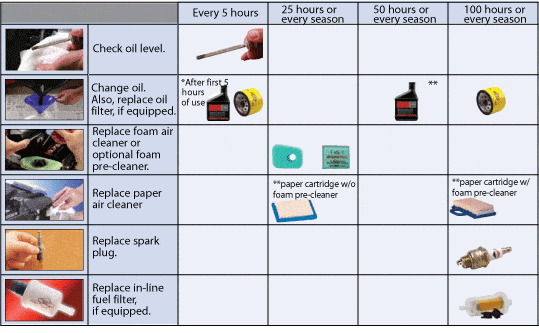
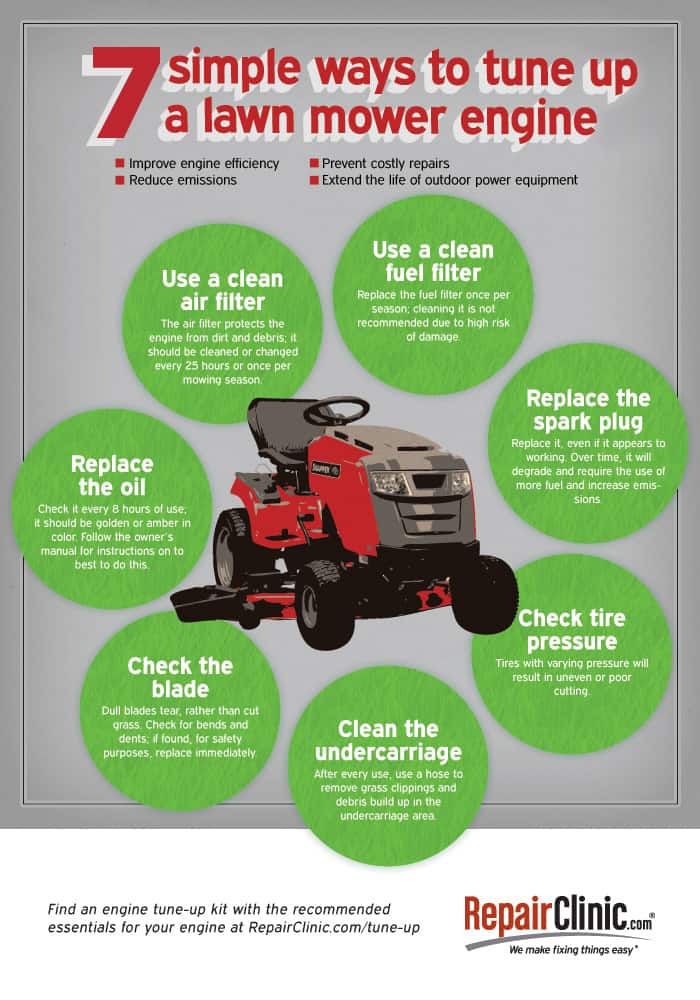
Monthly Tasks
- Check the oil level: Ensure the oil is at the right level. Add or replace as needed.
- Clean the air filter: A clean air filter improves performance. Replace it if it’s too dirty.
- Inspect the spark plug: Look for wear and replace it if necessary.
- Sharpen the blades: Sharp blades cut grass evenly. Check and sharpen them monthly.
- Clear debris: Remove grass clippings and debris from the mower deck. This prevents clogging.
Seasonal Maintenance
Seasonal maintenance ensures your lawn mower stays in good condition throughout the year. Follow these steps at the start and end of the mowing season:
- Change the oil: Fresh oil keeps the engine running smoothly. Change it at least once per season.
- Replace the air filter: A new air filter enhances performance. Change it at the start of the season.
- Inspect the fuel system: Check for leaks and replace old fuel. Use fresh fuel for optimal performance.
- Check the tires: Ensure the tires are properly inflated. Replace worn-out tires for better traction.
- Lubricate moving parts: Apply lubricant to wheels, cables, and other moving parts. This reduces wear and tear.
| Task | Frequency |
|---|---|
| Check oil level | Monthly |
| Clean air filter | Monthly |
| Inspect spark plug | Monthly |
| Sharpen blades | Monthly |
| Clear debris | Monthly |
| Change oil | Seasonal |
| Replace air filter | Seasonal |
| Inspect fuel system | Seasonal |
| Check tires | Seasonal |
| Lubricate moving parts | Seasonal |
Following these regular maintenance tips will keep your lawn mower in excellent condition. This ensures a beautiful and healthy lawn all year round.
Frequently Asked Questions
How Often Should You Tune Up A Lawn Mower?
You should tune up your lawn mower at least once a year. Regular maintenance ensures optimal performance and extends the mower’s lifespan.
What Tools Are Needed For A Lawn Mower Tune-up?
Basic tools needed include a spark plug wrench, air filter, oil filter, and fresh oil. These tools help perform essential maintenance tasks.
How Do You Change A Lawn Mower Spark Plug?
First, disconnect the spark plug wire. Use a wrench to remove the old spark plug. Install the new one and reconnect the wire.
Can A Dirty Air Filter Affect Lawn Mower Performance?
Yes, a dirty air filter can restrict airflow, reducing engine performance. Regularly replacing the air filter ensures efficient operation.
Conclusion
Regular maintenance keeps your lawn mower running smoothly. A tuned-up mower cuts grass better. It lasts longer too. Follow the steps outlined to ensure efficiency. Check oil, spark plugs, and air filters. Sharpen the blades for a clean cut. These small tasks make a big difference.
Your lawn will look great. Save money on repairs. Enjoy mowing with less hassle. Keeping your mower in top shape is easy. It’s worth the effort. Happy mowing!
