

Starting a lawn mower with a bad starter can be tricky. But it’s not impossible.
A faulty starter can bring your lawn care plans to a halt. You might think that a bad starter means an expensive repair or replacement. But there are ways to get your mower running again without breaking the bank. In this guide, we’ll explore practical steps to start a lawn mower with a bad starter.
These tips can save you time and money, and keep your lawn looking its best. So, whether you’re dealing with a stubborn mower or just want to be prepared, keep reading to learn more.
Identifying A Bad Starter
Having trouble starting your lawn mower? The starter might be the issue. Identifying a bad starter can save time and money. Let’s explore the signs and initial checks you can perform.
Common Symptoms
Several signs can indicate a bad starter. Look for the following:
- Clicking Noise: When you turn the key, you hear clicks but the engine doesn’t start.
- Grinding Noise: You hear a grinding sound. This happens when the starter gear fails to engage the engine properly.
- No Response: Turning the key does nothing. The engine stays silent.
- Slow Cranking: The engine cranks slowly, even with a fully charged battery.
Initial Checks
Before assuming the starter is bad, perform these initial checks:
- Check the Battery: Ensure the battery is fully charged. A weak battery can mimic starter issues.
- Inspect Connections: Look at the battery terminals and cables. They should be clean and tight.
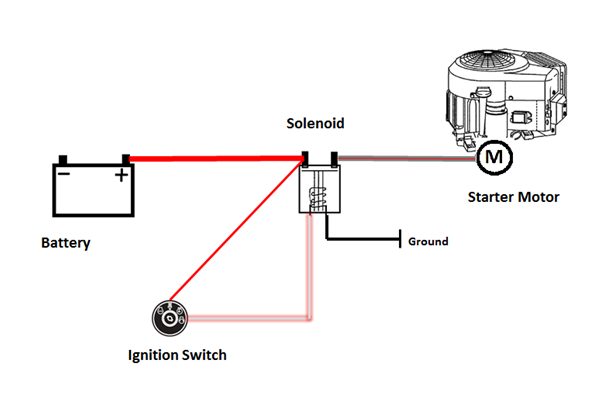
- Test the Solenoid: The solenoid sends power to the starter. Listen for a clicking sound when you turn the key.
- Examine the Starter Motor: Check for visible damage or wear on the starter motor.
If these checks don’t solve the problem, the starter might need replacement. Identifying a bad starter early can help maintain your lawn mower’s efficiency.
Tools You Will Need
Starting a lawn mower with a bad starter can be challenging. Having the right tools makes it easier. Below is a list of the essential tools and optional tools you will need for the task.
Essential Tools
These tools are a must-have for this job. They will ensure you can start your lawn mower even with a bad starter.
- Screwdriver Set: Useful for removing and tightening screws.
- Wrench Set: Necessary for loosening and tightening bolts.
- Multimeter: Helps to check electrical connections.
- Jumper Cables: Useful for bypassing the starter.
- Battery Charger: Ensures your battery is fully charged.
Optional Tools
These tools are not necessary, but they can make the job easier. They can save time and effort.
- Socket Set: Useful for handling various bolt sizes.
- Wire Strippers: Helps to strip wires cleanly.
- Gloves: Protects your hands from dirt and injury.
- Safety Glasses: Keeps your eyes safe from debris.
Having these tools on hand can make a big difference. They ensure you can start your lawn mower even with a bad starter. Always keep them in your toolbox for quick access.
Safety Precautions
Before starting a lawn mower with a bad starter, safety is key. This guide ensures you stay safe. Follow these precautions to avoid accidents or injuries.
Personal Protective Gear
- Wear gloves: Protect your hands from sharp edges.
- Safety goggles: Shield your eyes from debris and sparks.
- Sturdy footwear: Prevent foot injuries with closed-toe shoes.
- Hearing protection: Use earplugs to guard against loud noises.
Work Area Safety
Ensure your work area is safe and clear. This helps prevent accidents.
- Clear debris: Remove sticks, rocks, and other items from the area.
- Level ground: Work on flat, stable ground to avoid tipping.
- Ventilation: Operate the mower in an open space to prevent inhaling fumes.
- Keep children and pets away: Ensure they stay at a safe distance.
These steps help create a safer working environment.
| Protective Gear | Purpose |
|---|---|
| Gloves | Protect hands from sharp objects |
| Safety Goggles | Shield eyes from debris |
| Sturdy Footwear | Prevent foot injuries |
| Hearing Protection | Guard against loud noises |
Remember, safety first. Proper gear and a safe work area can prevent injuries and ensure a smooth process.

Manual Starter Techniques
Having trouble with a lawn mower with a bad starter? Manual starter techniques can save the day. You can still get your mower running using some simple methods. Two common techniques are the Pull Start Method and the Rope Start Method. Let’s dive into these methods to keep your lawn looking great.
Pull Start Method
The pull start method is a straightforward approach. First, check the fuel and oil levels. Make sure the spark plug is clean. Next, follow these steps:
- Engage the choke. This helps the engine start.
- Firmly grasp the starter handle.
- Pull the handle sharply. This should turn the engine over.
- Repeat if necessary. Sometimes, it takes a few tries.
Remember to use smooth, quick motions. This reduces strain on the cord and engine.
Rope Start Method
If the pull start method fails, try the rope start method. You’ll need a sturdy rope for this technique. Follow these steps:
- Remove the mower’s cover. This exposes the flywheel.
- Locate the flywheel’s notch. This is where the rope will go.
- Insert the rope into the notch. Wrap it around the flywheel.
- Pull the rope sharply. This should turn the engine over.
- Repeat if needed. The engine may need a few pulls to start.
This method works well for mowers with stubborn starters. Make sure to use a strong rope to avoid breakage.
| Step | Pull Start Method | Rope Start Method |
|---|---|---|
| 1 | Check fuel and oil | Remove mower cover |
| 2 | Engage choke | Locate flywheel notch |
| 3 | Grasp starter handle | Insert and wrap rope |
| 4 | Pull handle sharply | Pull rope sharply |
| 5 | Repeat if necessary | Repeat if needed |
Jump-starting The Mower
Jump-starting a mower with a bad starter can save time and money. Instead of replacing the starter, use some simple techniques to get your mower running again. Here, we will discuss two easy methods: using a car battery and using a jump pack.
Using A Car Battery
First, park your car close to the mower. Ensure both the car and mower are on a flat surface. Turn off the car engine and pop the hood to access the car battery.
Next, connect the red (positive) jumper cable to the car battery’s positive terminal. Then, attach the other end of the red cable to the mower’s positive terminal.
Now, connect the black (negative) jumper cable to the car battery’s negative terminal. Attach the other end of the black cable to an unpainted metal part of the mower.
Start the car and let it run for a few minutes. This charges the mower’s battery. After a few minutes, try starting the mower. If it starts, disconnect the cables in reverse order.
Using A Jump Pack
A jump pack is a portable battery booster. It’s easy to use and can start a mower with a bad starter. First, make sure the jump pack is fully charged.
Next, connect the red (positive) clamp of the jump pack to the mower’s positive terminal. Then, attach the black (negative) clamp to an unpainted metal part of the mower.
Turn on the jump pack and wait for a few seconds. Try starting the mower. If it starts, turn off the jump pack and remove the clamps in reverse order.
Both methods are effective for jump-starting a mower. Choose the one that suits you best.
Cleaning And Maintaining Connections
Keeping your lawn mower in good shape involves more than just routine maintenance. Sometimes, a bad starter can cause headaches. To fix this, start by cleaning and maintaining connections. Dirty or loose connections can prevent your lawn mower from starting. Here’s how to clean and maintain key connections.
Battery Terminals
First, check the battery terminals. These can accumulate dirt and corrosion over time. Use a wire brush to gently clean the terminals. Make sure they are free of rust and grime.
- Disconnect the battery cables.
- Clean the terminals with a wire brush.
- Reattach the cables securely.
A clean and secure connection ensures proper power flow. This step can often solve starting issues.
Starter Motor Connections
Next, inspect the starter motor connections. A loose or dirty connection can prevent the starter from working properly. Follow these steps:
- Locate the starter motor.
- Check the connections for dirt and corrosion.
- Clean the connections with a wire brush.
- Tighten any loose connections.
Cleaning the starter motor connections is crucial. This ensures the starter gets the power it needs.
In summary, regular cleaning and maintenance of battery terminals and starter motor connections can solve many starter issues. Keep these connections clean and secure for a smoothly running lawn mower.
Bypassing The Starter
Starting a lawn mower with a bad starter can be tricky. But it can be done with a few simple methods. Bypassing the starter is one of the best ways. This means using alternative ways to start the engine. Here are two effective methods to bypass the starter.
Direct Wiring Method
The direct wiring method involves connecting the battery directly to the starter. This bypasses the faulty starter switch. First, locate the starter motor and the battery. Use a jumper cable or a piece of wire. Connect one end to the positive terminal of the battery. Connect the other end to the starter motor’s positive terminal. Be careful to avoid touching other metal parts. This should start the engine immediately.
Using A Screwdriver
Using a screwdriver is another way to bypass the starter. Locate the starter solenoid. It is usually near the battery. Find the two metal contacts on the solenoid. Use a metal screwdriver to bridge these two contacts. This will create a connection and start the engine. Ensure you have a firm grip and keep your fingers away from the contacts. This method is quick and effective.
When To Seek Professional Help
Sometimes, your lawn mower’s starter may give you trouble. It happens to the best of us. But how do you know when to seek professional help? Knowing when to call in an expert can save you time and money.
Persistent Issues
If your lawn mower consistently fails to start, it might be time to seek help. You may have tried multiple troubleshooting steps. If nothing works, a professional can diagnose the problem. Persistent issues often need expert attention.
Complex Repairs
Some mower problems are too complex for DIY fixes. If you suspect issues with the engine or electrical system, don’t risk making it worse. Complex repairs often require special tools and knowledge. A professional can handle these repairs safely and effectively.
Frequently Asked Questions
How Can I Start A Mower With A Bad Starter?
Starting a mower with a bad starter can be done by using alternative methods like jump-starting, manually turning the engine, or using a drill to rotate the flywheel.
What Tools Do I Need To Start It Manually?
You will need a wrench, a drill, and a socket to manually rotate the flywheel and start the mower.
Is Jump-starting A Lawn Mower Possible?
Yes, jump-starting a lawn mower is possible using a car battery and jumper cables, ensuring proper connection.
Can I Use A Drill To Start The Mower?
Yes, you can use a drill with a socket attachment to manually spin the flywheel and start the engine.
Conclusion
Starting a lawn mower with a bad starter can be tricky. But, don’t worry. Follow the steps in this guide. You can get your mower running again. Always check connections and battery first. These simple checks can save time. If these steps don’t work, consult a professional.
They can help with more complex issues. Regular maintenance also helps prevent future problems. Keep your lawn looking great with a well-maintained mower. Happy mowing!
