

Fixing a lawn mower can seem daunting. But it is simpler than you think.
A well-maintained lawn mower is essential for a neat yard. Sometimes, these machines can break down or have issues. Knowing how to fix common problems can save you time and money. This guide will help you understand basic troubleshooting steps.
You’ll learn how to handle issues like starting problems, strange noises, and uneven cutting. With a few tools and some patience, you can get your lawn mower running smoothly again. Let’s dive in and get your lawn looking great!
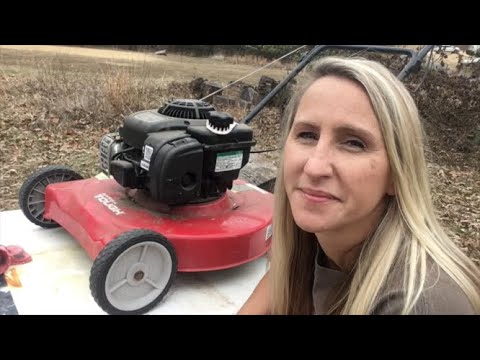
Safety Precautions
Wear protective gloves and safety glasses while fixing a lawn mower. Disconnect the spark plug to prevent accidental starts. Ensure the mower is on a flat surface before beginning any repairs.
Ensuring safety is crucial when fixing a lawn mower. You must take necessary precautions to prevent accidents. Always prioritize your well-being during repairs.Essential Safety Gear
Wear protective gloves to protect your hands. Use safety goggles to shield your eyes from debris. Put on ear protection to avoid hearing damage. Wear sturdy shoes to protect your feet. Dress in fitted clothing to prevent entanglement.Steps To Ensure Safe Repairs
First, disconnect the spark plug. This prevents accidental starts. Next, work in a well-lit area. Good visibility helps avoid mistakes. Keep your workspace clean. Remove any clutter to prevent tripping. Use the right tools for the job. Improper tools can cause injuries. Finally, follow the mower’s manual. Manufacturer guidelines ensure proper safety. “`Tools And Materials
Fixing a lawn mower can seem like a big job. But with the right tools and materials, it becomes easier. This section will guide you through the basic tools and recommended spare parts. These items will help you tackle most lawn mower issues.
Basic Tools Required
Having the right tools is crucial. Below is a list of basic tools needed:
- Screwdrivers: Both flat-head and Phillips are necessary.
- Wrenches: An adjustable wrench or a set of wrenches.
- Socket Set: For bolts and nuts of different sizes.
- Pliers: Regular and needle-nose pliers.
- Wire Brush: To clean spark plugs and other parts.
- Utility Knife: To cut wires or hoses if needed.
Recommended Spare Parts
Keeping spare parts on hand can save time. Consider having these parts available:
- Spark Plug: A common part that often needs replacing.
- Air Filter: Ensures the engine runs smoothly.
- Fuel Filter: Keeps the fuel clean and free of debris.
- Blades: Sharp blades are essential for a clean cut.
- Oil: Regular oil changes keep the engine healthy.
Diagnosing The Problem
Fixing a lawn mower starts with knowing the issue. Diagnosing the problem is the first step. It helps you decide what to do next. Let’s break it down step by step.
Identifying Symptoms
First, check for signs of trouble. Is the lawn mower not starting? Does it make strange noises? Maybe it runs but cuts unevenly. Look for smoke or odd smells. These symptoms can give you clues.
Common Troubleshooting Tips
Check the fuel. Sometimes, old or bad fuel is the problem. Replace it with fresh fuel. Next, inspect the spark plug. A dirty or damaged spark plug can stop the mower from starting. Clean it or replace it if needed.
Examine the air filter. A clogged air filter restricts airflow. This can make the engine run poorly. Clean or replace the air filter. Also, check the oil level. Low or dirty oil can harm the engine. Change the oil to keep the engine healthy.
Look at the blades. Dull or damaged blades cut unevenly. Sharpen or replace the blades. Lastly, inspect the belts. Worn or broken belts stop the mower from working well. Replace them if necessary.

Fixing Engine Issues
Fixing engine issues on a lawn mower can seem challenging. But, most problems are easy to fix. This section will guide you through common engine issues. Let’s start with cleaning the carburetor and replacing the spark plug.
Cleaning The Carburetor
A dirty carburetor can cause engine problems. It may prevent your lawn mower from starting. To clean it, first, remove the air filter. Then, locate the carburetor. Use a screwdriver to detach it. Clean it with a carburetor cleaner spray. Make sure all debris and dirt are removed. Reattach the carburetor and the air filter. Your engine should run more smoothly now.
Replacing The Spark Plug
A faulty spark plug can also cause engine issues. It may cause your lawn mower to sputter or not start. To replace it, find the spark plug wire. Pull it off gently. Use a spark plug socket to remove the old spark plug. Check the gap on the new spark plug. Adjust it if necessary. Screw the new spark plug in place. Reattach the spark plug wire. Your lawn mower should start more easily now.
Repairing The Blades
Maintaining your lawn mower’s blades is crucial for a clean cut. Sharp and undamaged blades ensure your lawn looks neat. They also help the mower run efficiently. In this section, we will focus on sharpening and replacing the blades.
Sharpening The Blades
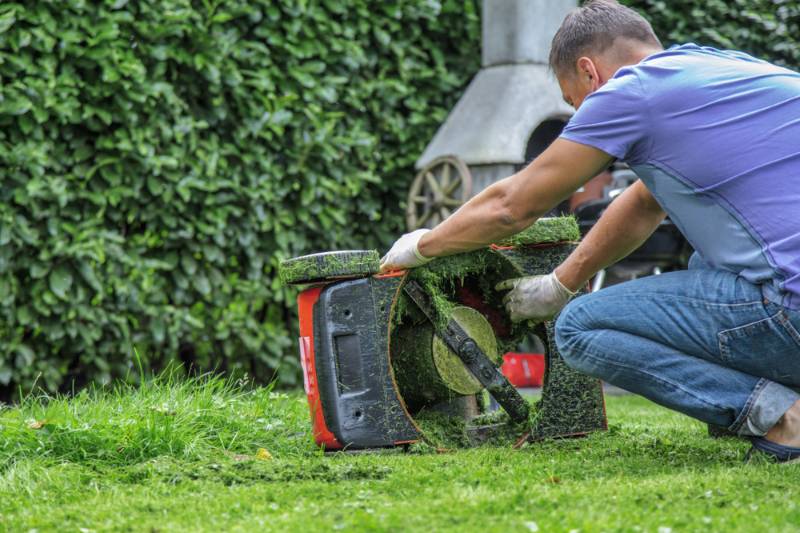
First, remove the spark plug to avoid accidents. Then, tip the mower on its side. Use a wrench to remove the blade. Secure the blade in a vice. Use a metal file to sharpen the edge. Follow the original angle of the blade. Sharpen both sides evenly. After sharpening, balance the blade on a nail. If it tips, file the heavy side. Reattach the blade to the mower.
Replacing Damaged Blades
If the blade is bent or cracked, replace it. Again, remove the spark plug for safety. Tilt the mower and remove the blade with a wrench. Purchase a new blade that matches your mower model. Attach the new blade to the mower. Make sure it is tight and secure. Test the mower to ensure it runs smoothly.
Handling Electrical Problems
Sometimes, lawn mower issues stem from electrical problems. These problems can be tricky to diagnose but are often easy to fix. This section covers how to handle common electrical issues in your lawn mower.
Checking The Battery
A dead battery can stop your mower from starting. First, ensure the battery is fully charged. Use a multimeter to check the battery voltage. A good battery should read around 12.6 volts. If the reading is lower, the battery may need charging or replacing.
Inspecting Electrical Connections
Loose or corroded connections can cause electrical failures. Inspect all electrical connections, starting with the battery terminals. Clean any corrosion using a wire brush. Ensure all connections are tight and secure. Check the wiring for any visible damage or wear. Replace damaged wires to prevent short circuits.
Maintaining The Lawn Mower
Maintaining the lawn mower ensures it works efficiently and lasts longer. Regular upkeep helps prevent breakdowns and costly repairs. Let’s explore some essential maintenance tips.
Regular Cleaning And Lubrication
Regular cleaning keeps your lawn mower in top shape. Remove grass clippings and dirt after each use. This prevents buildup and ensures smooth operation. Use a brush or cloth to clean the blades and undercarriage. Avoid using water directly on the engine.
Lubrication is equally important. Apply oil to the mower’s moving parts. This reduces friction and wear. Check the manufacturer’s manual for the recommended oil type. Lubricate the blades, wheels, and other moving parts. Doing this keeps the mower running smoothly.
Seasonal Maintenance Tips
Seasonal maintenance prepares your mower for heavy use. Before the mowing season, check the spark plug. Replace it if it looks worn or dirty. Inspect the air filter and clean or replace it as needed. This ensures the engine gets enough air.
Sharpen the mower blades at least once a season. Sharp blades cut grass cleanly and reduce strain on the engine. Balance the blades to avoid uneven cuts. Finally, check the fuel system. Use fresh fuel and add a fuel stabilizer if storing the mower for long periods.
When To Seek Professional Help
Knowing when to seek professional help for your lawn mower can save you time and frustration. If you encounter complex issues, it’s best to consult with a skilled technician. This ensures your lawn mower remains in top condition. Here are some situations where seeking expert help is essential.
Identifying Complex Issues
Some lawn mower problems are tricky to diagnose and fix. Here are a few examples:
- Engine problems: If the engine makes strange noises or doesn’t start.
- Electrical issues: If the battery or wiring fails.
- Transmission troubles: If the mower doesn’t move or has shifting problems.
Attempting to fix these issues without proper knowledge can make things worse. Professional technicians have the tools and experience needed. They can quickly identify and solve these problems.
Finding A Reliable Repair Service
Choosing the right repair service is crucial for your lawn mower’s health. Here are some steps to find a trustworthy service:
- Ask for recommendations: Talk to friends and neighbors.
- Read reviews: Check online reviews for local repair shops.
- Check credentials: Ensure the technicians are certified and experienced.
- Compare prices: Get quotes from several services before deciding.
By following these steps, you can find a reliable service that suits your needs. Your lawn mower will be in good hands.
Frequently Asked Questions
How Do I Troubleshoot A Lawn Mower That Won’t Start?
First, check the fuel and oil levels. Ensure the spark plug is clean and intact. Inspect the air filter for dirt and obstructions. Verify that the fuel valve is open and the choke is set properly. Lastly, ensure the battery is charged if it’s an electric start mower.
Why Is My Lawn Mower Cutting Unevenly?
Uneven cutting is often due to dull or damaged blades. Inspect the blades and sharpen or replace them as needed. Also, check the tire pressure to ensure all tires are evenly inflated. Lastly, verify that the mower deck is level and not tilted.
How Often Should I Change The Oil In My Lawn Mower?
Change the oil after every 25-50 hours of use, or at least once per mowing season. Regular oil changes keep the engine running smoothly and extend its lifespan. Always consult the user manual for specific oil change intervals recommended by the manufacturer.
What Should I Do If My Lawn Mower Is Smoking?
If your lawn mower is smoking, check the oil level first. Overfilled oil can cause smoking. Inspect for oil leaks and clean any spilled oil. If the problem persists, it could be due to a dirty air filter or a more serious engine issue.
Conclusion
Fixing a lawn mower might seem tough at first. But with patience and the right tools, you can do it. Remember to check the basics: fuel, oil, and spark plug. Clean the air filter regularly. Follow the steps outlined above, and your lawn mower should run smoothly again.
Always keep safety in mind. Wear gloves and eye protection. Routine maintenance keeps your mower in top shape. Now, get out there and enjoy a well-manicured lawn! Happy mowing!
