
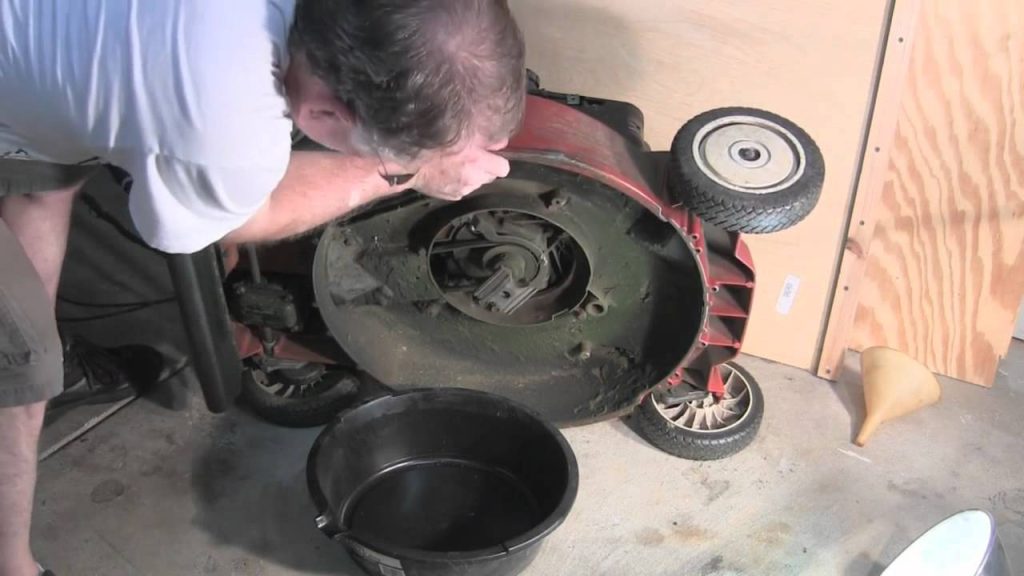
Draining oil from a lawn mower is essential for its longevity. It’s a simple task that you can do at home.
Maintaining your lawn mower keeps it running smoothly and extends its life. Draining and replacing the oil is a key part of this maintenance. Old oil can damage the engine, reducing its efficiency. Regular oil changes ensure your lawn mower performs at its best.
This guide will walk you through the steps to drain the oil from your lawn mower. You’ll learn the tools you need and the method to do it safely. With a little effort, your lawn mower will stay in top shape. Ready to get started? Let’s dive in.
Preparation
Before you can drain the oil from your lawn mower, proper preparation is crucial. This ensures a smooth and safe process. Let’s start with gathering the necessary tools and taking essential safety measures.
Gather Tools
Having the right tools on hand is important. Here is a list of items you will need:
- Oil pan – To catch the old oil.
- Socket wrench – For loosening the oil drain plug.
- Oil extractor pump – If your mower does not have a drain plug.
- Gloves – To protect your hands from oil.
- Funnel – To pour new oil without spilling.
- Rags – For cleaning up any spills.
Safety Measures
Safety should always be your top priority. Follow these steps to ensure a safe oil draining process:
- Ensure the lawn mower is turned off and cool. Hot oil can cause burns.
- Disconnect the spark plug wire to prevent accidental starting.
- Work in a well-ventilated area to avoid inhaling fumes.
- Wear gloves to protect your skin from oil.
- Keep a fire extinguisher nearby in case of emergencies.
By gathering the right tools and following safety measures, you are now ready to drain the oil from your lawn mower.
Locate Oil Drain Plug
Draining oil from your lawn mower is essential for its maintenance. The first step is to locate the oil drain plug. This guide will help you through the process. Properly identifying the drain plug ensures a smooth oil change.
Find The Plug
Look under the mower deck for the oil drain plug. It is usually found beneath the engine. The plug is a small bolt or screw. It might be covered with dirt or grass. Clean the area to see it clearly. Check your mower’s manual if you have trouble.
Identify The Type
There are different types of oil drain plugs. Common types include:
- Standard bolt – Requires a wrench to remove.
- Quick-drain – Has a lever or valve for easy draining.
- Twist-and-pull – Simply twists off by hand.
Knowing your plug type helps you choose the right tools. This makes the process easier and faster.
| Type | Tool Needed |
|---|---|
| Standard bolt | Wrench |
| Quick-drain | None |
| Twist-and-pull | None |
Once you have located and identified the drain plug, you are ready to proceed with draining the oil. This step ensures you avoid any accidental spills or mishaps.
Position Lawn Mower
Draining oil from your lawn mower is crucial for its upkeep. You must position the mower correctly to avoid spills and ensure a thorough drain. The process is simple but needs careful handling. Let’s explore how to do it right.
Choose The Spot
Find a flat surface like your driveway or garage floor. This prevents the mower from tipping over. Make sure the area is well-ventilated. Proper airflow is important for your safety. Place some newspaper or cardboard underneath. This will catch any stray oil drops.
Elevate The Mower
Next, elevate the front of the mower slightly. Use a sturdy block or a brick. This helps the oil flow out smoothly. Make sure the mower is stable. Check that it won’t move or fall. Safety first!
Now, you are ready to drain the oil. Follow these steps to ensure a clean and efficient process. A well-positioned mower makes the task easy and mess-free.
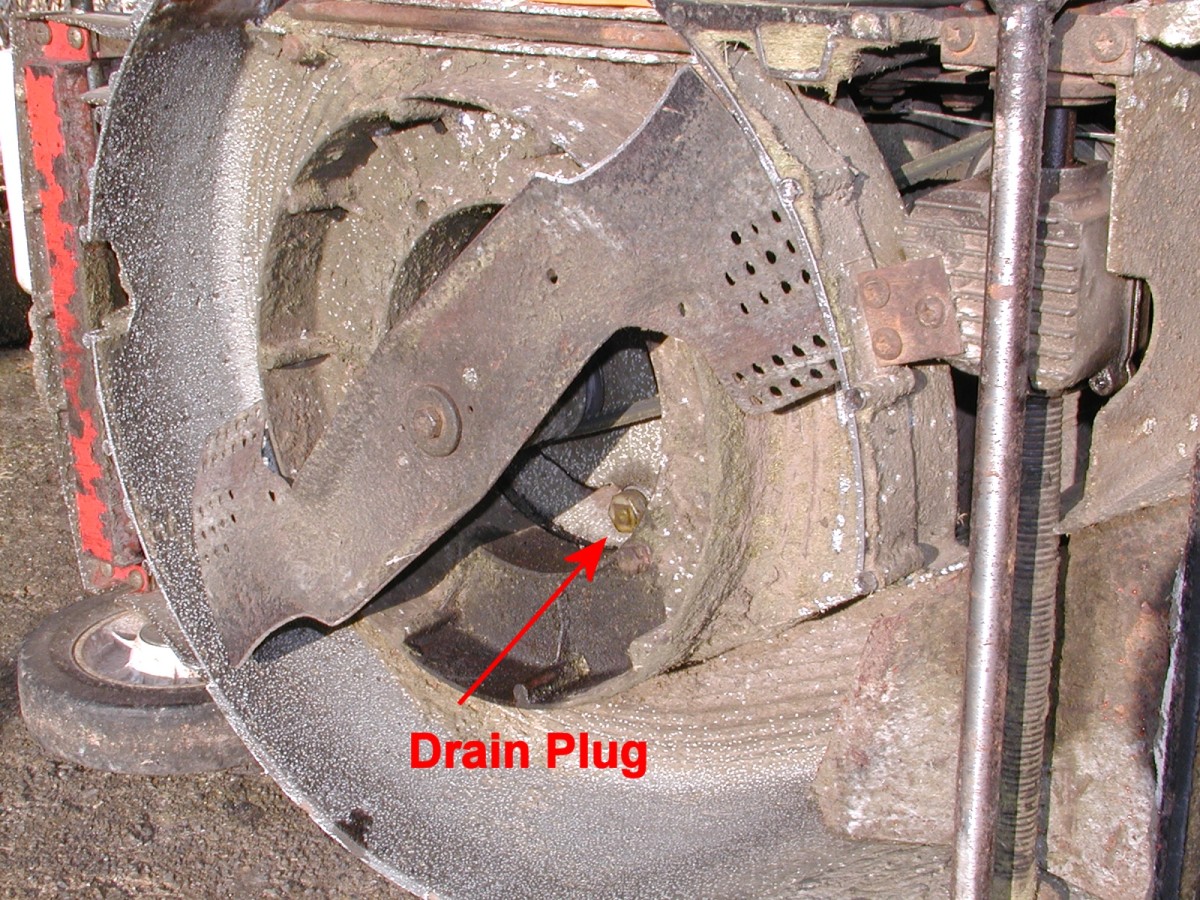
Drain The Oil
Draining the oil from your lawn mower keeps it running smoothly. Old oil can damage the engine. Regular oil changes extend the mower’s life. Follow these steps to drain the oil easily.
Remove The Plug
First, find the oil drain plug on your mower. It is usually under the deck. Place your mower on a flat surface. You may need to tip it slightly. Use a wrench to loosen the plug. Be careful not to strip it. Once it’s loose, remove the plug. Oil will start to flow out.
Collect The Oil
Prepare a container to collect the old oil. Place it under the drain plug. Make sure it is large enough. Let the oil drain completely. This may take a few minutes. Once all the oil is out, replace the plug. Tighten it securely with a wrench. Dispose of the old oil properly. Most auto parts stores accept used oil. Never pour it down the drain.
Dispose Of Old Oil
Draining oil from your lawn mower is crucial for its longevity. Disposing of old oil properly is essential for the environment. Improper disposal can harm wildlife and contaminate water supplies. Follow these steps to dispose of old oil safely and responsibly.
Use Proper Containers
Always use a proper container to collect and store used oil. Household items like milk jugs or soda bottles are unsuitable. These containers can leak or break. Instead, use containers specifically designed for oil collection.
- Purchase an oil drain pan from a hardware store.
- Ensure the container is labeled “used oil.”
- Use a container with a tight-sealing lid to prevent spills.
Follow Local Regulations
Every area has specific regulations for disposing of used oil. Following these rules is crucial. Improper disposal can result in fines. Here’s how to comply:
- Check your local waste management website for guidelines.
- Find out if there are designated drop-off locations for used oil.
- Some areas offer curbside collection for used oil. Verify if this service is available.
Following local regulations not only keeps you compliant but also helps protect the environment.
Replace Oil Filter
Replacing the oil filter in your lawn mower is essential for maintaining its performance. A clean filter ensures that oil flows smoothly, protecting the engine from contaminants. Follow these steps to replace the oil filter with ease.
Locate Filter
First, find the oil filter on your lawn mower. Usually, it is located near the engine. Refer to your mower’s manual if you have trouble locating it. Make sure the engine is cool before you start working.
Install New Filter
- Remove the old filter by turning it counterclockwise. Use a filter wrench if it’s tight.
- Apply a thin layer of fresh oil to the gasket of the new filter. This helps create a better seal.
- Screw the new filter on by hand until it is snug. Do not over-tighten it.
Once the new filter is installed, check for leaks. Tighten the filter slightly if you see any. Now, you are ready to refill the engine with fresh oil.
Refill With New Oil
Refilling your lawn mower with new oil is a crucial step. It ensures the engine runs smoothly and lasts longer. Using the right oil and following proper techniques can make a significant difference.
Select The Right Oil
Choosing the correct oil for your lawn mower is essential. Different engines require different types of oil. Check your lawn mower’s manual to find the recommended oil type. Generally, SAE 30 is suitable for warmer climates. For cooler areas, consider using 10W-30. Using the right oil improves performance and extends engine life.
Pour Oil Carefully
Pouring oil into your lawn mower requires precision. First, place a funnel in the oil fill hole. Slowly add the oil to avoid overfilling. Check the oil level with the dipstick frequently. The oil should reach the “full” mark but not exceed it. Overfilling can harm the engine. Once done, securely close the oil fill cap. Wipe any spills to prevent dirt from sticking.
Final Checks
After draining the oil from your lawn mower, it is crucial to perform some final checks. These steps ensure your mower runs smoothly and lasts longer.
Check Oil Level
Once you have added new oil, you need to verify the oil level. Use the dipstick to check.
- Insert the dipstick into the oil fill tube.
- Remove it and see where the oil level is.
- Make sure it is between the full and add marks.
If the level is low, add more oil. Do not overfill it.
Inspect For Leaks
After you check the oil level, inspect for leaks. Look around the oil fill cap and the oil drain plug.
- Wipe the area with a clean cloth.
- Run the mower for a few minutes.
- Check for any oil leaks.
If you find leaks, tighten the oil fill cap and drain plug. Recheck the area. Ensure there are no drips.
Doing these final checks will keep your lawn mower in top shape. Your lawn will thank you.

Frequently Asked Questions
How Do I Drain Oil From My Lawn Mower?
To drain oil from a lawn mower, first, warm up the engine. Then, locate the oil drain plug, remove it, and let the oil drain into a pan. Finally, replace the plug and refill with new oil.
What Tools Are Needed To Drain Lawn Mower Oil?
You’ll need a wrench to remove the oil drain plug, an oil pan to catch the old oil, and a funnel to add new oil.
How Often Should I Change Lawn Mower Oil?
Change your lawn mower’s oil every 50 hours of use or at least once a year. Regular oil changes ensure optimal performance and longevity.
Can I Use Car Oil In A Lawn Mower?
Using car oil in a lawn mower is not recommended. Lawn mowers require oil specifically designed for small engines. Check your mower’s manual for the correct oil type.
Conclusion
Draining oil from your lawn mower is straightforward. Follow these steps regularly. This helps keep your mower running smoothly. Clean oil ensures better performance and longer life. Always check the oil level before use. Dispose of used oil responsibly. Proper maintenance saves time and money.
Happy mowing!
