
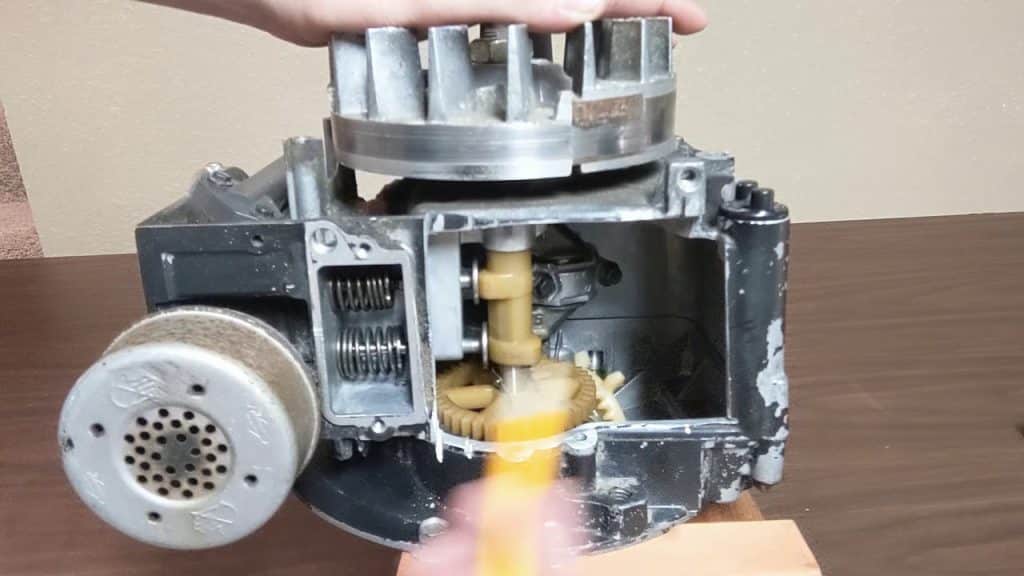
A lawn mower engine powers your mower, making yard work easier. But how does it work?
The lawn mower engine may seem complex, but it’s quite straightforward. This small engine converts gasoline into motion, allowing the mower to cut grass efficiently. Similar to a car engine, it has components like a carburetor, spark plug, and pistons.
Each part plays a role in starting and running the mower. Understanding how these parts work together helps in maintenance and troubleshooting. In this blog post, we will break down the basic workings of a lawn mower engine. You’ll learn about its key parts and their functions. This knowledge will make you more confident in using and maintaining your lawn mower.
Introduction To Lawn Mower Engines
Lawn mower engines are essential for keeping your yard tidy. They power the blades that cut the grass. Without them, maintaining a neat lawn would be difficult.
Brief History
The first lawn mower was invented in 1830. Edwin Budding, an engineer from England, created it. These early mowers were pushed by hand. They were heavy and hard to use.
In the early 1900s, engines were added to lawn mowers. This made them easier to operate. The gas-powered engine became popular in the mid-20th century. Today, there are many types of lawn mower engines.
Importance In Lawn Care
The engine is the heart of the lawn mower. It powers the blade, allowing it to cut grass efficiently. A well-maintained engine ensures your lawn stays neat and healthy.
Regular maintenance of the engine is crucial. This includes checking the oil, cleaning the air filter, and inspecting the spark plug. A properly functioning engine saves time and effort in lawn care.
Below is a simple table that outlines the key components of a lawn mower engine and their functions:
| Component | Function |
|---|---|
| Engine Block | Houses the engine components |
| Carburetor | Mixes fuel and air for combustion |
| Spark Plug | Ignites the fuel-air mixture |
| Air Filter | Keeps dirt out of the engine |
| Flywheel | Maintains engine momentum |
Types Of Lawn Mower Engines
Lawn mowers come with different types of engines. Each type has its own benefits and features. Understanding these can help you choose the right mower for your needs. Here, we will discuss two main types: gas-powered engines and electric engines.
Gas-powered Engines
Gas-powered engines are common in lawn mowers. These engines use gasoline to run. They are known for their power and efficiency. Many people prefer gas mowers for large lawns.
These engines have several key components:
- Cylinder: The cylinder is where the fuel burns and creates power.
- Spark Plug: The spark plug ignites the fuel in the cylinder.
- Carburetor: The carburetor mixes air and fuel for combustion.
- Air Filter: The air filter keeps dirt out of the engine.
Gas-powered engines need regular maintenance. You must check the oil, replace spark plugs, and clean the air filter. This keeps the engine running smoothly.
Electric Engines
Electric engines are gaining popularity. They are quiet and produce no emissions. There are two types of electric mowers: corded and cordless.
Corded electric mowers are powered by plugging into an outlet. They are suitable for small to medium lawns. You need to manage the cord while mowing.
Cordless electric mowers use rechargeable batteries. They offer more freedom of movement. Battery life varies, so it’s good to have a spare battery on hand.
Electric engines have fewer parts than gas engines. This means less maintenance. You don’t need to worry about oil changes or replacing spark plugs.
Here’s a comparison table for quick reference:
| Feature | Gas-Powered Engines | Electric Engines |
|---|---|---|
| Power Source | Gasoline | Electricity |
| Noise Level | Loud | Quiet |
| Maintenance | High | Low |
| Emissions | Yes | No |
Both types of engines have their pros and cons. Consider your lawn size, budget, and maintenance preferences before making a decision.
Key Components Of A Lawn Mower Engine
Understanding the key components of a lawn mower engine helps you maintain your machine. Each part works together to keep your lawn looking great. Let’s break down some of these critical components.
Spark Plug
The spark plug is essential for starting the engine. It creates a spark that ignites the fuel-air mixture. This spark initiates the combustion process. Without a functioning spark plug, the engine won’t start.
Here are some signs of a faulty spark plug:
- Difficulty starting the mower
- Poor engine performance
- Increased fuel consumption
Carburetor
The carburetor mixes air and fuel in the right proportions before sending it to the engine. This ensures optimal combustion. A clean carburetor is crucial for engine efficiency.
Common carburetor issues include:
- Engine sputtering
- Black smoke from the exhaust
- Engine flooding
Air Filter
The air filter prevents dust and debris from entering the engine. A clean air filter ensures proper airflow. This helps maintain engine performance and longevity.
Signs you need to change the air filter:
- Reduced engine power
- Increased fuel consumption
- Unusual engine sounds
Fuel System
The fuel system delivers fuel from the tank to the engine. It includes the fuel tank, fuel lines, and fuel pump. Clean fuel and a well-maintained system are vital for smooth operation.
Issues with the fuel system can cause:
- Engine stalling
- Poor performance
- Fuel leaks
Regular maintenance of these components ensures your lawn mower runs efficiently. Pay attention to these parts for a healthier lawn mower engine.
Internal Combustion Process
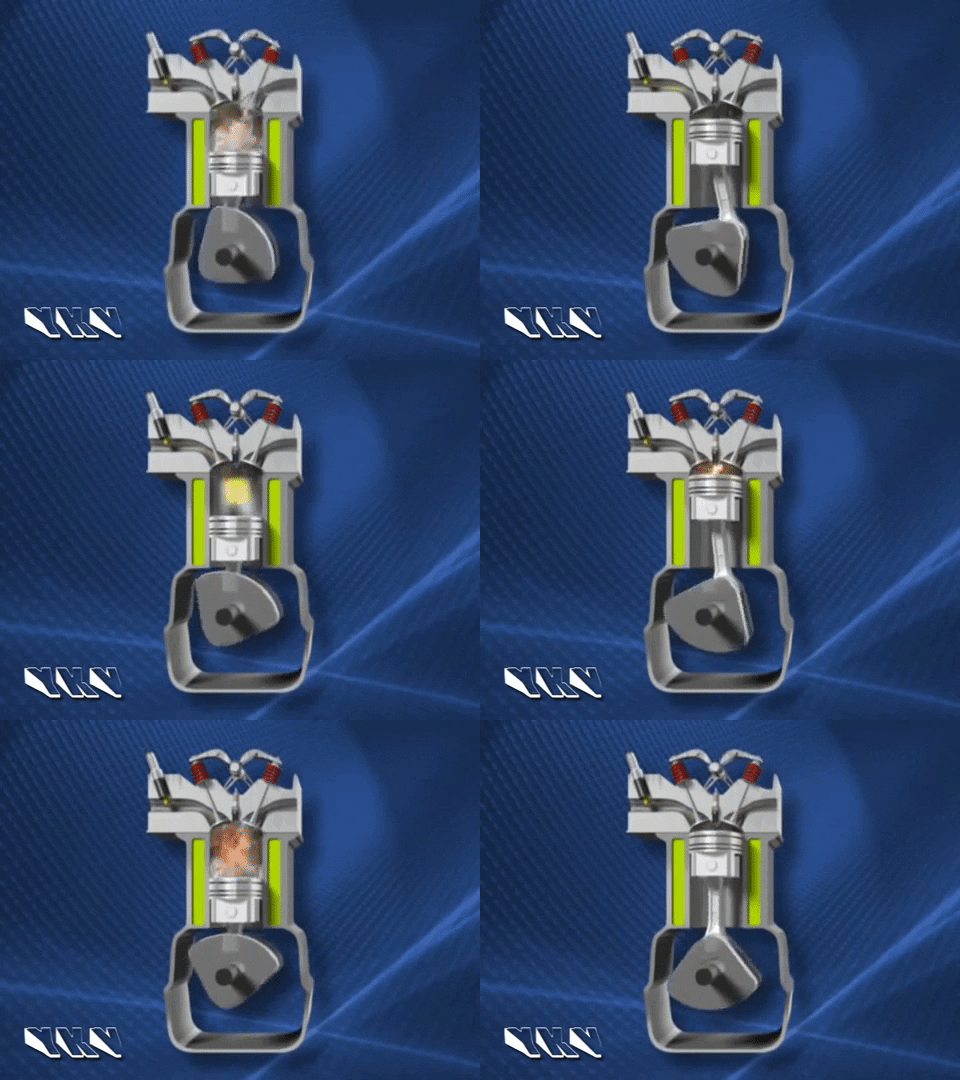
The internal combustion process is the heart of a lawn mower engine. This process involves four key strokes: intake, compression, power, and exhaust. Each stroke plays a crucial role in generating the power needed to cut your lawn. Let’s break down each stroke to understand how your lawn mower engine works.
Intake Stroke
During the intake stroke, the intake valve opens. The piston moves down the cylinder. This action draws in a mixture of fuel and air. The mixture is crucial for combustion.
Compression Stroke
Next is the compression stroke. The intake valve closes. The piston moves back up the cylinder. This compresses the fuel and air mixture. Compression makes the mixture more explosive.
Power Stroke
In the power stroke, a spark plug ignites the compressed mixture. This explosion forces the piston down. The downward movement generates power. This power turns the mower’s blades.
Exhaust Stroke
The final stroke is the exhaust stroke. The exhaust valve opens. The piston moves back up again. This pushes out the burnt gases. The gases exit through the exhaust pipe. Now, the cycle is ready to start again.
Fuel And Air Mixture
A lawn mower engine needs the right fuel and air mixture to work well. This mixture is crucial for engine power and efficiency. Understanding how this process works can help maintain your lawn mower better.
Role Of Carburetor
The carburetor mixes air and fuel for the engine. It ensures the right balance for combustion. The carburetor has a small chamber where air and fuel combine. This mixture then moves into the engine’s cylinder.
Inside the carburetor, a float regulates the fuel level. This float ensures a constant fuel supply. The throttle controls the amount of air entering. This, in turn, adjusts the engine speed. A well-functioning carburetor is key for smooth engine performance.
Air Intake Process
The air intake process begins at the air filter. The air filter cleans the air before it enters the carburetor. Clean air is vital for proper combustion. Dirty air can damage the engine and reduce performance.
After passing through the filter, the air enters the carburetor. Here, it mixes with the fuel. The mixture then moves into the cylinder for combustion. The carburetor’s design ensures the right amount of air and fuel mix for efficient engine operation.
Ignition System
The ignition system is crucial for a lawn mower engine. It is responsible for starting the engine and keeping it running smoothly. Let’s dive into the key components of the ignition system and understand how they work together to power your lawn mower.
Spark Plug Function
The spark plug is a tiny but powerful component. It creates the spark needed to ignite the fuel-air mixture. This explosion in the combustion chamber drives the engine. The spark plug’s tip is where the magic happens. It must be clean and properly gapped for efficient operation. If it’s dirty or worn out, the engine may not start or run well.
Timing Of Ignition
Timing of ignition is critical. It ensures the spark occurs at the right moment. This timing is usually controlled by the engine’s flywheel. The flywheel has magnets that pass by the ignition coil. As the flywheel spins, the magnets generate an electric current in the ignition coil. This current then travels to the spark plug, creating the spark at the precise moment. Proper timing leads to efficient fuel burning and smooth engine operation.
Lubrication And Cooling
Understanding the lubrication and cooling systems in a lawn mower engine is crucial. These systems ensure the engine runs smoothly and doesn’t overheat. Let’s dive into how these essential components work.
Oil Circulation
Oil circulation is vital for engine health. The oil lubricates the moving parts, reducing friction. This prevents wear and tear on the engine components.
The oil pump plays a key role. It moves oil from the sump to the engine parts. The oil filter removes impurities, keeping the oil clean.
Here’s a breakdown of the oil circulation process:
- Oil is stored in the sump.
- The oil pump draws oil from the sump.
- Oil passes through the filter.
- Clean oil reaches the engine parts.
- Oil returns to the sump.
This cycle repeats, ensuring continuous lubrication. Without it, the engine would seize up.
Cooling Mechanisms
Cooling mechanisms are equally important. Engines generate a lot of heat during operation. Effective cooling prevents overheating.
There are two primary cooling methods:
- Air Cooling
- Liquid Cooling
Most lawn mowers use air cooling. This method relies on air to dissipate heat. Fins on the engine block increase the surface area, aiding cooling.
Here’s how air cooling works:
- Air is drawn in by a fan.
- The air flows over the engine fins.
- Heat is transferred from the engine to the air.
- Warm air is expelled, cooling the engine.
Liquid cooling is less common in lawn mowers. It uses a coolant to absorb engine heat. The coolant circulates through a radiator, releasing heat into the air.
Both cooling methods ensure the engine stays within safe temperature limits. This prolongs the engine’s lifespan and ensures efficient performance.

Maintenance Tips
Maintaining your lawn mower engine is essential for its longevity and efficiency. Regular care ensures smooth operation and avoids unexpected breakdowns. Here are some key maintenance tips to keep your lawn mower engine in top shape.
Regular Inspection
Check your lawn mower engine before each use. Look for any visible damage or loose parts. Regular inspections help catch issues early. Inspect the oil level and quality. Low or dirty oil can damage the engine. Ensure the air filter is clean. A dirty filter restricts airflow and reduces performance. Examine the spark plug for wear and tear. A worn spark plug can cause starting problems.
Cleaning And Replacing Parts
Clean the engine after every use. Remove grass clippings and debris. Debris can cause overheating. Use a brush or compressed air to clean hard-to-reach areas. Replace the air filter annually or as needed. A clean filter improves engine efficiency. Change the oil regularly. Fresh oil lubricates the engine and prevents wear. Replace the spark plug once a year. A new spark plug ensures easy starts and smooth operation. Keep the blades sharp. Sharp blades cut grass cleanly and reduce engine strain.
Troubleshooting Common Issues
Troubleshooting common lawn mower engine issues can save time and money. Knowing how to diagnose and fix problems keeps your lawn looking great. Here, we will discuss some common issues and how to address them.
Engine Won’t Start
If your lawn mower engine won’t start, check the fuel level. Ensure there’s enough clean gas in the tank. Inspect the spark plug for dirt or damage. A dirty or faulty spark plug can prevent the engine from starting. Cleaning or replacing it may solve the problem. Examine the air filter for blockages. A clogged air filter can restrict airflow and stop the engine from starting.
Engine Overheating
An overheating engine can cause serious damage. Check the oil level first. Low oil can lead to overheating. Add oil if needed. Inspect the cooling fins for debris. Clean them to ensure proper airflow. Make sure the grass discharge chute is not blocked. A blockage can trap heat and cause the engine to overheat.
Poor Performance
Poor engine performance can be frustrating. Check the air filter for dirt. A dirty filter restricts airflow and reduces performance. Clean or replace it as needed. Inspect the fuel line for clogs. Blockages can restrict fuel flow and affect performance. Ensure the spark plug is in good condition. A worn or dirty spark plug can cause poor performance.

Frequently Asked Questions
What Are The Main Parts Of A Lawn Mower Engine?
A lawn mower engine consists of key parts like the carburetor, spark plug, air filter, and fuel tank. These components work together to ensure efficient performance and functionality.
How Does A Lawn Mower Engine Start?
To start a lawn mower engine, you pull the starter rope. This action ignites the fuel and air mixture in the cylinder, powering the engine.
How Often Should I Change The Oil?
You should change the oil in your lawn mower engine every 25-50 hours of use. Regular oil changes ensure smooth operation and extend the engine’s lifespan.
Why Is My Lawn Mower Engine Smoking?
A smoking lawn mower engine could indicate oil leakage, dirty air filters, or overfilled oil levels. Address these issues to prevent further damage.
Conclusion
Understanding how a lawn mower engine works is key for maintenance. It involves basic mechanics: air, fuel, spark, and movement. Regular care ensures your mower runs smoothly. Clean the air filter, check the oil, and inspect the spark plug. These simple tasks can extend the life of your mower.
Now, you know the basics. Keep your lawn looking great with a well-maintained mower. Happy mowing!
