
Using the right gas for your lawn mower is crucial. It ensures optimal performance and longevity.
Many people find themselves puzzled about which type of gas to use. Lawn mowers, like cars, require specific fuel to run efficiently. Understanding the best gas for your lawn mower can save you time, money, and stress. This guide will explore the types of gas suitable for different lawn mowers.
We’ll discuss the benefits of using the correct fuel and the risks of using the wrong one. Whether you have a push mower, a riding mower, or a zero-turn mower, knowing the right gas to use will help keep your equipment in top shape. So, let’s dive in and find out what gas is best for your lawn mower!
Choosing The Right Gas
Choosing the right gas for your lawn mower is crucial. Using the wrong type can damage your engine and affect performance. This section helps you understand the types of gasoline and ethanol content suitable for your lawn mower.
Types Of Gasoline
There are different types of gasoline available. Each has its own benefits and drawbacks.
| Gasoline Type | Octane Rating | Suitability |
|---|---|---|
| Regular Unleaded | 87 | Most common, suitable for small engines |
| Mid-Grade Unleaded | 89-90 | Better performance, less knocking |
| Premium Unleaded | 91-94 | High performance, recommended for high-end models |
Most lawn mowers run well on Regular Unleaded gas with an octane rating of 87. Using higher octane gasoline does not improve performance significantly for most lawn mowers.
Ethanol Content
Gasoline often contains ethanol, which can impact engine performance. Ethanol is an alcohol-based fuel made from plants.
- E10: Contains 10% ethanol. Suitable for most lawn mowers.
- E15: Contains 15% ethanol. Not recommended for small engines.
- E85: Contains up to 85% ethanol. Only use in engines designed for it.
Most lawn mowers work best with E10 gasoline. Higher ethanol content can cause issues like corrosion and engine damage. Always check your mower’s manual for the recommended ethanol content.
Premium Vs. Regular Gas
Choosing the right gas for your lawn mower is crucial. The decision often boils down to using premium gas or regular gas. This choice impacts the performance and longevity of your lawn mower. Let’s delve into the benefits and costs of each option.
Benefits Of Premium Gas
Premium gas has a higher octane rating. This means it burns cleaner and more efficiently. Using premium gas can reduce engine knocking, which is a common issue in small engines.
Moreover, premium gas often contains fewer impurities. This results in less buildup inside the engine. A cleaner engine runs more smoothly and lasts longer.
Another advantage is that premium gas can improve fuel efficiency. You might find that your lawn mower runs longer on a tank of premium gas compared to regular gas.
Cost Considerations
The main drawback of premium gas is its higher cost. It is typically more expensive than regular gas. This extra cost can add up over time, especially if you mow your lawn frequently.
Let’s take a look at a simple comparison:
| Gas Type | Average Price per Gallon |
|---|---|
| Regular Gas | $3.00 |
| Premium Gas | $3.50 |
While premium gas costs more, the long-term benefits might justify the expense. Consider how often you use your lawn mower and its current performance.
In summary, both premium and regular gas have their pros and cons. Assess your needs and budget to make an informed choice.
Ethanol-free Gasoline
Choosing the right gas for your lawn mower is crucial. Ethanol-free gasoline is a popular choice for many. It offers several advantages over regular gas. This type of fuel can extend the life of your equipment. Below, we will explore the benefits and where to find ethanol-free gasoline.
Advantages
Ethanol-free gasoline provides several benefits for lawn mowers:
- Longer engine life: Ethanol can cause corrosion in the engine. Ethanol-free gas prevents this.
- Improved performance: Your lawn mower runs smoother. It reduces engine deposits.
- Better fuel efficiency: Ethanol-free gas burns cleaner. You get more power per gallon.
- Reduced maintenance: Less frequent repairs and part replacements. Save money in the long run.
Where To Find
Finding ethanol-free gasoline can be simple with these tips:
- Local gas stations: Some stations offer ethanol-free options. Check the pump labels.
- Marinas: Many marinas sell ethanol-free gas. It is common for boat engines.
- Hardware stores: Some stores sell small quantities. Perfect for lawn mowers.
- Online directories: Websites like Pure-Gas.org list locations. Easy to find nearby sellers.
Switching to ethanol-free gasoline can benefit your lawn mower. It ensures better performance and longer life. Make sure to check local sources for availability.
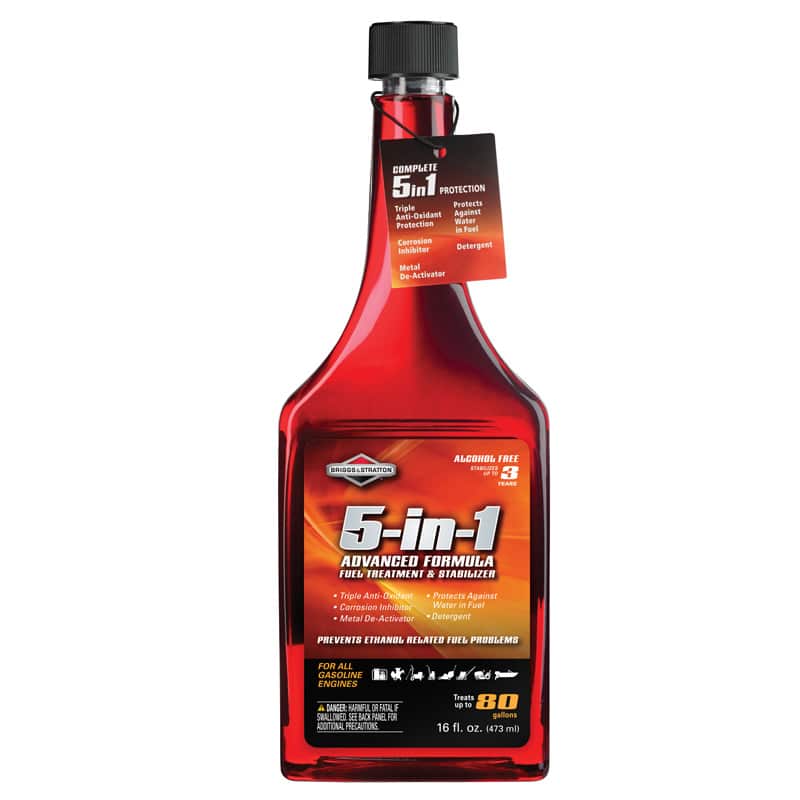
Gas Stabilizers
Using gas stabilizers in your lawn mower can make a big difference. Gas stabilizers help keep your fuel fresh. They can prevent your engine from struggling. Let’s explore their importance and how to use them.
Importance
Gas stabilizers are essential for several reasons:
- They prevent fuel from going stale.
- They reduce engine problems.
- They help in maintaining performance.
Using stabilizers can save you money on repairs. They keep your lawn mower running smoothly.
How To Use
Using gas stabilizers is simple:
- Purchase a quality gas stabilizer.
- Read the instructions on the bottle.
- Mix the stabilizer with fresh fuel.
- Fill your lawn mower’s tank with the mix.
- Run the engine for a few minutes.
Follow these steps every time you store your lawn mower. This will keep the engine clean and efficient.
Here is a quick reference table for gas stabilizer usage:
| Step | Action |
|---|---|
| 1 | Buy a gas stabilizer |
| 2 | Read instructions |
| 3 | Mix with fuel |
| 4 | Fill lawn mower |
| 5 | Run engine |
Using gas stabilizers is a small step with big benefits. Keep your lawn mower in top shape with this simple practice.
Fuel Storage Tips
Proper fuel storage is essential for maintaining your lawn mower’s performance. Storing gas correctly ensures safety and keeps your mower running smoothly. Follow these fuel storage tips to extend the life of your lawn mower.
Proper Containers
Always use approved containers for storing gas. Look for containers labeled as suitable for gasoline. These containers are designed to prevent leaks and minimize evaporation. Plastic containers are common and effective. Metal containers can also be used but ensure they are rust-free.
Store the container in a cool, dry place. Avoid direct sunlight. Sunlight increases the pressure inside the container, which can cause leaks. Keep the container tightly sealed to prevent contamination.
Storage Duration
Gasoline has a limited shelf life. Use fresh fuel whenever possible. Old fuel can cause engine problems. Store gas for no longer than 30 days. After 30 days, the gas starts to degrade. Adding a fuel stabilizer can extend the storage duration up to 12 months.
Below is a quick reference table for fuel storage durations with and without stabilizers:
| Fuel Type | Without Stabilizer | With Stabilizer |
|---|---|---|
| Regular Gasoline | 30 days | 12 months |
| Ethanol-blended Gasoline | 15 days | 6 months |
For best results, use gas within its storage duration. This prevents engine issues and ensures smooth operation.
Maintaining Fuel System
Maintaining your lawn mower’s fuel system is vital. It keeps your mower running smoothly. Regular maintenance prevents costly repairs. It also extends the life of your mower. A key part of this maintenance includes cleaning and replacing key components.
Cleaning The Carburetor
The carburetor mixes air and fuel for the engine. Over time, it can become clogged. Dirt and old fuel cause blockages. Cleaning the carburetor ensures optimal performance. To do this, remove the carburetor from the mower. Use a carburetor cleaner spray. Spray all parts thoroughly. Pay attention to small openings and jets. Reassemble after cleaning.
Replacing Fuel Filters
Fuel filters keep dirt out of the fuel system. A clogged filter restricts fuel flow. This affects engine performance. Replace the fuel filter regularly. Check the owner’s manual for guidance. Locate the fuel filter on your mower. Carefully remove the old filter. Install a new one in its place. Ensure it is secure and properly connected. This simple step keeps your engine running smoothly.
Signs Of Bad Gas
Bad gas in a lawn mower can lead to several problems. It is important to know the signs of bad gas to keep your lawn mower running smoothly. Identifying these signs early can prevent costly repairs and ensure your lawn mower remains efficient.
Symptoms
Bad gas can cause your lawn mower to run poorly. One sign is difficulty starting the engine. You might notice the engine sputtering or not starting at all. This can be frustrating when you need to mow your lawn.
Another symptom is rough idling. If the mower shakes or runs unevenly, bad gas could be the culprit. Poor performance while mowing can also indicate bad gas. The mower might lose power or stall frequently.
Finally, check for unusual exhaust smoke. Blue or black smoke can signal bad gas. This is a clear sign that your lawn mower needs attention.
Preventive Measures
To avoid bad gas issues, use fresh gas in your lawn mower. Always buy gas from a reputable source. Store gas in a clean, airtight container to prevent contamination.
Adding a fuel stabilizer can also help. This product keeps gas fresh for a longer time. Follow the instructions on the stabilizer package for best results.
Regular maintenance is key. Clean or replace the fuel filter and spark plug as needed. This keeps the engine running smoothly and helps prevent problems caused by bad gas.
Finally, run the engine dry before storing your lawn mower for the winter. This prevents old gas from sitting in the tank and going bad. Following these steps can keep your lawn mower in top shape and ready to use.

Environmental Considerations
Choosing the right gas for your lawn mower is crucial for both performance and the environment. Many overlook the environmental impact of their choices. This section will explore eco-friendly options and proper disposal methods for old gas.
Eco-friendly Options
Using eco-friendly gas for your lawn mower reduces harmful emissions. Consider using ethanol-free gas or E10 gas, which contains 10% ethanol.
- Ethanol-Free Gas: Produces fewer pollutants. Ideal for small engines.
- E10 Gas: A blend of gasoline and ethanol. Reduces greenhouse gases.
Consider biofuels as an alternative. These fuels come from renewable sources like plants. They are better for the environment.
Disposal Of Old Gas
Proper disposal of old gas is essential. Improper disposal can harm the environment.
- Check Local Regulations: Different areas have different rules.
- Use a Disposal Service: Many services handle hazardous materials.
- Recycle: Some facilities recycle old gas.
Never pour old gas down the drain. It can contaminate water sources and harm wildlife.
Consider storing old gas in a sealed container until disposal. This prevents leaks and evaporation.

Frequently Asked Questions
What Type Of Gas Should I Use For My Lawn Mower?
Use unleaded gasoline with an octane rating of 87 or higher. Avoid ethanol blends higher than 10%.
Can I Use Regular Gas In My Lawn Mower?
Yes, regular unleaded gasoline with an octane rating of 87 is suitable for most lawn mowers.
Is Ethanol-free Gas Better For Lawn Mowers?
Ethanol-free gas is better for lawn mowers. It reduces engine wear and prevents fuel system issues.
How Much Gas Does A Lawn Mower Need?
Most lawn mowers require around 1 to 1. 5 quarts of gasoline. Check your manual for specifics.
Conclusion
Choosing the right gas for your lawn mower is crucial. It keeps your mower running smoothly. Regular unleaded gasoline works for most models. Always check your mower’s manual. It might suggest a specific type. Ethanol-free gas can also help. It prevents engine damage.
Store gas properly to avoid problems. Fresh gas ensures better performance. Regular maintenance extends your mower’s life. Keep these tips in mind. Enjoy a well-maintained, lush lawn effortlessly.
