

A lawn mower blade should be sharp enough to cut grass cleanly. If it’s too dull, it tears the grass.
This can lead to a ragged look and unhealthy lawn. So, how sharp is sharp enough? Maintaining a sharp lawn mower blade is crucial for a beautiful lawn. A sharp blade cuts grass evenly, promoting healthier growth. Dull blades rip and shred grass, causing damage and making your lawn look untidy.
Regularly sharpening your blade ensures efficient mowing and reduces stress on your mower. But there is a balance to strike. Too sharp, and the blade may dull quickly. Too dull, and it won’t cut properly. Understanding the right sharpness for your lawn mower blade can save time, effort, and keep your lawn looking its best.
Importance Of Sharp Blades
Maintaining sharp lawn mower blades is crucial for a healthy lawn. Dull blades tear grass, causing harm and making lawns vulnerable to disease. Sharp blades cut cleanly, promoting the grass’s overall health. This section explains why sharp blades are necessary for a vibrant lawn.
Healthy Grass
Sharp blades contribute to the health of your grass. When blades are sharp, they cut grass evenly. This clean cut helps the grass recover quickly. Dull blades shred and tear the grass, leading to brown, jagged edges. These damaged edges become entry points for pests and disease. Healthy grass starts with clean cuts from sharp blades.
Efficient Mowing
Sharp blades make mowing more efficient. They cut through the grass easily, reducing the time spent mowing. Dull blades require multiple passes, wasting time and fuel. Sharp blades also lower the strain on your mower’s engine. This efficiency saves you effort and extends the mower’s lifespan. In short, sharp blades ensure quick and effective mowing.

Ideal Sharpness Level
Maintaining the ideal sharpness level of your lawn mower blade is crucial for achieving a clean and even cut. A well-sharpened blade ensures your lawn looks healthy and well-kept. But how sharp should the blade be? Let’s delve into the ideal sharpness level and its significance.
Perfect Cutting Edge
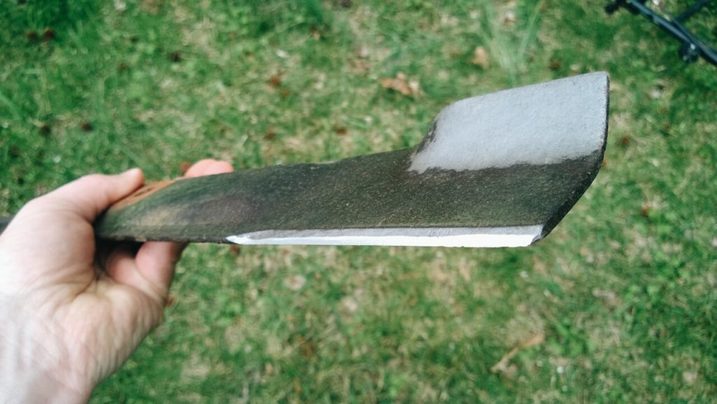
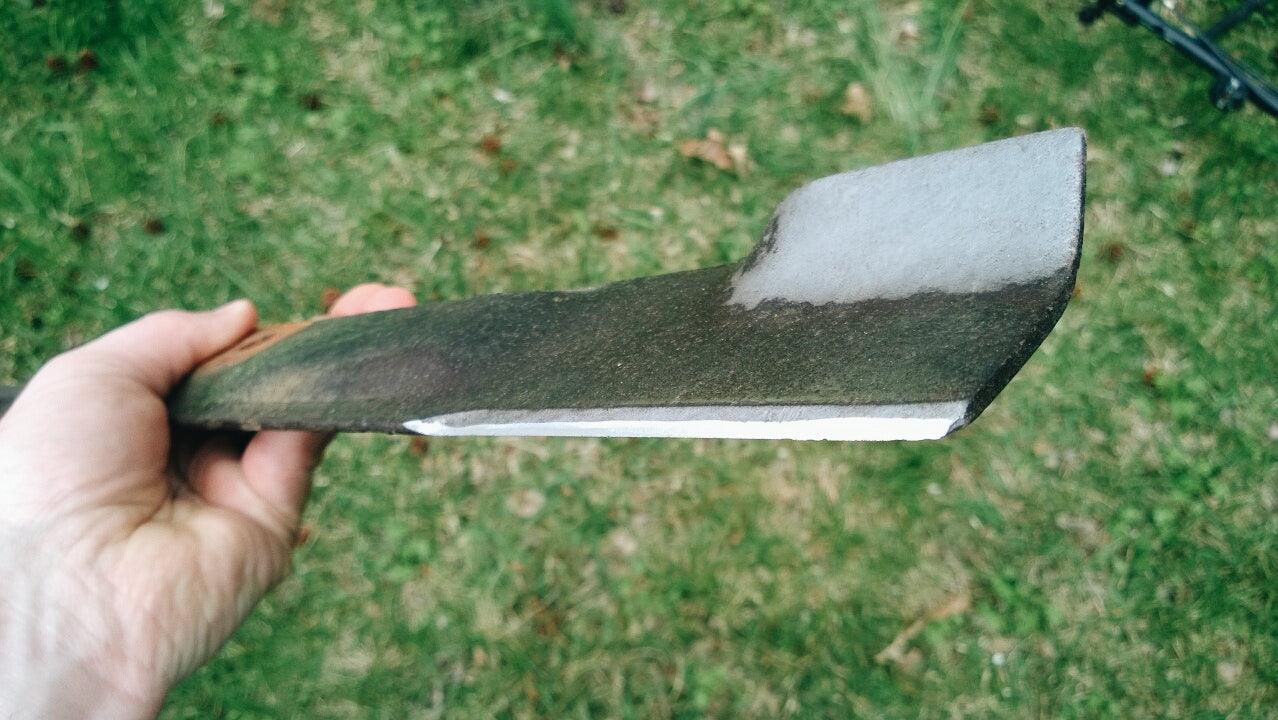
The perfect cutting edge is not razor-sharp. It should be sharp enough to cut grass cleanly. A blade with a slightly dull edge is safer and more effective. This reduces the risk of damage to the grass. Aim for a blade edge that feels like a butter knife. This ensures a clean cut without tearing the grass.
Avoiding Over-sharpening
Avoiding over-sharpening is key to maintaining your lawn mower blade. Over-sharpening can weaken the blade. It can also cause it to chip or break during use. A blade that is too sharp can harm the grass. It may tear rather than cut, leading to an unhealthy lawn. Sharpen the blade until it has a clean edge but is not overly thin.
Signs Of A Dull Blade
A sharp lawn mower blade is essential for a healthy lawn. A dull blade can harm your grass and make your lawn look bad. Knowing the signs of a dull blade can save you time and effort.
Uneven Cuts
One clear sign of a dull blade is uneven cuts. When your lawn mower blade is sharp, it cuts grass evenly. But a dull blade will leave patches of grass at different heights. This makes your lawn look messy and uneven.
Take a look at your lawn after mowing. If you see uneven patches, it’s time to sharpen your blade. A sharp blade ensures a clean, even cut, making your lawn look neat and tidy.
Torn Grass Tips
Another sign of a dull blade is torn grass tips. A sharp blade slices through grass cleanly. But a dull blade tears the grass, leaving ragged edges. Torn grass tips can make your lawn look brown and unhealthy.
Check the tips of your grass after mowing. If the tips look torn or frayed, your blade is dull. Torn grass tips can also make your lawn more prone to disease. Keeping your blade sharp helps maintain a healthy lawn.
Tools For Sharpening
Keeping your lawn mower blade sharp is crucial for a healthy lawn. Sharp blades make clean cuts, promoting grass health and reducing lawn stress. Several tools can help you achieve the perfect sharpness for your mower blade. Each tool has its benefits and suits different sharpening needs.
Sharpening Stones
Sharpening stones are a traditional method for blade sharpening. These stones come in various grits. Coarser grits remove more metal, while finer grits provide a polished edge. To use, you need to move the blade over the stone at a consistent angle. This method requires patience but offers precise control.
Angle Grinders
Angle grinders are powerful tools for sharpening mower blades quickly. They have rotating discs that grind away metal, sharpening the blade. Ensure you use a grinding disc suitable for metal. Hold the grinder at the correct angle to achieve a sharp edge. Always wear protective gear when using an angle grinder.
Sharpening Process
Maintaining a sharp lawn mower blade is crucial for a clean cut. A dull blade rips grass, causing damage and an uneven look. This section will guide you through the sharpening process. Let’s break it down into easy steps.
Removing The Blade
First, ensure safety by disconnecting the spark plug. This prevents accidental starts. Next, tip the mower on its side. Locate the blade and use a wrench to remove the bolt holding it. Keep track of the washers and any other parts. This makes reassembly easier.
Sharpening Techniques
There are several methods to sharpen a lawn mower blade:
- File: Use a metal file for small touch-ups. Follow the blade’s angle and stroke in one direction.
- Bench Grinder: Ideal for very dull blades. Hold the blade at the correct angle and move it steadily against the grinder.
- Sharpening Stone: Suitable for minor sharpening. Rub the stone along the blade’s edge, maintaining the same angle.
After sharpening, balance the blade. An unbalanced blade causes vibrations and uneven mowing. To check balance, hang the blade on a nail through the center hole. If it tilts, remove more material from the heavier side.
Reattach the blade to the mower using the removed parts. Tighten the bolt securely and reconnect the spark plug. Your mower is now ready to give your lawn a clean, even cut.
Balancing The Blade
Keeping your lawn mower blade balanced is crucial for efficient cutting. An unbalanced blade can cause vibrations, leading to uneven cuts and potential damage to the mower. Balancing the blade ensures smooth operation and extends the life of your machine.
Let’s dive into why balance matters and how to achieve it.
Importance Of Balance
A balanced blade cuts grass evenly, providing a neat and clean lawn. Imbalance can cause the mower to shake, which wears out the engine and other parts quickly. Balanced blades also reduce the risk of injury by preventing unexpected jerks or stops.
In essence, balance ensures safety, efficiency, and longevity of your lawn mower.
Steps To Balance
First, remove the blade from the mower. Clean off any debris or grass clippings. Check for nicks or dents and file them down if necessary. Next, use a blade balancer tool. Place the blade on the tool to see which side is heavier.
If one side dips lower, it means it’s heavier. File down the heavier side until the blade remains level on the balancer. Reattach the blade to the mower and check for smooth operation.
Repeat these steps regularly to maintain balance and ensure a perfect cut every time.
Maintenance Schedule
Maintaining your lawn mower blade ensures a clean and healthy cut for your lawn. A well-maintained blade can make the difference between a lush green yard and a patchy lawn. Follow a maintenance schedule to keep your blade sharp and efficient.
Seasonal Sharpening
Sharpen your lawn mower blade at least twice a year. Early spring and mid-summer are ideal times. This keeps your blade in top condition for the growing season. A sharp blade cuts grass cleanly, reducing stress on the plants. This also helps prevent diseases and pests from damaging your lawn.
Routine Inspections
Inspect your lawn mower blade regularly. Look for nicks, dents, or dull edges. Check the blade after every 20 hours of mowing. Routine inspections help you spot problems early. This prevents larger issues and keeps your lawn looking its best.
Safety Tips
Ensuring your lawn mower blade is sharp is important for a clean cut. But safety should never be overlooked. Follow these tips to stay safe while sharpening your mower blade.
Wearing Protective Gear
Always wear protective gear when sharpening your lawn mower blade. This includes:
- Safety glasses to protect your eyes from flying debris.
- Gloves to shield your hands from sharp edges.
- Ear protection if using power tools to avoid hearing damage.
Proper Blade Handling
Handle the blade with care to prevent injuries. Follow these steps:
- Disconnect the spark plug before working on the blade.
- Use a blade removal tool to safely detach the blade.
- Secure the blade in a vice for stability while sharpening.
- Sharpen the blade at the correct angle for optimal performance.
Remember, safety first. Always take precautions to protect yourself. A sharp blade is important, but safety is paramount.
Frequently Asked Questions
How Sharp Should A Lawn Mower Blade Be?
A lawn mower blade should be sharp enough to cut grass cleanly. It should not be razor-sharp but should have a slightly dull edge to prevent damage.
How Often Should I Sharpen My Lawn Mower Blade?
Sharpen your lawn mower blade after every 20-25 hours of use. This ensures clean cuts and a healthy lawn.
Can A Dull Blade Damage My Lawn?
Yes, a dull blade tears the grass, causing ragged edges. This can lead to disease and a less attractive lawn.
How Do I Know If My Blade Is Dull?
If your lawn looks uneven or ragged after mowing, the blade is likely dull and needs sharpening.
Conclusion
Keeping your lawn mower blade sharp ensures a clean, healthy cut. Sharp blades protect your grass from diseases and pests. Regular sharpening every 20-25 hours of use is recommended. Dull blades can tear grass, leading to brown tips. Invest in a good sharpening tool or seek professional help.
Consistent maintenance saves time and keeps your lawn looking its best. Don’t overlook the importance of a sharp blade. Your lawn will thank you.
