

Winter is coming, and your lawn mower needs proper care. Winterizing it ensures it runs smoothly next spring.
Winterizing your lawn mower might seem like a chore, but it’s crucial for its longevity. Cold weather can damage your mower if you leave it unattended. By following a few simple steps, you can protect your investment and make sure it’s ready for the next mowing season.
Think of it as a small task now that saves you from bigger headaches later. Plus, you’ll avoid costly repairs and extend the life of your mower. Keep reading to learn how to winterize your lawn mower efficiently and effectively, ensuring it stays in peak condition all year round.

Preparing Your Lawn Mower
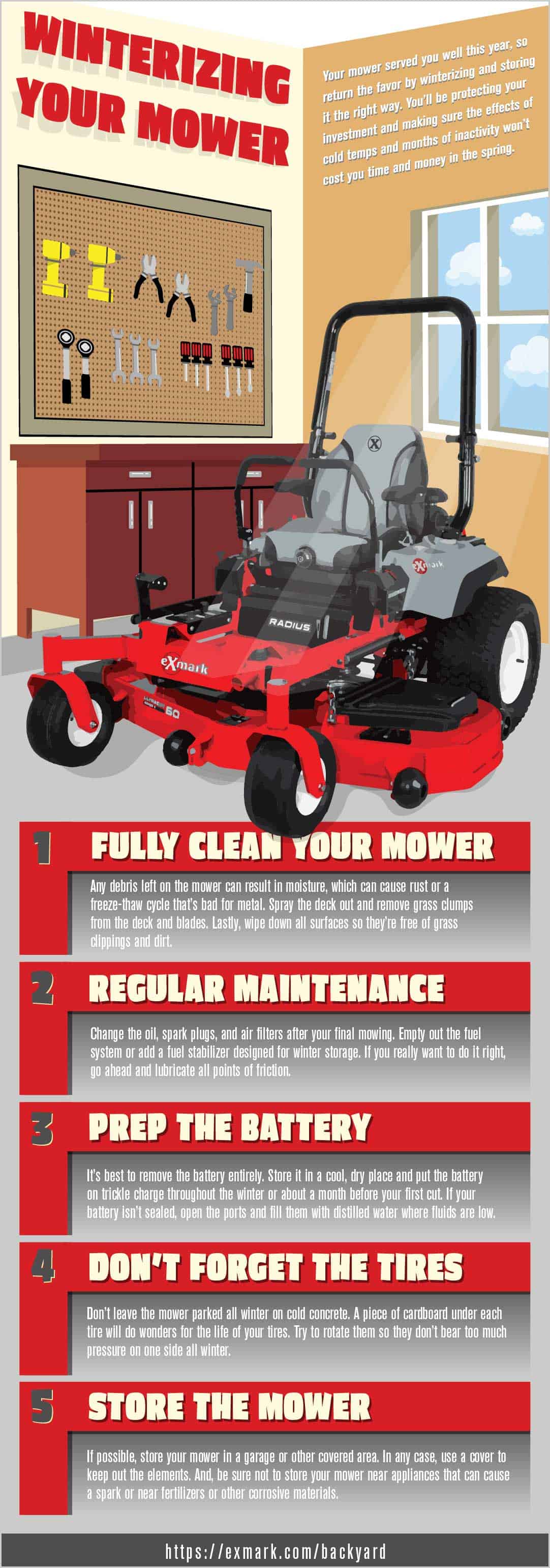
Winter is coming, and it’s time to prepare your lawn mower for the cold months. Properly winterizing your lawn mower ensures it will be ready to go when spring arrives. Follow these steps to keep your mower in top shape. Let’s start with cleaning and inspecting your mower.
Cleaning The Mower
Begin by cleaning the mower thoroughly. Remove all grass, dirt, and debris from the mower deck and blades. Use a brush and a hose to clean hard-to-reach areas. Make sure the mower is completely dry before moving on to the next step.
- Disconnect the spark plug to prevent accidental starts.
- Use a scraper to remove built-up grass clippings.
- Wipe down the exterior with a damp cloth.
Inspecting For Damage
After cleaning, inspect your lawn mower for any signs of damage or wear. Check the blades, belts, and wheels for any issues. Look for cracks, rust, or loose parts. Replace or repair damaged components as needed.
| Component | What to Look For |
|---|---|
| Blades | Check for dullness, nicks, or bends. Sharpen or replace if needed. |
| Belts | Inspect for fraying or cracks. Replace if worn out. |
| Wheels | Ensure they rotate freely and are not wobbly. Tighten or replace as necessary. |
| Spark Plug | Look for wear or corrosion. Replace if necessary. |
By following these steps, you can ensure your lawn mower is ready for winter. A well-maintained mower will save you time and money in the long run.

Fuel System Maintenance
Maintaining your lawn mower’s fuel system is essential for winterization. Proper care ensures your mower starts easily in spring. Two critical steps are draining the fuel tank and using a fuel stabilizer.
Draining The Fuel Tank
First, run the mower until it uses all the fuel. This prevents old fuel from clogging the carburetor. Once the tank is empty, turn off the mower. Use a siphon pump to remove any remaining fuel. Dispose of the old fuel safely. An empty tank reduces the risk of fuel-related issues.
Using Fuel Stabilizer
Next, add a fuel stabilizer to a small amount of fresh fuel. This prevents the fuel from breaking down over winter. Pour the mixture into the mower’s tank. Start the mower and let it run for a few minutes. This ensures the stabilizer reaches all parts of the fuel system. Your mower will be ready to go in spring.
Battery Care
Proper battery care is crucial for winterizing your lawn mower. Batteries can suffer damage during the cold months. They need special attention to ensure they work well in the spring. Follow these steps to keep your battery in good condition.
Removing The Battery
First, find the battery in your lawn mower. It is usually under the seat or hood. Use a wrench to disconnect the negative cable. This cable is black. Next, disconnect the positive cable. This cable is red. Carefully lift the battery out of the mower. Wear gloves to protect your hands.
Storing The Battery
Store the battery in a dry and cool place. Avoid direct sunlight. Place the battery on a wooden surface or shelf. Do not leave it on concrete. Concrete can drain the battery’s power. Check the battery’s charge every few weeks. Use a charger if needed. This keeps the battery ready for spring.
Blade Maintenance
Maintaining your lawn mower’s blade is crucial for its performance. Well-maintained blades ensure a clean cut. They also extend the mower’s lifespan. Blade maintenance involves cleaning and sharpening. Let’s dive into the details.
Cleaning The Blades
First, disconnect the spark plug for safety. Place the mower on its side. Use a stiff brush to remove grass clippings and dirt. Clean both sides of the blade thoroughly. Ensure no debris remains. This prevents rust and keeps the blade sharp.
Sharpening The Blades
Sharpening is essential for efficient cutting. Use a file or a blade sharpener tool. Follow the angle of the existing edge. Move the file in one direction only. Check for nicks and smooth them out. A well-sharpened blade cuts grass evenly. It also reduces the strain on the mower engine.
Oil And Lubrication
Proper oil and lubrication are crucial steps in winterizing your lawn mower. They ensure the machine runs smoothly and prevents rust and damage. Let’s dive into the key processes involved.
Changing The Oil
First, drain the old oil from your mower. Use a wrench to remove the oil plug. Let the oil flow into a container. Dispose of the used oil safely. Next, replace the oil filter if your mower has one. Refer to your mower’s manual for the correct type of oil. Fill the mower with fresh oil, checking the level with the dipstick.
Lubricating Moving Parts
Lubricate all moving parts to prevent rust. Focus on the wheels, throttle cable, and any other pivot points. Use a lubricant spray or grease, depending on your mower’s manual. Apply a thin layer to each part. Wipe off any excess lubricant to avoid dirt buildup. This will keep your mower in top condition during the winter.
Protecting The Engine
Winterizing your lawn mower is crucial for its longevity. One of the most important steps is protecting the engine. A well-maintained engine ensures your mower starts easily in the spring.
Using Engine Fogging Oil
Engine fogging oil is essential for winter storage. It protects the internal parts from rust and corrosion. Follow these steps to use it correctly:
- Start the engine and let it run for a few minutes to warm up.
- Turn off the engine and remove the air filter.
- Spray the fogging oil directly into the carburetor while cranking the engine.
- Replace the air filter once done.
These steps ensure the oil coats the internal parts well. This simple process can save you costly repairs in the future.
Sealing Engine Openings
Sealing engine openings is another critical step. It prevents moisture and debris from entering the engine. Follow these steps:
- Remove the spark plug and pour a small amount of engine oil into the cylinder.
- Pull the starter cord a few times to distribute the oil.
- Replace the spark plug, but do not tighten it completely.
- Cover the exhaust outlet and air intake with plastic wrap or a clean cloth.
These steps protect the internal parts from moisture and debris. Always ensure all openings are properly sealed before storing your mower.
Tire Care
Taking care of your lawn mower’s tires is crucial for winterizing. Proper tire care ensures your mower stays in top shape for the next season. Neglecting tire maintenance can lead to flat spots and other issues. Here are some key steps for tire care.
Checking Tire Pressure
Start by checking the tire pressure. Use a tire pressure gauge for accuracy. Your lawn mower’s manual will list the recommended pressure. Inflate the tires to the proper level. Proper inflation prevents unnecessary wear. It also ensures better performance next season.
Preventing Flat Spots
Flat spots can occur if your mower sits for long periods. To prevent this, slightly elevate your mower. Use blocks or a jack stand for elevation. This takes the weight off the tires. Rotate the tires every few weeks. This simple step avoids flat spots and extends tire life.
Storing The Lawn Mower
Storing your lawn mower correctly during winter is crucial. Proper storage ensures it runs smoothly in spring. It also extends the lifespan of your machine. Follow these steps for the best results.
Choosing A Storage Location
Find a dry, sheltered spot for your lawn mower. A garage or shed works best. Avoid places with high humidity. Moisture can damage the mower’s parts. Ensure the storage area is clean. Clear away debris and clutter.
Covering The Mower
Use a durable cover to protect the lawn mower. A proper cover keeps out dust and moisture. Choose a cover that fits snugly. Ensure it covers the entire mower. This prevents rust and keeps the mower in top shape. Avoid plastic covers that trap moisture. Instead, use breathable fabric.
Frequently Asked Questions
How To Prepare A Lawn Mower For Winter?
To prepare your lawn mower for winter, clean it thoroughly. Remove fuel, change the oil, and inspect the spark plug. Store it in a dry place.
What Steps Are Needed To Winterize A Lawn Mower?
Winterizing a lawn mower involves cleaning, draining fuel, changing oil, checking the spark plug, and storing it properly.
Why Should You Winterize Your Lawn Mower?
Winterizing prevents damage, ensures longevity, and helps the lawn mower perform efficiently when spring arrives.
Can I Leave Gas In My Lawn Mower Over Winter?
No, leaving gas in your lawn mower can cause engine damage. Always drain the fuel before storing.
Conclusion
Winterizing your lawn mower ensures it lasts longer. Follow these steps carefully. Drain the fuel, clean the mower, and replace the oil. Store it in a dry place. Check the blades for damage. Proper maintenance saves you money and time.
Your lawn mower will be ready for spring. Happy gardening!
