

Struggling to start your lawn mower? It can be frustrating.
In most cases, the issue is fixable with a little knowledge and patience. Lawn mowers, like any machinery, can sometimes refuse to start. This can be due to several common issues. From fuel problems to spark plug issues, understanding the reasons can help you fix it quickly.
Regular maintenance also plays a key role in preventing these problems. In this blog post, we will explore the most common reasons why your lawn mower might not be starting. Whether you are a seasoned gardener or a newbie, this guide will help you troubleshoot and resolve the issue. Let’s get your lawn mower running smoothly again!

Common Causes
Struggling with a lawn mower that won’t start can be frustrating. Understanding the common causes can help you troubleshoot and fix the issue quickly. Let’s explore some frequent culprits that might be keeping your lawn mower from starting.
Empty Fuel Tank
A common cause of a non-starting lawn mower is an empty fuel tank. Check the fuel level first. Many people overlook this simple step. Without fuel, the engine cannot start. Ensure your fuel tank is filled to the recommended level.
Old Or Contaminated Fuel
Fuel left in the tank for too long can degrade. Old or contaminated fuel can prevent your lawn mower from starting. It’s essential to use fresh fuel. Drain old fuel from the tank and replace it with new fuel. Contaminated fuel can also clog the carburetor. This can block the fuel flow, causing starting problems. Regularly check and replace old fuel to keep your mower in good shape.
Battery Issues
Is your lawn mower refusing to start? Battery issues might be to blame. A weak or dead battery can cause significant starting problems. Let’s dive into common battery-related problems and their solutions.
Dead Battery
A dead battery is a common cause for a non-starting lawn mower. Batteries lose charge over time, especially if the mower has been unused for a while.
- Check the battery voltage using a multimeter.
- If the voltage is below 12.6 volts, the battery may be dead.
- Recharge the battery and try starting the mower again.
- If it still doesn’t start, the battery might need replacement.
Loose Connections
Loose connections can prevent your mower from starting. Ensure all battery terminals are clean and tight.
- Inspect the battery terminals for any corrosion.
- Clean the terminals with a wire brush if you see any buildup.
- Tighten the connections securely.
- Check the wires for any damage or fraying.
Proper maintenance of the battery and connections can help keep your lawn mower in good working order.
Spark Plug Problems
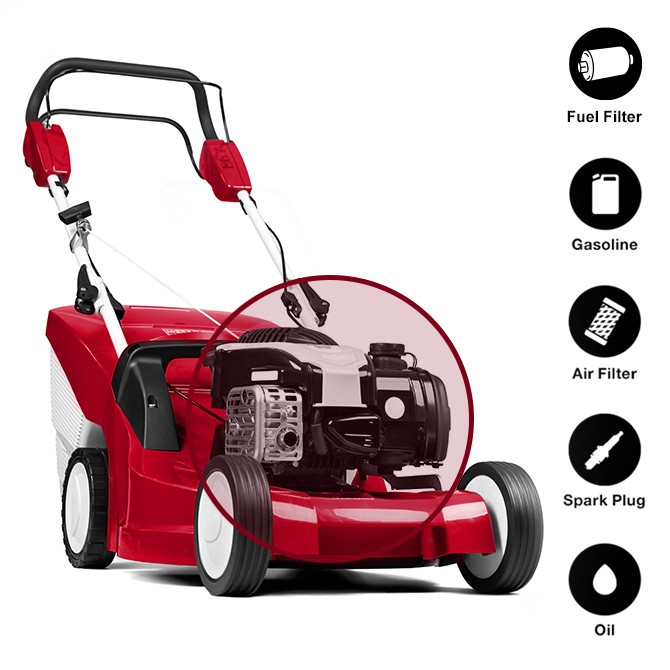
Having trouble starting your lawn mower? One common issue might be the spark plug. The spark plug is crucial for igniting the fuel in the engine. If it’s not working properly, your mower won’t start. Let’s explore two common spark plug problems: dirty spark plugs and damaged spark plugs.
Dirty Spark Plug
A dirty spark plug can hinder your mower’s performance. Dirt, oil, or carbon build-up can prevent the spark from igniting the fuel. To fix this, remove the spark plug. Use a wire brush to clean off the dirt and deposits. Ensure the gap between the electrodes is correct. This simple cleaning can often solve the problem.
Damaged Spark Plug
Sometimes, the spark plug may be damaged. Cracks in the porcelain insulator or burnt electrodes are signs of damage. A damaged spark plug cannot create the spark needed to start the engine. If you notice damage, replace the spark plug. Always use the correct type for your mower. This ensures optimal performance and longevity.
Air Filter Blockages
Your lawn mower needs clean air to run smoothly. The air filter plays a crucial role in this. It keeps dirt and debris from entering the engine. A blocked air filter can stop your mower from starting. Let’s explore more about this issue.
Clogged Air Filter
A clogged air filter is a common problem. Dirt and debris build up over time. This blockage prevents proper airflow. Without enough air, the engine struggles to start. Check the air filter regularly. If it looks dirty, it might be the cause of your issue.
Inspect the filter carefully. Hold it up to the light. If you can’t see light through it, it is clogged. Clean or replace it to ensure smooth functioning.
Replacing The Air Filter
Replacing an air filter is simple. First, locate the air filter cover. Usually, it’s on the side of the mower. Open the cover and remove the old filter. Take note of its placement.
Next, insert the new filter in the same position. Ensure it fits snugly. Close the cover securely. Start your mower to check if it runs smoothly. A new air filter can often solve starting issues.
Carburetor Complications
Your lawn mower may not start due to carburetor complications. The carburetor plays a key role in mixing air and fuel for the engine. If it malfunctions, the engine won’t run properly. Let’s dive into common carburetor issues and their solutions.
Dirty Carburetor
A dirty carburetor can block fuel flow. This prevents the engine from starting. Dirt, debris, and old fuel can clog the carburetor. Cleaning it can often solve this problem.
First, remove the carburetor from the mower. Use a carburetor cleaner to remove dirt and debris. Ensure all parts are clean and dry before reassembling. Regular cleaning prevents future issues.
Adjusting The Carburetor
Sometimes, the carburetor needs adjustment. Incorrect settings can cause starting problems. The adjustment screws control the fuel and air mix.
To adjust, locate the idle and mixture screws. Turn each screw slightly while the engine runs. Find the best setting for smooth operation. Refer to the mower’s manual for specific instructions. Proper adjustment ensures optimal performance.
Starter Rope Troubles
Starter rope issues could be why your lawn mower isn’t starting. Frayed or broken ropes often prevent proper engine ignition. Check for signs of wear or damage to resolve this common problem.
Experiencing issues with your lawn mower? The starter rope can often be the culprit. This essential part initiates the engine when pulled. If it malfunctions, your mower won’t start. Let’s explore common starter rope problems.Frayed Starter Rope
A frayed starter rope can cause major issues. Regular use can wear out the rope, making it weak. Check for visible signs of damage. A frayed rope may snap when pulled. This leaves you unable to start your mower. To avoid this, inspect the rope regularly. Look for wear and tear. Replace the rope before it breaks. This prevents sudden interruptions during mowing.Starter Rope Replacement
Replacing a starter rope is straightforward. First, disconnect the spark plug for safety. Locate the starter housing and remove it. Carefully unwind the old rope. Thread the new rope through the pulley system. Ensure the rope is secured tightly. Reattach the starter housing and reconnect the spark plug. With a new rope, your lawn mower should start easily. Proper maintenance of the starter rope ensures a hassle-free mowing experience. Keep your lawn mower in top shape for a lush, green lawn. “`Checking The Fuel System
Is your lawn mower refusing to start? A common culprit is the fuel system. Checking the fuel system can help identify the problem. Let’s dive into some essential checkpoints.
Fuel Line Blockages
A blocked fuel line can stop your lawn mower from starting. Debris and dirt can accumulate in the fuel line. This prevents the fuel from reaching the engine. To check for blockages:
- Disconnect the fuel line from the carburetor.
- Inspect the line for any visible blockages.
- Use compressed air to clear any debris.
Make sure the fuel flows freely through the line. If the blockage persists, replace the fuel line.
Fuel Filter Issues
A clogged fuel filter can also cause starting problems. The fuel filter prevents dirt and debris from entering the engine. Over time, it can become clogged. To check the fuel filter:
- Locate the fuel filter, usually near the fuel tank.
- Remove the filter and inspect it for dirt.
- If the filter is dirty, replace it with a new one.
A clean fuel filter ensures proper fuel flow. This can help your lawn mower start smoothly.
| Fuel System Component | Common Issue | Solution |
|---|---|---|
| Fuel Line | Blockages | Clear or replace the line |
| Fuel Filter | Clogging | Replace the filter |
Checking these components can solve many starting issues. Remember, regular maintenance keeps your lawn mower running smoothly.
Engine Compression Problems
Engine compression problems can be a common reason why your lawn mower won’t start. Compression is crucial for the engine to run. Without proper compression, the engine can’t generate the power needed to operate. Understanding and diagnosing these issues can save you time and frustration.
Low Compression Symptoms
Low compression can cause several symptoms. Your lawn mower may be hard to start. It may start but run poorly. You might notice a lack of power. Another sign is unusual noises from the engine. These symptoms indicate that the engine is not compressing fuel and air properly.
Fixing Compression Issues
Fixing compression issues begins with diagnosing the problem. First, check the spark plug. A dirty or damaged spark plug can affect compression. Replace it if needed. Next, inspect the cylinder head. Look for any visible damage or leaks. Tighten the bolts if they are loose.
Another step is to check the piston rings. Worn or damaged piston rings can reduce compression. Replacing them may solve the issue. If the problem persists, it might be time to consult a professional. A mechanic can perform a detailed inspection and repair.
Frequently Asked Questions
Why Won’t My Lawn Mower Start?
A common reason is a dirty air filter. Check and clean or replace it. Ensure the fuel is fresh. Additionally, inspect the spark plug for damage or wear.
What If My Lawn Mower Has Old Fuel?
Old fuel can cause starting problems. Drain the old fuel and replace it with fresh gasoline. This simple step often resolves the issue.
How Do I Check The Spark Plug?
Remove the spark plug and inspect it for damage or buildup. Clean it if dirty or replace it if worn out.
Could A Clogged Carburetor Be The Issue?
Yes, a clogged carburetor can prevent starting. Clean the carburetor to ensure fuel flows properly. Regular maintenance can prevent this problem.
Conclusion
A non-starting lawn mower can be frustrating. Check the fuel level first. Clean the air filter. Inspect the spark plug for damage. Ensure the carburetor isn’t clogged. Simple maintenance can solve many issues. Regular checks keep your mower in top shape.
Don’t ignore small problems. They can become big issues. Your lawn mower will thank you. Happy mowing!
