
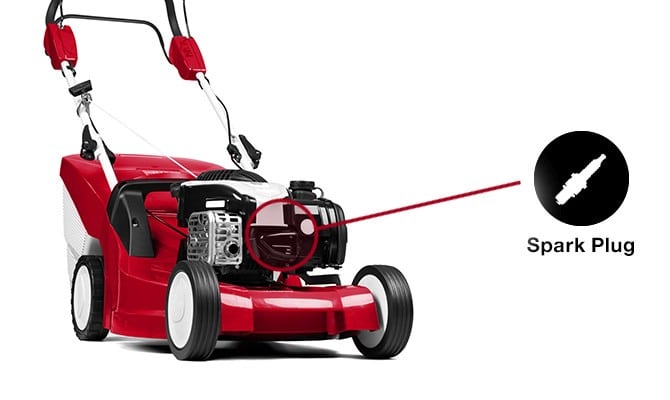
The spark plug on a lawn mower is usually easy to find. It’s often near the front or top of the engine.
Knowing where it is can save you time during maintenance. The spark plug plays a crucial role in starting your lawn mower. It ignites the fuel and air mixture in the engine, making the mower run smoothly. If your mower won’t start, a faulty spark plug might be the issue.
Checking and replacing the spark plug is simple once you know where to look. This guide will help you locate it on different types of lawn mowers. Whether you have a push mower or a riding mower, finding the spark plug is straightforward. Let’s get started on finding that spark plug!
Importance Of Spark Plug
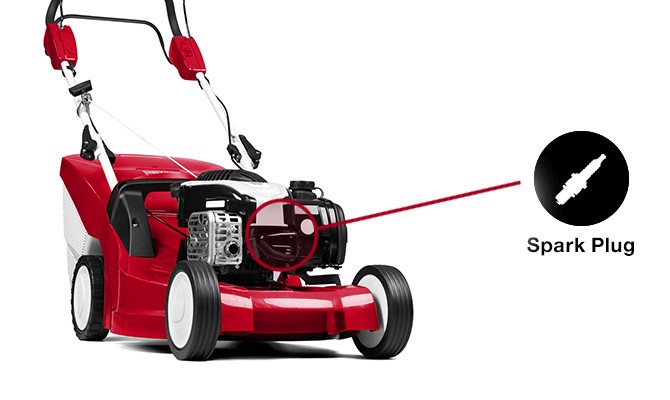
The spark plug is a small but vital part of your lawn mower. It ignites the fuel and air mix in the engine. Without it, your mower won’t start or run smoothly.
Understanding the spark plug’s role helps keep your lawn mower in top shape. A well-maintained spark plug ensures your mower runs efficiently. Let’s explore its importance in detail.
Role In Engine Performance
The spark plug plays a key role in engine performance. It provides the spark that starts the engine. This spark ignites the fuel-air mixture. This ignition creates the explosion that powers the engine.
A good spark plug ensures the engine runs smoothly. It helps maintain consistent power. It also helps the engine start easily. A faulty spark plug can cause many issues. It can make the engine hard to start. It can cause the engine to run poorly.
Signs Of A Faulty Spark Plug
Several signs indicate a faulty spark plug. The engine may be hard to start. This is often the first sign. Another sign is poor engine performance. The mower may run roughly. It may lose power during use. The engine may misfire or stop suddenly.
Excessive fuel consumption is another sign. A bad spark plug can make the engine use more fuel. This increases costs and reduces efficiency. Checking and replacing the spark plug can solve these issues.
Tools Needed
To locate and change the spark plug on a lawn mower, you need specific tools. These tools ensure you can safely and effectively perform the task. This section will cover both basic and specialized tools required.
Basic Tools
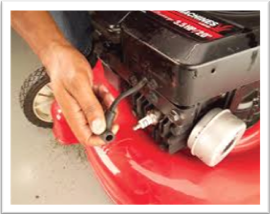
First, gather some basic tools. You will need a socket wrench. This tool helps you remove the spark plug. Make sure the socket size matches the spark plug. A spark plug socket is also useful. It has a rubber insert to hold the spark plug. This prevents it from slipping. You might also need a screwdriver. It helps remove any covers or guards.
Specialized Tools
Sometimes, basic tools are not enough. You might need specialized tools. One such tool is a spark plug gap gauge. It measures the gap between the electrodes of the spark plug. This ensures proper engine function. Another useful tool is a spark plug boot puller. It helps you safely remove the spark plug wire. This prevents damage to the wire or connector.
With these tools, you can easily locate and change the spark plug on your lawn mower. Always keep them handy for regular maintenance.
Safety Precautions
Ensuring safety is crucial before locating and handling the spark plug on a lawn mower. Following proper safety precautions prevents accidents and injuries. Here, we outline essential safety steps you should take.
Disconnecting The Battery
Always start by disconnecting the battery. This step prevents accidental starts. Locate the battery and remove the negative terminal first. This action cuts off the power supply. Secure the battery cables away from the terminals. This prevents any contact while you work.
Wearing Protective Gear
Wear appropriate protective gear. Use gloves to protect your hands from sharp edges. Safety glasses shield your eyes from debris. Long sleeves and pants protect your skin from potential burns or cuts. Ensure your clothing is not loose. Loose clothing can get caught in moving parts.
Locating The Spark Plug
Finding the spark plug on your lawn mower is crucial for maintenance. The spark plug ignites the fuel and keeps the engine running smoothly. Knowing its location helps in cleaning, replacing, or checking it. Here are some simple steps to locate the spark plug on your lawn mower.
Checking The Manual
The manual is your best friend for locating the spark plug. Every lawn mower comes with a user manual. This manual has detailed diagrams and instructions. Look for the section on engine components. It will show where the spark plug is situated.
Visual Inspection
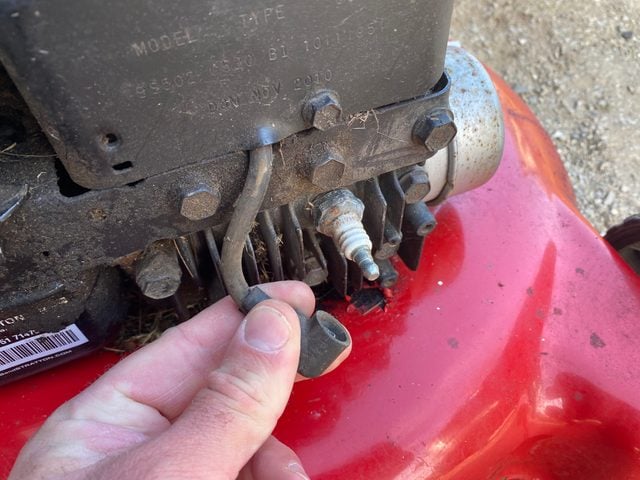
If you do not have the manual, don’t worry. You can easily spot the spark plug with a quick visual inspection. First, make sure the lawn mower is turned off. Safety first! Look at the engine area. The spark plug is usually on the side or top of the engine. It has a thick wire connected to it.
Identify the wire that connects to a small, cylindrical object. This object is the spark plug. The wire is called the spark plug wire. Gently follow this wire to find the spark plug’s exact location.
Removing The Old Spark Plug
Removing the old spark plug from your lawn mower is an essential task for maintenance. An old spark plug can affect your mower’s performance. This guide will walk you through the steps to remove the old spark plug efficiently.
Using A Socket Wrench
First, locate the spark plug on your lawn mower. It’s usually near the front of the engine. Use a socket wrench to loosen the spark plug. Turn the wrench counterclockwise. Once it’s loose, you can use your fingers to unscrew it completely. Be gentle to avoid damaging the threads.
Cleaning The Area
Before installing a new spark plug, clean the area around the spark plug hole. Use a clean cloth or a brush. Remove any dirt or debris. This prevents contaminants from entering the engine. A clean area ensures a good connection for the new spark plug.
Choosing The Right Replacement
Replacing the spark plug on your lawn mower is essential. The right spark plug ensures smooth operation and longevity. Selecting the correct one can be confusing. It’s vital to understand what to look for.
Compatible Spark Plugs
Not all spark plugs fit every lawn mower. Check your mower’s manual for specifications. Look for the model number and required type. Matching the spark plug to these details is crucial. Using the wrong one can cause damage.
There are various types of spark plugs. Some are designed for specific engine models. Ensure the spark plug you choose is compatible. This will help in maintaining the mower’s performance.
Quality Considerations
Quality matters when selecting a spark plug. High-quality spark plugs last longer. They provide better performance. Cheap spark plugs may wear out quickly. They might also cause engine problems.
Look for trusted brands. Read reviews and get recommendations. A good spark plug will save you money in the long run. It ensures your lawn mower runs efficiently.
Installing The New Spark Plug
Once you have removed the old spark plug, it’s time to install the new one. This step ensures your lawn mower runs smoothly. Follow these instructions carefully to avoid any issues.
Proper Tightening
First, align the new spark plug with the engine hole. Gently thread it by hand to avoid cross-threading. Once it is hand-tight, use a spark plug wrench to tighten it further. Do not over-tighten. This can damage the threads or the plug.
Reconnecting The Battery
After installing the new spark plug, reconnect the battery. This step is crucial for the mower to start. Locate the battery terminals and attach the cables. Ensure the connections are secure.
With the battery reconnected, your lawn mower is ready to go. Start the engine to check if the new spark plug is working properly. Enjoy a smooth mowing experience.
Maintenance Tips
Maintaining your lawn mower ensures it runs efficiently and lasts longer. Spark plug maintenance is vital for optimal performance. Here are some essential tips on maintaining your lawn mower’s spark plugs.
Regular Inspection
Regular inspection of your lawn mower’s spark plug is crucial. Check it every 25 hours of use or at the start of each mowing season. Look for signs of wear, such as a dirty or damaged electrode.
Use a spark plug wrench to remove the plug. Inspect it for carbon deposits and corrosion. Replace it if damaged or excessively worn. A healthy spark plug ensures your mower starts easily and runs smoothly.
Cleaning Spark Plugs
Cleaning spark plugs can extend their life. Here’s a simple step-by-step guide:
- Remove the spark plug using a spark plug wrench.
- Inspect the spark plug for deposits.
- Use a wire brush to clean the electrode and threads.
- If the deposits are stubborn, use a spark plug cleaner or sandpaper.
- Check the gap with a spark plug gap gauge and adjust if necessary.
- Reinstall the spark plug, ensuring it’s tight but not over-tightened.
Keeping the spark plug clean ensures a strong spark. This leads to better engine performance and fuel efficiency.
Make these steps part of your regular lawn mower maintenance routine. It helps in avoiding unexpected issues and prolonging the life of your equipment.
Frequently Asked Questions
Where Is The Spark Plug Located On A Lawn Mower?
The spark plug is usually located on the side or front of the engine. It is connected to a thick wire.
How Do I Find The Spark Plug On A Lawn Mower?
To find the spark plug, look for a thick, rubber-covered wire connected to a metal part on the engine.
What Does A Lawn Mower Spark Plug Look Like?
A lawn mower spark plug is a small, cylindrical metal part with a ceramic insulator and a metal tip.
Can I Replace The Spark Plug On My Lawn Mower?
Yes, you can replace the spark plug by disconnecting the wire, unscrewing the old plug, and installing a new one.
Conclusion
Locating the spark plug on your lawn mower is simple. First, check the front or side of the engine. Look for a small, metal part with a thick wire attached. This is usually where the spark plug sits. Regularly checking and replacing the spark plug keeps your lawn mower running smoothly.
Now, you’re ready to maintain your lawn mower with confidence. Thank you for reading and happy mowing!
