
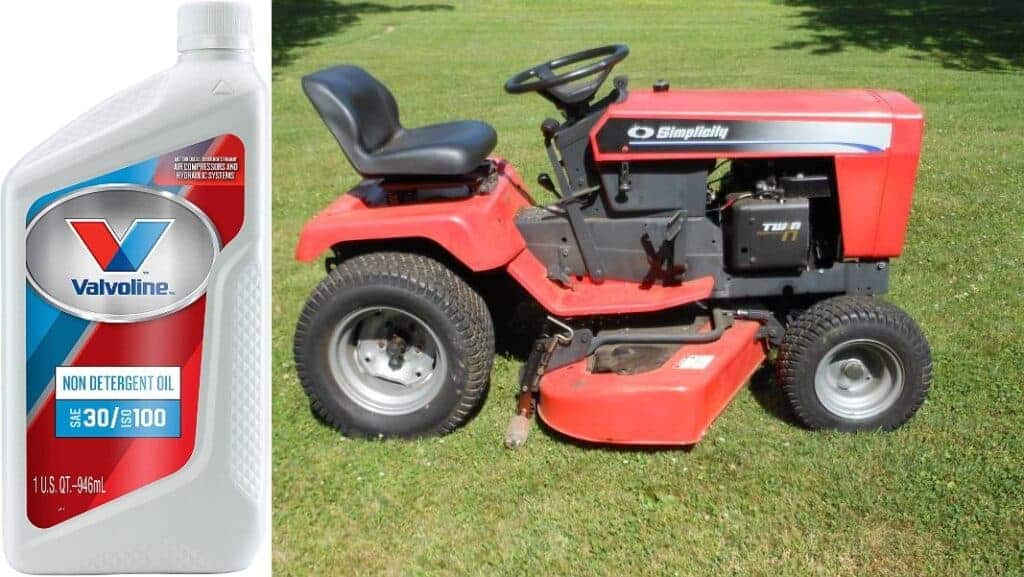
A riding lawn mower typically takes SAE 30 oil. For cold climates, use 10W-30 oil.
Owning a riding lawn mower makes yard work easier and faster. But, keeping your mower in great shape is key. One important part of maintenance is choosing the right oil. Using the correct oil ensures your mower runs smoothly and lasts longer.
But, with so many types of oil out there, it can be confusing. This guide will help you understand which oil is best for your mower. We’ll cover different oil types and why they matter. By the end, you’ll know exactly what oil to use for your riding lawn mower.
Choosing The Right Oil
Picking the right oil for your riding lawn mower is crucial. It ensures your engine runs smoothly and extends its life. Let’s look at why the type of oil matters and how it works with your mower’s engine.
Importance Of Oil Type
The type of oil you use directly affects your engine’s performance. Oil lubricates the moving parts inside the engine. This reduces wear and tear. Using the wrong oil can lead to engine damage.
There are different types of oil, like synthetic and conventional oil. Synthetic oil works well in extreme temperatures. Conventional oil is usually cheaper but needs more frequent changes.
Compatibility With Engines
Not all oils are suitable for every engine. Your mower’s manual will specify the right oil type. This ensures compatibility with your engine. Using the wrong oil can void your warranty.
Here is a simple table to help you understand which oil types are generally compatible with different engines:
| Engine Type | Recommended Oil |
|---|---|
| 4-Stroke Engine | SAE 30, 10W-30 |
| 2-Stroke Engine | 2-Stroke Oil |
| Cold Weather | 5W-30, Synthetic Oil |
Check your manual for specific recommendations. This will help you choose the right oil. It ensures the longevity and performance of your mower.
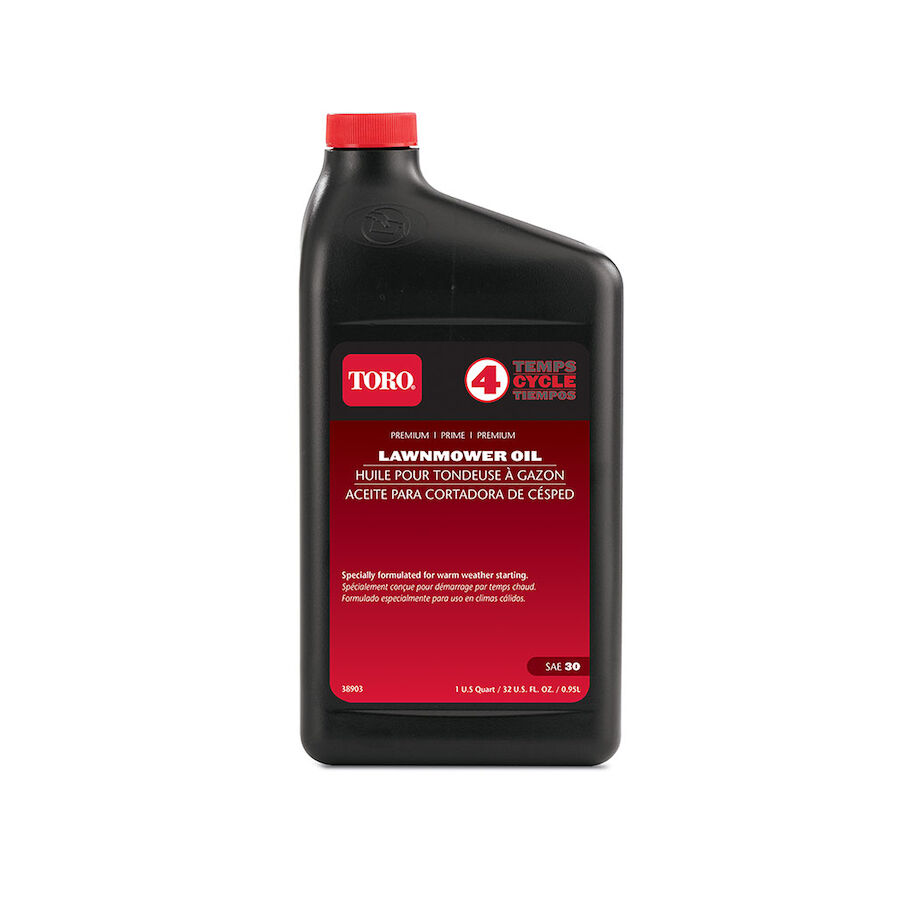
Synthetic Vs. Conventional Oil
Riding lawn mowers typically use either synthetic or conventional oil. Synthetic oil offers better performance and protection. Conventional oil is more affordable and widely available.
Choosing the right oil for your riding lawn mower is crucial. It ensures your machine runs smoothly and lasts longer. You will find two main types of oils: synthetic and conventional. Each has its own benefits and drawbacks. Understanding these differences helps you make an informed choice.Benefits Of Synthetic Oil
Synthetic oil offers better performance in extreme temperatures. It provides superior lubrication, reducing engine wear. This oil type also resists oxidation and breakdown. It means your mower’s engine stays cleaner for longer. Synthetic oil also increases fuel efficiency. It results in fewer trips to the gas station.Advantages Of Conventional Oil
Conventional oil is more affordable. It is a good option for those on a budget. This oil type also works well for older engines. It provides sufficient lubrication for less demanding tasks. Conventional oil is easier to find in stores. It is widely available and offers good protection for your engine. Choosing between synthetic and conventional oil depends on your needs. Both types have their own merits. “`Oil Grades And Viscosity
Choosing the right oil for your riding lawn mower is crucial. The oil grade and viscosity affect the mower’s performance and longevity. Understanding these aspects helps you make an informed decision.
Understanding Oil Grades
Oil grades are classified by the Society of Automotive Engineers (SAE). The grade indicates the oil’s flow at different temperatures. Common grades for mowers include SAE 30 and SAE 10W-30. SAE 30 works well in warmer temperatures. SAE 10W-30 offers more versatility, performing in a wider range of temperatures.
Ideal Viscosity For Mowers
Viscosity refers to the thickness of the oil. It impacts how well the oil lubricates the engine. Thicker oils protect better in high heat. Thinner oils flow better in cold weather. For mowers, the ideal viscosity often depends on the climate. In hot climates, SAE 30 is often preferred. In cooler climates, SAE 10W-30 is better.
Seasonal Considerations
Choosing the right oil for your riding lawn mower is crucial. It ensures smooth operation and longevity. Seasonal changes play a significant role in this selection. Different seasons and climates can affect your mower’s performance. Understanding these factors can help you make an informed decision.
Oil For Different Climates
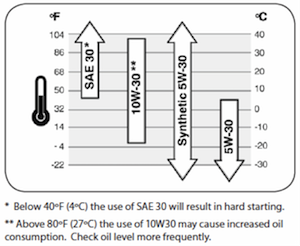
Different climates require different types of oil. In colder climates, use thinner oils. They flow easier in low temperatures. For example, SAE 5W-30 is a good choice for cold weather. In warmer climates, thicker oils like SAE 30 or 10W-30 are better. They maintain their viscosity even in high temperatures.
Here is a simple table for reference:
| Climate | Recommended Oil |
|---|---|
| Cold | SAE 5W-30 |
| Warm | SAE 30 or 10W-30 |
Adjusting For Seasonal Changes
Adjusting oil type based on seasons is essential. In winter, switch to thinner oil. It helps your engine start easier. In summer, use thicker oil. It provides better protection in heat.
Follow these steps to adjust your oil:
- Check your mower’s manual for oil recommendations.
- Drain old oil before adding new one.
- Pour the recommended oil type for the season.
- Regularly check oil levels and top up as needed.
Using the right oil for each season ensures your mower runs efficiently. It also extends the life of the engine.
Maintenance Tips
Riding lawn mowers typically require SAE 30 motor oil. Check the owner’s manual for the specific recommendation. Regular oil changes ensure smooth operation.
Maintaining your riding lawn mower is crucial for its longevity. Regular oil maintenance ensures the engine runs smoothly. Follow these tips to keep your mower in top shape.Regular Oil Checks
Check the oil level before each use. This simple step prevents engine damage. Use a clean dipstick for accurate readings. Wipe the dipstick, insert it, and then check the level. Ensure the oil is between the full and add marks. Look at the oil color. Fresh oil is amber. Dark or dirty oil needs changing. Regular checks help you spot issues early.Proper Oil Change Procedure
Change the oil after every 50 hours of use. Warm up the engine for a few minutes. This helps the oil flow out smoothly. Place a container under the drain plug. Remove the plug and let the oil drain completely. Replace the oil filter if your mower has one. Install a new filter by turning it clockwise until snug. Do not over-tighten. Refill the engine with the recommended oil type. Use a funnel to avoid spills. Check the oil level with the dipstick. Run the engine for a few minutes and check for leaks. Ensure the oil level is correct after running the engine. Dispose of the old oil properly. Many auto shops accept used oil for recycling. Regular oil maintenance keeps your lawn mower running smoothly. It also extends the life of your engine. Follow these tips for a healthier mower. “`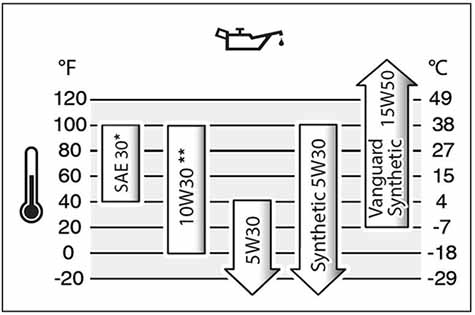
Common Mistakes
Maintaining a riding lawn mower involves more than just cutting grass. Many owners make common mistakes with their mower’s oil. These mistakes can lead to costly repairs and reduced mower life.
Using Incorrect Oil
One of the most common mistakes is using the wrong oil type. Riding lawn mowers need specific oil grades. Using car oil or wrong viscosity oil can damage the engine. Always check the mower’s manual for the right oil type.
Neglecting Oil Changes
Many owners forget to change their mower’s oil regularly. This neglect causes dirt and debris to build up in the engine. Dirty oil can lead to overheating and wear. Schedule regular oil changes to keep your mower running smoothly.
Top Oil Brands
Choosing the right oil for your riding lawn mower is crucial. Quality oil ensures optimal performance and longevity. Let’s explore some of the top oil brands that experts recommend.
Recommended Brands
Here are some of the best brands for riding lawn mower oil:
- Briggs & Stratton: Known for its high-quality, reliable oils. Perfect for small engines.
- Honda: Offers excellent protection against wear and tear.
- Toro: Provides superior performance in extreme temperatures.
- Craftsman: Ensures smooth operation and extends engine life.
- John Deere: Ideal for heavy-duty use and long-lasting performance.
Customer Reviews
Customers have shared their experiences with these brands:
| Brand | Rating | Review |
|---|---|---|
| Briggs & Stratton | 4.8/5 | “Outstanding oil for my mower. Engine runs smoothly.” |
| Honda | 4.7/5 | “Reliable and keeps my mower in top shape.” |
| Toro | 4.6/5 | “Excellent in hot and cold weather. No issues.” |
| Craftsman | 4.5/5 | “Affordable and effective. My go-to oil.” |
| John Deere | 4.9/5 | “Best oil for heavy-duty mowing. Highly recommend.” |
Environmental Impact
Riding lawn mowers are essential tools for maintaining a beautiful lawn. But the type of oil you use can impact the environment. Understanding how to minimize negative effects is important.
Disposing Used Oil
Proper disposal of used oil is crucial. It prevents harmful substances from entering the environment.
- Never pour oil down the drain or on the ground.
- Use a sealed container to store used oil.
- Take it to a recycling center or auto parts store.
Many places offer free disposal services. Check local regulations and guidelines.
Eco-friendly Oil Options
Choosing eco-friendly oil can reduce the environmental impact of your lawn mower.
Consider these options:
| Oil Type | Benefits |
|---|---|
| Synthetic Oil | Longer-lasting, reduces waste |
| Biodegradable Oil | Breaks down naturally, less toxic |
Using these oils can help protect the environment. They also improve the performance of your lawn mower.
Frequently Asked Questions
What Oil Type For Riding Lawn Mower?
Most riding lawn mowers use SAE 30 motor oil. Check your mower’s manual for specific recommendations.
Can I Use Synthetic Oil In My Mower?
Yes, synthetic oil can be used in riding lawn mowers. It offers better performance and protection.
How Often Should I Change Mower Oil?
Change the oil in your riding lawn mower every 50 hours of use or annually.
Is 10w-30 Suitable For My Lawn Mower?
10W-30 oil is suitable for varying temperature ranges and can be used in many riding lawn mowers.
Conclusion
Choosing the right oil for your riding lawn mower is crucial. It ensures smooth operation and extends engine life. Always check your mower’s manual for specific oil recommendations. Use high-quality oil to keep your mower in top condition. Regular maintenance, including oil changes, helps avoid costly repairs.
Remember, proper care leads to a well-maintained lawn mower. Happy mowing!
