

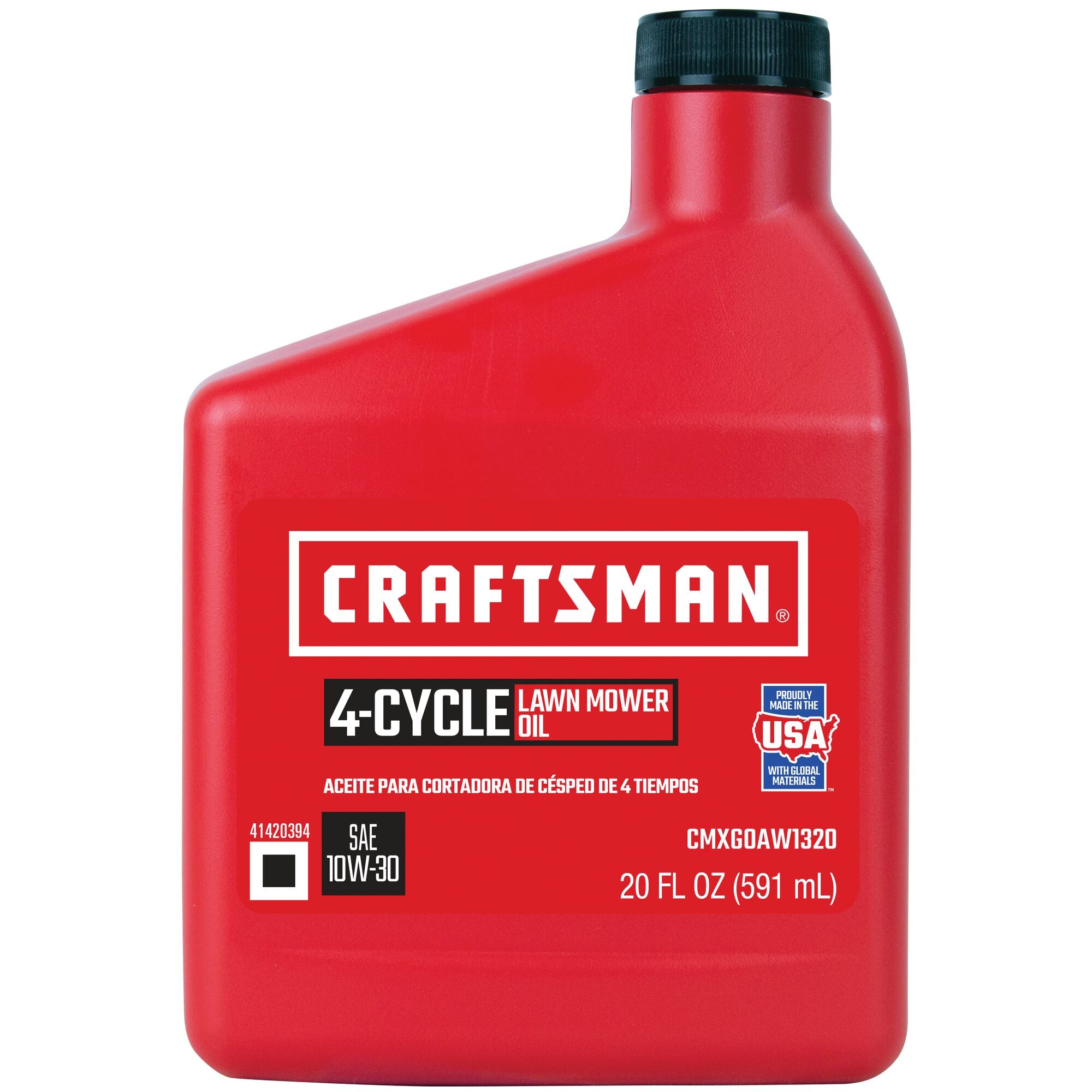
The type of oil your lawn mower needs depends on its engine. Most lawn mowers use SAE 30 or 10W-30 oil.
But there’s more to it than just grabbing any bottle off the shelf. Maintaining your lawn mower is crucial for its longevity and performance. The right oil can make a big difference. It helps the engine run smoothly, reduces wear, and prevents overheating.
Choosing the correct oil type also ensures that your mower starts easily and runs efficiently. In this blog post, we will explore the different types of oil suitable for lawn mowers, factors to consider when selecting oil, and tips for maintaining your mower. Understanding these basics can save you time, money, and effort in the long run. Let’s get started!
Types Of Lawn Mower Oil
Choosing the right oil for your lawn mower is essential for its performance and longevity. Different types of lawn mower oil are available, each with its benefits. In this section, we will discuss two main types: synthetic oil and conventional oil.
Synthetic Oil
Synthetic oil is a popular choice for many lawn mower owners. It offers better performance in extreme temperatures. Synthetic oil also provides superior lubrication, reducing engine wear. This type of oil is more refined than conventional oil, removing impurities. As a result, it lasts longer and keeps the engine cleaner. Though synthetic oil is more expensive, its benefits often outweigh the cost.
Conventional Oil
Conventional oil is the traditional choice for lawn mowers. It is made from refined crude oil and is less expensive than synthetic oil. Conventional oil provides adequate lubrication for standard lawn mower engines. It is suitable for moderate climates and regular mowing tasks. While it may not offer the same high performance as synthetic oil, it is a reliable and budget-friendly option for many users.

Choosing The Right Oil
Choosing the right oil for your lawn mower is essential. It ensures smooth operation and extends the life of your machine. The correct oil type depends on several factors, such as climate and engine type. Let’s explore these factors to help you make the best choice.
Climate Considerations
The climate in your area plays a crucial role in selecting the right oil. Different temperatures can affect the viscosity and performance of the oil.
Here is a simple guide:
- Cold Climates: Use SAE 5W-30 oil. It works well in temperatures ranging from -20°F to 40°F (-29°C to 4°C).
- Moderate Climates: SAE 10W-30 oil is suitable. It performs best in temperatures from 0°F to 100°F (-18°C to 38°C).
- Hot Climates: Choose SAE 30 oil. It is ideal for temperatures over 40°F (4°C).
Mower Engine Type
Your mower’s engine type also determines the kind of oil you should use. Different engines have different requirements.
Here’s a quick breakdown:
| Engine Type | Recommended Oil |
|---|---|
| Four-Stroke Engine | SAE 30, SAE 10W-30 |
| Two-Stroke Engine | Two-Stroke Oil (Mix with Gasoline) |
Always check your mower’s manual for specific recommendations. Using the right oil ensures your mower runs efficiently and lasts longer.
Oil Viscosity Grades
Understanding oil viscosity grades is crucial for maintaining your lawn mower’s performance. The right oil ensures smooth operation and extends the life of your mower. Let’s dive into the details of oil viscosity grades and their importance for lawn mowers.
Sae Ratings
The Society of Automotive Engineers (SAE) provides a standard for oil viscosity ratings. These ratings help determine the oil’s flow characteristics at various temperatures. Common SAE ratings for lawn mowers include SAE 30, SAE 10W-30, and SAE 5W-30. Here’s a breakdown of these ratings:
- SAE 30: Suitable for warm temperatures. Ideal for small engines.
- SAE 10W-30: Versatile oil. Performs well in varying temperatures.
- SAE 5W-30: Best for cold climates. Ensures easy starting in cold weather.
Seasonal Variations
Oil viscosity can vary with the seasons. Using the correct oil for each season is important. Here’s a quick guide:
| Season | Recommended Oil |
|---|---|
| Spring | SAE 10W-30 |
| Summer | SAE 30 |
| Fall | SAE 10W-30 |
| Winter | SAE 5W-30 |
During the summer, SAE 30 works well. For winter, opt for SAE 5W-30 to prevent engine wear. Adjusting the oil with the seasons ensures optimal performance.
Synthetic Vs. Conventional Oil
Choosing the right oil for your lawn mower is crucial. It ensures smooth operation and longevity. Two common choices are synthetic and conventional oil. Each has its own benefits and drawbacks. Understanding these differences helps make an informed decision.
Performance Differences
Synthetic oil offers better performance in extreme temperatures. It provides superior lubrication, reducing engine wear. It also resists breakdown longer than conventional oil. This means fewer oil changes and consistent performance. Conventional oil may struggle in extreme conditions. It can break down faster, leading to more frequent changes.
Cost Comparison
Synthetic oil is usually more expensive. Its high quality and performance justify the price. Conventional oil is cheaper and more accessible. For those on a budget, it might be a better choice. But, remember the long-term costs. Synthetic oil can save money over time with fewer changes and less engine wear.
Steps To Change Lawn Mower Oil
Changing your lawn mower oil is essential for its optimal performance. This task helps in maintaining the engine’s health and longevity. Follow these simple steps to change your lawn mower oil effectively.
Preparation
First, gather your tools and supplies. You will need fresh oil, a container to catch old oil, a funnel, and a wrench. Ensure your lawn mower is on a flat, stable surface. Warm up the engine for a few minutes. This helps the oil flow out easily.
Draining Old Oil
Next, turn off the engine and disconnect the spark plug. This is a safety measure. Place the container under the oil drain plug. Use a wrench to remove the plug. Allow the old oil to drain completely. This may take a few minutes. Dispose of the old oil responsibly.
Adding New Oil
Now, replace the drain plug tightly. Use a funnel to pour the new oil into the oil fill hole. Check the oil level with the dipstick. Make sure not to overfill. Finally, reconnect the spark plug and start the engine. Check for any leaks. Your lawn mower is ready to use.
Signs Of Oil Issues
Oil issues in your lawn mower can lead to various problems. Recognizing these signs early can save you from costly repairs. Here are some key indicators to watch out for.
Smoke Emission
Seeing smoke from your lawn mower is a red flag. Blue or white smoke usually signals oil problems. It often means oil is burning in the engine. This could be due to an overfilled oil reservoir. Or, it might indicate a leak.
Engine Noise
Unusual engine noise is another sign of oil issues. A knocking or rattling sound often points to low oil levels. The engine parts may be grinding against each other. This can cause severe damage over time. Always check the oil level and top up if needed.
Maintenance Tips
Maintaining your lawn mower keeps it running efficiently. Proper oil care is essential. Follow these maintenance tips to extend the life of your mower.
Regular Oil Checks
Check the oil level before each use. Ensure it’s at the right level. Use the dipstick to measure it. Clean the dipstick first. Insert it fully and then remove it to read the level. Top up if needed. Use the correct oil type specified by the manufacturer.
Change the oil regularly. A good rule is after every 25-50 hours of use. Refer to your manual for exact intervals. Fresh oil helps the engine run smoothly. It also prevents overheating and wear.
Storage Practices
Store your lawn mower properly. It helps maintain oil quality. Keep it in a cool, dry place. Avoid direct sunlight and moisture. These can degrade the oil.
During winter storage, drain the old oil. Refill with fresh oil before use in spring. This prevents old oil from gumming up the engine. It also ensures a smooth start when you need it.
Cover your mower when not in use. This keeps dust and debris out. Clean the mower before storing it. Remove grass clippings and dirt. This prevents buildup that can affect oil performance.
Environmental Considerations
Choosing the right oil for your lawn mower is important. Not just for performance, but for the environment too. Proper oil management helps keep our planet clean. Let’s look at how you can make eco-friendly choices.
Oil Disposal
Used oil can harm the environment if not disposed of correctly. Never pour it down the drain or on the ground. Take it to a recycling center or an auto shop. They can dispose of it safely. Some places even offer free disposal services.
Eco-friendly Oil Options
There are eco-friendly oils available for lawn mowers. These oils are biodegradable and less toxic. They break down naturally, causing less pollution. Many brands offer these green options. Check the label for terms like “biodegradable” or “eco-friendly”.

Frequently Asked Questions
What Type Of Oil For A Lawn Mower?
Lawn mowers typically use SAE 30 oil for warmer climates. For varying temperatures, SAE 10W-30 is recommended. Always check your manual.
Can I Use Car Oil In A Lawn Mower?
Yes, you can use car oil, such as SAE 30 or 10W-30, in your lawn mower. Ensure it meets the engine’s requirements.
How Often Should I Change Lawn Mower Oil?
Change your lawn mower oil every 25-50 hours of use or once per mowing season. Refer to your manual for specific recommendations.
What Happens If I Use The Wrong Oil?
Using the wrong oil can cause engine wear, overheating, and potentially severe damage. Always use the recommended oil type for optimal performance.
Conclusion
Choosing the right oil for your lawn mower ensures its longevity. Always check the manual for specific oil types. Regularly changing the oil keeps your mower running smoothly. Synthetic oils often offer better protection. Keep your mower in top shape by using high-quality oil.
Your lawn will thank you with a clean, even cut. Remember, a little maintenance goes a long way. Happy mowing!
