
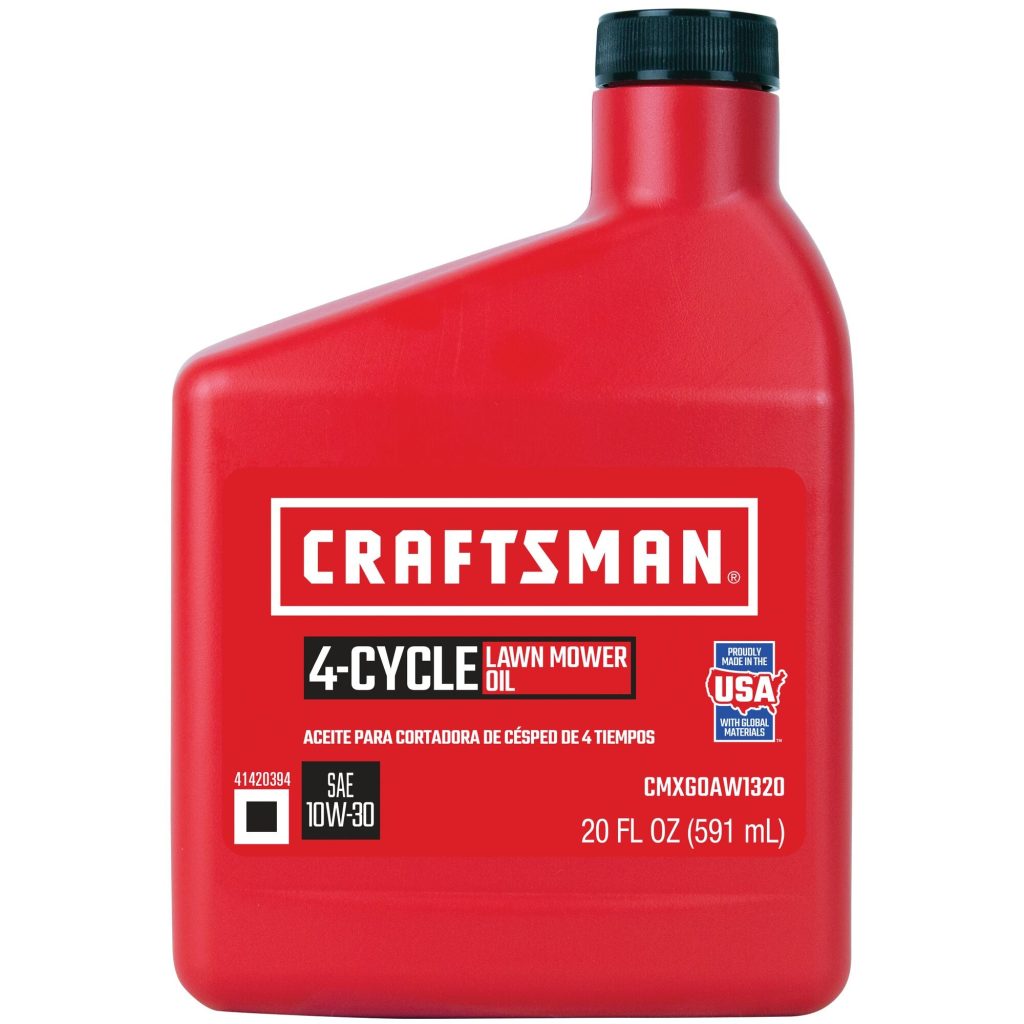
What kind of oil does a lawn mower take? The answer is simple.
Most lawn mowers use SAE 30 oil. But there’s more to it. Choosing the right oil for your lawn mower is crucial. It affects performance and longevity. Using the wrong oil can harm the engine. Different mowers need different oils.
Factors like engine type and climate matter too. Understanding these can save you time and money. It ensures your mower runs smoothly. This guide will help you choose the right oil. Let’s dive into the details.
Choosing The Right Oil
Choosing the right oil for your lawn mower is vital. The wrong oil can damage the engine. This guide will help you pick the best oil. Learn about the types of oil and viscosity ratings.
Types Of Oil
There are different types of oil for lawn mowers. The most common are conventional, synthetic, and synthetic blends.
Conventional oil is the most basic type. It is suitable for older mowers. It is also cheaper but does not last as long.
Synthetic oil is a better option. It offers better protection and lasts longer. It works well in new mowers and high-performance engines.
Synthetic blends are a mix of both. They offer some benefits of synthetic oil. They are also more affordable than full synthetic oil.
Viscosity Ratings
Viscosity ratings tell you how thick or thin the oil is. It is important to choose the right viscosity for your mower.
Look for the numbers on the oil bottle. They show the viscosity rating. For example, 10W-30 or SAE 30.
The first number with the “W” shows the oil’s flow in cold temperatures. The second number shows the flow at high temperatures.
10W-30 is a common choice. It works well in most weather conditions. SAE 30 is also popular. It is best for warmer weather.
Check your mower’s manual for the recommended viscosity. Using the right viscosity ensures your mower runs smoothly.
Synthetic Vs. Conventional
Deciding between synthetic and conventional oil for your lawn mower can be confusing. Each type offers unique advantages. Understanding these benefits helps you make an informed decision.
Benefits Of Synthetic
Synthetic oil offers several key benefits for your lawn mower. It provides better engine protection. This is because it flows better at low temperatures and retains its viscosity at high temperatures.
Synthetic oil also reduces engine wear. It contains fewer impurities compared to conventional oil. This results in cleaner engine parts and longer engine life.
Another advantage is that it extends the time between oil changes. You do not need to change synthetic oil as often. This can save you time and money over the long term.
Here is a simple comparison table:
| Feature | Synthetic Oil |
|---|---|
| Engine Protection | High |
| Impurities | Low |
| Oil Change Frequency | Less Often |
Advantages Of Conventional
Conventional oil is often more affordable than synthetic oil. This can be a deciding factor for many people.
It is also readily available. You can find it in almost any store that sells engine oil. This convenience makes it a popular choice.
For older lawn mowers, conventional oil can be a better option. Some older engines are designed to run on conventional oil. Switching to synthetic may not provide any additional benefits.
Here is a summary in a bullet list:
- More affordable
- Widely available
- Suitable for older engines
Seasonal Considerations
Choosing the right oil for your lawn mower is crucial. The oil type can vary based on the season. Different temperatures can affect oil performance. Adjusting your oil choice ensures your mower runs smoothly all year.
Summer Oil Choices
During the summer, the heat can impact your lawn mower’s oil. Higher temperatures require oil with a higher viscosity. This keeps the engine protected and lubricated. Here are some suitable oil types for summer:
- SAE 30: Ideal for warm climates, providing excellent protection.
- 10W-30: Good for varying temperatures, offering flexibility.
- Synthetic 5W-30: High performance and durable in extreme heat.
Using the right oil during summer prevents overheating. It also ensures longer engine life and better performance.
Winter Oil Options
Cold weather requires different considerations. Low temperatures can thicken oil, making it harder for the engine to start. For winter, choose oil that flows easily at low temperatures. Here are some winter-friendly options:
- 5W-30: Excellent for cold starts, keeping the engine running smoothly.
- Synthetic 5W-30: Offers superior protection and performance in freezing conditions.
- 0W-30: Best for extremely cold climates, ensuring easy start and efficient operation.
Using the right oil during winter helps your mower start easily. It also reduces engine wear and ensures efficient operation.
| Season | Oil Type | Benefits |
|---|---|---|
| Summer | SAE 30 | Excellent protection in warm climates |
| Summer | 10W-30 | Flexible for varying temperatures |
| Summer | Synthetic 5W-30 | High performance in extreme heat |
| Winter | 5W-30 | Good for cold starts |
| Winter | Synthetic 5W-30 | Superior protection in freezing conditions |
| Winter | 0W-30 | Best for extremely cold climates |
Understanding Engine Types
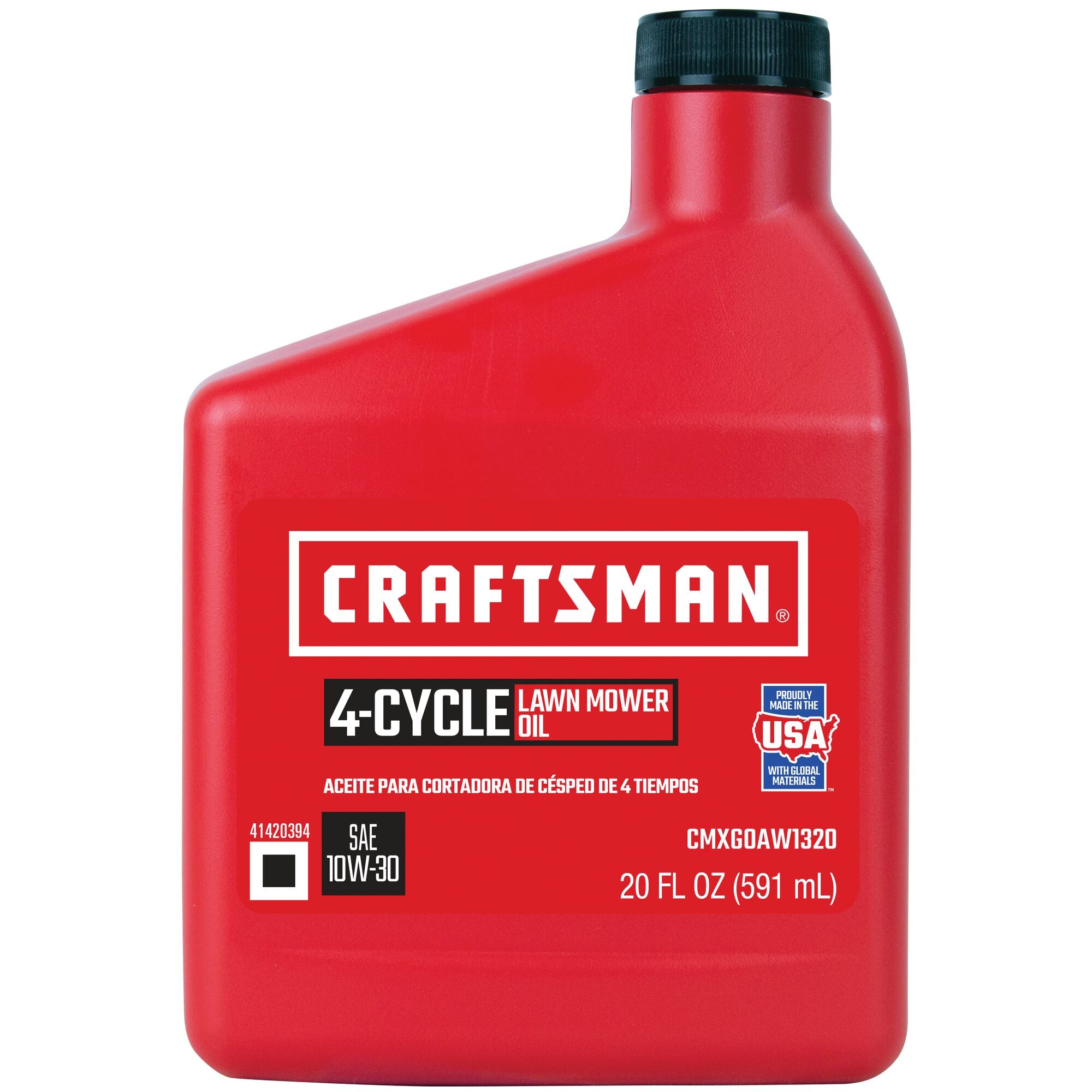
Choosing the right oil for your lawn mower depends on the engine type. Different engines require specific oils to function properly. Understanding the type of engine your mower has is crucial for maintaining its performance and longevity. Let’s dive into the specifics of two common engine types: two-stroke engines and four-stroke engines.
Two-stroke Engines
Two-stroke engines are simple and lightweight. They combine fuel and oil in one mixture. This mixture lubricates the engine and powers it. Using the correct oil-to-gas ratio is important. For most two-stroke engines, this ratio is 50:1 or 40:1.
Here’s a quick guide:
| Oil to Gas Ratio | Amount of Oil per Gallon of Gas |
|---|---|
| 50:1 | 2.6 ounces |
| 40:1 | 3.2 ounces |
Two-stroke engines use specialized two-stroke oil. This oil burns cleanly and prevents deposits. Always use oil designed for two-stroke engines to avoid damage.
Four-stroke Engines
Four-stroke engines are more common in modern lawn mowers. They have a separate oil reservoir. This means you do not mix oil with fuel. Check the oil level regularly and change it according to the manufacturer’s instructions.
Most four-stroke engines use SAE 30 oil. In colder climates, SAE 10W-30 or SAE 5W-30 may be better. Using the right oil type ensures smooth operation and extends engine life.
Here’s a quick summary of oil types:
- Warm climates: SAE 30
- Cold climates: SAE 10W-30 or SAE 5W-30
Always refer to the owner’s manual for specific oil recommendations. Using the right oil type will keep your mower running smoothly and efficiently.
Oil Change Frequency
Maintaining your lawn mower’s oil is crucial for its longevity and performance. Regular oil changes help keep the engine running smoothly. But how often should you change the oil? This depends on several factors, such as the type of oil and usage.
Recommended Intervals
Most experts recommend changing the oil every 25-50 hours of use. For residential mowers, this usually means once a season. Check your owner’s manual for specific guidelines. Some high-end mowers have longer intervals.
Signs You Need An Oil Change
Dirty or dark oil is a clear sign. Fresh oil is golden or light brown. If you notice a burnt smell, it’s time for a change. Another sign is excessive engine noise. Clean oil lubricates better, reducing wear and noise.
How To Change Lawn Mower Oil
Changing the oil in your lawn mower is essential for maintaining its performance. Fresh oil ensures your mower runs smoothly and lasts longer. If you’re unsure how to change the oil, follow this simple guide. You’ll need a few basic tools and some time.
Tools Needed
- Oil drain pan
- Socket wrench
- Oil filter wrench
- New oil filter
- Fresh lawn mower oil
- Funnel
- Rags or paper towels
- Gloves
Step-by-step Guide
Step 1: Warm up the engine. Run the mower for a few minutes. Warm oil drains more easily.
Step 2: Turn off the mower. Disconnect the spark plug for safety.
Step 3: Place the oil drain pan under the mower. Locate the oil drain plug.
Step 4: Use the socket wrench to remove the drain plug. Let the oil drain completely into the pan.
Step 5: Replace the drain plug. Tighten it securely with the socket wrench.
Step 6: Remove the old oil filter using the oil filter wrench. Install the new oil filter. Hand-tighten it, then give it an extra quarter turn.
Step 7: Open the oil fill cap. Use the funnel to add fresh oil. Check the manual for the correct type and amount.
Step 8: Check the oil level with the dipstick. Add more oil if needed.
Step 9: Replace the oil fill cap. Reconnect the spark plug.
Step 10: Run the mower for a few minutes. Check for any leaks.
With these steps, you can easily change your lawn mower’s oil. Regular oil changes keep your mower running smoothly.
Disposing Of Used Oil
Disposing of used oil from your lawn mower is crucial for environmental health. Used oil can harm the environment if not disposed of correctly. Let’s explore its environmental impact and proper disposal methods.
Environmental Impact
Used oil contains harmful chemicals and heavy metals. These can contaminate soil and water. Improper disposal leads to severe pollution. It affects plants, animals, and even humans.
Every drop of used oil matters. One gallon of used oil can pollute one million gallons of water. This shows the importance of proper disposal.
Proper Disposal Methods
To protect the environment, follow these steps for disposing of used oil:
- Collect the used oil in a clean, leak-proof container.
- Label the container clearly with “Used Oil”.
- Store it safely away from children and pets.
- Take it to a recycling center or a service station that accepts used oil.
- Never pour it down the drain or on the ground.
Some communities offer curbside pickup for used oil. Check with your local waste management services. They might have special programs for household hazardous waste.
Many auto parts stores and service stations also accept used oil. They recycle it properly. This helps reduce environmental pollution.
Remember, proper disposal is everyone’s responsibility. Protect our planet by following these steps.
Common Mistakes To Avoid
Using the right oil for your lawn mower is crucial. Many people make mistakes that can damage their machine. Here are some common mistakes to avoid.
Using The Wrong Oil
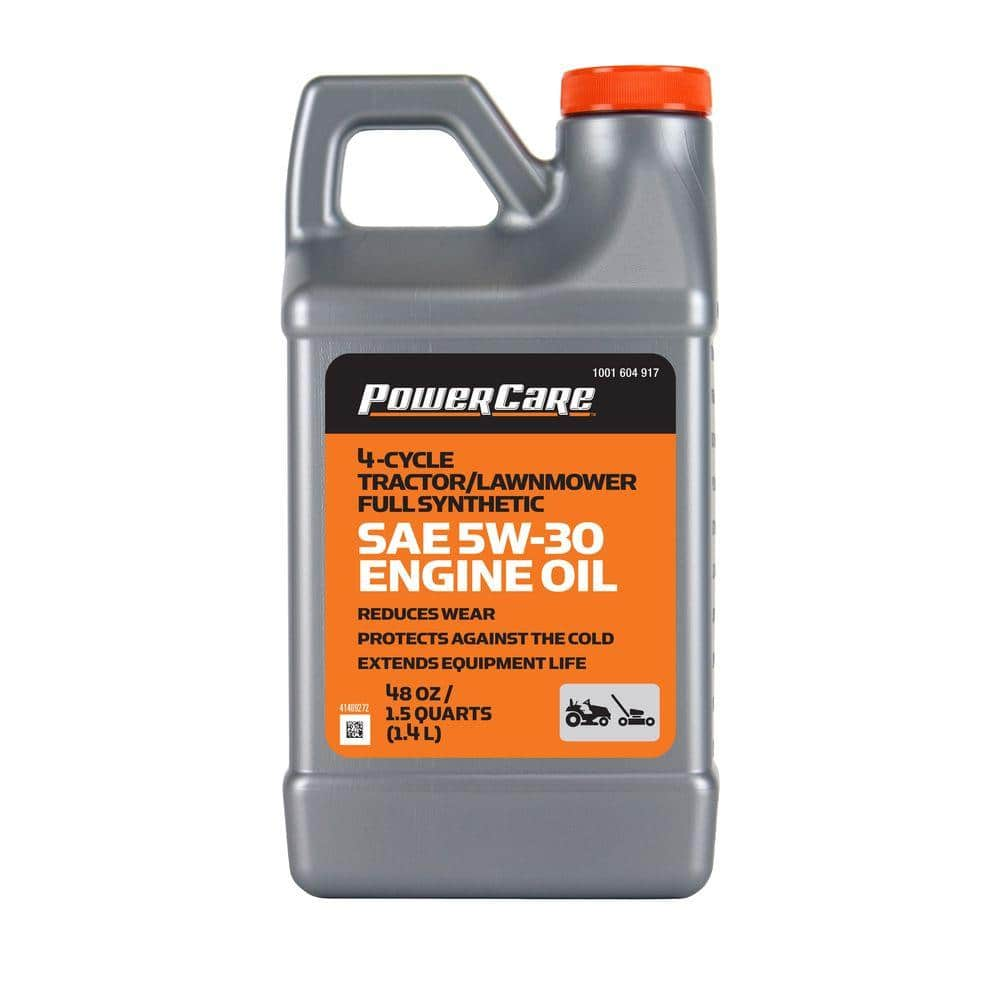
One common mistake is using the wrong oil. Lawn mowers need specific oil types to run smoothly. Using the wrong oil can cause engine damage. It can lead to poor performance. Always check your lawn mower’s manual. It will tell you the right oil to use.
| Oil Type | Best Use |
|---|---|
| SAE 30 | Warm weather, small engines |
| SAE 10W-30 | Varied temperatures, small engines |
| Synthetic SAE 5W-30 | Wide temperature range, better performance |
Using the wrong oil can also void your warranty. Be careful and choose wisely.
Neglecting Regular Changes
Regular oil changes are essential. Neglecting this task can shorten your mower’s life. Dirty oil causes engine wear. It reduces efficiency. It can even cause your mower to break down. Make a schedule for oil changes.
- Check oil level before each use.
- Change oil after every 50 hours of use or annually.
- Keep a log of oil changes.
Following these steps keeps your lawn mower in top shape. It ensures smooth operation. It also saves you money on repairs.

Frequently Asked Questions
What Type Of Oil Is Best For Lawn Mowers?
SAE 30 is commonly recommended for small engines. For colder temperatures, SAE 5W-30 offers better performance. Always check your manual.
Can I Use Synthetic Oil In A Lawn Mower?
Yes, synthetic oil can be used in lawn mowers. It provides better protection and performance. Refer to your mower’s manual.
How Often Should I Change Lawn Mower Oil?
Change the oil after every 50 hours of use or once a season. Always consult your manual for specifics.
Is Car Oil Suitable For Lawn Mowers?
Car oil can be used if it’s suitable for small engines. SAE 30 or 10W-30 are often recommended. Check your manual.
Conclusion
Choosing the right oil keeps your lawn mower running smoothly. Regular maintenance is key. Check your mower’s manual for specific oil recommendations. Use the right type and grade of oil. Your mower will perform better and last longer. Taking care of your mower saves time and money.
Happy mowing!
