

If your lawn mower runs on gas, it’s crucial to use the right type. Using the wrong fuel can damage the engine and decrease efficiency.
Many people wonder about the best gas for their lawn mower. It’s a common question with a simple answer. Regular unleaded gasoline with an octane rating of 87 or higher is ideal. Avoid using gas with more than 10% ethanol.
Ethanol can cause engine issues over time. Most small engines are designed for regular unleaded gas. This keeps them running smoothly and efficiently. In this blog, we’ll explore why the right gas matters, how to choose it, and tips to keep your lawn mower in top shape. Let’s dive in and make sure your lawn mower runs perfectly every time.

Types Of Lawn Mower Engines
Choosing the right gas for your lawn mower is crucial. It depends on the type of engine your lawn mower has. Let’s explore the types of lawn mower engines to help you make an informed decision.
Two-stroke Engines
Two-stroke engines are common in small, handheld lawn mowers. They are lightweight and simple. They require a mixture of gas and oil. This mix lubricates the engine. Always check the manual for the correct ratio. Usually, it’s 50:1 or 40:1. Here’s a quick guide:
| Gasoline | Oil |
|---|---|
| 1 Gallon | 2.6 oz (for 50:1) |
| 1 Gallon | 3.2 oz (for 40:1) |
Mix the gas and oil in a container. Shake well before filling the tank. Never use pure gas. It will damage the engine.
Four-stroke Engines
Four-stroke engines are found in larger lawn mowers. They are more powerful and fuel-efficient. These engines use separate compartments for gas and oil. You don’t need to mix them. Simply fill the gas tank with regular unleaded gasoline. Use oil recommended by the manufacturer.
Here are some tips:
- Use fresh, clean unleaded gas.
- Avoid gas with more than 10% ethanol.
- Check and change the oil regularly.
Four-stroke engines are easier to maintain. They last longer than two-stroke engines. Always follow the manufacturer’s recommendations for the best performance.
Choosing The Right Gasoline
Choosing the right gasoline for your lawn mower can greatly affect its performance. The type of gas you use will impact the engine’s lifespan and efficiency. Understanding the differences between regular and premium gas, as well as the role of ethanol content, is crucial.
Regular Vs. Premium Gas
Regular gas is often suitable for most lawn mowers. It typically has an octane rating of 87. This rating is sufficient for small engines like those in lawn mowers. Premium gas, on the other hand, has a higher octane rating. Usually around 91 or higher. Some believe it offers better performance, but it is not always necessary.
Using premium gas in a lawn mower may not provide noticeable benefits. It could even cost you more money without improving performance. Check your lawn mower’s manual to see if it recommends a specific octane rating. In most cases, regular gas works just fine.
Ethanol Content
Ethanol is a type of alcohol found in gasoline. It is often added to reduce emissions. Gasoline can contain up to 10% ethanol, known as E10. This blend is common and generally safe for lawn mowers. But higher ethanol content can cause problems. Ethanol attracts moisture, which can lead to engine issues over time.
Gasoline with 15% ethanol (E15) or more can damage small engines. It can cause corrosion and other issues. Stick to gas with 10% ethanol or less. Many experts recommend using ethanol-free gas if you can find it. This type of gas can improve your lawn mower’s performance and longevity.
Understanding Octane Ratings
Choosing the right gas for your lawn mower is crucial. One key aspect is understanding octane ratings. Knowing what octane is and the recommended levels can help your lawn mower run efficiently and last longer.
What Is Octane?
Octane is a measure of a fuel’s ability to resist knocking during combustion. Knocking occurs when fuel burns unevenly in your engine’s cylinder. This can cause damage over time. Octane ratings are displayed as numbers, such as 87, 89, or 91. The higher the number, the greater the fuel’s resistance to knocking.
Recommended Octane Levels
Most lawn mowers run well on regular unleaded gasoline with an octane rating of 87. This is the standard octane level for many small engines. Higher octane levels, like 89 or 91, are usually not necessary. Using higher octane fuel does not improve performance or longevity.
| Fuel Type | Octane Rating |
|---|---|
| Regular Unleaded | 87 |
| Mid-Grade Unleaded | 89 |
| Premium Unleaded | 91+ |
Stick to the recommended octane level for your lawn mower. Check your owner’s manual if unsure. This ensures optimal performance and prevents engine damage. Avoid using fuel with an octane rating below 87, as it can cause knocking and reduce engine life.
- Use 87 octane regular unleaded gasoline.
- Avoid higher octane fuels unless specified.
- Check the owner’s manual for specific fuel recommendations.
Impact Of Ethanol In Gasoline
The impact of ethanol in gasoline is a critical topic for lawn mower owners. Ethanol, a renewable fuel, is often added to gasoline to reduce emissions. But, it can also affect small engines like those in lawn mowers. Understanding how ethanol impacts your lawn mower can help you make better fuel choices.
Pros And Cons
Ethanol-blended gasoline has its benefits. It helps reduce greenhouse gas emissions. It’s also renewable, making it more environmentally friendly. These points are significant for those who care about the environment.
But there are downsides too. Ethanol attracts moisture. This can lead to water in your fuel tank. Water in the fuel tank can cause starting problems and poor engine performance. Ethanol can also damage plastic and rubber parts over time. These issues can shorten the lifespan of your lawn mower.
Ethanol-free Options
Some people prefer ethanol-free gasoline. It doesn’t attract moisture. This can lead to fewer engine problems. Ethanol-free gas is also less likely to damage your lawn mower’s parts. This can help extend the life of your machine.
Finding ethanol-free gas can be a challenge. Not all gas stations offer it. But it might be worth the effort. Many lawn mower experts recommend using ethanol-free gas for better performance. Check your local gas stations or specialty shops for availability.
Seasonal Fuel Considerations
Choosing the right gas for your lawn mower is crucial. Fuel needs change with the seasons. Different conditions affect fuel performance and efficiency. Understanding seasonal fuel considerations can help maintain your lawn mower.
Summer Vs. Winter Fuel
Summer fuel differs from winter fuel. Higher temperatures impact fuel volatility. Summer blends are less volatile. This helps prevent evaporation and reduces emissions. Using summer fuel in winter can cause problems. It may be harder to start your mower.
Winter fuel has higher volatility. This makes it easier to start in cold weather. Using winter fuel in summer can lead to vapor lock. This can damage your mower. Always choose the correct seasonal fuel for smooth operation.
Storage Tips
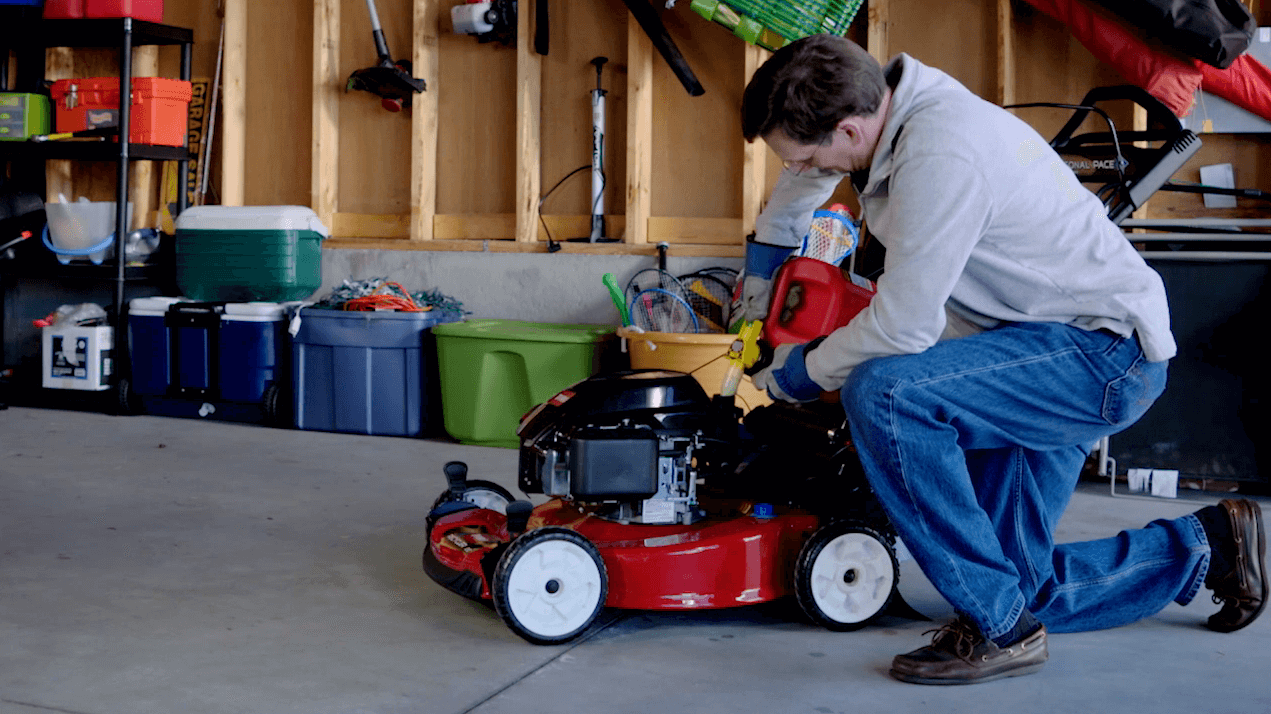
Proper storage of fuel is important. Store fuel in a cool, dry place. Use a sealed container. This prevents moisture from getting in. Moisture can cause engine problems. Do not store fuel for too long. Old fuel can degrade and harm your mower.
Before winter, run your mower until the tank is empty. This prevents fuel from sitting in the tank. Add a fuel stabilizer to any stored fuel. This helps maintain fuel quality. Following these tips ensures your mower runs smoothly year-round.
Fuel Additives For Lawn Mowers
Fuel additives play a crucial role in maintaining the efficiency of your lawn mower. They help in keeping the engine clean and running smoothly. Using the right additives can extend the life of your mower and improve its performance.
Types Of Additives
There are several types of fuel additives available for lawn mowers. Each type serves a different purpose. Some common additives include stabilizers, detergents, and octane boosters. Fuel stabilizers prevent the fuel from breaking down over time. Detergents clean the fuel system and remove deposits. Octane boosters increase the fuel’s octane rating, which helps in better combustion.
Benefits And Usage
Using fuel additives offers multiple benefits. They help in preventing engine knocking and ensure smoother operation. Additives also reduce the buildup of harmful deposits in the engine. This leads to better fuel efficiency and lower emissions. To use fuel additives, follow the instructions on the product label. Typically, you add the recommended amount to the fuel tank. Make sure to mix it well before starting the mower. Regular use of additives can keep your lawn mower in top condition for longer.
Mixing Oil And Gas For Two-stroke Engines
Mixing oil and gas for two-stroke engines can seem tricky. But it’s essential for keeping your lawn mower running smoothly. This guide will help you understand the proper ratios and techniques.
Proper Ratios
Using the right oil-to-gas ratio is crucial. Most two-stroke engines require a 50:1 ratio. This means 50 parts gas to 1 part oil. Some older models need a 32:1 ratio. Always check your mower’s manual. This ensures you use the correct ratio.
Mixing Techniques
First, start with fresh, unleaded gasoline. Avoid using gas with ethanol. Ethanol can damage small engines. Pour the gas into a clean gas can. Then, add the correct amount of two-stroke oil. Shake the can well. This ensures the oil mixes completely with the gas.
Next, fill your mower’s tank with the mixed fuel. Do this carefully to avoid spills. Always store the mixed fuel in a cool, dry place. Use it within 30 days to maintain its effectiveness.
Maintaining Fuel System Health
Maintaining the fuel system health of your lawn mower is crucial. It ensures optimal performance and longevity. Using the right gas is a start. But regular inspections and proper cleaning are key. Let’s dive into how you can keep your lawn mower’s fuel system in great shape.
Regular Inspections
Regular inspections help spot issues early. Check the fuel tank for dirt and debris. Ensure the fuel lines are free from cracks or leaks. Inspect the fuel filter for any clogs. Replace it if it’s dirty or damaged. Look at the carburetor. Make sure it’s clean and functioning well.
| Component | Inspection Frequency | Signs of Wear |
|---|---|---|
| Fuel Tank | Every 3 months | Debris, Dirt |
| Fuel Lines | Every 6 months | Cracks, Leaks |
| Fuel Filter | Every 6 months | Clogs, Dirt |
| Carburetor | Annually | Dirty, Malfunction |
Cleaning Tips
Regular cleaning keeps the fuel system healthy. Use a soft brush to clean the fuel tank. Remove any debris or dirt. For the fuel lines, use a clean cloth to wipe them down. If you notice clogs in the fuel filter, replace it immediately. A clean carburetor ensures smooth operation. Use carburetor cleaner spray to remove any buildup.
- Clean the fuel tank every three months.
- Wipe down fuel lines every six months.
- Replace clogged or dirty fuel filters promptly.
- Use carburetor cleaner spray annually.
Keeping the fuel system clean and inspected regularly ensures your lawn mower runs efficiently. It also extends its lifespan. Remember, the right gas is important. But so is regular maintenance.
Frequently Asked Questions
What Type Of Gas Should I Use For My Lawn Mower?
Use unleaded gasoline with an octane rating of 87 or higher. Avoid ethanol blends over 10%.
Can I Use Regular Gas In My Lawn Mower?
Yes, regular unleaded gasoline with an octane rating of 87 is suitable for most lawn mowers.
Is Ethanol Gas Safe For Lawn Mowers?
Ethanol blends up to 10% are generally safe. Avoid higher ethanol percentages to prevent engine damage.
How Do I Choose The Best Gas For My Lawn Mower?
Choose unleaded gasoline with an 87+ octane rating. Avoid ethanol blends over 10% to protect your engine.
Conclusion
Choosing the right gas for your lawn mower keeps it running smoothly. Regular unleaded gas works well for most mowers. Always check your mower’s manual for specific recommendations. Using fresh fuel is important. Old gas can cause problems. Remember to store gas safely.
A clean, dry place is best. Proper fuel ensures your lawn mower lasts longer. With the right gas, you get a well-maintained, beautiful lawn. Happy mowing!
