
A lawn mower typically takes unleaded gasoline. Most lawn mowers use regular gas, similar to what you put in your car.
Choosing the right gas for your lawn mower can be confusing. There are different types of gas, and each has its own benefits. Using the correct fuel ensures your mower runs smoothly and lasts longer. In this post, we’ll guide you through the options.
We’ll explain what gas your lawn mower needs and why. By the end, you’ll know exactly what to buy for your mower. Let’s dive in and make your lawn care easier!
Types Of Lawn Mower Fuels
Choosing the right fuel for your lawn mower is crucial. It affects performance, efficiency, and longevity. There are several types of fuels available. Each type has its own advantages and disadvantages. Below, we explore the common types of fuels used in lawn mowers.
Gasoline
Gasoline is the most common fuel for lawn mowers. It is widely available and easy to use. Most gasoline-powered mowers use unleaded gasoline. For best performance, use fresh, clean gasoline. Check the manual for the recommended octane rating. Avoid using gasoline with more than 10% ethanol. Ethanol can damage the engine over time.
Diesel
Diesel is less common for lawn mowers. But it is used in some commercial models. Diesel engines are more fuel-efficient. They produce more torque than gasoline engines. Diesel fuel is more expensive. However, it can be cost-effective for large areas. Diesel engines also last longer and require less maintenance.
Propane
Propane is an alternative to gasoline and diesel. It is cleaner and produces fewer emissions. Propane-powered mowers are quieter. They also have lower fuel costs. Propane is stored in tanks, which can be refilled or replaced. This makes refueling quick and easy. Propane engines may have fewer options compared to gasoline engines.
Electric
Electric mowers are becoming more popular. They are eco-friendly and easy to maintain. There are two types: corded and cordless. Corded mowers need a power outlet. They are suitable for small yards. Cordless mowers use rechargeable batteries. They offer more mobility. Battery life can vary, so consider the size of your lawn.
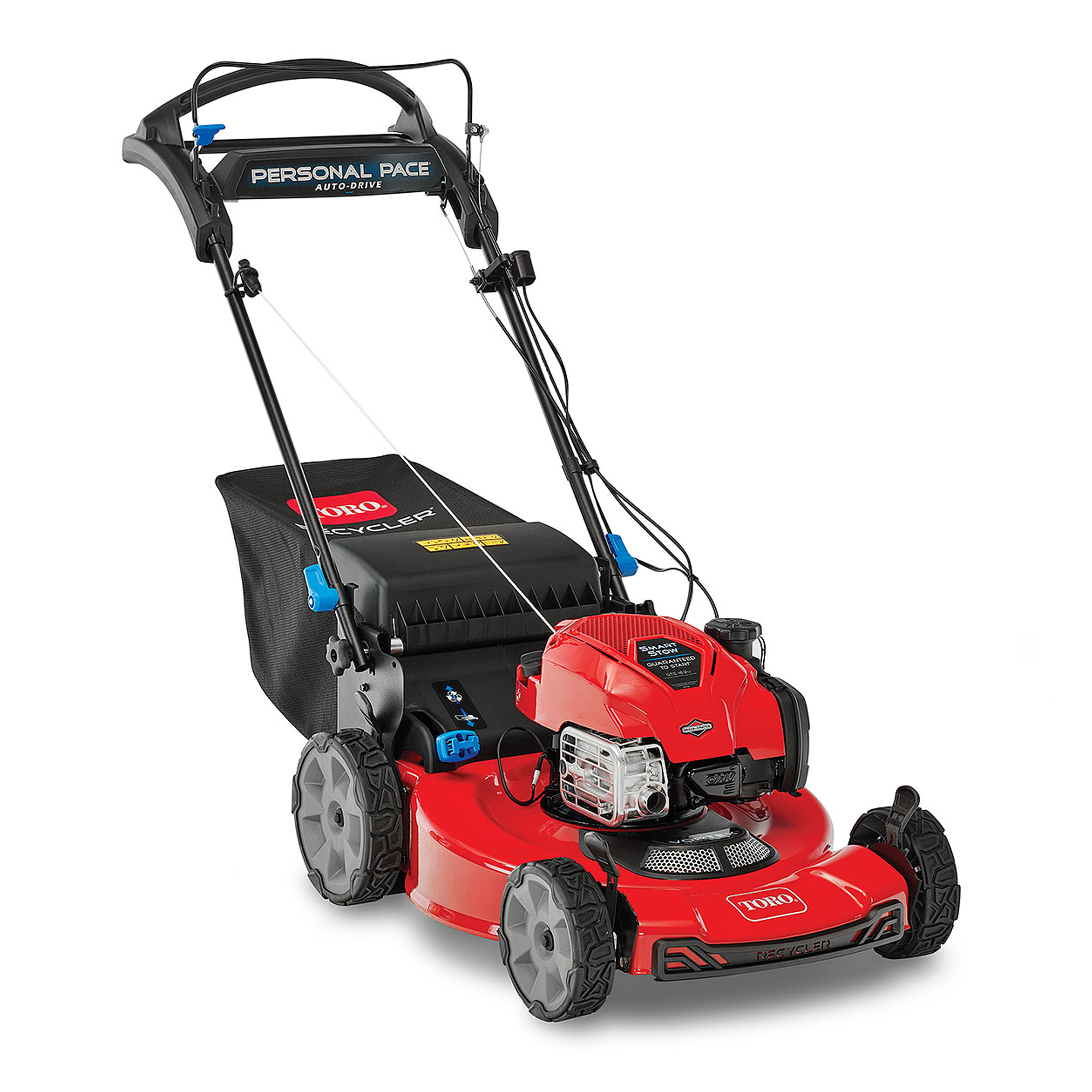
Choosing The Right Gasoline
Using the right gasoline is crucial for your lawn mower’s performance. It ensures the engine runs smoothly and lasts longer. In this section, we will discuss three important factors: octane rating, ethanol content, and additives.
Octane Rating
The octane rating indicates the fuel’s ability to resist knocking. Most lawn mowers work well with regular unleaded gasoline, which has an octane rating of 87. Higher octane fuels are not necessary and offer no extra benefits.
Ethanol Content
Gasoline with ethanol content can harm small engines. Ethanol attracts moisture, leading to corrosion. For lawn mowers, use gasoline with no more than 10% ethanol (E10). Some manufacturers recommend using ethanol-free gasoline to avoid damage.
Additives
Additives can help keep your engine clean. They reduce carbon buildup and improve performance. Many premium gasolines contain detergents, but you can also buy fuel additives. Adding them to your regular gasoline can be beneficial.
Understanding Diesel Mowers
Diesel mowers require diesel fuel to operate efficiently. Unlike gas-powered mowers, they offer better fuel economy and durability. Understanding the fuel type ensures optimal performance and longevity of your lawn mower.
Diesel lawn mowers are known for their power and efficiency. They are suitable for large lawns and commercial use. These mowers use diesel fuel, which differs from gasoline. Diesel engines are durable and often have longer lifespans. They also tend to have better fuel economy.Advantages
Diesel mowers offer several benefits. They are more fuel-efficient than gas mowers. This means fewer refuels. Diesel engines produce more torque. This makes them powerful for tough mowing jobs. They usually last longer. Diesel mowers are built to be sturdy and reliable.Disadvantages
Diesel mowers do have some drawbacks. They are often more expensive to buy. Maintenance can also cost more. Diesel mowers are heavier. This makes them harder to maneuver. They can be louder than gas mowers. Finding diesel fuel may be harder in some areas.Maintenance Tips
Proper maintenance keeps diesel mowers running well. Regularly check the oil. Replace it as needed. Clean or replace the air filter. Inspect the fuel system. Ensure there are no leaks. Sharpen the blades frequently. Store your mower in a dry place. This prevents rust and damage. “`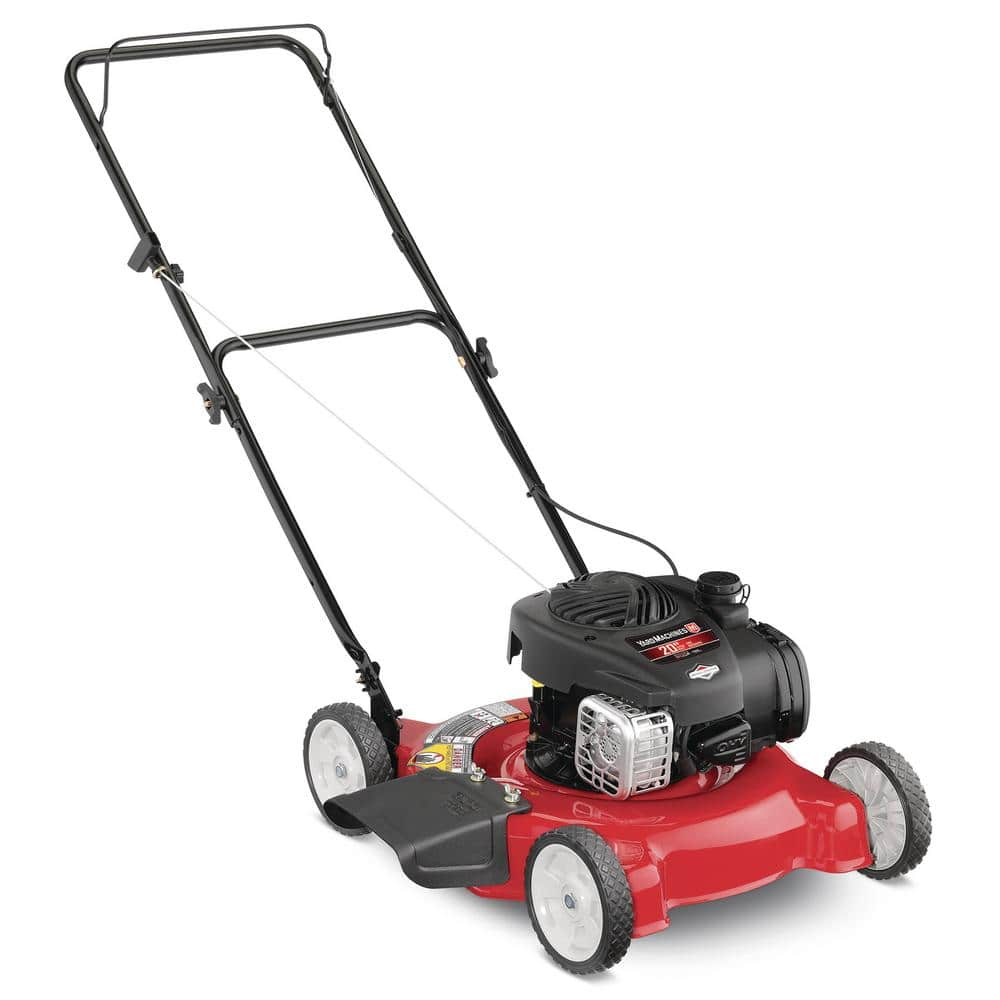
Propane-powered Mowers
When choosing a fuel for your lawn mower, consider propane-powered mowers. These mowers offer several benefits, especially if you are looking for an eco-friendly alternative. Propane mowers are not only efficient but also help reduce emissions.
Benefits
Propane-powered mowers come with many advantages. First, they produce fewer emissions. This makes them an eco-friendly choice. Second, propane is a cleaner fuel. It helps keep the engine parts cleaner. Third, propane is cheaper. It can save you money in the long run.
Another benefit is the reduced maintenance. Propane does not leave carbon deposits. This means fewer oil changes and less engine wear.
| Benefit | Description |
|---|---|
| Eco-Friendly | Produces fewer emissions |
| Cleaner Fuel | Keeps engine parts cleaner |
| Cost-Effective | Cheaper fuel option |
| Reduced Maintenance | Fewer oil changes needed |
Usage Tips
To get the most out of your propane-powered mower, follow these tips:
- Always check the propane tank before mowing.
- Store propane tanks in a cool, dry place.
- Read the user manual carefully.
- Keep the mower clean and well-maintained.
- Replace the air filter regularly.
Proper storage is crucial. Avoid keeping propane tanks in hot areas. This prevents potential leaks and hazards.
Environmental Impact
Propane-powered mowers have a positive environmental impact. They emit fewer greenhouse gases. This reduces your carbon footprint. Propane is a clean-burning fuel. It releases less carbon monoxide and hydrocarbons.
Using propane helps preserve the environment. It is a step towards sustainable living. Propane mowers also generate less noise. This is better for your neighborhood.
Switching to propane can make a big difference. It supports green initiatives and cleaner air.
Electric Mowers: An Alternative
Gas-powered lawn mowers are a common choice. Yet, electric mowers offer a cleaner and quieter alternative. They provide an eco-friendly option for maintaining your lawn. Electric mowers come in two main types: battery-powered and corded options.
Battery-powered
Battery-powered mowers run on rechargeable batteries. They offer freedom from cords. You can move around your lawn without being tethered. These mowers are typically lighter than gas mowers. They require less maintenance too. You simply charge the battery and mow.
One drawback is battery life. A single charge may not last for large lawns. Recharging the battery takes time. Yet, for small to medium-sized lawns, they work well.
Corded Options
Corded electric mowers connect directly to an electric outlet. They provide continuous power, so no need to worry about battery life. These mowers are perfect for small lawns. They are lightweight and easy to maneuver.
The cord can limit your range. You need to manage the cord while mowing. An extension cord can help. But, cord management is crucial to avoid tangling.
Pros And Cons
Electric mowers have clear advantages. They are eco-friendly and quieter. They require less maintenance. No need to buy gas or change oil.
Yet, they have limitations. Battery-powered mowers need recharging. Corded mowers have limited range due to the cord. Both types may struggle with thick or tall grass.
Choosing the right type depends on your lawn size and needs. Consider these factors when deciding on an electric mower.
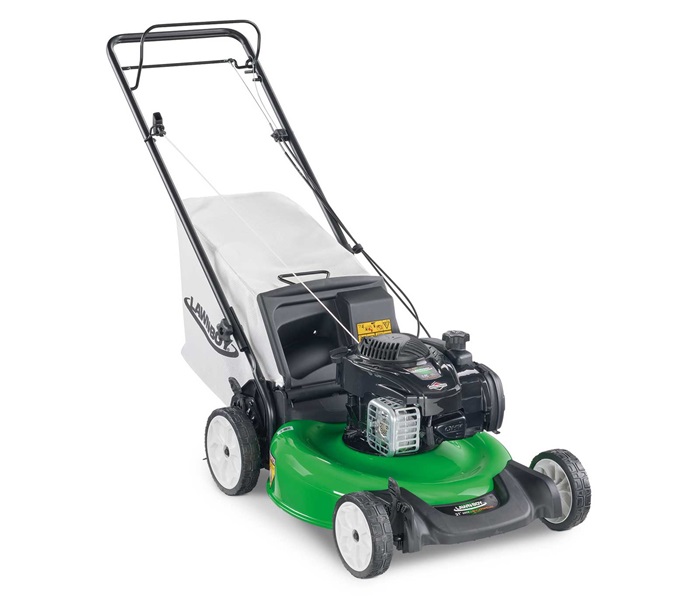
Fuel Storage Tips
Storing lawn mower fuel properly is essential for safety and performance. Improper storage can lead to accidents and reduced engine efficiency. Follow these tips to ensure your fuel stays fresh and safe.
Proper Containers
Always use approved containers for storing lawn mower fuel. Look for containers that meet OSHA and DOT standards. These containers are designed to prevent spills and leaks.
- Use containers made of durable materials like metal or thick plastic.
- Ensure the container has a tight-fitting cap to prevent evaporation.
- Label the container with the type of fuel and the date of purchase.
Storage Location
Choose the right location for storing your fuel. A safe storage location prevents accidents and extends the fuel’s life.
- Store fuel in a cool, dry place away from direct sunlight.
- Keep the fuel container away from any heat sources or open flames.
- Ensure the storage area is well-ventilated to prevent fumes from accumulating.
Safety Measures
Safety is paramount when storing lawn mower fuel. Follow these measures to keep your home and family safe.
- Always store fuel out of reach of children and pets.
- Do not store fuel near food items to avoid contamination.
- Regularly check the containers for signs of wear or leaks.
Implement these fuel storage tips to maintain safety and efficiency. Proper storage ensures your lawn mower runs smoothly and your home remains safe.
Common Fuel Problems
Using the right fuel for your lawn mower is crucial. But, even the correct gas can cause issues if not properly maintained. Common fuel problems can affect your mower’s performance and lifespan. Let’s explore some of these issues.
Fuel Degradation
Over time, gasoline can break down. This process is known as fuel degradation. It occurs when the fuel sits unused for too long. Old fuel can clog the carburetor. It can also cause starting problems. Always use fresh gas to avoid this issue.
Water Contamination
Water can get into your fuel tank. This often happens through condensation. Water in the fuel can lead to poor engine performance. The engine may sputter or fail to start. Use a fuel stabilizer to help prevent water contamination.
Clogged Fuel Lines
Fuel lines can become clogged with debris. Dirt and other particles can enter the tank. Clogged fuel lines restrict fuel flow. This can cause your mower to run poorly or not at all. Regular maintenance can help keep the fuel lines clear.
Maintaining Your Lawn Mower Engine
Maintaining your lawn mower engine ensures it runs smoothly and lasts longer. Regular maintenance can prevent many common issues. Here are some essential tips for keeping your lawn mower engine in top shape.
Regular Cleaning
Keep the mower clean to avoid build-up of grass and debris. After each use, remove any grass clippings stuck to the mower. Check under the deck and clean it thoroughly. This prevents rust and keeps the blades sharp.
Oil Changes
Regular oil changes are crucial for engine health. Check the oil level before each use. Change the oil at least once per mowing season. Use the oil type recommended by the manufacturer. Clean oil helps the engine run efficiently.
Filter Replacement
A clean air filter is vital for proper engine function. Replace the air filter once per season or more frequently if needed. A dirty filter can block air flow and reduce engine performance. This simple step can make a big difference.
Frequently Asked Questions
What Kind Of Gas Do Lawn Mowers Use?
Most lawn mowers use unleaded gasoline with an octane rating of 87 or higher.
Can I Use Ethanol Gas In My Lawn Mower?
Yes, but use gasoline with no more than 10% ethanol to avoid engine damage.
Is Premium Gas Better For Lawn Mowers?
Premium gas isn’t necessary. Regular unleaded gasoline with an octane rating of 87 works fine.
How Do I Store Gas For My Lawn Mower?
Store gasoline in a cool, dry place. Use a sealed, labeled container specifically designed for fuel storage.
Conclusion
Selecting the right gas for your lawn mower is crucial. It ensures smooth operation and extends the mower’s life. Most lawn mowers use unleaded gasoline with an octane rating of 87 or higher. Check your mower’s manual for specific fuel recommendations.
Always use fresh, clean gas. Avoid ethanol-blended fuels if possible, as they can cause issues. Proper fuel maintenance can save you from costly repairs. Keep your mower running efficiently by following these guidelines. Happy mowing!
