
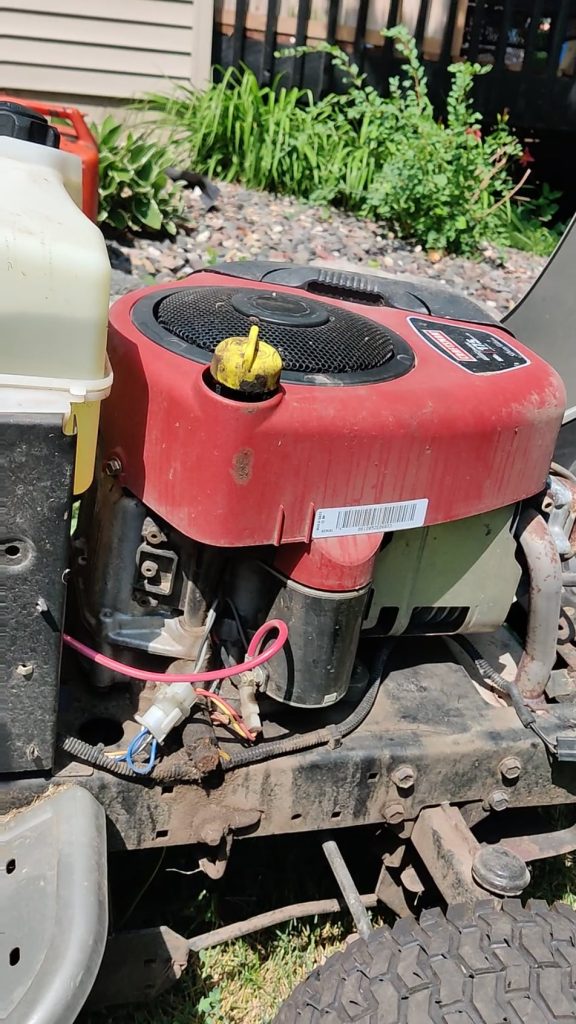
A lawn mower making a grinding noise can be frustrating. This noise often signals a problem that needs attention.
Understanding why your lawn mower makes this noise is crucial. It helps in diagnosing and fixing the issue quickly. A grinding noise can stem from various sources, such as a faulty starter, damaged gears, or debris stuck in the mower.
Ignoring this noise may lead to more severe problems, potentially causing your mower to break down completely. In this blog post, we’ll explore the common causes of grinding noises in lawn mowers and provide practical solutions. By the end, you’ll know how to identify and fix the issue, ensuring your lawn mower runs smoothly again. Ready to tackle that annoying noise? Let’s get started.

Common Causes Of Grinding Noise
Experiencing a grinding noise when trying to start your lawn mower can be frustrating. Identifying the root cause is essential for a quick fix. Below, we discuss the common causes of this issue.
Engine Issues
The engine is a crucial component of your lawn mower. Problems here can cause grinding noises. A few common issues include:
- Worn out or damaged piston rings
- Loose bolts in the engine
- Malfunctioning bearings
Regular maintenance can help prevent these issues.
Blade Obstructions
Another frequent cause of grinding noises is blade obstructions. This happens when:
- Grass, twigs, or debris get stuck in the blade
- The blade is bent or damaged
- The blade is not properly attached
Inspect the blade area regularly to ensure it is clear of obstructions.
Faulty Starter
A faulty starter can also lead to grinding noises. Common problems include:
- Worn out starter gears
- Loose or damaged starter motor
- Electrical issues in the starter circuit
Check the starter components if you hear a grinding noise during startup.
Safety Precautions
When your lawn mower makes a grinding noise while trying to start, it’s important to take necessary safety precautions before troubleshooting. Follow these steps to ensure your safety and prevent further damage to your mower.
Disconnect The Spark Plug
Always disconnect the spark plug before inspecting your lawn mower. This step prevents the mower from starting accidentally. Use a socket wrench to remove the spark plug. Place it in a safe location. This simple action can save you from potential injuries.
Wear Protective Gear
Wear protective gear to safeguard yourself while working on the mower. Gloves protect your hands from sharp edges and hot surfaces. Safety glasses shield your eyes from debris and small parts. Proper footwear gives you stability and prevents slips.
| Protective Gear | Purpose |
|---|---|
| Gloves | Protect hands from sharp edges |
| Safety Glasses | Shield eyes from debris |
| Proper Footwear | Prevent slips and falls |
By following these safety precautions, you can safely address the grinding noise issue without risking injury. Always prioritize safety when working with machinery.
Inspecting The Engine
When your lawn mower makes a grinding noise, it’s crucial to inspect the engine. An engine problem can cause severe damage if not addressed promptly. Here, we will look at two main aspects: oil levels and engine components.
Check For Oil Levels
First, ensure the mower has enough oil. Low oil levels can cause grinding noises. Follow these steps to check the oil:
- Park the mower on a flat surface.
- Turn off the engine and let it cool down.
- Locate the oil dipstick, usually near the engine.
- Remove the dipstick and wipe it clean.
- Insert the dipstick back and pull it out again.
- Check the oil level. It should be between the “Full” and “Add” marks.
If the oil level is low, add more oil. Use the oil type recommended by the manufacturer.
Examine Engine Components
Next, examine the key engine components. Look for any visible damage or wear. Common areas to inspect include:
- Spark Plug: Remove the spark plug and check for dirt or damage. Replace if needed.
- Air Filter: A dirty air filter can cause the engine to work harder. Clean or replace it.
- Blades: Ensure the blades are not dull or bent. Sharpen or replace them as necessary.
Use these tips to inspect the engine. It helps identify the source of the grinding noise.

Checking The Blades
Experiencing a grinding noise from your lawn mower can be frustrating. One of the first things to check is the blades. Ensuring they are in good condition and correctly installed can often solve the problem.
Remove Debris
Start by removing any debris from the mower deck. Grass, sticks, or stones can get stuck and cause grinding noises. Turn off the mower and disconnect the spark plug for safety. Then, use a stick or a brush to clear the debris. Do not use your hands to avoid cuts or injuries.
Ensure Proper Blade Installation
Check if the blades are installed properly. Improper installation can lead to grinding noises. Make sure the blades are tightly secured with the correct hardware. Refer to the mower’s manual for the correct blade orientation. Sometimes, reversing the blade can solve the noise issue.
Starter Mechanism Troubleshooting
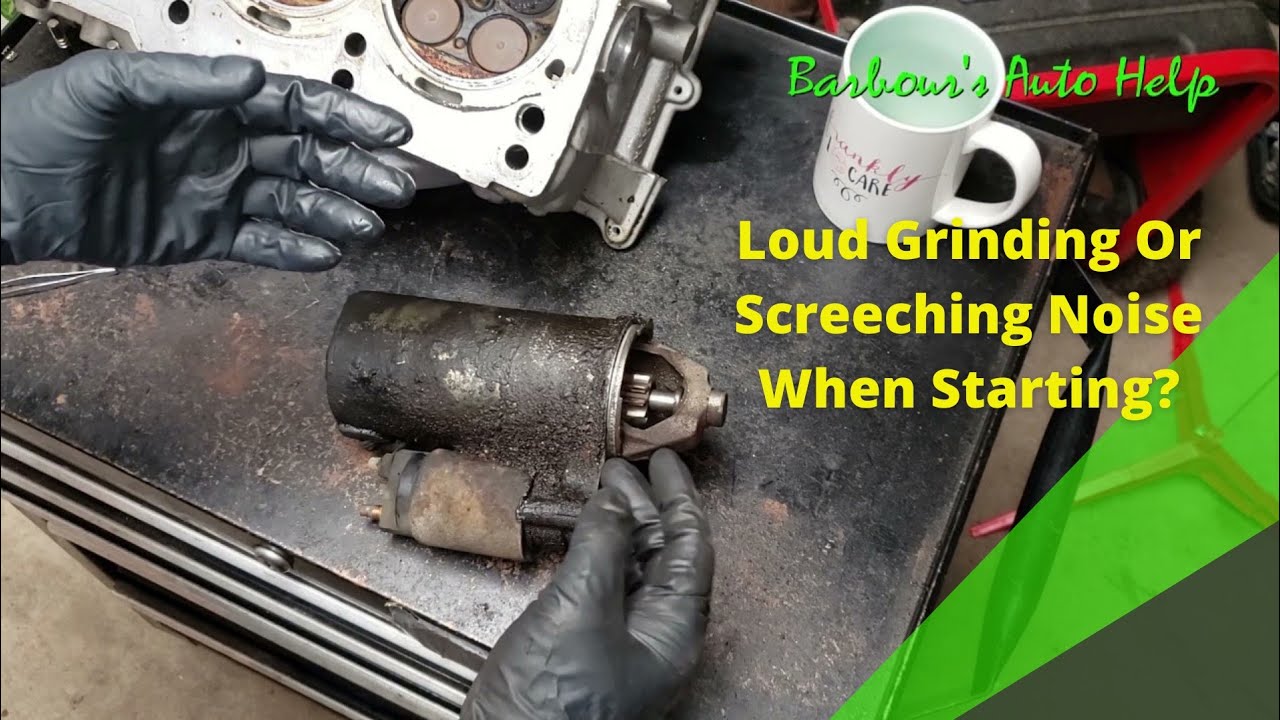
Experiencing a grinding noise when starting your lawn mower can be frustrating. This noise often indicates a problem with the starter mechanism. Troubleshooting the starter mechanism can help you identify the issue and fix it. This section covers the necessary steps to inspect the starter motor and evaluate the starter solenoid.
Inspect Starter Motor
The starter motor plays a crucial role in starting your lawn mower. First, disconnect the battery to ensure safety. Locate the starter motor, typically near the engine. Check for loose connections or damaged wires. Tighten any loose connections and replace damaged wires if needed.
Next, examine the starter motor for dirt or debris. Clean it with a brush or cloth. Turn the starter motor manually to see if it moves freely. If it doesn’t, the motor might be faulty. Consider replacing the starter motor if necessary.
Evaluate Starter Solenoid
The starter solenoid acts as a bridge between the battery and the starter motor. Begin by checking the solenoid’s connections. Ensure all wires are secure and free from corrosion. Corroded connections can cause a grinding noise.
Use a multimeter to test the solenoid. Set the multimeter to the voltage setting. Connect the leads to the solenoid’s terminals. When you turn the key, the multimeter should show a voltage reading. If there’s no reading, the solenoid may be faulty and need replacement.
By following these steps, you can troubleshoot the starter mechanism effectively. Identifying and fixing issues with the starter motor and solenoid can stop the grinding noise and get your lawn mower running smoothly again.
Lubrication And Maintenance
Proper lubrication and maintenance can prevent your lawn mower from making grinding noises. Neglecting these tasks can cause wear and tear on the machine. This section will guide you through the essential steps for keeping your mower in top shape.
Apply Lubricant To Moving Parts
Lubricating moving parts is crucial for a smooth-running lawn mower. Focus on the blades, wheels, and engine components. Use a high-quality lubricant designed for lawn mowers. Apply a small amount to each moving part. Make sure to wipe off any excess. This prevents dirt from sticking and causing more problems.
Check the mower’s manual for specific lubrication points. Each model may have unique needs. Regular lubrication reduces friction and prevents grinding noises. It’s a simple task that can extend the life of your mower.
Regular Maintenance Schedule
Stick to a regular maintenance schedule. This keeps your lawn mower running smoothly. Start with cleaning the mower after each use. Remove grass clippings and debris. This prevents clogging and reduces wear on moving parts.
Check the air filter regularly. A clean filter ensures the engine runs efficiently. Replace it if it’s dirty or damaged. Inspect the spark plug and replace it as needed. A faulty spark plug can cause starting issues.
Sharpen the blades at least once a season. Dull blades make the engine work harder. This can lead to grinding noises. Follow the manufacturer’s guidelines for blade sharpening.
Regularly check the oil level. Low oil can cause engine damage. Change the oil as recommended by the manufacturer. This keeps the engine well-lubricated and running smoothly.
When To Seek Professional Help
Encountering a grinding noise when trying to start your lawn mower can be frustrating. While some issues can be fixed with basic troubleshooting, others may require professional help. Knowing when to seek professional assistance can save you time and money.
Identifying Complex Issues
Sometimes, the grinding noise indicates deeper problems. These issues might be beyond basic fixes. Here are some signs that suggest you need professional help:
- Internal Engine Damage: If the engine parts are grinding, it may need expert repair.
- Transmission Problems: Grinding could be due to transmission issues. These are complex and need specialized attention.
- Starter Motor Faults: The starter motor might be defective. Professionals can properly diagnose and fix it.
Finding A Reliable Technician
Choosing the right technician is crucial. Here are some tips to find a reliable professional:
- Check Reviews: Look for reviews online to find trusted technicians.
- Ask for Recommendations: Friends or family can suggest reputable repair services.
- Certifications and Experience: Ensure the technician has proper certifications and experience with lawn mowers.
- Get a Quote: Ask for a detailed quote to understand the repair costs.
Professional help ensures your lawn mower gets the right care. It prevents further damage and extends the machine’s life.
Preventive Measures
Preventing your lawn mower from making grinding noises starts with regular maintenance. Implementing preventive measures can save you time and money. It also ensures your lawn mower runs smoothly for years.
Regular Cleaning
Cleaning your lawn mower is crucial. Dirt and debris can accumulate in the engine. This buildup can cause grinding noises. Always remove grass clippings after each use. Check for any stuck debris in the blades. Use a brush or compressed air to clean hard-to-reach areas.
Proper Storage
Storing your lawn mower properly can prevent many issues. Keep it in a dry, cool place. Moisture can cause rust and damage parts. Cover the mower to protect it from dust and debris. Drain the fuel if you won’t use it for a while. This prevents the fuel from getting stale and clogging the engine.
Frequently Asked Questions
Will A Bad Starter Make A Grinding Noise?
Yes, a bad starter can make a grinding noise. This noise often happens when the starter gear fails to engage properly with the flywheel.
Why Does My Lawn Mower Make A Weird Sound When I Try To Start It?
Your lawn mower may make a weird sound due to issues like a clogged air filter, spark plug problems, or fuel issues. Check for debris or loose parts, and ensure all components are properly maintained. Regular maintenance can prevent abnormal sounds.
Why Does My Engine Make A Grinding Sound When I Start It?
A grinding sound during startup often indicates a faulty starter motor or worn-out flywheel teeth. Check both components.
What Are The Symptoms Of A Bad Starter On A Lawn Mower?
A bad starter on a lawn mower may cause a clicking sound, slow or no engine crank, and intermittent starting issues.
Conclusion
A grinding noise from your lawn mower can be concerning. By identifying common causes, such as debris or worn parts, you can address the issue effectively. Regular maintenance helps prevent these problems. Always check your mower before use. Clean it, replace worn parts, and keep it in good condition.
This ensures a smooth start every time. Don’t ignore strange noises. Act promptly to avoid bigger issues. A well-maintained lawn mower lasts longer and performs better.
