

Knowing how to test a lawn mower coil can save time and money. This simple test can help you avoid expensive repairs.
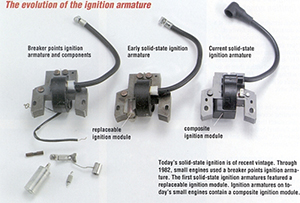
The lawn mower coil, or ignition coil, plays a crucial role. It generates the spark needed to start your mower’s engine. If your mower won’t start or runs poorly, the coil might be the problem. Testing the coil is straightforward and requires basic tools.
In this guide, you’ll learn the steps to check your lawn mower coil effectively. This will help you keep your lawn mower running smoothly. Let’s dive in and get your mower back in top shape.

Tools Needed
Testing a lawn mower coil requires the right tools. Having these tools ensures you get accurate results. This section will guide you through the essential and optional tools needed for the job.
Essential Tools
For testing a lawn mower coil, you need a few key tools. These include a multimeter, a spark tester, and a screwdriver. A multimeter helps measure electrical resistance. A spark tester checks for spark ignition. A screwdriver aids in removing the mower’s cover.
Optional Tools
Some optional tools can make the job easier. Needle-nose pliers help with handling small parts. A wire brush cleans connections. A digital camera or smartphone captures the coil’s setup for reference. These tools aren’t necessary but can save time and effort.
Preparing The Lawn Mower
Before testing your lawn mower coil, you need to prepare the lawn mower. Proper preparation ensures safety and efficiency. Follow these simple steps to get your lawn mower ready.
Disconnecting The Spark Plug
First, disconnect the spark plug to prevent accidental starts. Locate the spark plug wire. It usually sits at the front of the engine. Gently pull the wire off the spark plug. This step is crucial for your safety.
Accessing The Coil
Next, access the coil by removing the engine cover. Use a screwdriver to loosen the screws holding the cover. Carefully lift the cover to expose the coil. The coil sits near the flywheel. Now, you are ready to test the lawn mower coil.
Visual Inspection
A visual inspection is the first step in testing a lawn mower coil. It helps identify visible issues that might affect performance. This process involves a close look at the coil and its connections.
Checking For Physical Damage
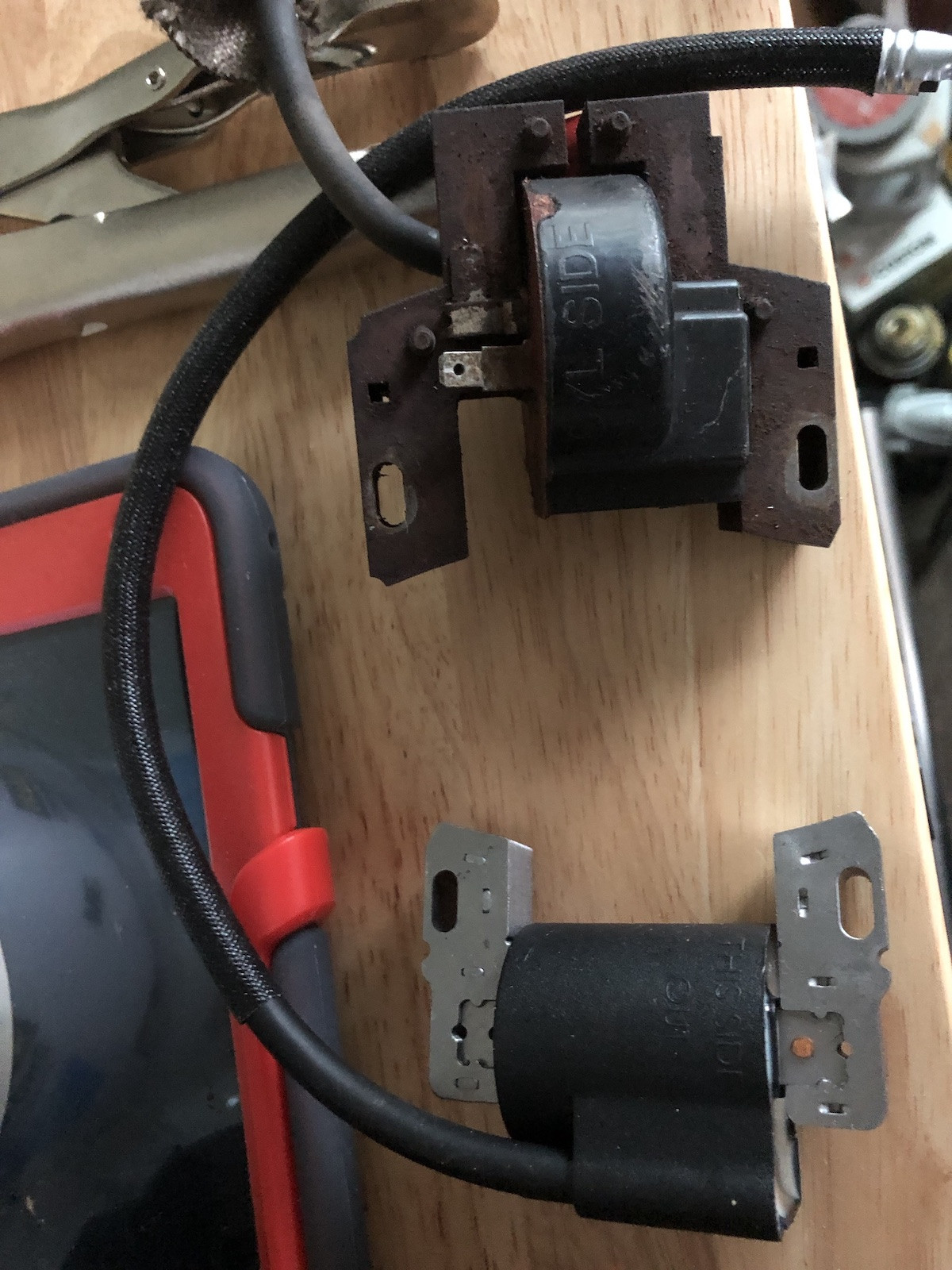
First, check the coil for any physical damage. Look for cracks or breaks in the casing. Any visible damage can affect the coil’s function.
Examine the coil wire. Make sure it is not frayed or broken. Damaged wires can disrupt the flow of electricity.
Inspecting Connections
Next, inspect the connections. Ensure all connections are tight and secure. Loose connections can lead to power loss.
Check for rust or corrosion on the connectors. Clean any rust with a wire brush. Corroded connectors can cause weak or inconsistent sparks.
Ensure the connections are free of dirt and debris. Clean connections ensure a smooth flow of electricity. A clean connection improves the overall performance of the lawn mower coil.
Testing With A Multimeter
Testing a lawn mower coil with a multimeter ensures it functions correctly. Faulty coils can cause starting problems or poor engine performance. Follow these steps to test the coil.
Setting Up The Multimeter
First, gather your tools. You need a multimeter and your lawn mower. Set the multimeter to the ohms setting. This measures resistance.
Ensure the mower is off. Disconnect the spark plug wire. This prevents accidental starts. Safety first!
Identify the coil’s terminals. These are usually marked. Connect the multimeter probes to these terminals. Red to positive, black to negative.
Measuring Resistance
With the probes connected, read the multimeter display. You are looking for specific resistance values.
- Primary coil resistance: 0.3 to 1 ohm.
- Secondary coil resistance: 8,000 to 12,000 ohms.
If the values are within range, the coil is good. If not, the coil may need replacement.
To test the secondary coil, place one probe on the coil terminal. Place the other probe on the spark plug cap. Read the display.
Compare the reading to the required range. If it is off, the coil might be faulty.
Testing a lawn mower coil is simple with a multimeter. Ensure accurate readings for optimal performance.
Interpreting Results
After testing the lawn mower coil, interpreting the results is crucial. Understanding the results can help you identify if the coil is working properly or needs replacement. Let’s dive into the key aspects of interpreting these results.
Normal Resistance Range
To determine if your lawn mower coil is functioning well, measure the resistance. Use a multimeter for this task. The normal resistance range for most coils is between 2,500 and 5,000 ohms.
Here is a handy table to help you interpret the measurements:
| Resistance (Ohms) | Coil Condition |
|---|---|
| 2,500 – 5,000 | Normal |
| < 2,500 | Potential Issue |
| > 5,000 | Potential Issue |
Identifying Faulty Coils
A coil outside the normal resistance range may indicate a fault. Here are a few signs to look for:
- Low Resistance: Could mean a short circuit.
- High Resistance: Could mean a broken wire.
Additionally, if the lawn mower does not start or runs poorly, the coil may be faulty. Regular testing can prevent unexpected breakdowns.
If the resistance is within the normal range, the coil is likely in good condition. But if it falls outside the range, you might need to replace the coil.
Replacing A Faulty Coil
Replacing a faulty lawn mower coil is essential for optimal performance. A malfunctioning coil can cause your mower to stall or not start at all. Follow these steps to ensure a smooth replacement process.
Choosing The Right Replacement
Selecting the correct replacement coil is crucial. Check your lawn mower’s manual for specifications. Match the model number and type with the new coil. Ensure the new coil is compatible with your mower’s engine. This prevents further issues and ensures smooth operation.
Installation Steps
First, disconnect the spark plug wire to prevent accidental starts. Next, remove the engine cover to access the coil. Use a wrench to unscrew the old coil carefully. Take note of the coil’s position and wiring. This helps during reinstallation.
Install the new coil in the same position as the old one. Secure it tightly with screws. Reconnect the wiring exactly as it was before. Replace the engine cover and reconnect the spark plug wire. Finally, test your lawn mower to ensure it starts and runs smoothly.
Reassembling The Lawn Mower
Testing a lawn mower coil ensures the engine starts smoothly. Begin by removing the spark plug. Next, use a multimeter to check for continuity. If the coil shows no resistance, it needs replacement.
Reassembling your lawn mower after testing the coil is crucial. It ensures everything works smoothly. Follow these steps to put everything back together.Reconnecting The Spark Plug
Start by reconnecting the spark plug. Locate the spark plug wire. Attach it firmly to the spark plug. Ensure it’s snug and secure. This step is vital for the mower to start.Final Checks
Perform a final inspection before starting the mower. Check if all parts are in place. Look for any loose screws or bolts. Ensure the coil is correctly installed. Double-check the spark plug connection. Once satisfied, your mower is ready for a test run. “`Maintenance Tips
Maintaining your lawn mower coil ensures optimal performance and longevity. Regular checks and proper care can prevent unexpected malfunctions. Below are some key maintenance tips to keep your lawn mower coil in top shape.
Regular Inspection Schedule
Follow a regular inspection schedule to catch issues early. Inspect the coil every 25-30 hours of use. Look for signs of wear, damage, or corrosion. Use a multimeter to check the coil’s resistance. A healthy coil should show a consistent reading.
| Inspection Interval | Action |
|---|---|
| Every 25-30 hours | Visual inspection and resistance check |
| Every 50 hours | Detailed examination and cleaning |
Proper Storage Practices
Store your lawn mower in a dry, sheltered area. Keep it away from direct sunlight and moisture. These elements can damage the coil.
- Clean the mower before storage.
- Disconnect the spark plug to avoid accidental starts.
- Cover the mower to protect it from dust and debris.
These simple steps can extend the life of your lawn mower coil. Regular maintenance ensures your mower runs smoothly and efficiently.
Frequently Asked Questions
How Do You Test A Lawn Mower Coil?
Testing a lawn mower coil involves using a multimeter. Measure the resistance between the coil terminals. Ensure the readings match the manufacturer’s specifications.
What Tools Are Needed To Test A Lawn Mower Coil?
You will need a multimeter, a wrench, and protective gloves. These tools help ensure accurate readings and safety during the testing process.
How Often Should A Lawn Mower Coil Be Tested?
Test your lawn mower coil annually or when experiencing ignition problems. Regular testing helps maintain optimal mower performance and prevents unexpected breakdowns.
Can A Bad Coil Cause A Lawn Mower Not To Start?
Yes, a faulty coil can prevent your lawn mower from starting. A bad coil disrupts the ignition process, leading to starting issues.
Conclusion
Testing a lawn mower coil is crucial for its performance. Follow these steps to ensure your mower runs smoothly. Check for spark, measure resistance, and inspect connections. Regular maintenance prevents breakdowns and extends the mower’s life. Now, you can keep your lawn looking great without hassle.
Happy mowing!
