
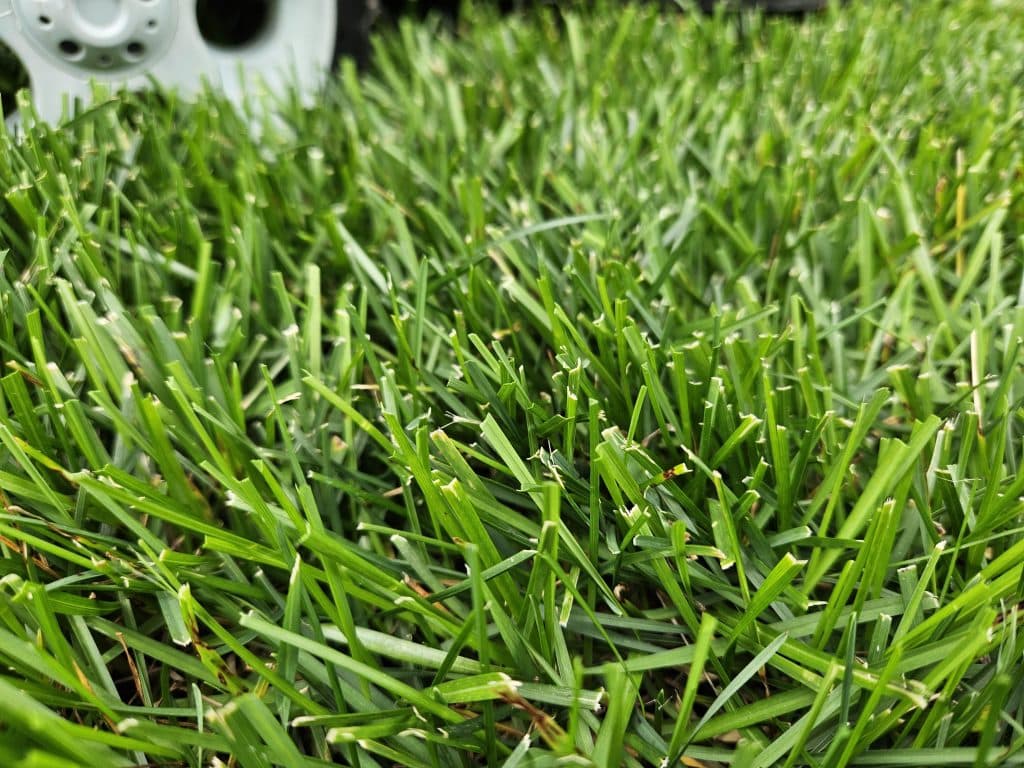
A dull lawn mower blade can make your lawn look uneven. It can also harm the grass.
Knowing when to sharpen your blade is key for a healthy lawn. A sharp blade cuts grass cleanly, while a dull one tears it. This can lead to brown tips and a lawn that is more prone to disease. Regular checks on your mower blade can save you time and effort.
It will also keep your lawn looking its best. In this blog post, we will help you identify the signs of a dull blade. You will learn simple tips to keep your mower in top shape. Let’s dive in and find out how to tell if your lawn mower blade needs sharpening.
Signs Of A Dull Lawn Mower Blade
Keeping your lawn mower blade sharp is crucial for a healthy lawn. A dull blade can damage your grass and make your lawn look untidy. How can you tell if your lawn mower blade is dull? Look for these signs.
Uneven Grass Cuts
One of the most obvious signs of a dull lawn mower blade is uneven grass cuts. When the blade is dull, it cannot cut the grass evenly. You will notice patches where the grass is longer than other areas. This makes your lawn look patchy and unkempt.
To check for uneven cuts, mow a small section of your lawn. Then, inspect the grass closely. If you see uneven lengths, it is time to sharpen your blade.
Torn Grass Tips
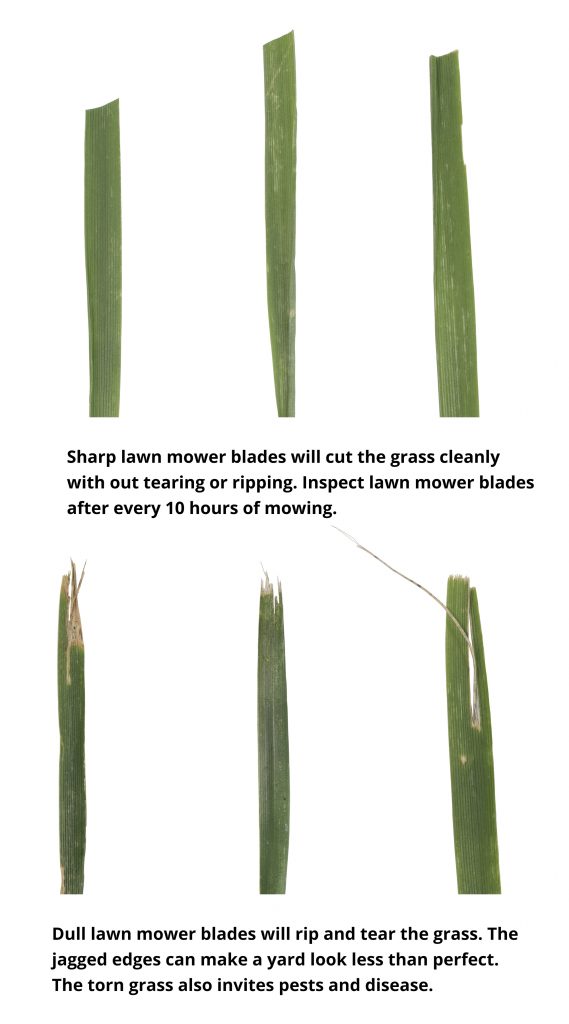
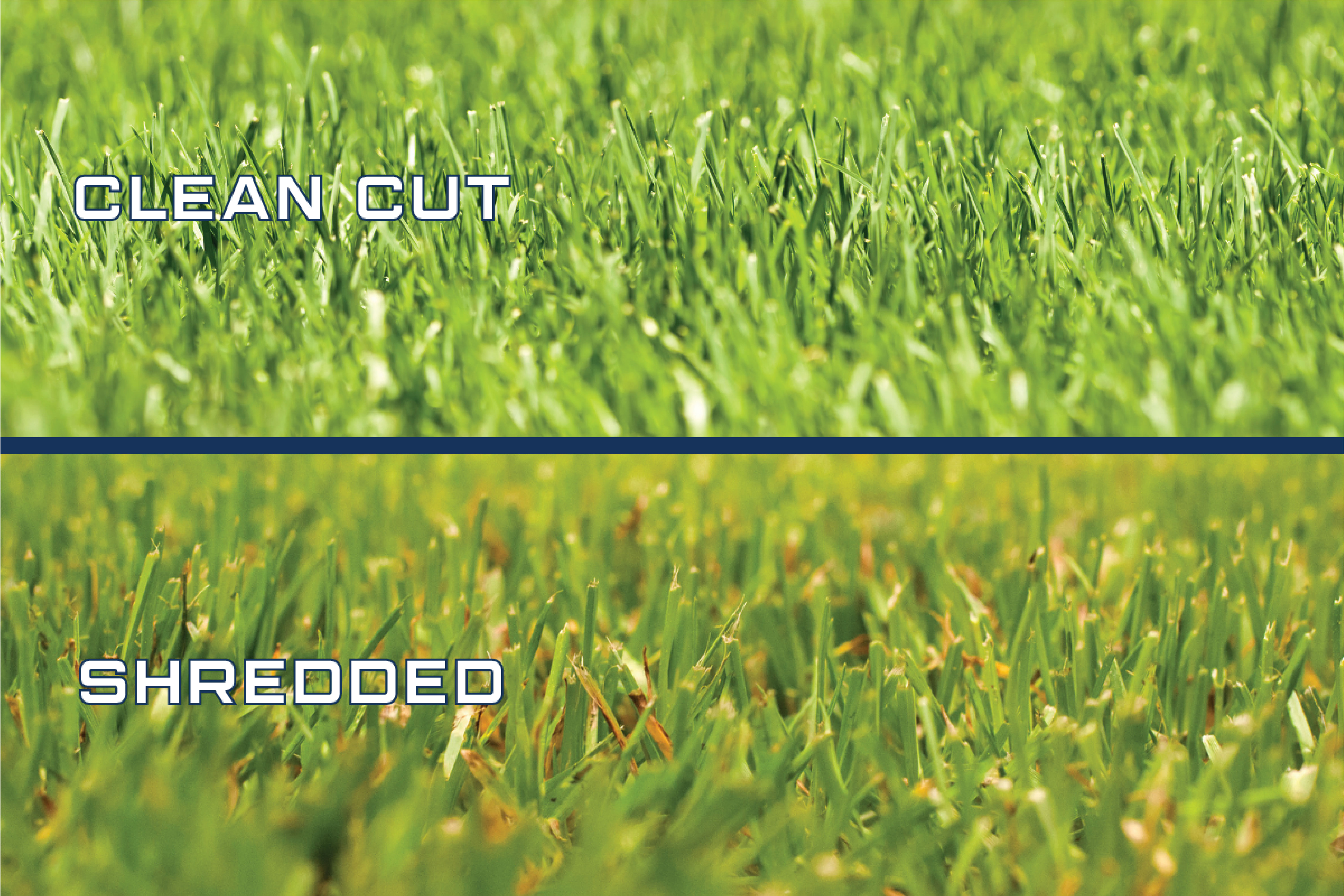
Another clear sign of a dull blade is torn grass tips. A sharp blade cuts the grass cleanly, leaving smooth edges. A dull blade, on the other hand, tears the grass. Torn grass tips turn brown quickly, making your lawn look unhealthy.
To identify torn tips, look at the grass after mowing. If the tips are jagged or brown, your blade needs sharpening. This not only improves the look of your lawn but also prevents diseases that can enter through torn grass tips.
| Sign | Description |
|---|---|
| Uneven Grass Cuts | Grass appears patchy with different lengths. |
| Torn Grass Tips | Grass tips are jagged or brown. |
Visual Inspection Techniques
Regular lawn mower maintenance is essential for a healthy, green lawn. A key part of this is ensuring your mower blade is sharp. A dull blade can damage your grass, making it susceptible to disease. A visual inspection can help you determine if your blade needs sharpening or replacing.
Checking For Nicks
Examine the edge of the blade for nicks and dents. These are small cuts or chips in the blade. They often occur from hitting rocks or sticks. Nicks can make the blade less effective at cutting grass. If you see many nicks, it is time to sharpen or replace the blade.
Assessing Blade Sharpness
Inspect the blade’s edge. A sharp blade has a clean, straight edge. A dull blade appears rounded and worn. Run your finger (carefully) along the edge. A sharp blade feels smooth and fine. A dull blade feels blunt and rough. If the blade is not sharp, your lawn will suffer.
Performance Indicators
Knowing if your lawn mower blade is dull can save you time and effort. Here are the key performance indicators to watch out for. These signs will help you determine if the blade needs sharpening.
Increased Mowing Time
If your mowing sessions are taking longer than usual, it could be a sign of a dull blade. A sharp blade cuts grass cleanly, allowing you to move quickly. A dull blade, on the other hand, tears the grass, making the process slower and more laborious. This increase in mowing time is a clear indicator that your blade needs attention.
Struggling Engine
A dull blade can put extra strain on your lawn mower’s engine. If you notice the engine struggling, stalling, or making unusual noises, it might be due to a dull blade. The engine works harder to compensate for the blade’s inefficiency. This not only affects performance but can also lead to engine damage over time. Keeping the blade sharp ensures smoother operation and prolongs the mower’s lifespan.

Impact On Lawn Health
Dull lawn mower blades can harm grass, causing uneven cuts and brown tips. This weakens the lawn and invites pests. Regular blade sharpening ensures a healthy, vibrant lawn.
A dull lawn mower blade can wreak havoc on your lawn’s health. It tears the grass rather than cutting it cleanly. This leads to several issues that can affect the overall appearance and health of your lawn.Grass Vulnerability
When the blade is dull, it makes jagged cuts. This causes the grass to become more vulnerable. Vulnerable grass is easily damaged by environmental factors. It struggles to recover from mowing. This weakens the grass over time. This can create an uneven look.Lawn Diseases
Dull blades also contribute to lawn diseases. Torn grass blades create open wounds. These wounds are entry points for pests and diseases. A healthy lawn can fight off diseases better. But a lawn mowed with a dull blade faces greater risk. Patches of diseased grass can spread quickly. This can ruin your entire lawn. “`Common Causes Of Blade Dullness
Understanding the common causes of lawn mower blade dullness can help you maintain a healthy lawn. Dull blades tear grass instead of cutting it cleanly. This can lead to an unhealthy lawn. Let’s look at some common reasons why your blades might become dull.
Frequent Use
Lawn mower blades dull quickly with frequent use. Every time you cut grass, the blades wear down a little. If you mow your lawn often, you will need to sharpen or replace the blades more regularly. Regular mowing is good for your lawn but tough on your mower blades.
Debris And Obstacles
Blades can also dull due to hitting debris and obstacles. Rocks, sticks, and other items in your yard can chip or nick the blade edges. Even small objects can cause damage over time. Always check your yard for debris before mowing. This simple step can extend the life of your blades.
Hitting hard surfaces like concrete or asphalt can also dull the blades. If you mow close to driveways or sidewalks, be extra careful. Keeping your mower on the grass can prevent accidental contact with hard surfaces.
When To Sharpen Or Replace
A sharp lawn mower blade ensures a clean cut and promotes healthy grass. But how do you know when to sharpen or replace your blade? This guide helps you identify the signs and maintain your lawn mower for optimal performance.
Sharpening Frequency
The frequency of sharpening depends on usage and lawn size. For a typical yard, sharpening every 20-25 hours of mowing is recommended. If your lawn is large or you mow frequently, sharpen more often.
Consider the grass condition after mowing. If the grass tips appear torn or brown, the blade needs sharpening. Another sign is difficulty mowing, which indicates a dull blade.
Blade Replacement Signs
Sometimes, sharpening isn’t enough. Look for these signs to know when to replace the blade:
- Chips or Dents: Visible damage affects cutting performance.
- Thin Blade: Over time, sharpening thins the blade, reducing its effectiveness.
- Uneven Cut: If sharpening doesn’t resolve uneven cuts, replace the blade.
Regular checks ensure your lawn mower performs well. Inspect the blade after every mowing session. Replace it if you notice severe damage or wear.
Table for quick reference:
| Condition | Action |
|---|---|
| Dull blade, brown grass tips | Sharpen |
| Chips or dents | Replace |
| Thin blade | Replace |
| Uneven cuts despite sharpening | Replace |
Sharpening Lawn Mower Blade
Keeping your lawn mower blade sharp is essential for maintaining a healthy lawn. A dull blade tears the grass, causing it to turn brown and become more susceptible to disease. Regularly sharpening your lawn mower blade ensures a clean cut and promotes healthier grass growth.
Required Tools
- Wrench
- Gloves
- Blade Sharpening Tool (File, Grinder, or Blade Sharpener)
- Vise or Clamp
- Safety Glasses
- Metal File or Sharpening Stone
- Balancing Tool
Step-by-step Guide
- Disconnect the Spark Plug: Safety first. Disconnect the spark plug to avoid accidental starts.
- Remove the Blade: Use a wrench to remove the bolt holding the blade. Wear gloves to protect your hands.
- Secure the Blade: Clamp the blade in a vise. This holds it steady while you work.
- Sharpen the Blade:
- Use a metal file or sharpening stone.
- Follow the blade’s angle. Move from center to edge.
- Sharpen both edges equally.
- Check the Balance: Use a balancing tool. An unbalanced blade causes vibrations and uneven cuts.
- Reattach the Blade: Secure the blade back onto the mower. Tighten the bolt firmly.
- Reconnect the Spark Plug: Reconnect the spark plug. Test the mower to ensure smooth operation.
Maintaining a sharp lawn mower blade is crucial for a healthy, green lawn. Follow these steps to ensure your blade stays in top condition.
Preventing Blade Dullness
Preventing blade dullness is essential for maintaining a healthy lawn. Sharp blades cut grass cleanly, promoting better growth and reducing stress on the lawn. By following proper practices and regular maintenance, you can extend the life of your mower blades.
Proper Mowing Practices
Mow your lawn when the grass is dry. Wet grass can cause the blades to tear rather than cut cleanly. Set your mower blades at the right height. Cutting too low can damage the blades and your lawn. Mow in different patterns each time. This prevents the grass from leaning in one direction and reduces strain on the blades.
Regular Maintenance
Check your mower blades regularly. Inspect them for nicks, dents, and wear. Sharpen the blades at least once a season. Sharpening more often if you mow frequently. Balance the blades after sharpening. Unbalanced blades can cause vibrations and damage the mower. Clean the blades after each use. Remove grass clippings and debris to prevent buildup and rust.
Frequently Asked Questions
How Can I Tell If My Lawn Mower Blade Is Dull?
A dull mower blade leaves uneven and torn grass. Check for brown, ragged edges on your lawn. Sharp blades cut cleanly.
What Are The Signs Of A Dull Mower Blade?
Signs include uneven cuts, torn grass, and brown tips. The mower might struggle and make unusual noises.
How Often Should I Sharpen My Lawn Mower Blade?
Sharpen your mower blade after every 20-25 hours of use. Regular maintenance ensures a clean cut and healthy lawn.
Can A Dull Blade Damage My Lawn?
Yes, a dull blade tears grass, causing stress and vulnerability to diseases. A sharp blade promotes a healthy lawn.
Conclusion
A dull lawn mower blade affects grass health. Look for uneven cuts, torn grass, or extra effort needed. Sharpening the blade ensures a clean cut and vibrant lawn. Regular maintenance prolongs mower life and improves lawn appearance. Always check blades before mowing.
Simple steps lead to a beautiful, healthy yard. Keep your mower in top shape and enjoy lush, green grass. Happy mowing!
