

Storing a snow blower properly ensures it remains in good condition. Proper storage techniques can extend its lifespan and save you money.
Winter may be over, but your snow blower still needs care. Properly storing your snow blower can prevent damage and ensure it’s ready for the next snowy season. This guide will help you prepare your snow blower for storage, covering essential steps and tips.
From cleaning to maintenance, you’ll learn how to keep your equipment in top shape. By following these simple steps, you can avoid costly repairs and keep your snow blower running smoothly for years. Ready to get started? Let’s dive into the details of storing your snow blower the right way.
Preparing Your Snow Blower
Storing your snow blower properly ensures it stays in great shape. Preparing it involves a few essential steps. This process helps extend its life. Let’s dive into the key tasks: cleaning the machine and inspecting for damage.
Cleaning The Machine
First, remove any snow and ice from the blower. Use a brush to clear the auger and chute. Next, wipe down the exterior with a damp cloth. Make sure to dry it thoroughly. Clean the fuel system by draining any leftover fuel. This prevents gum deposits from forming. Store the machine with a full tank if you use a fuel stabilizer.
Inspecting For Damage
After cleaning, check the snow blower for any visible damage. Look at the belts, auger, and impeller. Ensure they are not worn or cracked. Examine the tires for proper inflation and any signs of wear. Tighten any loose bolts or screws. If you find any issues, fix them before storing the machine. This ensures it is ready for use next season.

Fuel System Maintenance
Proper fuel system maintenance is crucial for storing your snow blower. This ensures your machine remains in top condition. Neglecting the fuel system can lead to many problems. These problems include clogged carburetors and damaged fuel lines. To avoid these issues, follow these simple steps.
Draining The Fuel
First, draining the fuel tank is essential. Old fuel can cause gum and varnish buildup. This damages the engine. Run the snow blower until it uses all the fuel. This prevents any leftover fuel from causing issues.
Next, locate the fuel valve. Turn it off to stop fuel flow. Disconnect the fuel line from the carburetor. Drain any remaining fuel into a container. Dispose of the old fuel properly. This ensures a clean, dry fuel system for storage.
Using Fuel Stabilizer
Alternatively, use a fuel stabilizer if you cannot drain the fuel. A fuel stabilizer prevents the fuel from breaking down. This keeps the fuel fresh during storage. Add the recommended amount of stabilizer to the fuel tank.
Run the snow blower for a few minutes. This ensures the stabilizer mixes well with the fuel. This step coats the carburetor and fuel lines. It prevents gum and varnish buildup. The fuel will remain fresh for up to 12 months.
By following these steps, you ensure your snow blower remains in peak condition. Proper fuel system maintenance prevents many issues. This makes starting your snow blower next season a breeze.
Oil And Lubrication
Proper oil and lubrication are crucial for maintaining your snow blower. Regular maintenance ensures smooth operation and extends the machine’s life. Here’s how to store your snow blower by focusing on oil and lubrication.
Changing The Oil
Changing the oil is an essential step in storing your snow blower. Old oil can cause damage if left over time. Follow these steps to change the oil:
- Warm up the engine for a few minutes. This helps the oil flow better.
- Turn off the engine and disconnect the spark plug.
- Place an oil pan under the drain plug and remove the plug.
- Let the oil drain completely.
- Replace the drain plug and add new oil. Check your manual for the recommended type and amount.
- Reconnect the spark plug and run the engine for a minute to circulate the new oil.
- Check the oil level and add more if needed.
Greasing Moving Parts
Greasing the moving parts prevents rust and ensures smooth operation. Follow these steps to grease your snow blower:
- Identify all moving parts, including the auger, impeller, and chute.
- Clean the parts to remove any dirt or debris.
- Apply a lubricant or grease to the moving parts. Use a grease gun for precise application.
- Move the parts by hand to distribute the grease evenly.
- Wipe off any excess grease to prevent dirt buildup.
By following these steps, your snow blower will be ready for storage. Proper oil and lubrication are key to keeping your machine in top condition.
Battery Care
Proper battery care is crucial for maintaining your snow blower’s performance. Ensuring your battery is stored correctly can extend its life. This section will guide you on how to handle and store your snow blower’s battery.
Removing The Battery
Start by turning off your snow blower. Locate the battery compartment. Use the appropriate tools to detach the battery. Be gentle to avoid damaging the connectors. Remove the battery and place it on a clean, dry surface.
Storing The Battery
Store the battery in a cool, dry place. Avoid extreme temperatures. Keep the battery away from direct sunlight. Place it on a non-conductive surface. Ensure the storage area is free from moisture. This prevents corrosion and damage.
Charge the battery to 50% before storing. This helps maintain battery health. Check the battery periodically. Recharge if it drops below 30%.
Follow these steps to ensure your battery stays in good condition. Proper storage ensures your snow blower is ready for the next season.
Protecting The Engine
Properly storing your snow blower ensures its longevity and performance. The engine is the heart of your snow blower. Thus, protecting it is crucial. Here are essential steps to keep the engine in top shape during storage.
Spark Plug Maintenance
The spark plug is a vital component. It ignites the fuel, powering the engine. Neglecting it can lead to starting issues.
- Remove the spark plug using a wrench.
- Inspect the spark plug for damage or wear.
- If it’s dirty, clean it with a wire brush.
- Replace it if you notice any cracks or excessive wear.
- Reinstall the spark plug, ensuring it’s tight but not over-tightened.
Sealing The Engine
Sealing the engine prevents moisture and debris from entering. This helps avoid rust and other damage.
- Drain the fuel tank completely.
- Run the engine until it stops, clearing any remaining fuel.
- Add fuel stabilizer to any leftover fuel.
- Change the oil to keep the engine lubricated.
- Cover the air intake and exhaust with plastic bags. Secure them with rubber bands.
Following these steps will protect your snow blower engine. This ensures it starts easily and runs smoothly next season.
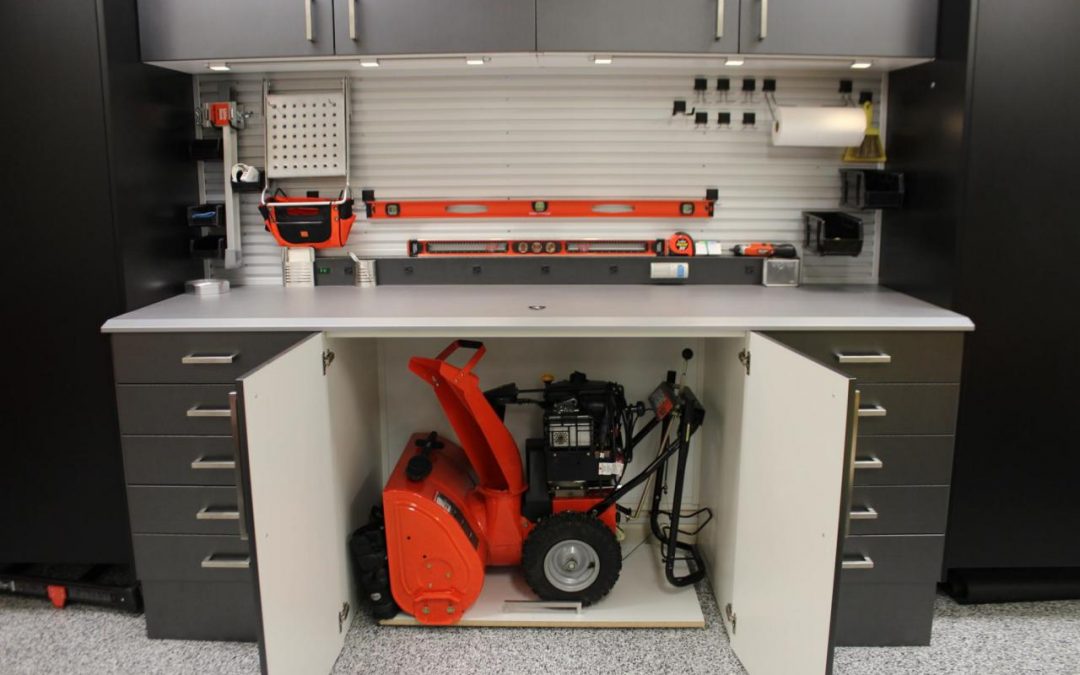
Storing In A Safe Location
Store your snow blower in a dry, secure place. Clean it thoroughly before storage. Ensure it is covered to protect from dust.
Storing your snow blower safely ensures its longevity. This is crucial for keeping it in good condition. Avoid leaving it exposed to harsh weather or damage. Finding the right spot for storage is key.Choosing A Storage Spot
Choose a dry and cool place for storage. A garage or shed is ideal. Avoid damp or humid areas to prevent rust. Ensure the spot is secure from potential damage. Keep it away from pathways where it could be bumped.Using A Cover
Use a cover to protect your snow blower. A high-quality, waterproof cover works best. This keeps dust and moisture away. Ensure the cover fits snugly around the machine. This will shield it from dirt and debris. A covered snow blower stays clean and ready for use. “`Tire And Track Care
Proper tire and track care is essential for storing your snow blower. Ensuring these components are in good condition can prevent future issues. Let’s explore key steps for tire and track maintenance.
Checking Tire Pressure
First, check the tire pressure. Use a tire pressure gauge to measure it. Compare the readings to the manufacturer’s recommendation. Adjust if necessary. Properly inflated tires ensure smooth operation. They also prevent flat spots during storage.
Inspecting Tracks
Next, inspect the tracks for wear and tear. Look for cracks, splits, or missing pieces. Damaged tracks can affect performance and safety. Replace any worn or damaged tracks promptly. Clean the tracks thoroughly. Remove any debris or dirt.
Regularly maintaining tires and tracks extends the life of your snow blower. It also ensures peak performance during the winter season.

Revisiting Maintenance Checklist
When preparing your snow blower for storage, revisiting the maintenance checklist is crucial. It ensures your equipment remains in top condition. This not only prolongs its lifespan but also ensures it is ready for the next winter season. Here are some key steps to follow.
Reviewing Before Storage
Before storing your snow blower, review its current condition. Check for any damages. Inspect the blades, belts, and tires. Replace any worn-out parts. This prevents further damage during storage.
Clean the snow blower thoroughly. Remove any dirt, debris, and moisture. These can cause rust and corrosion. Use a brush to clean hard-to-reach areas.
Drain the fuel tank. Storing the snow blower with fuel can lead to engine problems. Run the engine until it stops. This ensures all fuel is used up.
Creating A Spring Checklist
Create a spring checklist to keep your snow blower in good shape. This prepares you for the next winter season.
Here are some tasks to include:
- Oil Change: Replace the oil to keep the engine running smoothly.
- Spark Plug: Check and replace the spark plug if needed.
- Lubrication: Lubricate all moving parts to prevent rust.
- Belts and Cables: Inspect and adjust belts and cables.
Regular maintenance ensures your snow blower is ready when you need it. Follow these steps for a hassle-free winter.
Frequently Asked Questions
How Do I Prepare My Snow Blower For Storage?
Clean the snow blower thoroughly. Remove fuel or add a stabilizer. Check and change the oil. Inspect and replace any worn parts.
Where Should I Store My Snow Blower?
Store your snow blower in a dry, sheltered place like a garage or shed. Avoid damp areas to prevent rust.
Should I Cover My Snow Blower During Storage?
Yes, covering your snow blower protects it from dust and moisture. Use a breathable cover to prevent condensation.
How Do I Prevent Rust On My Snow Blower?
Clean and dry the snow blower thoroughly before storage. Apply a light coat of oil to metal parts to prevent rust.
Conclusion
Storing your snow blower properly is essential for its longevity. Clean the machine thoroughly. Drain the fuel to prevent damage. Check and change the oil. Remove the spark plug and add a bit of oil. Store the snow blower in a dry, covered place.
Keep it away from moisture. By following these steps, your snow blower will be ready for the next winter season. Proper storage ensures your machine works efficiently and lasts longer. Take care of your equipment, and it will take care of you.
Happy snow blowing!

