

Starting your lawn mower after winter can be a challenge. The cold months can leave your mower in less than ideal condition.
As spring approaches, your lawn needs attention. Before you can start mowing, you must ensure your mower is ready to go. After months of inactivity, some basic maintenance steps can make a big difference. Cleaning, checking the oil, and inspecting the spark plug are a few essential tasks.
Proper preparation can prevent frustration and ensure your mower runs smoothly. In this guide, we’ll walk you through the steps to start your lawn mower after winter. With a little effort, you can get your mower running like new and keep your lawn looking great all season long.
Preparing Your Lawn Mower
After a long winter, your lawn mower may need some attention. Preparing your lawn mower ensures it runs smoothly throughout the season. Follow these steps to get your mower ready for spring.
Cleaning The Mower
Start by giving your lawn mower a thorough cleaning. Remove any debris or grass clippings stuck under the deck. Clean the blades carefully to avoid injury. Use a brush or cloth to wipe down the exterior.
Pay special attention to the air filter. A dirty air filter can cause poor performance. Remove the filter and clean it with soapy water. Let it dry completely before reinstalling.
Inspecting For Damage
Inspect your lawn mower for any signs of damage. Check the blades for nicks or dullness. Sharp blades ensure a clean cut and promote healthy grass growth.
Look over the wheels and handle for cracks or bends. Make sure all bolts and screws are tight. Loose parts can affect the mower’s performance and safety.
Examine the spark plug for wear and tear. A worn-out spark plug can cause starting issues. Replace it if necessary.
Below is a table summarizing the key inspection points:
| Part | Action |
|---|---|
| Blades | Check for nicks; sharpen if dull |
| Wheels | Inspect for cracks; ensure bolts are tight |
| Spark Plug | Examine for wear; replace if needed |
| Air Filter | Clean with soapy water; let dry |
By following these steps, your lawn mower will be ready for a new season of mowing. Keep your equipment in top shape for a lush, healthy lawn.
Checking Fuel And Oil
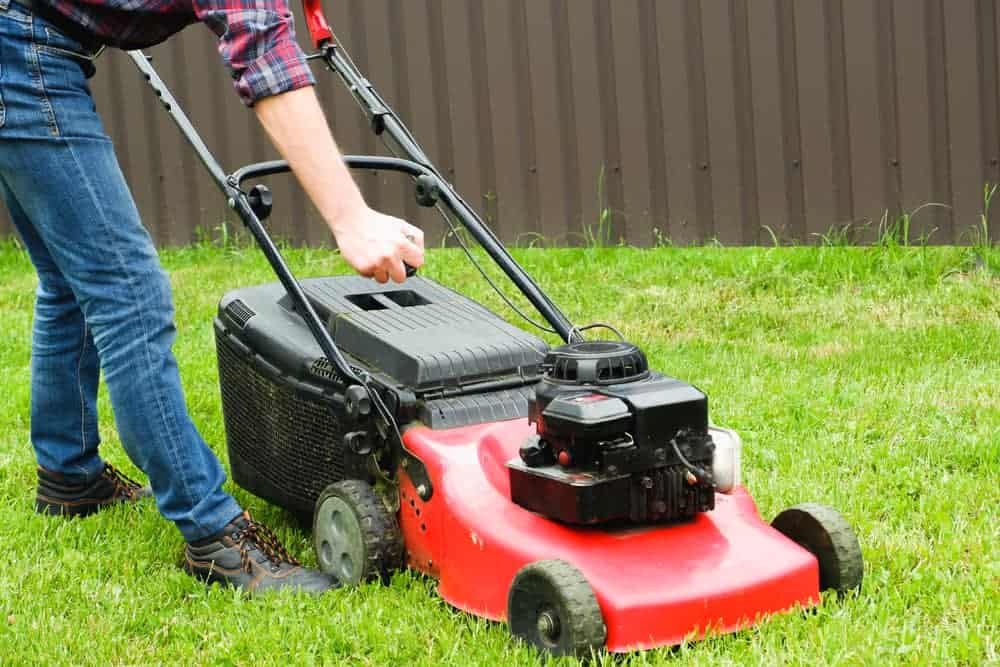
Starting your lawn mower after winter can be a bit tricky. One of the first steps is checking the fuel and oil. Old fuel and dirty oil can cause issues. Let’s go through the steps to ensure your mower starts smoothly.
Draining Old Fuel
Old fuel can clog the engine. It’s best to drain any fuel left in the tank. Use a siphon pump to remove it safely. Dispose of the old fuel properly. This step helps prevent engine problems.
Refilling With Fresh Fuel
After draining the old fuel, refill the tank with fresh fuel. Use the recommended fuel type for your mower. Fresh fuel ensures better performance. It also helps in smooth starting after winter.
Checking Oil Levels
Next, check the oil levels. Old or dirty oil can harm the engine. Use a dipstick to check the oil. If the oil is low, refill it. If it looks dirty, change it. Clean oil keeps the engine running smoothly.
Inspecting The Spark Plug
After winter, a lawn mower’s spark plug needs checking. This small part plays a big role in starting the engine. Ignoring it can lead to frustrating start-up problems. Follow these steps to inspect the spark plug and get your lawn mower ready.
Removing The Spark Plug
First, locate the spark plug. It’s usually near the front of the engine. Disconnect the spark plug wire. Use a spark plug socket or wrench to unscrew it. Be gentle to avoid breaking it.
Cleaning Or Replacing The Spark Plug
Inspect the spark plug once removed. If it looks dirty or covered in carbon, clean it. Use a wire brush and spark plug cleaner. If it’s damaged or very worn out, replace it.
A clean and functional spark plug ensures a smooth start. Screw the spark plug back in and reattach the wire. Now, the lawn mower is one step closer to running well after winter.

Examining The Air Filter
After a long winter, starting your lawn mower can be a challenge. One critical step is examining the air filter. A clean air filter ensures the engine runs smoothly. A dirty or clogged filter can cause problems.
Locating The Air Filter
First, locate the air filter on your lawn mower. It is usually on the side of the engine. The air filter cover is often secured with screws or clips. Remove these to access the filter.
Cleaning Or Replacing The Air Filter
Check the condition of the air filter. If it’s only slightly dirty, you can clean it. Use a brush or compressed air to remove dirt. For paper filters, tapping it gently can help. If the filter is damaged or very dirty, replace it. A new air filter will improve engine performance.
Reassemble the air filter cover. Ensure it is secure. Your lawn mower’s engine will breathe easier and run better.
Assessing The Battery
Check the battery for any damage or corrosion. Ensure it has a full charge before starting the lawn mower. Clean the battery terminals if necessary.
Winter can be tough on your lawn mower’s battery. Cold temperatures drain its power. Before you try to start your mower, you need to check the battery. This step ensures your mower will start smoothly.Checking Battery Health
First, inspect the battery for any signs of damage. Look for cracks or leaks. These indicate that the battery is not safe to use. Next, test the battery voltage with a voltmeter. A healthy battery should read around 12.6 volts. If the reading is much lower, the battery may be weak or dead. Check the terminals for corrosion. Clean them if they appear dirty or rusty. Use a wire brush to remove any build-up. This ensures a good connection.Recharging Or Replacing The Battery
If the battery voltage is low, try recharging it. Use a battery charger designed for your mower’s battery type. Follow the charger instructions carefully. Charging may take a few hours. After charging, test the voltage again. If it reads 12.6 volts or higher, the battery is good to go. If it still reads low, the battery may need replacing. Purchase a new battery if necessary. Ensure it matches your mower’s specifications. Installing a new battery can make your mower start easily. By assessing the battery, you ensure your lawn mower is ready for the season. This simple step saves time and prevents frustration. “`Sharpening The Blades
Sharpening your lawn mower blades is crucial after winter. Dull blades tear grass and cause damage. Sharp blades cut cleanly and promote healthy grass growth. Follow these steps to sharpen your blades effectively.
Removing The Blades
First, disconnect the spark plug wire. This prevents accidental starts. Wear gloves for safety. Tip the mower on its side. Use a wrench to remove the blade bolt. Keep track of any washers or spacers.
Sharpening Techniques
Secure the blade in a vice. Use a metal file to sharpen the edge. Maintain the blade’s original angle. File in one direction, not back and forth. Alternatively, use a bench grinder. Be careful to avoid overheating the blade. Check for balance by hanging the blade on a nail. If one side dips, file more from that side.
Testing The Mower
Testing the mower after winter is essential. This ensures it runs smoothly for the new season. A few simple steps can help get your mower ready. Let’s go through them.
Starting The Engine
First, check the fuel tank. Add fresh fuel if needed. Old fuel can cause issues. Next, inspect the spark plug. Make sure it is clean and tight. A dirty spark plug can prevent starting. Pull the starter cord firmly. Listen for the engine to start.
Listening For Unusual Noises
After starting, listen carefully to the engine. It should run smoothly. Any unusual noises can indicate problems. Clicks, bangs, or grinding sounds are red flags. Stop the mower if you hear any. Inspect the blades and engine components. Fix any issues before using the mower.
Maintaining Your Mower
Maintaining your lawn mower is essential for a smooth start after winter. Proper upkeep not only prolongs the life of your mower but also ensures it performs efficiently. Here, we provide useful tips for regular cleaning and a seasonal maintenance checklist.
Regular Cleaning Tips
Regular cleaning keeps your mower in good condition. Follow these simple steps:
- Clean the Undercarriage: Remove grass clippings and debris after each use.
- Wipe Down the Mower Deck: Use a damp cloth to remove dirt and grime.
- Check the Air Filter: Ensure it is clean and replace if necessary.
These steps prevent rust and buildup, ensuring your mower runs smoothly.
Seasonal Maintenance Checklist
A comprehensive checklist helps keep your mower in top shape:
- Change the Oil: Replace old oil to keep the engine lubricated.
- Sharpen the Blades: Sharp blades cut grass efficiently and prevent damage.
- Inspect the Spark Plug: Replace if worn out to ensure easy starts.
- Check Tire Pressure: Properly inflated tires ensure even mowing.
- Inspect Belts and Cables: Look for wear and tear and replace if necessary.
Completing these tasks ensures your mower is ready for the mowing season.
Frequently Asked Questions
How Do You Start A Lawn Mower After Winter?
To start your lawn mower after winter, first check the fuel, oil, and spark plug. Clean or replace the air filter, and ensure the battery is charged. Prime the engine, then pull the starter cord or use the electric start.
Why Won’t My Lawn Mower Start After Winter?
Your lawn mower might not start due to old fuel, a dirty air filter, or a faulty spark plug. Check and replace these parts as needed. Also, make sure to charge the battery if applicable.
Should I Change The Oil Before Starting My Mower?
Yes, changing the oil before starting your mower after winter is recommended. Fresh oil ensures optimal engine performance and longevity. It also removes any moisture or contaminants that may have accumulated during storage.
How Do You Prime A Lawn Mower?
To prime a lawn mower, locate the primer bulb near the carburetor. Press it three to five times to inject fuel into the engine. This helps in starting the engine more easily after winter storage.
Conclusion
Getting your lawn mower ready after winter is simple with these steps. Start by checking the fuel and oil. Clean the air filter and spark plug. Inspect the blades for any damage. Ensure the battery is charged if applicable. Finally, start the engine and listen for any issues.
Regular maintenance keeps your lawn mower running smoothly. Now you are ready for a beautiful, well-kept lawn. Happy mowing!
