

Replacing a lawn mower blade might seem daunting. But it’s simpler than you think.
Knowing how to replace a lawn mower blade can save you time and money. Dull blades can harm your grass, leaving uneven cuts and promoting disease. By learning this skill, you ensure your lawn stays healthy and neat. In this guide, we will walk you through the steps.
You’ll see how easy it is to replace the blade yourself. So, let’s get your lawn mower ready for action again!
Tools And Materials Needed
Replacing a lawn mower blade is a straightforward task. But to do it properly, you need the right tools and materials. In this section, we’ll list the essential tools and recommended safety gear. Having these on hand will make the process smoother and safer.
Essential Tools
- Socket Wrench Set: A socket wrench set is crucial for removing and tightening bolts.
- Blade Holder: This tool keeps the blade steady while you work.
- Gloves: Protect your hands from sharp edges and dirt.
- Replacement Blade: Make sure to have a new blade that fits your mower model.
- Block of Wood: Use a piece of wood to prevent the blade from spinning.
Recommended Safety Gear
- Safety Glasses: Protect your eyes from debris and sparks.
- Ear Protection: Use earplugs or earmuffs to protect your hearing.
- Work Boots: Wear sturdy boots to protect your feet.
- Long Sleeves: Wear long sleeves to protect your arms from cuts and scrapes.
Preparing The Mower
Before replacing your lawn mower blade, it is essential to ensure safety and proper preparation. This involves a few crucial steps that must be followed meticulously. Let’s walk through the key preparations to make your task easy and safe.
Disconnecting The Spark Plug
First, disconnect the spark plug. This step is vital as it prevents accidental starts.
- Locate the spark plug wire. It is usually found at the front of the mower.
- Pull the spark plug wire off the spark plug. Use a firm grip but be gentle.
- Move the wire away from the plug to avoid accidental contact.
Safety first: Always ensure the spark plug is disconnected to avoid injuries.
Draining The Fuel
Next, drain the fuel to prevent spills. This is important for both safety and convenience.
- Use a siphon pump to remove fuel from the tank.
- Place the fuel in a safe container for later use.
- Alternatively, you can run the mower until the fuel tank is empty.
Tip: Work in a well-ventilated area to avoid inhaling fumes.
| Step | Action |
|---|---|
| 1 | Locate and disconnect the spark plug wire |
| 2 | Siphon fuel from the tank or run the mower dry |
| 3 | Ensure the work area is safe and ventilated |
Following these steps will help you prepare your mower correctly. This ensures a smooth blade replacement process.
Accessing The Blade
Replacing a lawn mower blade is essential for maintaining a healthy lawn. To do this effectively, you need to access the blade correctly. This process involves tilting the mower safely and securing it to avoid any accidents. Follow these steps to ensure you can access and replace the blade without any trouble.
Tilting The Mower Safely
To access the blade, the mower must be tilted. First, disconnect the spark plug to prevent accidental starts. Then, ensure the gas tank is empty or sealed to avoid spills.
Next, tilt the mower on its side. Always tilt the mower with the air filter facing up. This prevents oil from leaking into the filter. Use a sturdy support to keep the mower stable.
Securing The Mower
Securing the mower is crucial for safety. Place a wooden block under the mower’s handle. This provides additional stability. Ensure the mower is on a flat surface to prevent tipping.
Use a wrench to remove the blade bolt. Hold the blade with a gloved hand or use a blade removal tool. This prevents the blade from moving while you work.
Once the blade is removed, clean the area. Removing debris ensures a smooth reinstallation. This also helps maintain the mower’s efficiency.
| Step | Action |
|---|---|
| 1 | Disconnect spark plug |
| 2 | Ensure gas tank is empty or sealed |
| 3 | Tilt the mower with air filter up |
| 4 | Secure mower with wooden block |
| 5 | Remove blade bolt with wrench |
Following these steps ensures safe access to the lawn mower blade. Safety first. With the blade exposed, you can now proceed to replace it. Stay tuned for our next section on how to properly install a new blade.

Removing The Old Blade
Replacing your lawn mower blade keeps your mower running smoothly. Begin by removing the old blade. This step is crucial for a successful replacement. Let’s break it down into simple steps.
Loosening The Blade Bolts
First, disconnect the spark plug wire to prevent accidents. Then, turn the mower on its side. Locate the bolts holding the blade. Use a wrench to loosen these bolts. Turn the wrench counterclockwise. If the bolts are stubborn, apply some penetrating oil. This helps to free them.
Handling The Blade Carefully
Blades are sharp. Wear thick gloves for protection. Hold the blade firmly while removing it. Avoid dropping the blade. Inspect the old blade once removed. Check for any damage or wear. This helps you understand the condition of your mower.
Inspecting The Blade And Bolts
Inspecting the blade and bolts of your lawn mower is a crucial step before replacing the blade. Ensuring that both the blade and bolts are in good condition helps maintain the mower’s performance. This step-by-step guide will walk you through the process.
Checking Blade Condition
First, check the blade for any signs of damage. Look for cracks, bends, or significant wear. A damaged blade can affect the mower’s efficiency and safety. If you notice any issues, replacing the blade is necessary.
Next, ensure the blade’s cutting edge is sharp. A dull blade tears grass instead of cutting it, which can damage your lawn. If the edge is blunt, you may need to sharpen or replace the blade.
Examining Bolt Wear
Inspect the bolts holding the blade in place. Check for any signs of wear or damage. Loose or worn bolts can cause the blade to wobble, leading to uneven cuts and potential safety hazards.
Ensure the bolts are not stripped. Stripped bolts can make it difficult to remove or secure the blade properly. If the bolts show signs of wear, consider replacing them along with the blade.
By carefully inspecting the blade and bolts, you ensure your lawn mower operates efficiently and safely. This simple maintenance step can extend the life of your mower and improve the quality of your lawn care.
Installing The New Blade
Installing the new blade on your lawn mower is a crucial step. It ensures a smooth and efficient cut. Follow these steps for a safe and proper installation.
Aligning The Blade Properly
First, place the new blade on the spindle. Ensure the blade’s holes align with the spindle holes. The cutting edges should face the correct direction. Use the old blade as a reference if needed.
Tightening The Bolts
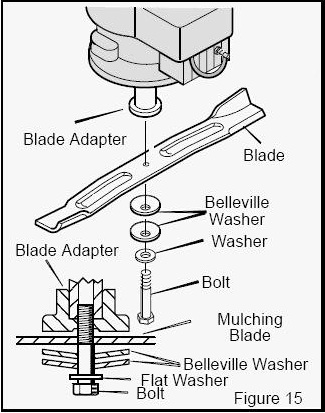
Next, insert the bolts through the blade and into the spindle. Hand-tighten each bolt to keep the blade in place. Use a wrench to fully tighten each bolt. Ensure the bolts are secure but avoid overtightening. A loose blade can be dangerous. A too-tight bolt can damage the blade or spindle.
Final Checks
After installing a new lawn mower blade, performing final checks ensures safety and performance. These checks help confirm that the blade is secure and the mower is ready for use. Let’s walk through the final steps.
Ensuring Proper Installation
First, check the blade’s tightness. Use a wrench to verify the blade bolt is tight. The blade should not wobble. If it moves, tighten the bolt more. A loose blade can cause damage and injury.
Next, inspect the blade orientation. Make sure the cutting edge faces the ground. An upside-down blade will not cut grass effectively.
Verify the blade’s clearance. Spin the blade by hand to check for obstructions. The blade should rotate freely without hitting the mower deck.
Reconnecting The Spark Plug
Before you reconnect the spark plug, ensure your safety. Wear gloves to avoid injuries.
Locate the spark plug wire and the spark plug. Push the wire onto the spark plug until it clicks. This connection is vital for the mower to start.
Once connected, check the mower for any loose parts or debris. Clean any grass or dirt from around the blade and spark plug area. A clean mower runs better and lasts longer.
By following these steps, your lawn mower will be ready for its next use. Always perform these final checks to ensure your mower operates safely and efficiently.
Maintenance Tips
Regular maintenance ensures your lawn mower operates efficiently. Keeping your blade in top condition is crucial for a clean cut. Below are some essential tips to help you maintain your lawn mower blade.
Regular Blade Inspection
Inspect the blade before each use. Look for nicks, bends, and dull edges. A dull blade tears grass, making it vulnerable to disease. If you notice any damage, sharpen or replace the blade. Check the blade’s balance too. An unbalanced blade can damage the mower’s engine.
Safe Storage Practices
Store your lawn mower in a dry place. Moisture causes rust, which weakens the blade. Clean the mower after each use. Remove grass clippings and debris to prevent buildup. Use a blade cover for extra protection. This keeps the blade sharp and ready for the next mowing session.
Frequently Asked Questions
How Often Should I Replace My Lawn Mower Blade?
You should replace your lawn mower blade every season or after 25 hours of use. Regular inspections can help determine if a replacement is needed sooner.
What Tools Are Needed To Replace A Lawn Mower Blade?
You will need a wrench, a pair of work gloves, and a wooden block. These tools ensure a safe and effective replacement process.
Can I Sharpen A Lawn Mower Blade Instead Of Replacing It?
Yes, you can sharpen the blade if it is not severely damaged. Sharpening can extend the blade’s life and improve mowing efficiency.
How Do I Know If My Lawn Mower Blade Is Dull?
Signs of a dull blade include uneven grass cuts and frayed grass tips. Inspect the blade regularly to maintain cutting quality.
Conclusion
Replacing your lawn mower blade is simpler than you think. Follow the steps carefully. Gather your tools and take safety precautions. Remove the old blade and install the new one. Double-check everything before use. This task keeps your lawn healthy and mower efficient.
Regular maintenance extends your mower’s life. With practice, it gets easier. Now, your mower is ready for action. Happy mowing!
