

Removing a spark plug from a lawn mower is a simple task. It can be done with basic tools.
This guide will walk you through the process step by step. Maintaining your lawn mower is crucial for its longevity and performance. One essential maintenance task is removing and inspecting the spark plug. A spark plug can tell you a lot about your mower’s engine health.
If it’s dirty or damaged, your mower may not start or run efficiently. This introduction will help you understand the importance of this task and prepare you for the detailed steps ahead. Let’s dive into the basics of removing a spark plug from your lawn mower.
Tools Needed
Removing a spark plug from a lawn mower requires the right tools. Using the correct tools ensures the process is smooth and safe. This section lists the tools you need and some optional tools that can make the task easier.
Required Tools List
Here are the essential tools you will need:
- Spark Plug Socket: This tool grips the spark plug securely.
- Socket Wrench: Use this to turn the spark plug socket.
- Ratchet or T-Handle: Provides leverage for turning the wrench.
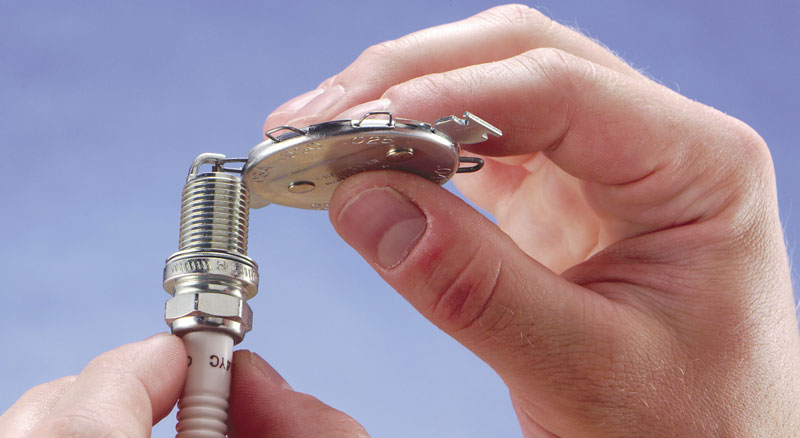
- Gap Gauge: Measures the gap of the new spark plug.
Optional Tools
Consider these optional tools for added convenience:
- Extension Bar: Helps reach deeper spark plugs.
- Torque Wrench: Ensures the spark plug is tightened to the correct specification.
- Magnetic Pickup Tool: Retrieves dropped spark plugs or tools.
- Anti-Seize Compound: Prevents the spark plug from sticking.

Preparation
Before you remove the spark plug from your lawn mower, proper preparation is key. This step ensures safety and prevents any damage to your mower. It also makes the process smoother and quicker. Let’s dive into the essential preparation steps you need to follow.
Choosing The Right Location
First, choose a suitable location to work on your lawn mower. The area should be flat and spacious. This prevents the mower from tipping over. Make sure the space is well-ventilated. You don’t want to inhale any fumes. Also, ensure good lighting. You need to see what you are doing clearly.
Disconnecting The Lawn Mower
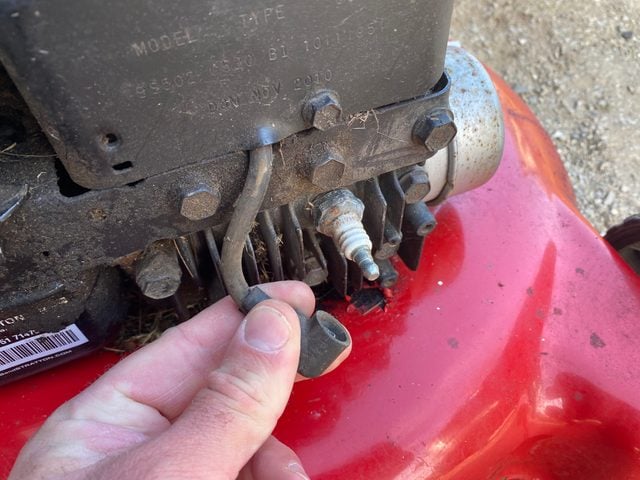
Next, disconnect the lawn mower. This step is crucial for your safety. Start by turning off the mower. Remove the ignition key if your mower has one. Disconnect the spark plug wire. This prevents accidental starting. Make sure the engine is cool. Never work on a hot engine. Wait for it to cool down if needed.
Locating The Spark Plug
Finding the spark plug in your lawn mower is the first step in its removal. The spark plug is a small but important component. It ignites the fuel, making the engine run. Locating it can be simple if you know where to look. Follow these steps to find the spark plug.
Identifying Spark Plug Position
The spark plug is usually near the front of the engine. Look for a thick wire connected to a small metal part. This part is often covered by a rubber boot. The boot protects the spark plug and wire. Pull the boot gently to expose the spark plug.
Check around the engine if you can’t find the spark plug at first. Sometimes, it’s hidden under other parts. Use a flashlight if needed. Remember, the spark plug always has a wire attached to it.
Consulting The User Manual
The user manual is a great help. It shows the exact location of the spark plug. Look for a diagram of the engine. Find the spark plug in the diagram. Follow the instructions given in the manual.
If you lost the manual, check the manufacturer’s website. Many companies provide digital copies online. Download the manual and locate the spark plug. This ensures you are looking in the right place.
Removing The Spark Plug
Removing the spark plug from your lawn mower is crucial for maintenance. A worn-out spark plug can affect your mower’s performance. Follow these steps to remove it safely and efficiently.
Clearing Debris Around Spark Plug
First, ensure the mower is off and cool. Look around the spark plug area. Debris can collect here over time. Use a brush to clear away dirt. Keeping the area clean prevents debris from entering the engine.
Using A Spark Plug Wrench
Next, locate the spark plug. It is usually on the side or top of the engine. Attach a spark plug wrench to the plug. Turn the wrench counterclockwise to loosen the plug. Once loose, remove it by hand. Inspect the plug for wear or damage. Replace it if necessary.
Inspecting The Spark Plug
Inspecting the spark plug is a crucial step in lawn mower maintenance. A healthy spark plug ensures your mower starts and runs smoothly. This inspection can help you avoid costly repairs later on. Follow these simple steps to inspect your lawn mower’s spark plug.
Checking For Wear And Tear
First, remove the spark plug from the mower. Use a spark plug socket and wrench. Once removed, closely examine the spark plug. Look for signs of wear and tear. Check the electrode for any damage or buildup. Notice any black soot or oily residue. These indicate combustion issues.
Determining If Replacement Is Needed
If you see heavy wear, it may need replacing. If the electrode is worn down or damaged, replace it. Check the insulator for cracks or chips. A damaged insulator also means it’s time for a new spark plug. Regular checks can keep your mower running well. Replace spark plugs regularly for optimal performance.
Installing A New Spark Plug
After removing the old spark plug from your lawn mower, it’s time to install a new one. The process is easy and important for the mower’s performance. Follow these steps to ensure your mower runs smoothly.
Selecting The Right Spark Plug
Choosing the correct spark plug is crucial. Check your mower’s manual or the old spark plug for the model number. Using the wrong spark plug can damage the engine. Here are some tips for selecting the right spark plug:
- Consult the Owner’s Manual: This is the best source of information.
- Match the Specifications: Make sure the thread size and heat range match.
- Check Compatibility: Look for compatibility with your mower’s engine type.
You can find spark plugs at local hardware stores or online. Always verify the specifications before purchasing.
Properly Securing The New Spark Plug
Once you have the right spark plug, installing it properly is essential. Follow these steps for a secure installation:
- Clean the Spark Plug Hole: Remove any dirt or debris from the hole.
- Hand-Tighten the Spark Plug: Gently screw the spark plug into the hole by hand.
- Use a Spark Plug Wrench: Once hand-tight, use a wrench to tighten it further.
- Avoid Over-Tightening: Over-tightening can damage the threads.
Make sure the spark plug is secure but not too tight. This ensures a good connection and prevents damage.
Your lawn mower is now ready to use with its new spark plug. Regular maintenance, including changing the spark plug, will keep your mower running efficiently.
Reconnecting The Lawn Mower
You’ve successfully removed and cleaned the spark plug. Now, it’s time to reconnect the lawn mower. This step ensures your mower runs smoothly. Follow these steps to reattach any parts and test the mower.
Reattaching Any Disconnected Parts
Check for any disconnected parts. Reattach them securely. This includes the spark plug wire. Make sure it clicks into place. Double-check the air filter. Ensure it fits snugly. Tighten any loose screws or bolts. This will keep everything in place.
Testing The Lawn Mower
Now, it’s time to test the lawn mower. Pull the starter rope gently. Listen for any unusual sounds. The mower should start smoothly. If not, check the spark plug again. Make sure it’s clean and properly connected. Try starting the mower again.
Once the mower starts, let it run for a few minutes. Observe its performance. Make sure it runs without any issues. If the mower runs well, you’ve successfully reconnected it.
Frequently Asked Questions
How Do I Locate The Spark Plug?
To locate the spark plug, check your lawn mower’s manual. Typically, it’s on the side or top of the engine.
What Tools Are Needed To Remove A Spark Plug?
You will need a spark plug socket, ratchet wrench, and possibly a spark plug gap tool for the task.
How Often Should Spark Plugs Be Replaced?
Spark plugs should be replaced every 25-30 hours of mower use. Always check your mower’s manual for specific recommendations.
Can I Remove A Spark Plug Without Special Tools?
It’s challenging to remove a spark plug without the right tools. Using a spark plug socket ensures a proper fit and safe removal.
Conclusion
Removing a spark plug from a lawn mower is simple with the right steps. Always start by gathering necessary tools. Remember to disconnect the spark plug wire first. Turn the spark plug counterclockwise to remove it. Check for any damage or wear.
Replace it if needed. This ensures your mower runs smoothly. Regular maintenance extends the life of your equipment. Follow these steps, and your lawn mower will stay in great shape. Happy mowing!
