

To remove gas from a lawn mower, you need to follow a few steps. First, ensure safety by working in a well-ventilated area.
Next, disconnect the spark plug to prevent accidental starts. Maintaining your lawn mower requires regular care, including removing old gas. This task is crucial for keeping your mower in top shape. Old gas can cause engine problems and reduce performance.
By draining the gas, you prevent these issues and extend the life of your mower. Whether you store your mower for the season or perform routine maintenance, learning how to properly remove gas is essential. This guide will walk you through the steps, ensuring your lawn mower runs smoothly. Let’s get started.
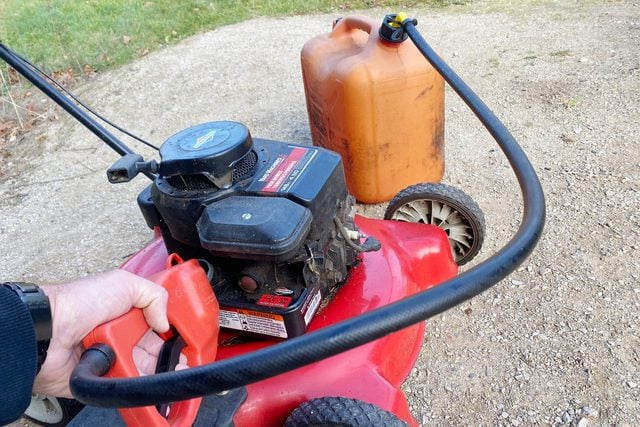
Tools Needed
Removing gas from a lawn mower is a simple task. But having the right tools makes it easier and safer. This section covers essential and optional tools for the job.
Essential Tools
To remove gas from your lawn mower, you need a few key items. These tools ensure the process is smooth and safe.
- Siphon Pump: This tool helps transfer gas from the tank to a container.
- Gas Container: Use a certified container to store the gasoline. It prevents spills and contamination.
- Rags: Keep rags handy to clean any spills. Safety first.
- Gloves: Protect your hands from gas and dirt with a good pair of gloves.
- Screwdriver: Some mowers need a screwdriver to open the tank or remove parts.
Optional Tools
While the essential tools cover the basics, a few optional tools can make the job easier. Consider these for a smoother experience.
- Funnel: A funnel can help direct the gas into the container. It reduces the risk of spills.
- Fuel Stabilizer: If storing gas for a long time, use a fuel stabilizer. It keeps the gas fresh.
- Eye Protection: Wearing eye protection can shield you from accidental splashes.
- Hand Pump: A hand pump can be used instead of a siphon pump. It offers more control.
Preparation
Removing gas from a lawn mower requires careful preparation. Proper preparation ensures the process is safe and effective. This section covers the essential steps to prepare for this task.
Choosing The Right Location
Always choose an open and ventilated area for this task. Avoid enclosed spaces. Gasoline fumes are dangerous and can cause health issues.
A driveway or a garage with the door open works well. Ensure there are no sparks or flames nearby. Safety first.
Wearing Protective Gear
Wearing the right protective gear is crucial. Protect yourself from potential spills and fumes.
Here’s a list of essential gear:
- Gloves: Use sturdy gloves to protect your hands from gas and sharp parts.
- Safety Glasses: Protect your eyes from splashes.
- Long Sleeves: Wear long sleeves to cover your skin.
With the right gear, you can safely remove gas from your lawn mower.
Draining Gas From The Tank
Draining gas from the tank is an essential task for lawn mower maintenance. Over time, old gas can cause problems like clogging the carburetor or making the engine hard to start. Removing old gas ensures your lawn mower runs smoothly.
Locating The Fuel Tank
First, find the fuel tank on your lawn mower. It is usually near the engine. Look for a small, metal or plastic tank with a cap. The fuel tank often has a fuel line connected to the carburetor.
Make sure the lawn mower is on a flat surface. This prevents spills. Before starting, let the engine cool down completely. Hot engines can ignite gas fumes.
Using A Siphon Pump
A siphon pump is a handy tool for draining gas. It makes the process quick and easy. Insert the siphon pump’s intake hose into the fuel tank. The other end goes into a gas container.
Pump the siphon to start the flow of gas. The gas will move from the tank into the container. Make sure to empty the tank completely. Dispose of old gas safely at a recycling center.
After draining the tank, inspect the fuel lines. Check for any signs of wear or damage. Replace any parts if necessary. Your lawn mower is now ready for fresh fuel.

Removing Gas From The Carburetor
Removing gas from the carburetor is an essential maintenance task. This process ensures your lawn mower runs smoothly and efficiently. It helps prevent clogs and keeps your engine in top condition.
Identifying The Carburetor
Locate the carburetor on your lawn mower. It is usually near the air filter. It is a small, box-like component with a bowl at the bottom. If unsure, refer to your mower’s manual for guidance.
Draining The Carburetor Bowl
First, place a container under the carburetor bowl. This will catch the draining gas. Find the bolt at the bottom of the bowl. Use a wrench to loosen and remove the bolt. Allow the gas to drain completely into the container.
Check for any debris or dirt in the gas. If you see any, clean the bowl thoroughly. Once the gas is drained, reattach the bolt securely. Ensure there are no leaks.
Your carburetor is now free of old gas. This helps keep your lawn mower in good working order. Regular maintenance like this can extend the life of your equipment.
Cleaning The Fuel System
Removing gas from your lawn mower is crucial for maintenance. Cleaning the fuel system ensures your mower runs smoothly. It prevents clogs and keeps the engine healthy. Follow these steps to clean the fuel system effectively.
Cleaning The Fuel Lines
First, locate the fuel lines. These are the tubes that carry gas to the engine. Disconnect them carefully using pliers. Drain any remaining fuel into a container. Inspect the lines for damage or blockages. Use compressed air to clean the lines. Blow through them until all debris is removed. Reattach the lines securely.
Replacing The Fuel Filter
Next, focus on the fuel filter. This part traps impurities from the gas. Locate the filter in the fuel line. Remove it by loosening the clamps. Dispose of the old filter properly. Install a new filter in the same position. Ensure it is facing the correct direction. Tighten the clamps to secure it in place.
Disposing Of Old Gas
Disposing of old gas from your lawn mower is important. It keeps your mower running smoothly and protects the environment. Let’s look at the best ways to dispose of old gas and what local regulations may apply.
Proper Disposal Methods
Never pour old gas down the drain or on the ground. It harms the environment and is illegal. Instead, use a certified hazardous waste disposal facility. Many auto shops and recycling centers accept old gas. Ensure the gas is in a sealed, approved container.
Another option is to mix the old gas with fresh gas. Dilute the old gas with at least half fresh gas. Use this mixed gas in older equipment, like lawn mowers or trimmers. This method works if the old gas is not too degraded.
Local Regulations
Check your local regulations before disposing of old gas. Some areas have specific rules on how to handle hazardous waste. These rules ensure safe and environmentally friendly disposal. Visit your local government website for information.
Some municipalities offer special collection days for hazardous waste. These events allow you to dispose of old gas safely. Contact your local waste management office for details.
Storing The Lawn Mower
Properly storing your lawn mower is crucial for its longevity. It helps in preventing issues and maintaining its performance. Storing it correctly involves a few simple steps. This ensures that your lawn mower remains in good condition, especially during the winter months.
Emptying The Fuel Tank
Emptying the fuel tank is an important step. It prevents stale fuel from damaging the engine. Follow these steps to empty the fuel tank:
- Turn off the mower and let it cool.
- Locate the fuel valve and turn it off.
- Use a siphon pump to remove the fuel.
- Place the fuel in a safe container for disposal or use it elsewhere.
Never store your lawn mower with fuel in the tank. This can lead to clogged fuel lines and corrosion.
Winterizing Tips
Winterizing your lawn mower is essential for its maintenance. Here are some tips to prepare your mower for winter storage:
- Clean the mower: Remove grass and debris from the blades and underside.
- Change the oil: Fresh oil keeps the engine parts lubricated and prevents rust.
- Remove the spark plug: This avoids accidental starts and allows for safe maintenance.
- Check the air filter: Clean or replace it to ensure proper airflow.
- Store in a dry place: Keep the mower in a garage or shed to protect it from moisture.
Following these steps ensures that your lawn mower is ready to use when the next mowing season arrives. Proper storage and maintenance extend the life of your lawn mower, saving you money and effort in the long run.

Frequently Asked Questions
How Do You Drain Gas From A Lawn Mower?
To drain gas, locate the fuel valve. Turn it off, then use a siphon pump to transfer fuel into a container.
Can You Leave Gas In A Lawn Mower Over Winter?
No, it’s best to remove gas before winter. Old gas can cause starting issues and damage engine parts.
What Tools Are Needed To Remove Gas From A Lawn Mower?
You’ll need a siphon pump, a fuel container, and possibly a wrench to remove the fuel line if necessary.
Why Is It Important To Remove Gas From A Lawn Mower?
Removing gas prevents engine damage from old fuel. It ensures easier starting and better performance when you use the mower again.
Conclusion
Emptying your lawn mower’s gas is crucial for maintenance. This task is easy and quick. Follow the steps to avoid engine issues. Always work in a well-ventilated area. Use appropriate tools for safety. Proper gas removal extends your mower’s life.
Keep your lawn equipment in top shape. Regular maintenance saves time and money. Happy mowing!
