
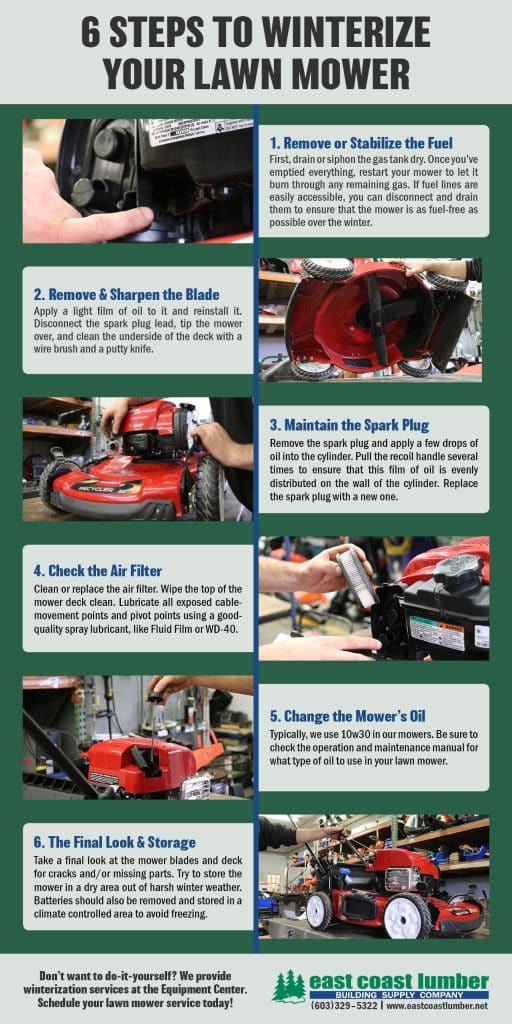
Removing a spark plug from a lawn mower is a simple task. It can save you time and money.
A lawn mower’s spark plug is a vital part of its engine. Over time, it can get dirty or worn out. Knowing how to remove it is essential for maintenance. This guide will help you with easy steps. You’ll learn how to safely and efficiently remove the spark plug.
Whether you’re a beginner or experienced, these instructions will make the process clear and straightforward. Let’s dive in and get your lawn mower running smoothly again.
Tools And Materials Needed
Removing a spark plug from a lawn mower is a simple task. But you need the right tools and materials. This section will guide you through what you need.
Essential Tools
First, gather your essential tools. You will need a spark plug socket. This tool fits the spark plug perfectly. You will also need a socket wrench. The wrench helps you turn the socket. A gap gauge is also necessary. It measures the gap in the spark plug. A wire brush is useful too. It cleans the spark plug.
Safety Gear
Safety gear is very important. Always wear safety gloves. They protect your hands. Safety glasses are a must. They protect your eyes from debris. A dust mask can be useful too. It helps you avoid inhaling dust.
Preparing The Lawn Mower
Before you start removing the spark plug from your lawn mower, it’s important to prepare the machine properly. This will ensure your safety and protect the mower from damage. Follow these steps to get your lawn mower ready.
Turning Off The Engine
First, make sure the lawn mower engine is off. This is crucial for your safety. Never work on a running engine. Turn the ignition switch to the “off” position. Remove the key if your mower has one. Wait for the engine to cool down if it was running. A hot engine can cause burns.
Disconnecting The Spark Plug Wire
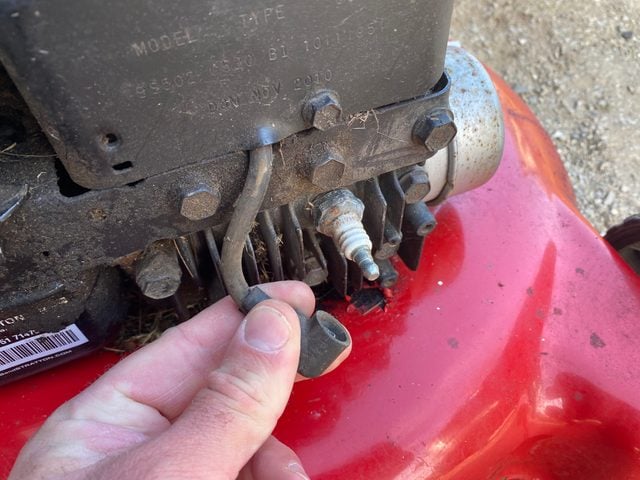
Next, disconnect the spark plug wire. This step is vital to prevent accidental starts. Find the spark plug wire connected to the spark plug. It’s usually a thick, black wire. Grip the boot at the end of the wire. Do not pull on the wire itself. Gently twist and pull the boot off the spark plug. This will ensure that the engine cannot start while you work.
Locating The Spark Plug
Maintaining your lawn mower is essential for its longevity. A key part of this is removing and checking the spark plug. First, you need to find the spark plug. This guide will help you locate the spark plug easily.
Identifying The Spark Plug Location
Identifying the spark plug location on your lawn mower is straightforward. Look for a thick black wire. This wire connects to the spark plug. The spark plug is often found on the front or side of the engine. It’s typically housed in a small metal cylinder. See the table below for common places to find the spark plug.
| Lawn Mower Type | Common Spark Plug Location |
|---|---|
| Push Mower | Front of the engine |
| Riding Mower | Side of the engine |
Clearing Debris Around The Spark Plug
After locating the spark plug, the next step is clearing debris around it. This ensures no dirt enters the engine. Use a brush to remove loose grass and dirt. A clean workspace helps you avoid complications later. You can also use a small vacuum to clear stubborn debris. Keeping the area clean makes the removal process smoother.

Removing The Spark Plug
Removing the spark plug from a lawn mower is simple. Follow these steps carefully. Ensure your lawn mower is turned off. Gather the needed tools. This guide will help you through the process.
Using A Spark Plug Wrench
A spark plug wrench is essential. It fits the spark plug snugly. Here’s what you need to do:
- Locate the spark plug on the engine.
- Ensure the engine is cool to prevent burns.
- Remove the spark plug wire by pulling it off gently.
- Place the spark plug wrench over the spark plug.
- Turn the wrench counterclockwise to loosen the spark plug.
Extracting The Spark Plug
Now, it’s time to extract the spark plug. Follow these steps:
- Once loose, finish unscrewing the spark plug by hand.
- Carefully pull the spark plug out of the engine.
- Inspect the spark plug for wear or damage.
That’s it! You’ve successfully removed the spark plug. Remember to handle all parts gently. This ensures no damage to the engine. Now, you can replace or clean the spark plug as needed.
Inspecting The Spark Plug
Inspecting the spark plug of your lawn mower is a crucial step. This helps ensure your mower runs smoothly. A faulty spark plug can cause starting problems and poor engine performance. Let’s dive into the details of how to inspect it effectively.
Checking For Wear And Damage
The first step is to check for any visible signs of wear and damage. Remove the spark plug from the engine. Look closely at the electrode at the tip of the spark plug. If it appears burnt, eroded, or has a buildup of deposits, it might need replacing.
| Sign of Wear | What to Look For |
|---|---|
| Burnt Electrode | Dark, charred appearance |
| Erosion | Worn down tip |
| Deposits | Carbon buildup |
If you notice any of these issues, it might be time to replace the spark plug. A new spark plug can improve the performance of your lawn mower.
Cleaning The Spark Plug
Sometimes, a spark plug may just need a good cleaning. Use a wire brush to remove any deposits or dirt from the spark plug. Be gentle to avoid damaging the electrode.
- Use a wire brush to scrub off debris.
- Check the gap with a spark plug gauge.
- Adjust the gap if necessary.
After cleaning, the spark plug should look much better. Reinstall it carefully back into the lawn mower. This simple maintenance can extend the life of your spark plug.
Regular inspection and cleaning of the spark plug can save you from potential issues. A well-maintained spark plug ensures your lawn mower runs efficiently.
Installing A New Spark Plug
Installing a new spark plug in your lawn mower is a vital step. It ensures your machine runs smoothly. Follow these simple steps to get the job done.
Choosing The Right Spark Plug
First, check your lawn mower’s manual. It will specify the correct spark plug type. You can also ask for help at your local hardware store. Using the wrong plug can cause issues. Make sure it matches your mower’s requirements.
Properly Seating The Spark Plug
Next, thread the new spark plug by hand. This avoids cross-threading. Turn it clockwise until snug. Do not over-tighten it. Use a spark plug wrench to give it a final quarter turn. This ensures it is properly seated.
Finally, reconnect the spark plug wire. Make sure it clicks into place. This ensures a good connection. Your lawn mower is now ready to go!
Reconnecting The Spark Plug Wire
Disconnect the spark plug wire before removing it from your lawn mower. This ensures safety and prevents accidental starting. Use a socket wrench to carefully unscrew the spark plug.
Reconnecting the spark plug wire is a crucial step. It ensures your lawn mower functions correctly. Failing to reconnect properly can cause performance issues. Follow these steps to get it right.Ensuring A Secure Connection
First, locate the spark plug wire. It’s usually a thick wire with a rubber boot. Grasp the boot, not the wire. Push the boot onto the spark plug. Ensure it fits snugly. A loose connection can cause problems. Check if the boot is secure. Try gently pulling it. It should not come off easily. If it does, push it back firmly. A secure connection ensures a smooth start.Testing The Lawn Mower
After securing the spark plug wire, test the lawn mower. Move it to a safe area. Make sure there are no obstructions. Pull the starter cord. Listen for the engine’s sound. A smooth start indicates a good connection. If the engine struggles, recheck the spark plug wire. Ensure it’s tight and secure. Run the lawn mower for a few minutes. Observe its performance. If it runs smoothly, you did it right. A good test ensures the lawn mower is ready for use. “`Maintaining Your Lawn Mower
Keeping your lawn mower in good condition is essential for a well-kept lawn. One key aspect of this is maintaining the spark plug. A well-functioning spark plug ensures that your mower starts easily and runs smoothly. Here, we will go through some tips for regular inspection and how to know when it’s time to replace the spark plug.
Regular Inspection Tips
Regular inspection of your lawn mower is crucial. Below are some tips to help you keep your mower in top shape.
- Check the oil level: Ensure the oil is at the correct level to prevent engine damage.
- Clean the air filter: A clean air filter improves engine performance.
- Inspect the blades: Sharp blades cut the grass better and reduce strain on the engine.
- Examine the spark plug: Look for signs of wear or carbon buildup.
When To Replace The Spark Plug
Knowing when to replace the spark plug is vital. Here are some signs that indicate it’s time for a replacement.
- Difficulty starting: If the mower struggles to start, the spark plug may be worn out.
- Poor engine performance: A faulty spark plug can cause the engine to run roughly.
- Visible damage: Cracks or heavy carbon buildup on the spark plug means it needs replacing.
By following these tips, you can ensure your lawn mower remains in excellent condition. Regular maintenance not only prolongs the life of your mower but also ensures your lawn looks its best.

Frequently Asked Questions
How Do I Remove A Spark Plug From A Lawn Mower?
First, disconnect the spark plug wire. Use a spark plug socket to loosen and remove the plug. Be cautious.
What Tools Do I Need To Remove A Spark Plug?
You need a spark plug socket, ratchet, and possibly a socket extension. Always ensure you have the correct size.
Can I Remove A Spark Plug Without A Socket?
It’s challenging without a socket. Improvising can damage the plug or engine. Use the proper tool for safety.
How Often Should I Replace My Lawn Mower’s Spark Plug?
Replace the spark plug every season or after 25 hours of use. This ensures optimal engine performance.
Conclusion
Removing a spark plug from a lawn mower is simple. Follow these steps carefully. Always ensure the mower is turned off. Safety first. Gather your tools and get to work. Loosen the plug and remove it gently. Inspect and replace if needed.
Regular maintenance keeps your mower running smoothly. A clean spark plug means a healthy engine. Save money on repairs. Keep your lawn looking great. Now, you can confidently handle this task yourself. Happy mowing!
