

Operating a snow blower might seem tricky at first. But with guidance, it becomes easy.
A snow blower is a powerful tool to clear snow quickly. Knowing how to use it safely and efficiently saves time and effort. Winter brings beauty but also snow-covered driveways and walkways. Shoveling snow can be exhausting and time-consuming. A snow blower is a great solution.
It can make the task much easier and faster. But, like any machine, it requires understanding and care. This guide will help you learn how to operate a snow blower. You will find tips on starting, using, and maintaining your snow blower. Let’s get started and make your winter chores a breeze!
Choosing The Right Snow Blower
Selecting the perfect snow blower can save you time and effort during winter. The right machine will clear snow efficiently and make your life easier. Before purchasing, consider the type, size, and power needed for your snow clearing tasks.
Types Of Snow Blowers
There are three main types of snow blowers: single-stage, two-stage, and three-stage.
- Single-Stage Snow Blower: Ideal for light snowfall and small areas. It’s lightweight and easy to maneuver.
- Two-Stage Snow Blower: Suitable for moderate to heavy snowfall. It has an auger and an impeller to throw snow farther.
- Three-Stage Snow Blower: Designed for heavy, wet snow and large areas. It has an accelerator that speeds up snow removal.
Size And Power Considerations
The size and power of your snow blower are critical factors. They determine how well it can handle different snow conditions.
Consider the following when choosing size and power:
| Consideration | Recommendation |
|---|---|
| Clearing Width | For small driveways, 20-24 inches is enough. For larger areas, look for 28 inches or more. |
| Engine Power | Measured in horsepower (HP) or cubic centimeters (cc). More power means better performance in heavy snow. |
| Electric vs. Gas | Electric snow blowers are quieter and require less maintenance. Gas-powered models are more powerful and better for large areas. |
For the best results, match your snow blower to your typical winter conditions and property size. This ensures efficient and hassle-free snow removal.

Preparing For Snow Blowing
Winter brings snow. A snow blower helps clear your driveway. But before you start, you need to prepare. This involves getting the right safety gear and completing a pre-operation checklist. Proper preparation ensures safe and effective snow blowing.
Safety Gear
Safety is the most important part. Wear the right gear to protect yourself. Here is what you need:
- Gloves: Keep your hands warm and safe.
- Goggles: Protect your eyes from flying debris.
- Boots: Wear non-slip boots for good footing.
- Hearing Protection: Snow blowers can be loud.
Pre-operation Checklist
Before starting, check your snow blower. Ensure it is ready to go. Here is a simple checklist:
- Fuel: Fill the tank with fresh fuel.
- Oil Level: Check and top up if needed.
- Tires: Ensure they are inflated properly.
- Chute Direction: Adjust the chute to point away from people or buildings.
- Controls: Make sure all controls are working.
Completing these steps ensures your snow blower is safe and ready for use. Taking the time to prepare is always worth it.
Starting Your Snow Blower
Starting your snow blower can seem tricky, especially on cold mornings. This guide simplifies the process, making it easy and quick. Ensure you follow each step to avoid mishaps. Your snow blower will be ready to tackle the snow in no time.
Fuel And Oil Check
Before starting, always check the fuel and oil levels. This prevents engine damage and ensures smooth operation.
- Fuel Level: Open the fuel tank and check if it’s full. If not, fill it with the recommended fuel type.
- Oil Level: Locate the oil dipstick, remove it, and wipe it clean. Insert it back and remove it to check the oil level. It should be between the minimum and maximum marks.
Ignition Process
Next, focus on the ignition process. This step ensures your snow blower starts correctly.
- Set the Choke: If your snow blower has a choke, set it to the “full” or “start” position.
- Prime the Engine: Press the primer bulb 3-5 times to inject fuel into the engine.
- Turn the Key: Insert the key into the ignition slot and turn it to the “on” position.
- Pull the Starter Rope: Hold the handle firmly and pull the starter rope quickly. Repeat until the engine starts.
- Adjust the Choke: Once the engine is running smoothly, gradually move the choke to the “run” position.
Follow these steps to get your snow blower running efficiently. Regular checks and proper starting techniques extend the life of your machine.
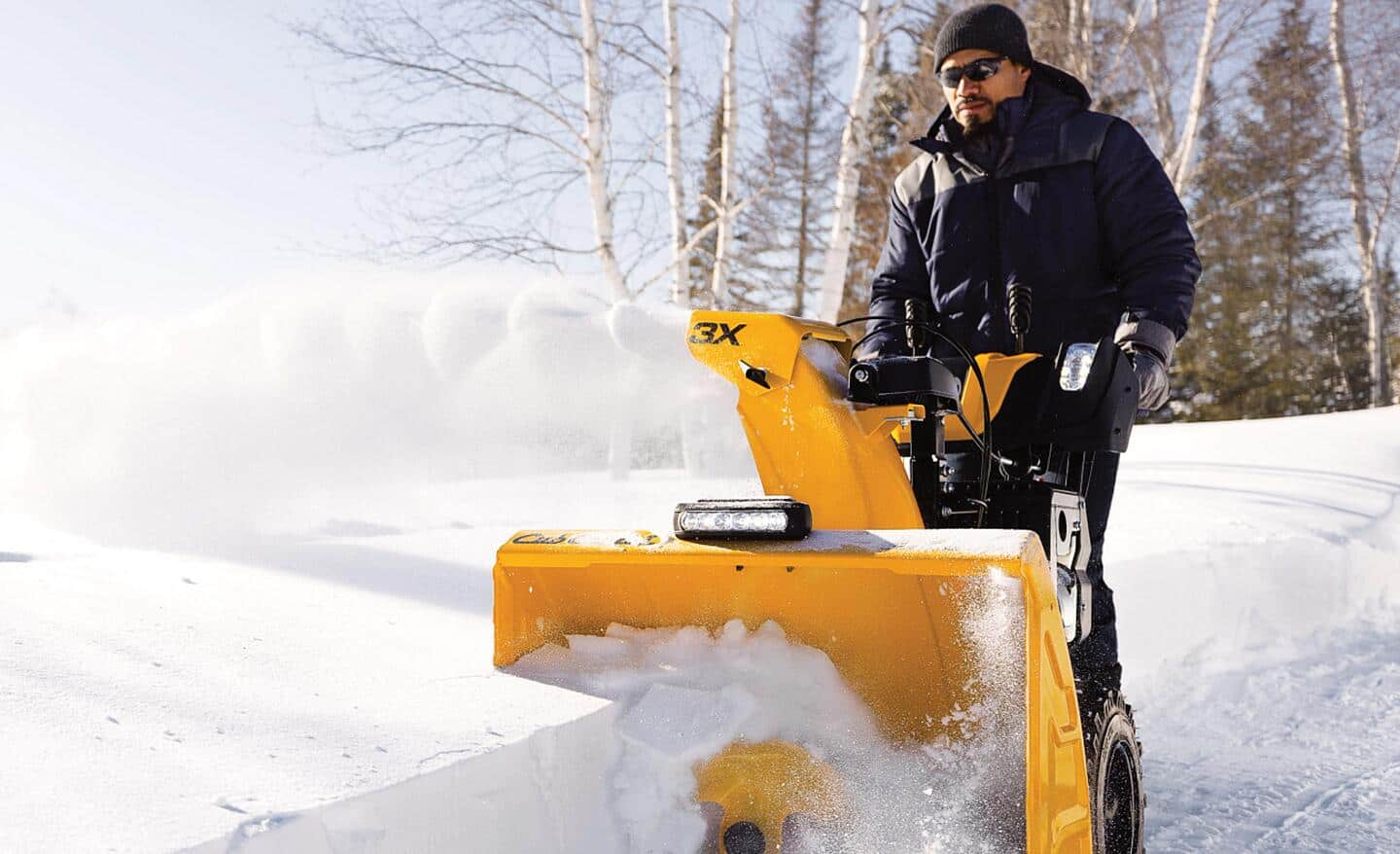
Clearing Snow Efficiently
Clearing snow efficiently ensures you save time and energy while keeping your driveway and walkways safe. Operating a snow blower properly can make the process smoother and less strenuous. By following a few techniques, you can clear snow more effectively.
Snow Blowing Techniques
First, start your snow blower on a flat surface. Let it warm up for a few minutes. Begin by clearing snow in straight lines. Overlap each pass slightly to avoid missing spots. If the snow is deep, take partial-width passes. This reduces strain on the machine. Adjust the chute to blow snow downwind. This prevents snow from blowing back onto cleared areas.
Avoiding Common Obstacles
Check the area for hidden objects before you start. Remove rocks, branches, and other debris. These can damage your snow blower. Be aware of uneven surfaces. Avoid pushing the snow blower too fast. This can cause it to jam. Keep an eye on the snow discharge chute. If it gets clogged, turn off the machine before clearing it. Never use your hands to remove clogs. Use a stick or tool instead.
Dealing With Heavy Snow
Heavy snow can be challenging to clear with a snow blower. But with the right techniques, you can handle it efficiently. This section will guide you through the process of dealing with heavy snow.
Adjusting Speed
Slow down your snow blower when dealing with heavy snow. This helps the machine cut through the snow effectively. High speed can clog the machine. So, patience is key.
Using The Chute Effectively
Point the chute in the direction you want the snow to go. Keep the chute clean to prevent blockages. Adjust the angle to control how far the snow is thrown. A lower angle is better for heavy snow.
Maintenance And Care
Operating a snow blower efficiently requires regular maintenance and care. Proper maintenance ensures a longer lifespan. It also keeps your snow blower working smoothly. Below are some essential tips to maintain and care for your snow blower.
Regular Cleaning
Clean your snow blower after each use. Remove any snow and debris from the machine. Pay special attention to the auger and chute areas. Use a brush to clear out any stuck snow. Make sure the machine is dry before storing it. This prevents rust and other damage.
Storage Tips
Store your snow blower in a dry, sheltered place. Avoid areas with high humidity. Before storing, drain any leftover fuel from the tank. This prevents gum deposits that clog the carburetor. Also, check the tires and make sure they are properly inflated. Cover the machine with a protective cover to keep dust away.
Troubleshooting Common Issues
Operating a snow blower can be a breeze once you get the hang of it. But sometimes, issues arise. Knowing how to troubleshoot common problems can save you time and frustration. Here, we will explore some frequent issues and how to handle them.
Engine Problems
The engine is the heart of your snow blower. If the engine won’t start, check the fuel tank. Ensure there’s fresh fuel. Old fuel can cause trouble. Also, check the spark plug. A dirty or damaged spark plug can prevent starting. Clean or replace it if needed.
If the engine runs but stalls, the carburetor might be clogged. Clean it using carburetor cleaner. You can find it at most hardware stores. Another issue could be the air filter. A dirty air filter restricts airflow. Replace or clean it to improve performance.
Clogged Chute Solutions
A clogged chute can halt your snow clearing efforts. Turn off the snow blower before attempting to clear a clog. Use a clearing tool or stick to remove the blockage. Never use your hands. This is for your safety.
To prevent clogs, spray the chute with a non-stick spray. This helps the snow slide through more easily. Also, avoid overloading the machine. Work at a steady pace to keep the chute clear.
Regular maintenance can prevent many issues. Keep your snow blower in good condition for smooth operation all winter.
Safety Tips
Learn how to operate a snow blower safely. Always wear protective gear. Keep hands and feet away from moving parts.
Operating a snow blower requires careful attention to safety. These machines can be dangerous if not used properly. Following safety tips can prevent accidents and injuries. Always prioritize safety.Operating Near People
Keep a safe distance from others. Snow blowers can throw debris. This can cause injuries. Ensure children and pets are indoors. Do not let anyone stand in front of the machine. Always check the area for obstacles. Remove potential hazards before starting. Stay alert at all times.Avoiding Overexertion
Using a snow blower can be tiring. Avoid overexertion by taking breaks. Dress warmly to prevent hypothermia. Wear layers and waterproof gear. Listen to your body’s signals. If you feel tired, stop and rest. Stay hydrated and avoid heavy meals before use. Maintain a steady pace. Do not rush the job. Following these tips can ensure safe operation. Prioritize safety to avoid accidents. Happy snow blowing! “`
Frequently Asked Questions
How Do I Start A Snow Blower?
To start a snow blower, first, check the fuel and oil levels. Then, turn the choke on, prime the engine, and pull the starter cord. Once the engine starts, gradually turn off the choke.
What Safety Precautions Should I Follow?
Always wear protective gear, clear the area of obstacles, and never touch moving parts. Ensure the snow blower is off before clearing jams. Read the manual for specific safety instructions.
How Do I Maintain My Snow Blower?
Regularly check and change the oil, inspect and replace spark plugs, and clean the machine after use. Store it in a dry place and follow the maintenance schedule in the manual.
Can I Use A Snow Blower On Gravel?
Yes, but adjust the skid shoes to raise the auger. This prevents picking up gravel. Go slow to avoid damage and ensure safety.
Conclusion
Operating a snow blower can be simple with the right knowledge. Follow the steps. Ensure safety measures are in place. Maintain your snow blower regularly. Clear snow efficiently and quickly. A snow-free path is just a few steps away. Enjoy the ease of winter maintenance.
Stay safe and warm. Happy snow blowing!

