

To get gas out of a lawn mower, you need to follow a few simple steps. This process involves safety measures and proper handling of the equipment.
Draining gas from your lawn mower is an essential task for maintenance or preparation for storage. If gas sits in your mower over winter, it can cause issues. Old gas can clog the carburetor, leading to poor performance. Safely removing gas prevents these problems and prolongs the mower’s lifespan.
This guide will walk you through the steps needed to safely and efficiently get gas out of your lawn mower. Following these steps ensures your mower stays in good shape and ready for use when needed. Let’s start with the basic tools and steps required.
Preparation
Before you start the process of getting gas out of your lawn mower, it’s crucial to prepare properly. This ensures the task is done safely and efficiently. In this section, we will cover the essential steps you need to take before you begin.
Gather Tools
First, gather all the necessary tools. Having everything ready will save you time and effort.
- Fuel container – to collect the gasoline
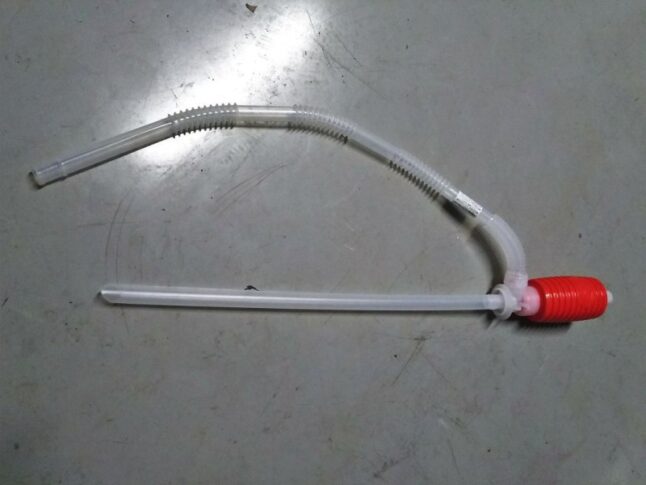
- Siphon pump – for easy removal of gas
- Rags or paper towels – to clean up any spills
- Gloves – to protect your hands
Make sure the fuel container is approved for gasoline storage. Using the correct tools will make the job easier and safer.
Ensure Safety
Your safety is the most important part of this task. Follow these steps to ensure you stay safe.
- Work in a well-ventilated area. Gasoline fumes are harmful.
- Wear protective gloves to avoid skin contact with gas.
- Keep fire extinguishers nearby. Gasoline is highly flammable.
- Ensure the lawn mower is turned off and cool before starting.
By following these safety measures, you reduce the risk of accidents.
With your tools gathered and safety measures in place, you’re now ready to start getting gas out of your lawn mower. Proper preparation is key to a smooth process.
Locate The Fuel Line
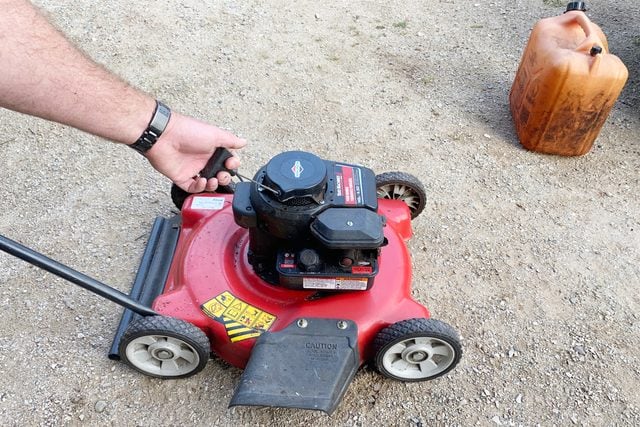
Draining gas from your lawn mower involves several steps. One of the first is locating the fuel line. This can seem tricky at first. But with some guidance, you can do it easily. The fuel line connects the gas tank to the carburetor. This line carries fuel to keep your mower running. Now, let’s break down the process.
Identify Fuel Line
First, identify the fuel line on your lawn mower. Look for a rubber or plastic tube. It usually runs from the gas tank to the engine. The fuel line is often black or clear. It may also have a clip or clamp at each end.
If you’re unsure, check the mower’s manual. The manual will show you where the fuel line is located. Knowing its exact location helps make the process smoother.
Position Container
After identifying the fuel line, position a container under it. The container will catch the gas as it drains. Choose a container that is clean and free of debris. This will prevent any dirt from contaminating the fuel.
Make sure the container is stable and won’t tip over. A small bucket or gas can works well for this task. Once the container is in place, you’re ready to proceed to the next step.
Drain The Fuel
Draining the fuel from a lawn mower is crucial. Old gas can damage the engine. Follow these steps to drain the fuel safely and effectively.
Disconnect Fuel Line
First, locate the fuel line. It’s usually near the carburetor. Make sure the mower is off and cool before starting. Use pliers to remove the clamp securing the fuel line. Carefully disconnect the fuel line from the carburetor.
Let Fuel Flow
Place a container below the fuel line. This will catch the gas. Let the fuel flow into the container. If the gas doesn’t flow, check for a blockage. Remove any debris that may be preventing the flow.

Use A Siphon Pump
Getting gas out of a lawn mower can be tricky. Using a siphon pump makes the job easier. This tool helps you transfer gas without making a mess. Follow these steps to use a siphon pump effectively.
Insert Siphon Tube
First, find the gas tank on your lawn mower. Open the gas cap. Next, take the siphon pump and insert the tube into the gas tank. Make sure the tube reaches the bottom of the tank. This ensures you can get all the gas out.
Pump Out Gas
Now, place the other end of the tube into a gas can. Start pumping the siphon pump. This creates suction and draws gas from the tank. Keep pumping until the tank is empty. Be careful to avoid spills.
Remove Fuel From Carburetor
Removing fuel from the carburetor of your lawn mower is essential for maintenance. This step ensures your machine runs smoothly and lasts longer. It is a simple process, but requires attention to detail. Follow these steps to safely remove fuel from the carburetor.
Locate Carburetor
First, you need to find the carburetor. It is usually near the air filter. Look for a small, metal part with tubes connected to it. This is the carburetor. Make sure your lawn mower is on a flat surface before proceeding.
Drain Fuel Bowl
Next, you need to drain the fuel bowl. The fuel bowl is at the bottom of the carburetor. It holds the fuel before it goes into the engine. Look for a small screw or bolt at the bottom. This is the drain plug.
Place a container under the fuel bowl. This will catch the fuel as it drains out. Carefully unscrew the drain plug. Allow the fuel to flow into the container. Tighten the drain plug once the fuel stops flowing.
Now, you have successfully removed fuel from the carburetor. This will help keep your lawn mower in good condition. Always perform this task in a well-ventilated area. Dispose of the drained fuel safely.
Dispose Of Old Fuel
Proper disposal of old fuel is crucial for safety and environmental reasons. Keeping stale gas in your lawn mower can cause damage. Here’s how to safely dispose of it.
Store In Safe Container
First, transfer the old fuel into a safe container. Use a clean, approved gas can for this task. Ensure the container is clearly labeled as containing old fuel.
- Use a funnel to avoid spills.
- Tightly seal the container.
- Store the container in a cool, dry place.
Avoid using containers not meant for fuel storage. This helps prevent leaks and accidents.
Follow Local Disposal Rules
Every area has its own rules for fuel disposal. Check with your local waste management or environmental agency.
- Find your local hazardous waste disposal center.
- Contact them for specific instructions.
- Follow their guidelines strictly.
Some areas have special days for hazardous waste collection. Be sure to note these dates.
Improper disposal can harm the environment. Always follow the proper steps to ensure safety.
Clean Up
After removing the gas from your lawn mower, the next crucial step is the clean up. This ensures your mower stays in top condition. Proper cleanup also prevents future leaks and damage. Follow these steps to complete the process:
Reconnect Fuel Line
First, locate the fuel line that you disconnected earlier. Carefully reconnect it to the fuel tank. Ensure it is securely attached. A loose connection can cause leaks. Double-check the connection points. They should be tight but not overly tightened.
Check For Leaks
Next, it’s essential to check for any leaks. Turn on the fuel valve and observe the connection points. Look for any signs of leaking fuel. If you see any, tighten the connections again. Use a cloth to wipe away excess fuel. This helps identify new leaks. If leaks persist, consider replacing the fuel line. A small investment can save you from bigger problems later.
| Step | Description |
|---|---|
| Reconnect Fuel Line | Securely attach the fuel line to the fuel tank. |
| Check for Leaks | Turn on the fuel valve and look for leaks. |
By following these steps, you can ensure your lawn mower is safe and ready for use. Regular maintenance and thorough cleanup extend the life of your equipment. Happy mowing!
Maintenance Tips
Maintaining your lawn mower is essential for its longevity and performance. A crucial part of this maintenance is ensuring that you properly manage the fuel. Regular checks and proper storage can prevent many common issues.
Regular Fuel Checks
Check the fuel level before each use. This will help you avoid running out of gas mid-mow. Inspect the fuel tank for any signs of leakage. Addressing leaks early can prevent bigger problems. Always use fresh gasoline. Old gas can cause the engine to sputter or fail to start.
Proper Storage
Store your lawn mower in a cool, dry place. This prevents fuel from evaporating or degrading. Use a fuel stabilizer if you plan to store the mower for an extended period. This keeps the gas fresh and prevents gum deposits. Empty the fuel tank before winter storage. This prevents the gas from going stale and causing engine issues.
Frequently Asked Questions
How Do You Drain Gas From A Lawn Mower?
To drain gas from a lawn mower, use a siphon pump. Place one end in the tank and the other in a gas-safe container. Pump until the tank is empty. Alternatively, you can tilt the mower and pour the gas out carefully.
Can I Store My Lawn Mower With Gas?
It is not recommended to store a lawn mower with gas. Fuel can degrade over time and cause engine problems. Always drain the tank and run the mower until it stops to empty the carburetor.
What Tools Do I Need To Remove Gas?
You need a siphon pump or a turkey baster. Additionally, have a gas-safe container to store the drained fuel. These tools help make the process safe and efficient.
How Often Should I Drain Gas From My Mower?
Drain the gas from your lawn mower before long-term storage. This is especially important before winter. Regularly draining and replacing old gas helps maintain engine performance and longevity.
Conclusion
Emptying gas from a lawn mower is simple if you follow the steps. First, gather the right tools. Next, find a safe place to work. Then, drain the gas carefully. Remember to clean the tank and parts. Always dispose of old gas properly.
This process keeps your mower running well. Regular maintenance can extend its life. Follow these tips, and your lawn mower will stay in great shape. Happy mowing!
