

Getting a lawn mower started can be simple. Follow these steps for success.
Starting a lawn mower might seem daunting, especially for beginners. Whether you have a new machine or an old one, knowing the right steps is crucial. Proper preparation and understanding of your mower’s parts can make the process smooth and hassle-free.
By following these easy tips, you’ll have your lawn mower running in no time. This guide will walk you through each step, ensuring your lawn is perfectly trimmed with minimal effort. Let’s dive into the details and get your lawn mower started efficiently.

Preparing The Mower
Before you start your lawn mower, you need to prepare it. Proper preparation ensures smooth operation. It also extends the life of your machine. Let’s go through the steps to get your mower ready.
Check Fuel Level
First, check the fuel level. Open the fuel tank cap. Look inside the tank. Make sure there is enough fuel. If the tank is low, fill it with fresh gasoline. Use clean, fresh gasoline to avoid engine problems.
Inspect Oil
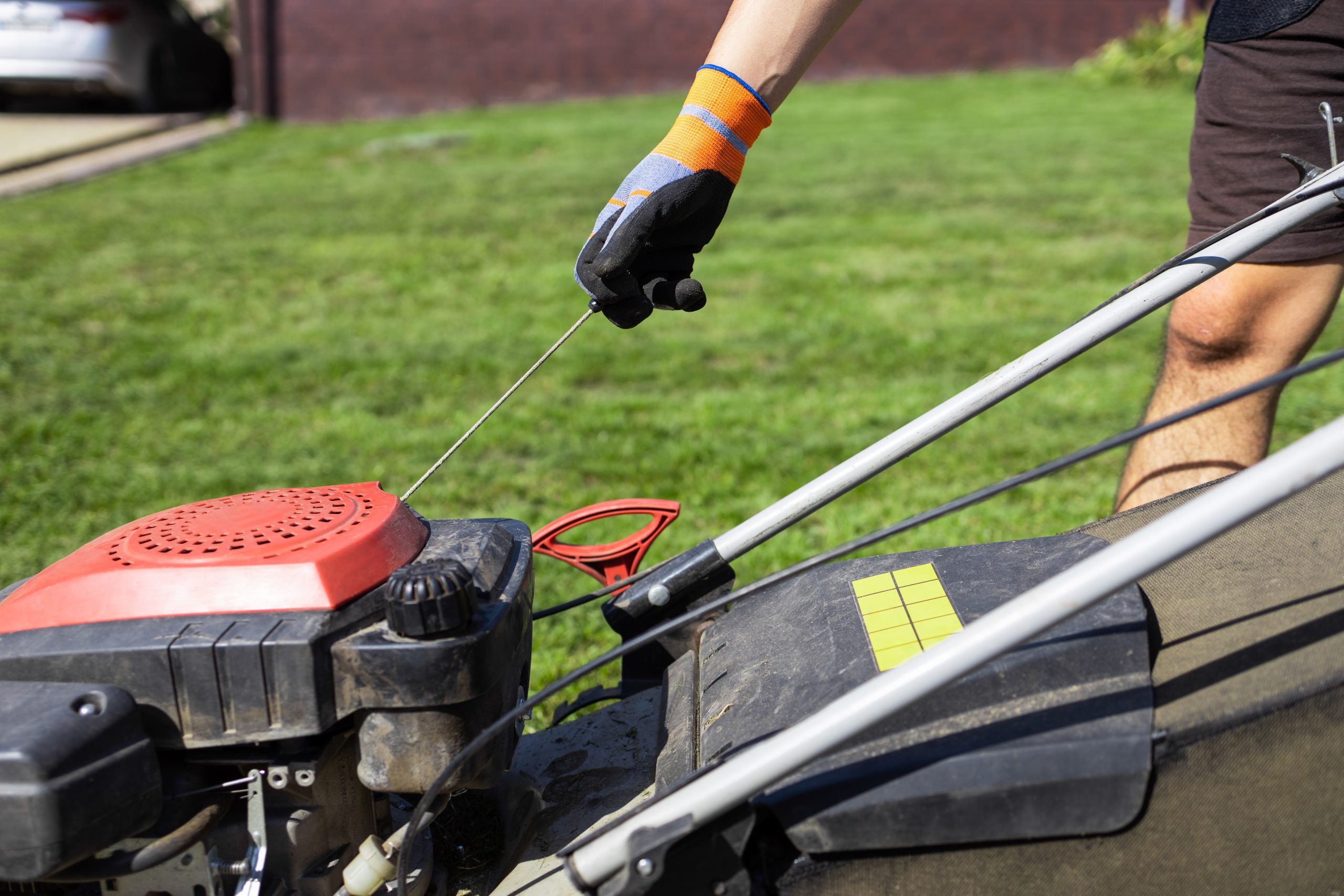
Next, inspect the oil level. Locate the oil cap and dipstick. Remove the dipstick and wipe it clean. Reinsert it fully, then pull it out again. Check the oil level on the dipstick. It should be between the two marks. If the oil is low, add the recommended oil type. Avoid overfilling the oil.
Once the fuel and oil levels are adequate, your mower is ready. Proper preparation makes starting your mower easier. It also helps your mower perform better.
Examining The Spark Plug
Getting your lawn mower started can sometimes be a challenge. One key component to check is the spark plug. A faulty spark plug can prevent your mower from starting. Examining the spark plug is a straightforward task that can make a significant difference.
Remove And Inspect
To remove the spark plug, you need a spark plug wrench. Start by locating the spark plug on your lawn mower. Usually, it is on the side or front of the engine. Carefully disconnect the spark plug wire by pulling it off the plug.
Next, use the wrench to turn the spark plug counterclockwise. Once removed, inspect the spark plug for any signs of damage or wear. Look for cracks, burnt deposits, or a worn electrode. These are indications that the spark plug might need attention.
Clean Or Replace
If the spark plug looks dirty but not damaged, you can clean it. Use a wire brush to remove any carbon buildup or dirt. Make sure to clean the electrode and the threads of the plug. After cleaning, re-inspect the spark plug to ensure it is in good condition.
If the spark plug is damaged or excessively worn, it is best to replace it. Purchase a new spark plug that matches your lawn mower’s specifications. Install the new spark plug by threading it into the engine and tightening it with the wrench. Reconnect the spark plug wire to complete the process.
| Step | Description |
|---|---|
| 1 | Locate the spark plug |
| 2 | Disconnect the spark plug wire |
| 3 | Remove the spark plug |
| 4 | Inspect for damage or wear |
| 5 | Clean or replace the spark plug |
| 6 | Reconnect the spark plug wire |
Inspecting The Air Filter
To ensure your lawn mower starts smoothly, inspect the air filter. A clean air filter allows the engine to breathe well. Dirty filters can cause starting problems. Let’s dive into the steps for inspecting the air filter.
Locate The Filter
The air filter is usually easy to find. It is often on the side of the mower’s engine. Look for a plastic or metal cover. This cover usually has clips or screws. Remove them to access the filter.
Check your mower’s manual if you can’t find it. The manual will have a diagram. This will help you locate the filter quickly.
Clean Or Replace
Once you find the filter, inspect its condition. If it’s slightly dirty, you can clean it. Use a soft brush to remove dirt and debris. A compressed air can also work well. Be gentle to avoid damage.
If the filter is very dirty or damaged, replace it. New filters are inexpensive. They are available at hardware stores. Ensure you get the correct size for your mower.
Here’s a quick table to summarize the steps:
| Step | Action |
|---|---|
| 1 | Locate the filter cover. |
| 2 | Remove clips or screws. |
| 3 | Inspect the filter. |
| 4 | Clean or replace the filter. |
By inspecting and maintaining the air filter, your mower will start better. Keep the filter clean for a smooth-running engine.
Checking The Fuel System
Ensuring your lawn mower starts smoothly involves several steps. One critical step is checking the fuel system. If your lawn mower has fuel system issues, it won’t start. The fuel system includes fuel lines, the fuel quality, and filters. Properly inspecting these components can save you from frustration. Below are some key areas to check:
Inspect Fuel Lines
The fuel lines carry fuel from the tank to the engine. Over time, these lines can wear out or get clogged. Follow these steps to inspect the fuel lines:
- Turn off the lawn mower and let it cool.
- Locate the fuel lines. You can find them running from the fuel tank to the engine.
- Look for cracks, leaks, or blockages.
- If you find any damage, replace the fuel lines immediately.
Maintaining clean and intact fuel lines ensures a smooth fuel flow to the engine.
Check Fuel Quality
Old or contaminated fuel can prevent your lawn mower from starting. Follow these steps to check the fuel quality:
- Remove the fuel cap and inspect the fuel inside the tank.
- Smell the fuel. If it smells sour or stale, it’s time to replace it.
- Pour a small amount of fuel into a clear container.
- Look for any dirt, water, or debris. Clean fuel should be clear.
Using fresh, clean fuel is essential for optimal mower performance. Replace old fuel with fresh fuel every season. This simple step can prevent many starting issues.
Priming The Engine
Starting a lawn mower can be tricky if you don’t know the steps. Priming the engine is crucial for a smooth start. This process involves preparing the engine to receive fuel, ensuring it runs efficiently. Let’s break it down into simple steps.
Locate Primer Bulb
The first step in priming the engine is to locate the primer bulb. The primer bulb is a small, rubber button on the mower. It is usually near the carburetor or on the side of the engine.
To help you find it, refer to your lawn mower’s manual. The manual often includes diagrams showing the location of the primer bulb. If you don’t have the manual, look for a small, round, and rubber part on the engine.
| Steps | Description |
|---|---|
| 1 | Check the engine area near the carburetor. |
| 2 | Look for a small, round, rubber button. |
| 3 | Refer to the manual for exact location. |
Correct Priming Technique
Once you’ve found the primer bulb, the next step is to use the correct priming technique. This ensures the engine gets the right amount of fuel for starting.
Follow these simple steps:
- Press the primer bulb firmly with your thumb.
- Release the bulb to allow fuel to flow.
- Repeat this step 3-5 times.
Be sure not to over-prime. Pressing the primer bulb too many times can flood the engine. If the engine floods, it won’t start.
Remember, a properly primed engine will start more easily. Use these steps to make sure your lawn mower is ready to go.

Starting Procedure
Getting your lawn mower started can seem tricky at first. But with the right steps, it becomes easy. Follow this simple guide to ensure your lawn mower starts smoothly.
Engage Safety Features
Before starting, always check the safety features. Most mowers have a safety lever. Hold it down to keep the mower running. This ensures the mower stops if you release the lever. It prevents accidents and keeps you safe.
Some mowers have a key or button to engage. Insert the key or press the button. This activates the mower’s ignition system. Now, you are ready for the next step.
Pull Starter Cord
Locate the starter cord on your mower. It is usually on the engine’s side. Grab the handle of the cord firmly. Pull the cord quickly and smoothly. This action spins the engine and starts the mower.
If the engine does not start, try again. Sometimes, it takes a few pulls. Make sure the cord retracts fully before each pull. This helps maintain the mower’s internal mechanisms.
Once the engine starts, allow it to run for a minute. This warms up the engine and ensures it runs smoothly. Now, you are ready to mow your lawn with ease.
Troubleshooting Common Issues
Having trouble starting your lawn mower? Don’t worry, many people face this issue. Understanding common problems can save you time and effort. Below are some troubleshooting tips to help get your lawn mower running again.
Engine Won’t Start
First, check the fuel. Make sure there is enough gas in the tank. Old fuel can also cause problems. Replace old fuel with fresh gasoline. Next, inspect the spark plug. A dirty or damaged spark plug may prevent the engine from starting. Clean or replace the spark plug if needed.
Also, check the air filter. A clogged air filter can restrict airflow to the engine. Remove and clean the air filter, or replace it if necessary. Don’t forget to check the oil level. Low oil can cause the engine to fail. Add oil if it’s below the recommended level. Lastly, ensure the battery is charged if you have an electric start mower.
Engine Stalls
If your engine stalls, the fuel might be the issue. Check the fuel lines for blockages. Clear any debris you find. The carburetor can also be a culprit. Dirt or old fuel can clog the carburetor. Clean it or have it serviced.
Another common issue is a dirty air filter. A clogged filter can cause the engine to stall. Clean or replace the air filter regularly. Inspect the spark plug for signs of wear. A faulty spark plug may cause the engine to stall. Replace it if needed.
Finally, check the oil level. Low oil can lead to stalling. Always keep the oil at the recommended level. These simple checks can help keep your lawn mower running smoothly.
Maintaining Your Lawn Mower
Proper maintenance of your lawn mower ensures it runs smoothly every time. Regular upkeep not only extends the life of the machine but also keeps your lawn looking pristine. Let’s dive into some essential maintenance tips.
Regular Cleaning
Cleaning your lawn mower after each use is crucial. Remove grass clippings and dirt from the blades and undercarriage. Use a hose to wash away debris, but avoid spraying the engine directly. A clean mower works more efficiently and prevents rust.
- Wipe the mower with a damp cloth.
- Check and clean the air filter.
- Inspect the blades for any damage.
Seasonal Maintenance
Seasonal maintenance keeps your lawn mower in top shape throughout the year. Follow these steps to ensure your mower is ready for every season.
| Season | Maintenance Tasks |
|---|---|
| Spring |
|
| Summer |
|
| Fall |
|
Remember, consistent maintenance ensures your lawn mower performs at its best. Take care of your equipment, and it will take care of your lawn.
Frequently Asked Questions
How Do I Start A Lawn Mower?
To start a lawn mower, check the fuel and oil levels first. Next, ensure the spark plug is connected. Prime the engine if needed. Finally, pull the starter cord firmly.
Why Won’t My Lawn Mower Start?
Common reasons include empty fuel tank, dirty air filter, or a disconnected spark plug. Check each of these components. If the problem persists, consult the manual or a professional.
How Do I Prime A Lawn Mower?
Locate the primer bulb, usually near the carburetor. Press it three to five times. This action pushes fuel into the engine, making it easier to start.
What Should I Do If The Lawn Mower Floods?
Wait 15-20 minutes to let the fuel evaporate. Check the spark plug and clean it if needed. Try starting it again.
Conclusion
Starting a lawn mower can seem tricky at first. Follow these steps, and you’ll get the hang of it. Regular maintenance helps keep your mower in good shape. Check the fuel, oil, and spark plug. Keep the blades sharp for a clean cut.
If problems persist, consult the user manual or a professional. With practice, starting your lawn mower will become easy. Enjoy a well-kept lawn all season long! Happy mowing!
