
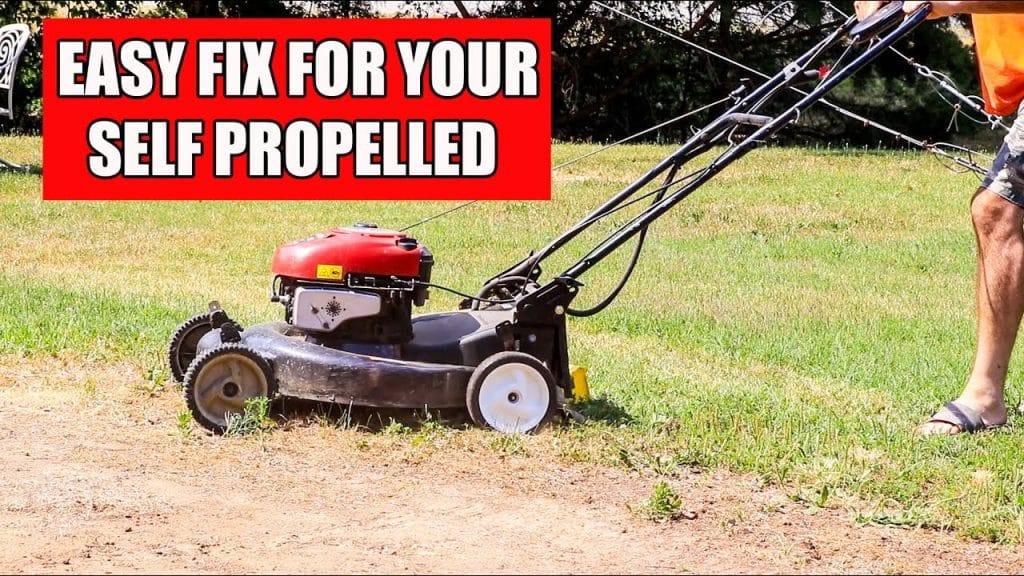
Is your self-propelled lawn mower giving you trouble? Fixing it can be easier than you think.
Self-propelled lawn mowers offer convenience, but they can face issues over time. From unresponsive wheels to engine troubles, these problems can interrupt your mowing routine. Don’t worry. You can fix many of these issues at home with some basic tools and patience.
This guide will help you understand common problems and simple solutions. Whether you’re dealing with a stalled engine or a mower that won’t move, you’ll find helpful tips here. Read on to learn how to get your lawn mower back in shape and your lawn looking its best.
Safety Precautions
Ensuring safety is vital when fixing a self-propelled lawn mower. Before diving into repairs, take some essential safety precautions. These steps can prevent accidents and ensure a smooth repair process.
Protective Gear
Always wear the right protective gear. Gloves protect your hands from sharp edges. Safety glasses shield your eyes from debris. Closed-toe shoes safeguard your feet from heavy parts. Ear protection can reduce noise damage. Consider a dust mask if there is a lot of dust or debris.
Workspace Preparation
Set up a clean, well-lit workspace. Clear the area of unnecessary items. Ensure you have enough space to move around. This prevents tripping and falling. Keep tools within reach but organized. A clutter-free workspace reduces the risk of accidents. Make sure the mower is on a stable, flat surface.
Disconnect the mower’s spark plug. This prevents accidental starts. Gather all necessary tools before starting. This saves time and keeps you focused. Keep a first aid kit nearby. It’s better to be prepared for minor injuries.
Tools And Materials
Fixing a self-propelled lawn mower requires specific tools and materials. Having these on hand ensures a smooth repair process. This section covers the essential tools and required materials needed to get your lawn mower up and running.
Essential Tools
Before starting the repair, gather these essential tools:
- Screwdriver Set: Both flathead and Phillips are needed.
- Wrench Set: Various sizes for different bolts.
- Socket Set: Helps in removing and tightening nuts.
- Needle-nose Pliers: For gripping and pulling small parts.
- Utility Knife: Useful for cutting and scraping.
- Oil Drain Pan: To catch any oil spills.
Required Materials
Along with tools, you will need the following required materials:
- Replacement Parts: Such as belts, blades, or spark plugs.
- Engine Oil: Ensure it matches your mower’s specifications.
- Fuel Stabilizer: Keeps the fuel fresh.
- Cleaning Cloths: For wiping down parts and hands.
- Grease: Lubricates moving parts.
Inspecting The Mower
Inspecting the mower is the first step to fixing a self-propelled lawn mower. Thorough inspection helps identify potential issues. This step ensures you know what needs to be fixed, replaced, or adjusted. Below are some key areas to focus on during the inspection process.
Visual Inspection
Start with a visual inspection of the mower. Look for any obvious signs of damage. Check the wheels, blades, and body for cracks or wear. Ensure there is no grass or debris build-up. This simple step can prevent many issues.
| Component | What to Check |
|---|---|
| Wheels | Cracks, wear, debris |
| Blades | Damage, sharpness |
| Body | Cracks, rust |
Checking For Loose Parts
Next, check for loose parts. Loose parts can cause poor performance or damage. Inspect the bolts, screws, and nuts. Use a wrench to tighten any that are loose. Ensure the handle is secure. Check the engine mount for stability. This ensures safe operation.
- Bolts and screws
- Nuts
- Handle
- Engine mount
By performing these checks, you can identify issues before they become major problems. It helps keep your mower running smoothly.
Diagnosing Common Problems
Having issues with your self-propelled lawn mower can be frustrating. Diagnosing these problems is the first step to fixing them. This guide will help you understand the common problems and how to diagnose them.
Engine Issues
The engine is the heart of your lawn mower. If it doesn’t run, nothing else works. Here are some common engine problems:
- Engine Won’t Start: Check the fuel level. Ensure the fuel is fresh. Old fuel can cause starting problems. Also, inspect the spark plug. It may need cleaning or replacing.
- Engine Runs Rough: This could be due to a clogged air filter. Clean or replace the air filter. Also, check the carburetor. It may need cleaning.
- Engine Overheats: Ensure the engine has enough oil. Low oil levels can cause overheating. Clean any debris around the engine. This helps with proper airflow.
Drive System Troubles
The drive system propels your mower forward. If it malfunctions, mowing becomes hard. Here are some common drive system problems:
- Mower Won’t Move: Check the drive cable. It might be broken or disconnected. Also, inspect the drive belt. A worn-out belt needs replacement.
- Slow Movement: This could be due to a worn-out drive belt. Replace it if necessary. Also, check the drive wheels. They may need cleaning or replacement.
- Uneven Movement: Inspect the drive gears. They might be worn out. Clean and lubricate them. Replace if needed.
Use the table below for a quick reference on diagnosing these issues:
| Problem | Possible Cause | Solution |
|---|---|---|
| Engine Won’t Start | Low/Old Fuel, Dirty Spark Plug | Refill/Replace Fuel, Clean/Replace Spark Plug |
| Engine Runs Rough | Clogged Air Filter, Dirty Carburetor | Clean/Replace Air Filter, Clean Carburetor |
| Engine Overheats | Low Oil, Debris | Refill Oil, Clean Debris |
| Mower Won’t Move | Broken Drive Cable, Worn Drive Belt | Repair/Replace Drive Cable, Replace Drive Belt |
| Slow Movement | Worn Drive Belt, Dirty Drive Wheels | Replace Drive Belt, Clean/Replace Drive Wheels |
| Uneven Movement | Worn Drive Gears | Clean/Lubricate/Replace Drive Gears |
Fixing The Drive System
Is your self-propelled lawn mower not moving as it should? The drive system might be the issue. Fixing it can extend the life of your mower. It also ensures a smooth mowing experience. Let’s dive into some common fixes.
Adjusting The Drive Cable
The drive cable controls the speed and movement of your mower. If it’s too loose or too tight, your mower won’t work correctly. Here’s how to adjust it:
- Locate the drive cable on your mower. It’s usually near the handle.
- Loosen the adjustment nut with a wrench.
- Adjust the cable tension. Pull it tighter if it’s loose, or loosen it if it’s too tight.
- Tighten the adjustment nut back in place.
- Test the mower to see if it moves properly.
Replacing The Drive Belt
The drive belt transfers power from the engine to the wheels. A worn-out belt can cause your mower to lose power. Follow these steps to replace it:
- Disconnect the spark plug to ensure safety.
- Remove the mower deck according to the manufacturer’s instructions.
- Locate the drive belt. It’s usually wrapped around the engine pulley and the transmission pulley.
- Remove the old belt by loosening the pulleys.
- Install the new drive belt. Make sure it’s properly aligned on both pulleys.
- Reattach the mower deck.
- Reconnect the spark plug and test the mower.
By adjusting the drive cable and replacing the drive belt, you can fix most drive system problems. This ensures your self-propelled lawn mower runs smoothly and efficiently.

Repairing The Engine
Self-propelled lawn mowers are convenient and efficient. But they can have engine issues. Fixing the engine is crucial for smooth operation. Follow these steps to repair your lawn mower engine.
Cleaning The Carburetor
The carburetor mixes air and fuel for the engine. Dirt and debris can clog it. Clean the carburetor to ensure proper function. First, remove the air filter. Then, disconnect the fuel line and throttle linkages.
Next, remove the carburetor from the engine. Use a carburetor cleaner spray to clean it. Spray into all holes and passages. Let it dry. Reassemble the carburetor and attach it back to the engine.
Replacing Spark Plugs
Spark plugs ignite the fuel in the engine. Faulty spark plugs can cause starting problems. Replace them to keep your engine running smoothly. First, locate the spark plug on your mower. It is usually on the side of the engine.
Use a spark plug wrench to remove the old spark plug. Check the gap on the new spark plug. It should match the recommended gap in your mower’s manual. Install the new spark plug and tighten it with the wrench.
Reconnect the spark plug wire. Your engine should now start easily.
Maintaining Your Mower
Fixing a self-propelled lawn mower involves checking the drive belt and cleaning the wheels. Ensure the drive cable is properly adjusted for smooth operation.
Keeping your self-propelled lawn mower in top condition ensures a beautiful lawn. Regular maintenance not only extends the mower’s life but also guarantees efficient performance. Addressing small issues early can prevent larger problems later. Here are some key practices for maintaining your mower.Regular Cleaning
Clean your mower after each use. Grass clippings and debris can clog the mower. Use a hose to wash away dirt. Make sure the mower is off before cleaning. Dry it thoroughly to prevent rust. Check the undercarriage as well. Remove any stuck grass or dirt.Routine Inspections
Inspect your mower regularly for wear and tear. Check the blades for sharpness. Dull blades tear grass, causing damage. Look for loose bolts and tighten them. Examine the belts for signs of wear. Replace worn belts immediately. Inspect the wheels for cracks or damage. Ensure they spin freely. Proper maintenance can save you time and money. Follow these tips to keep your mower running smoothly. “`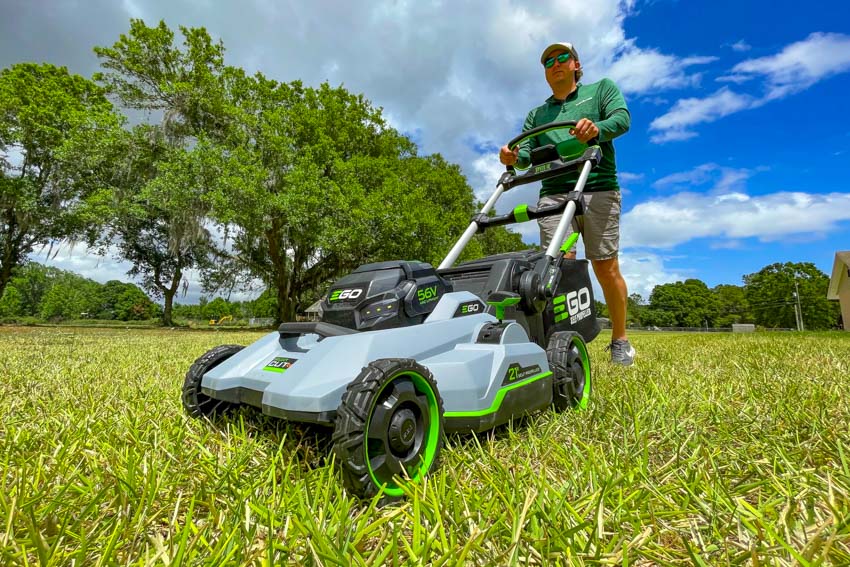
Frequently Asked Questions
How Do I Fix A Self Propelled Lawn Mower That Won’t Move?
First, check the drive cable for proper tension. Next, inspect the belt for wear or damage. Finally, ensure the wheels are not obstructed.
Why Is My Self Propelled Lawn Mower Not Working?
Common reasons include a broken drive belt, loose drive cable, or faulty transmission. Ensure all components are functioning correctly.
How Can I Adjust The Speed On My Self Propelled Lawn Mower?
Locate the speed control lever on the handle. Adjust the lever to the desired speed setting. Test the mower to confirm.
What Should I Do If My Self Propelled Lawn Mower Is Slow?
Check the drive belt for wear. Also, inspect the wheels for obstructions. Lastly, ensure the drive cable is properly adjusted.
Conclusion
Fixing a self-propelled lawn mower is simpler than it seems. Follow the steps. Check the basics like fuel, spark plug, and oil level. Inspect the drive belt and wheels. Clean the mower regularly. Proper maintenance keeps it running smoothly. Troubleshoot issues early to avoid bigger problems.
With these tips, your mower will work efficiently. Happy mowing!
