
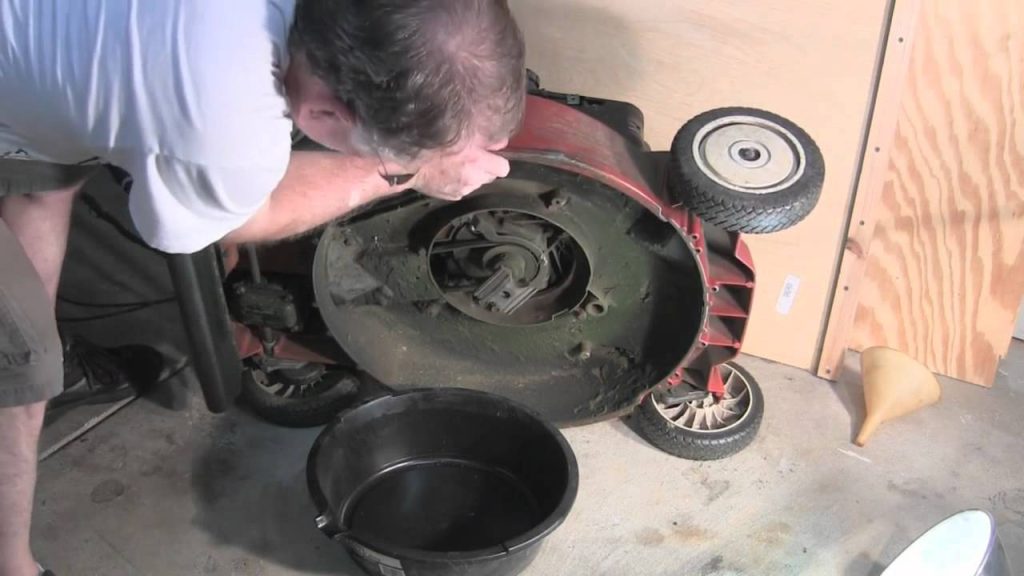
Draining lawn mower oil is a simple yet crucial task. It keeps your mower running smoothly.
Maintaining your lawn mower involves regular oil changes, which ensure the engine stays in good condition. Over time, oil collects dirt and debris, making it less effective. Draining and replacing the oil is essential to prevent engine damage and extend the life of your mower.
This task might sound complicated, but with the right steps, it’s quite easy to do at home. Understanding how to properly drain the oil will save you time and money in the long run. In this guide, we’ll walk you through the process step by step, ensuring your lawn mower stays in top shape.
Preparation
Draining the oil from your lawn mower is an essential part of maintenance. Proper preparation ensures the process goes smoothly and safely. Here are the steps you need to follow for effective preparation.
Gather Tools
- Oil pan – To collect the old oil.
- Wrench set – For loosening bolts.
- Rags – To clean up any spills.
- Gloves – To protect your hands.
- Funnel – To help pour new oil.
- New oil – Make sure it matches the mower’s specifications.
Safety Measures
Safety is paramount when working with machinery and oil. Follow these steps to ensure you’re protected.
- Turn off the engine – Make sure the mower is completely off.
- Remove the spark plug – This prevents the mower from starting accidentally.
- Work in a well-ventilated area – Avoid inhaling fumes.
- Wear gloves and goggles – Protect your skin and eyes.
- Keep a fire extinguisher nearby – Oil is flammable.
By following these preparation steps, you ensure a safe and efficient oil draining process for your lawn mower.
Locate The Oil Drain Plug
Draining lawn mower oil is a simple yet essential task. First, you need to locate the oil drain plug. This step ensures you can safely and efficiently remove the old oil from your lawn mower. Below, you’ll find detailed instructions to help you do just that.
Consult Manual
Every lawn mower model is different. To find the oil drain plug, consult your user manual. The manual provides specific details for your model. Look for the section on oil changes. This section often includes diagrams.
Identify Plug Location
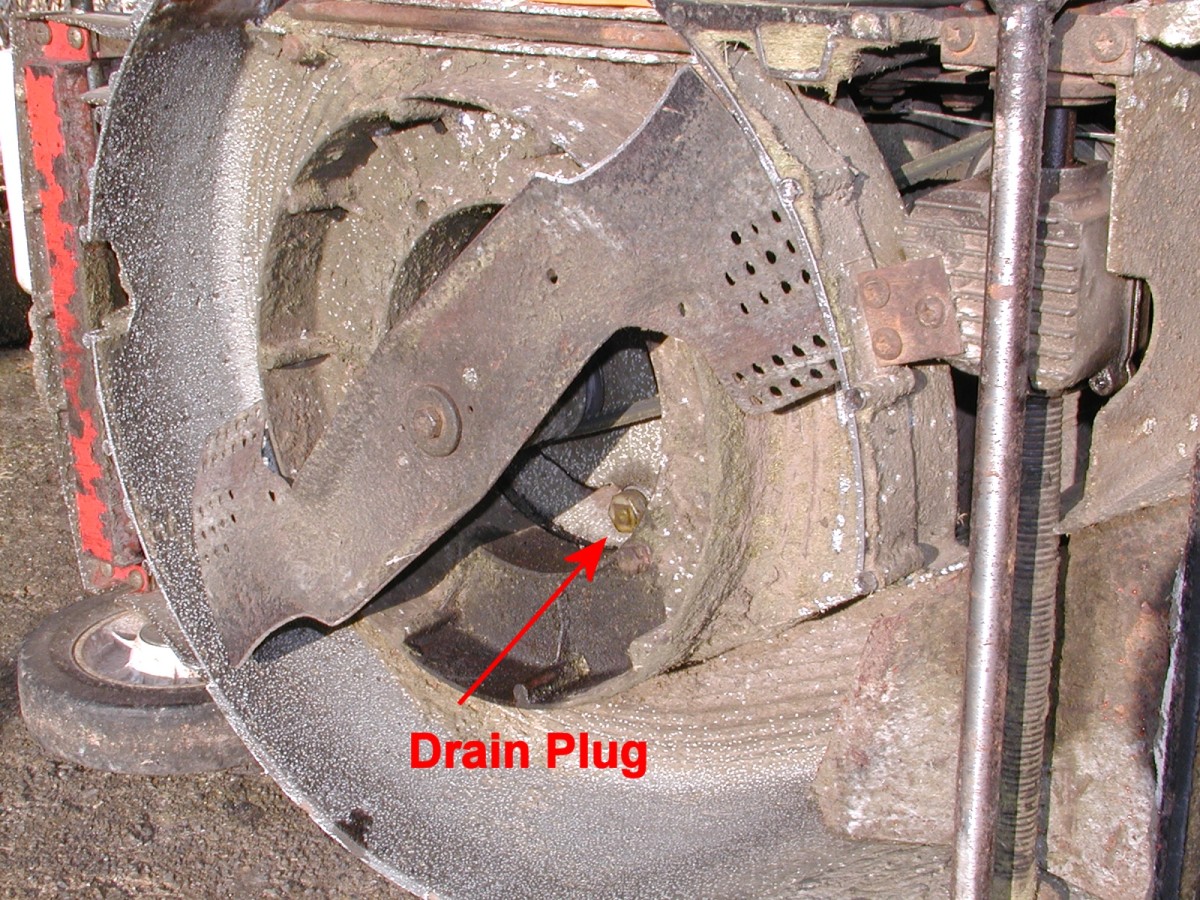
Once you have the manual, it’s time to identify the plug location. Typically, the oil drain plug is located beneath the engine. It may be on the side or bottom of the engine block. Look for a small, bolt-like component.
| Lawn Mower Part | Description |
|---|---|
| Oil Drain Plug | Small bolt under the engine |
| Engine Block | Main body of the engine |
If you have trouble finding it, refer back to the manual. The diagrams can offer a visual aid. This ensures you locate the correct plug.
Drain The Old Oil
Draining old oil from your lawn mower ensures its smooth operation. Fresh oil lubricates the engine better, extending its life. Follow these simple steps to drain old oil effectively.
Position The Mower
First, place the mower on a flat surface. This prevents spills. Ensure it’s stable and won’t move. Turn off the engine and let it cool down. Warm oil drains faster, but a hot engine can be dangerous. Wear gloves to protect your hands.
Remove The Oil Cap
Locate the oil cap on your mower. It’s usually near the base of the engine. Unscrew the cap carefully. Place a container under the mower to catch the oil. Tilt the mower slightly to help the oil flow out. Let all the oil drain completely.
Once done, replace the oil cap securely. Dispose of the old oil properly. Check local regulations for disposal methods. Never pour oil on the ground or down a drain. It’s harmful to the environment.

Catch And Dispose Of Old Oil
Draining the oil from your lawn mower is crucial for its maintenance. Catching and disposing of the old oil correctly is essential. This ensures the mower runs efficiently and protects the environment.
Use A Drip Pan
Before starting, gather all necessary tools. Place a drip pan under the mower. This will catch the old oil. Drip pans prevent spills and make clean-up easier. Position the pan directly under the oil drain plug. This is usually at the bottom of the engine. Slowly unscrew the drain plug. Let the oil flow into the pan. Be patient. Let all the oil drain out completely.
Proper Disposal Methods
Disposing of old oil properly is important. Never pour oil down the drain. It can damage the environment. Instead, transfer the oil to a sealable container. Use a funnel to avoid spills. Many auto parts stores accept used oil. Check with local recycling centers for options. Some municipalities have hazardous waste collection events. Take advantage of these services. Always dispose of oil responsibly.
Replace The Oil Filter
Replacing the oil filter in your lawn mower is an important step. It ensures the engine runs smoothly and efficiently. A clean filter traps dirt and debris, keeping your engine in top shape. Follow these steps to replace the oil filter properly.
Remove Old Filter
First, locate the oil filter on your lawn mower. It is usually on the side of the engine. Use a filter wrench to loosen the old filter. Turn it counterclockwise until it comes off. Be careful as some oil might spill. Have a container ready to catch any oil.
Install New Filter
Take the new oil filter out of its packaging. Apply a small amount of new oil to the rubber gasket on the filter. This ensures a good seal. Screw the new filter onto the engine by hand. Turn it clockwise until it is snug. Do not over-tighten it. Check for any leaks once the filter is in place.
Here is a quick summary:
| Step | Action |
|---|---|
| 1 | Locate the oil filter |
| 2 | Use a filter wrench to remove the old filter |
| 3 | Apply new oil to the rubber gasket of the new filter |
| 4 | Hand-tighten the new filter |
| 5 | Check for leaks |
Replacing the oil filter is a simple task. It helps keep your lawn mower running smoothly. Always refer to your lawn mower’s manual for specific instructions.
Refill With New Oil
Refilling your lawn mower with new oil is a crucial step. Fresh oil ensures the engine runs smoothly. It also helps maintain your mower’s longevity. After draining the old oil, the next step is refilling.
Choose The Right Oil
Select the correct oil type for your lawn mower. Check your mower’s manual for recommendations. Most mowers use SAE 30 or 10W-30 oil. Using the right oil type is essential for engine performance.
Measure The Oil
Pour the new oil into a measuring cup. Ensure you do not exceed the recommended amount. Overfilling can harm the engine. Most lawn mowers need about 18-20 ounces of oil.
Slowly pour the measured oil into the oil fill tube. Use a funnel to avoid spills. After filling, check the oil level with the dipstick. Add more oil if necessary, but do not overfill.
Check For Leaks
After draining the oil from your lawn mower, it’s important to check for leaks. Leaks can cause serious damage to your machine. They also lead to a loss of oil. Follow these steps to ensure your mower is leak-free and ready for use.
Inspect Plug And Filter
First, inspect the oil plug and filter. Look for signs of wear or damage. A worn-out plug or filter might cause leaks. Make sure they are both clean and in good condition.
- Remove any dirt or debris around the plug.
- Check the filter for cracks or tears.
- Replace any damaged parts immediately.
Regular checks can prevent future problems. Always keep the plug and filter in good shape.
Tighten If Necessary
Next, ensure all parts are tight. Loose parts can lead to leaks. Use a wrench to tighten the oil plug. Make sure it is secure but not overly tight.
- Use a wrench to check the tightness of the oil plug.
- Gently tighten until it feels secure.
- Do not over-tighten to avoid damage.
Also, check the filter. It should be snug and secure. A loose filter can cause leaks as well. Ensure it is properly fitted and tight.
By inspecting and tightening necessary parts, you can prevent leaks. This keeps your lawn mower running smoothly.
Finalize And Test
Once you have drained the oil from your lawn mower, it’s crucial to finalize the process and test the machine. Completing these steps ensures your mower runs smoothly and efficiently. Follow these easy steps to finish up.
Clean Up
Start by wiping off any spilled oil around the oil drain plug. Use a clean rag to ensure no residue remains. Check the oil filter, if your mower has one, and clean or replace it as needed. Proper cleanup prevents dirt from entering the engine.
Next, dispose of the used oil responsibly. Take it to a recycling center or an auto parts store that accepts used oil. Never pour it down the drain or onto the ground. This keeps the environment safe and clean.
Start The Mower
Refill the engine with fresh oil. Use the type and amount recommended by the manufacturer. Then, secure the oil cap tightly. Once done, start the mower to ensure everything works properly.
Let the engine run for a few minutes. This allows the oil to circulate and lubricate all parts. Listen for any unusual noises. If you hear any, stop the engine and check for issues. Otherwise, your mower is ready to use.
Frequently Asked Questions
How Do You Empty Oil Out Of A Lawn Mower?
To empty oil from a lawn mower, place it on a flat surface. Remove the oil cap and drain plug. Let oil drain into a container. Replace the drain plug and oil cap. Dispose of used oil responsibly.
Is There A Oil Drain Plug On Lawn Mower?
Yes, most lawn mowers have an oil drain plug. It is usually located under the mower deck. Check your mower’s manual for the exact location.
How Do You Get Rid Of Lawn Mower Oil?
Dispose of lawn mower oil at a local recycling center. Use a proper container for transport. Never pour oil down drains or on the ground.
What Is The Proper Way Of Draining The Engine Oil?
To properly drain engine oil, warm up the engine, place a pan under the drain plug, remove the plug, let the oil flow out, then replace the plug.
Conclusion
Draining lawn mower oil is a simple task. It keeps your mower running smoothly. Regular oil changes extend the life of your mower. Follow the steps carefully for the best results. Always dispose of used oil responsibly. A well-maintained mower saves you time and money.
Happy mowing!
