
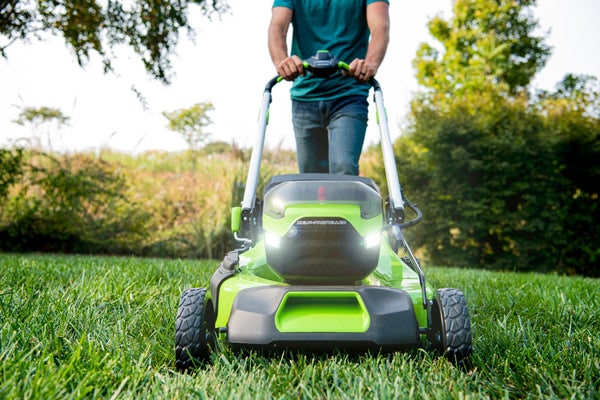
Choosing the right lawn mower is crucial for maintaining a beautiful yard. The right mower can save time and effort while giving your lawn a neat look.
Lawn mowers come in various types and sizes, each designed for different needs. Whether you have a small garden or a large yard, finding the perfect mower can feel overwhelming. You might wonder about the differences between gas and electric mowers, or if a push mower is better than a riding one.
This guide will help you make an informed choice. Understanding the key features and considerations will ensure your investment pays off. From cutting width to power sources, we will cover all the essentials. Ready to find the perfect lawn mower? Let’s dive in!
Assessing Your Lawn Needs
Choosing the right lawn mower starts with understanding your lawn’s specific needs. Not all mowers are suitable for every lawn. Different factors come into play, such as lawn size, terrain, and obstacles. Knowing these details helps you pick a mower that makes lawn care easier and more efficient.
Lawn Size Considerations
The size of your lawn determines the type of mower you need. For small lawns, a push mower might be enough. These are easy to maneuver and store. Medium-sized lawns benefit from self-propelled mowers. They reduce the effort needed to mow the grass. Large lawns may require a riding mower. These cover more ground quickly and save time.
Terrain And Obstacles
Consider the terrain of your lawn. Is it flat or hilly? Flat lawns are easier to mow with any type of mower. Hilly terrain needs a mower with good traction and stability. Rear-wheel-drive mowers work well on slopes. Also, take note of obstacles like trees, flower beds, and rocks. These need a mower that can navigate around them easily. A zero-turn mower offers excellent maneuverability for lawns with many obstacles.
Types Of Lawn Mowers
Choosing the right lawn mower can make yard work easier and more efficient. There are several types of lawn mowers, each with its own advantages. Understanding the differences can help you make the best choice for your lawn.
Push Mowers
Push mowers are simple and easy to use. They are ideal for small to medium-sized lawns. These mowers are environmentally friendly since they don’t use gas or electricity. They require physical effort, making them a good choice for those who enjoy a bit of exercise.
Self-propelled Mowers
Self-propelled mowers move forward on their own, needing less effort from you. They are perfect for larger lawns or uneven terrain. These mowers come in both gas and electric models. They provide a consistent cut with minimal effort.
Riding Mowers
Riding mowers are best for very large lawns. They allow you to sit and drive the mower, covering more ground quickly. They are more expensive but save time and energy. Riding mowers often come with extra features like mulching and bagging options.
Power Sources
Choosing the right lawn mower is crucial for maintaining a beautiful yard. One of the most important factors to consider is the power source. Understanding the different types of power sources can help you make the best choice for your needs.
Gas-powered
Gas-powered lawn mowers are known for their power and durability. They are ideal for large yards. These mowers can handle tough grass and uneven terrain. However, they require more maintenance, including oil changes and spark plug replacements.
- Suitable for large lawns
- Powerful engine
- Higher maintenance
Electric-powered
Electric-powered mowers are quieter and environmentally friendly. They are perfect for small to medium lawns. These mowers need a power outlet and an extension cord, which can limit their range. But they are easy to start and require minimal maintenance.
- Best for small to medium lawns
- Quieter operation
- Limited by cord length
Battery-operated
Battery-operated mowers offer the convenience of electric power without the cord. They are suitable for small to medium yards. These mowers are easy to maneuver and maintain. However, their run time is limited by battery life, and they may not be as powerful as gas models.
- Great for small to medium yards
- Cordless convenience
- Limited run time

Blade Options
Choosing the right lawn mower blade is crucial. It affects cutting performance and lawn health. Understanding blade types helps you decide the best fit for your needs. Here, we’ll explore two main types: rotary blades and cylinder blades.
Rotary Blades
Rotary blades are the most common type in lawn mowers. They are versatile and easy to maintain. The blade rotates horizontally, cutting grass with a swinging motion.
- Ease of Use: Rotary blades are simple to use. Ideal for beginners.
- Cost-Effective: Typically, rotary blades are cheaper than cylinder blades.
- Durable: They handle tough grass and small debris well.
Rotary blades work best for average lawns. They can leave a slightly uneven cut but are suitable for most homeowners.
Cylinder Blades
Cylinder blades, also known as reel blades, offer a precise cut. They have multiple blades that rotate vertically, like scissors cutting grass.
- Precision Cutting: Cylinder blades provide a cleaner, more even cut.
- Best for Fine Lawns: Ideal for well-maintained, short grass.
- Requires Regular Maintenance: Blades need frequent sharpening for optimal performance.
Cylinder blades excel at giving a manicured look. They are perfect for those who take pride in a pristine lawn.
| Blade Type | Pros | Cons |
|---|---|---|
| Rotary Blades | Easy to use, cost-effective, durable | May leave uneven cuts |
| Cylinder Blades | Precise cut, ideal for fine lawns | Needs regular maintenance, more expensive |
Understanding these blade options helps you choose the right lawn mower. Consider the type of grass and the level of maintenance you prefer. Happy mowing!
Key Features To Look For
Choosing the right lawn mower is essential for maintaining a beautiful lawn. Several key features can make your mowing experience easier and more efficient. Let’s explore the important aspects to consider.
Cutting Width
The cutting width determines how much grass the mower cuts in one pass. A wider cutting width means fewer passes and faster mowing. If you have a large yard, a mower with a wide cutting width can save you time. For smaller yards, a narrower cutting width might be more manageable.
Adjustable Cutting Heights
Grass grows at different rates and types require different heights. An adjustable cutting height feature allows you to set the mower to the perfect height for your lawn. This ensures a consistent and healthy cut. Look for mowers with easy-to-adjust settings.
Grass Clipping Disposal Options
How a mower handles grass clippings can make a big difference. Some mowers have a bagging system that collects clippings, which is great for a clean lawn. Others have a mulching option that cuts clippings into small pieces and returns them to the lawn as nutrients. Some mowers also offer a side discharge option, which is useful for less frequent mowing.

Budget Considerations
Choosing the right lawn mower involves many factors. One of the key factors is your budget. Understanding how much you can spend will help you make an informed decision. This section will break down budget considerations into initial purchase cost and maintenance and operating costs.
Initial Purchase Cost
The initial purchase cost of a lawn mower can vary widely. Here are some typical price ranges:
| Type of Lawn Mower | Price Range |
|---|---|
| Manual Reel Mower | $50 – $100 |
| Electric Push Mower | $100 – $300 |
| Gas Push Mower | $200 – $500 |
| Riding Mower | $1,000 – $3,000 |
Manual reel mowers are the cheapest option. Electric push mowers offer a middle ground, while gas push mowers are slightly more expensive. Riding mowers are the most costly but are suitable for large lawns.
Maintenance And Operating Costs
Beyond the initial purchase, consider ongoing costs. These include:
- Fuel or Electricity
- Oil Changes
- Blade Sharpening
- Replacement Parts
Electric mowers tend to have lower maintenance costs. Gas mowers require regular oil changes and fuel. Manual reel mowers have the least ongoing costs but need regular blade sharpening. Riding mowers have the highest maintenance and operating costs.
Think about your lawn size and how often you will use the mower. These factors will impact your ongoing costs. A higher initial investment might save money over time. Choose wisely.
Ergonomics And Ease Of Use
Selecting a lawn mower with good ergonomics ensures comfort during use. Easy-to-use controls simplify the mowing process.
Choosing a lawn mower requires considering its ergonomics and ease of use. A mower should not only be efficient but also comfortable. This ensures long mowing sessions do not strain your body. Let’s explore key ergonomic features to look for.Handle Comfort
A comfortable handle is vital for a smooth mowing experience. Check if the handle has padding. This reduces vibration and prevents hand fatigue. Adjustable handles are also a plus. They allow you to set the height to your preference. Look for handles that can be easily gripped. This helps avoid slipping, especially with sweaty hands.Maneuverability
A mower’s maneuverability affects how easy it is to navigate. Lightweight mowers are easier to push and turn. Swivel wheels enhance maneuverability around obstacles. Self-propelled mowers reduce the effort needed to move the mower. Consider the turning radius. A smaller turning radius allows for tighter turns. This is useful for intricate lawns with many curves and corners. “`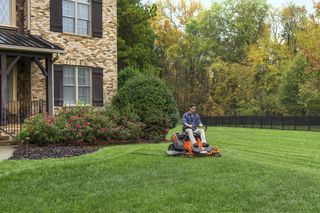
Safety Features
When choosing a lawn mower, safety features are crucial. They protect you and others from potential harm. This section discusses key safety features to consider.
Blade Brake Systems
Blade brake systems stop the mower’s blade quickly. This happens when you release the control handle. This feature prevents accidents. If you need to stop suddenly, the blade stops too. This protects your feet and hands. Look for mowers with a reliable blade brake system. It adds a layer of safety.
Safety Guards
Safety guards are essential. They cover the blade and other moving parts. This reduces the risk of injury. Most mowers have built-in safety guards. Check the mower before buying. Ensure all guards are in place and secure. This is important for your safety.
| Safety Feature | Purpose |
|---|---|
| Blade Brake System | Stops the blade quickly when control is released |
| Safety Guards | Covers the blade and other moving parts |
- Blade Brake Systems – Quick blade stop
- Safety Guards – Covers dangerous parts
Safety features in a lawn mower are vital. They prevent injuries and ensure safe operation. Always check these features before making a purchase.
Environmental Impact
Selecting the right lawn mower can significantly reduce environmental impact. Electric and manual mowers produce fewer emissions compared to gas-powered ones. Sustainable choices help preserve the planet.
Choosing a lawn mower goes beyond just performance. Its environmental impact matters too. Understanding emissions and noise levels can help you make an eco-friendly choice.Emissions
Gas-powered mowers emit harmful gases. These gases include carbon monoxide and nitrogen oxides. They contribute to air pollution. Electric mowers produce zero emissions. This makes them a cleaner option. Consider battery-powered mowers. They reduce your carbon footprint. Solar-powered mowers are the best. They use renewable energy.Noise Levels
Noise pollution affects peace and wildlife. Gas mowers are louder. They can reach 90 decibels or more. Electric mowers are quieter. They usually stay below 75 decibels. This makes them neighborhood-friendly. Robotic mowers are the quietest. They operate at around 60 decibels. Choose a quieter mower. Enjoy a peaceful lawn care experience. “`Frequently Asked Questions
What Are The Different Types Of Lawn Mowers?
There are mainly three types: gas-powered, electric, and manual reel mowers. Each has its pros and cons.
How Do I Choose The Right Lawn Mower?
Consider your lawn size, terrain, and personal preferences. Match these with the mower’s features and capabilities.
Are Electric Mowers Better Than Gas Mowers?
Electric mowers are eco-friendly and quieter. Gas mowers are more powerful and suitable for larger lawns.
How Often Should I Mow My Lawn?
Mow your lawn once a week during the growing season. Adjust mowing frequency based on grass growth.
Conclusion
Choosing the right lawn mower can simplify your yard work. Consider your lawn size, terrain, and mower type. Remember to check features like cutting height and ease of use. Electric mowers are quieter and eco-friendly. Gas mowers offer more power.
Robotic mowers save time. Always compare prices and read reviews. This ensures you get the best value. A suitable mower makes lawn care easier and more enjoyable. Happy mowing!
